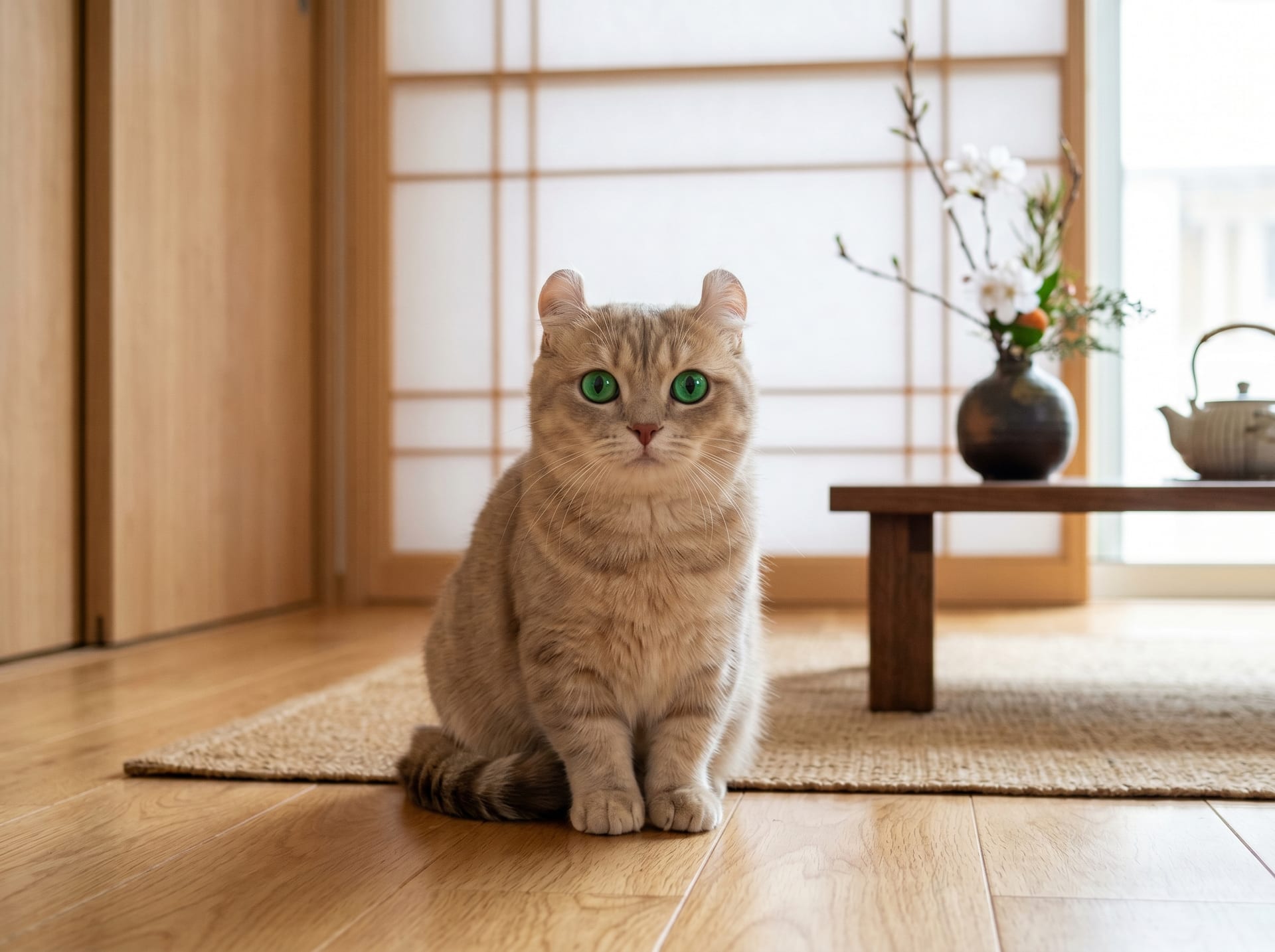
Kinkalow
Cross between Munchkin and American Curl. Short legs and curled ears with an adorable look and active personality.
View Kinkalow encyclopedia →0% commission on your first sales!Register by September 30, 2026 and your first 2 sales are commission-free!
Breeder Wanted!
List on BreederDirect and sell directly to customers nationwide!
4 Trust Pillars We Guarantee at Br-Choku
For all kitten listings, Breeder clearly disclose the following information. To ensure safe and transparent direct sales, Br-Choku requires these legally mandated items.
- MicrochipRequired
- Vaccinated
- Health Checked
- Pedigree Certified
* Microchip implants are now legally required for breeding businesses selling dogs and cats under the Animal Protection Law (effective June 2022).
Secure transaction guarantee
Dogs & cats onlyEvery BreederDirect transaction is covered by our transaction guarantee. If you cannot receive your pet, you will be fully refunded. A health guarantee also covers you after handover.
Learn about transaction safety →Browse all 74 breeds
Verified breeders wanted for Cats
Breeders are signing up now ahead of launch. Subscribe to be notified when new listings go live.
Getting alerts is free with a member account. When new listings match your saved search, we'll notify you by email and in-app.
Browse other categories
Verified breeders (preview)
Kinkalow key facts
- Care level
- Intermediate
- Lifespan
- 12-15 years
- Size
- 2-4kg
- Diet
- Dry food, small kibble
- Temperament
- Active, playful, very curious
- Exercise
- Active indoor play
- Coat Care
- Brush about twice weekly
- Origin
- United States
- Notes
- Rare and hard to find, monitor leg and ear health
About Kinkalow
The Kinkalow is a relatively new breed that emerged in the United States in the 1990s, created by crossing the short-legged Munchkin with the American Curl, whose ears tip gently outward. The name is said to derive from "kinked" and "low," aptly capturing the breed's distinctive silhouette. They are small to medium in size with round, expressive faces and large eyes that lend them an endearing charm. Both short and long coat varieties exist, with a wide range of color options. In temperament, Kinkalows are curious, friendly, and affectionate, with a calm side that makes them adaptable to households with children or other pets. While their short legs make high leaps impractical, watching them throw themselves wholeheartedly into low-level play and chasing games is utterly delightful. As a globally rare breed with limited breeders, finding the right match takes patience — but that careful search is the first step toward a lasting bond.
7 things to know before welcoming a Kinkalow
1Exercise Despite Short Legs
Despite their short legs, Kinkalows are energetic and enjoy running and climbing. Providing low cat trees and steps allows them to exercise safely without overstressing their limbs. Regular activity also helps prevent obesity.
2Ear Care Is Essential
The curled ear structure can trap wax and debris more easily than straight ears, making regular cleaning important. Gently wipe the ears about once a week using a veterinarian-approved ear cleaner. Consult a vet if you notice unusual odor or dark discharge.
3Spinal and Joint Health
The short-legged gene inherited from the Munchkin may place additional strain on the spine and joints in some individuals. Arrange your home to minimize high jumps, and keep your cat at a healthy weight. Regular veterinary check-ups support early detection of any issues.
4Affectionate and Dislikes Solitude
Kinkalows are people-oriented and tend to thrive on companionship. Extended periods alone can cause stress, so consider your lifestyle before adopting. A feline companion or ample daily playtime can help keep them mentally stimulated and content.
5Rare Breed, Limited Availability
The Kinkalow is a rare breed worldwide, and breeders in Japan are limited in number. Finding a kitten may take time, and purchase prices tend to be higher than more common breeds. Sourcing from a reputable breeder makes it easier to verify the kitten's health history.
6Coat Type Varies by Individual
Kinkalow coats range from short to long, and grooming needs vary accordingly. Short-coated individuals typically need brushing once or twice a week, while long-coated ones require more frequent grooming to prevent matting. Confirm the coat type before bringing your kitten home.
7Estimated Costs to Expect
Kitten prices for Kinkalows are relatively high due to their rarity, often ranging from roughly 200,000 to 400,000 yen. Initial costs for supplies, vaccinations, and spay/neuter surgery add further expense. Planning for ongoing monthly costs such as food, veterinary care, and consumables is equally important.
Frequently asked questions about Kinkalow
- Q.Do Kinkalows really stay short-legged?
- A.Yes, the short-legged trait is inherited from the Munchkin and remains throughout adulthood. That said, there is individual variation, and leg length can differ somewhat even among Kinkalows.
- Q.Can they be kept in small apartments?
- A.With appropriate play space and toys, Kinkalows can thrive in apartments. Rather than focusing on height, prioritize floor-level enrichment to suit their short-legged lifestyle.
- Q.Do they get along with other cats or dogs?
- A.As a sociable breed, Kinkalows tend to adapt well to multi-pet households when introduced gradually. Avoid placing them in the same space immediately; a step-by-step introduction process leads to smoother coexistence.
- Q.What are the key health concerns to watch for?
- A.The main concerns are genetic bone and cartilage risks associated with short legs, and ear issues related to the curled ear structure. Regular veterinary checkups and consistent daily care are the foundation of prevention.
- Q.What is the average lifespan of a Kinkalow?
- A.They are generally estimated to live around 12 to 15 years, though long-term data is still limited given the breed's relatively short history. A proper diet, regular exercise, and routine veterinary care form the basis for a long, healthy life.
Useful tools for Kinkalow care
Learn more about Kinkalow in the encyclopedia
View Kinkalow encyclopedia entry →
Care difficulty, lifespan, size and diet — all basics covered.
More in this category
Can't find the one you're looking for?
Post your wishes for free and breeders with matching animals will contact you with introductions.