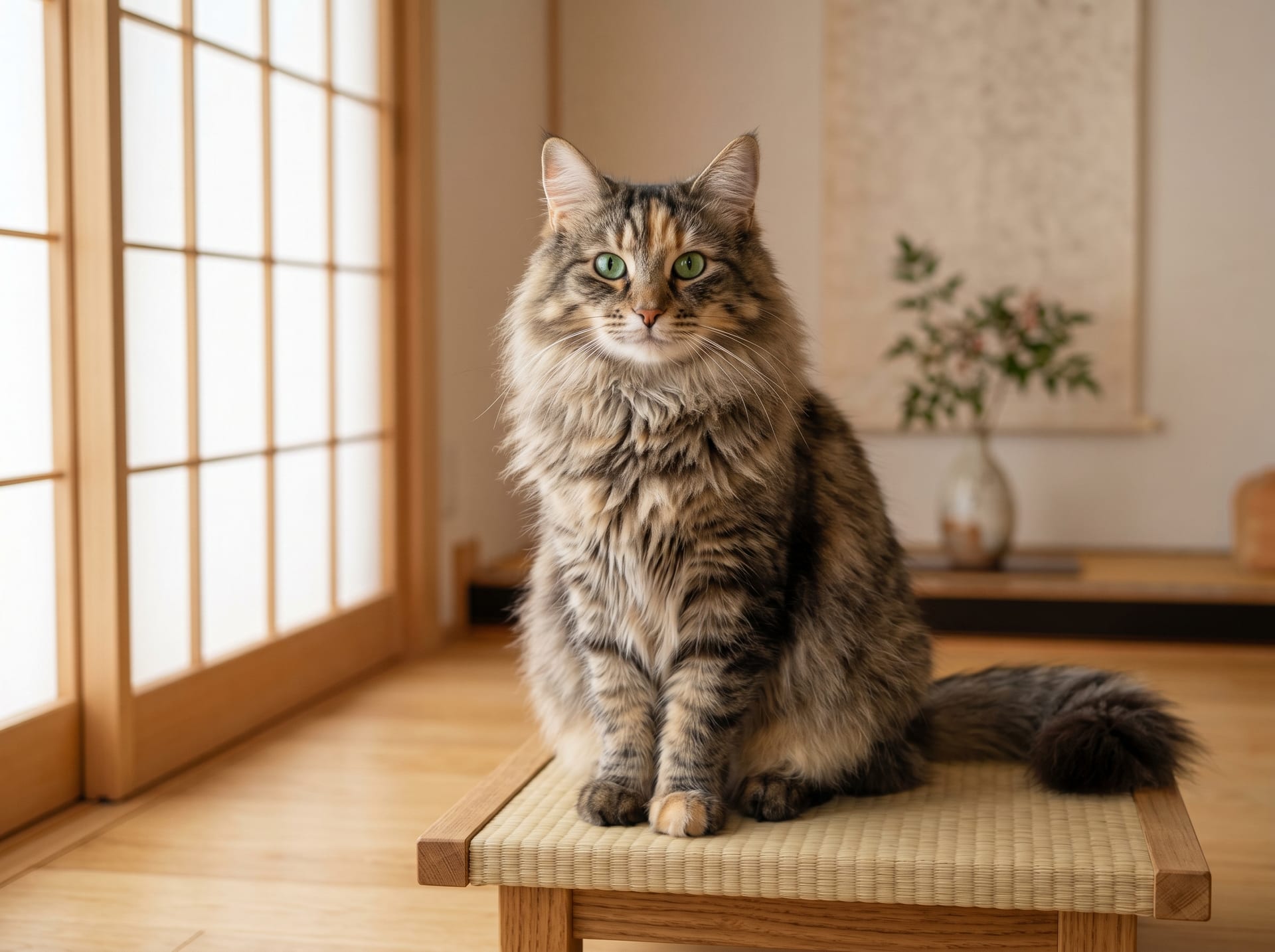
Norwegian Forest Cat
Large natural breed from Nordic forests. Waterproof thick coat with sturdy build. Calm, patient, and loyal.
View Norwegian Forest Cat encyclopedia →- Price Range
- ¥70,000〜¥238,000
0% commission on your first sales!Register by September 30, 2026 and your first 2 sales are commission-free!
Breeder Wanted!
List on BreederDirect and sell directly to customers nationwide!
4 Trust Pillars We Guarantee at Br-Choku
For all kitten listings, Breeder clearly disclose the following information. To ensure safe and transparent direct sales, Br-Choku requires these legally mandated items.
- MicrochipRequired
- Vaccinated
- Health Checked
- Pedigree Certified
* Microchip implants are now legally required for breeding businesses selling dogs and cats under the Animal Protection Law (effective June 2022).
Secure transaction guarantee
Dogs & cats onlyEvery BreederDirect transaction is covered by our transaction guarantee. If you cannot receive your pet, you will be fully refunded. A health guarantee also covers you after handover.
Learn about transaction safety →Browse all 74 breeds
Verified breeders wanted for Cats
Breeders are signing up now ahead of launch. Subscribe to be notified when new listings go live.
Getting alerts is free with a member account. When new listings match your saved search, we'll notify you by email and in-app.
Browse other categories
Verified breeders (preview)
Norwegian Forest Cat key facts
- Care level
- Beginner-friendly
- Lifespan
- 14-16 years
- Size
- Weight 3.5-9kg
- Diet
- High-quality large-breed cat food. High-protein diet ideal.
- Temperament
- Calm and patient. Loyal to family with independent streak. Gentle and quiet.
- Exercise
- Enjoys moderate exercise. Excellent climber; loves tall cat trees.
- Coat Care
- Thick waterproof semi-long coat. Brush 2-3 times weekly.
- Origin
- Norway
- Notes
- Risk of glycogen storage disease type IV. Watch for hip dysplasia.
About Norwegian Forest Cat
The Norwegian Forest Cat's origins are said to reach back to the age of Norse mythology, with some accounts suggesting the breed traveled aboard Viking ships to spread across Europe. Centuries of natural selection in the frigid Scandinavian forests produced its defining traits: a glossy, water-resistant topcoat paired with a dense, insulating undercoat, and a powerfully built, large frame. Its distinctive face features a straight profile from forehead to nose tip, almond-shaped eyes, and tufted ears that complete its wild yet elegant appearance. In temperament, the breed is calm and composed, rarely vocalizing loudly or becoming overly clingy. It is sociable enough to get along with children and dogs, yet independent enough to value its own space. For those who want a cat that builds deep trust gradually and thrives in a relaxed home environment, the Norwegian Forest Cat is a particularly rewarding companion.
7 things to know before welcoming a Norwegian Forest Cat
1Regular Grooming Is Essential
The thick double coat requires brushing 2–3 times a week to stay tangle-free. During shedding seasons in spring and autumn, daily grooming becomes ideal as fur loss increases significantly. Neglecting coat care can lead to painful mats and skin irritation.
2Space for a Large Cat
Adults can weigh between 4 and 9 kg, making them one of the larger domestic breeds with impressive jumping ability. Providing tall cat trees and ample space to move helps prevent boredom and stress. Confined living environments can easily lead to under-exercise and weight gain.
3Know the Cardiac Health Risk
Norwegian Forest Cats have a known genetic predisposition to hypertrophic cardiomyopathy (HCM), and regular cardiac ultrasound screenings are recommended. When acquiring a kitten, confirm that the parents have been HCM-tested by a reputable breeder. Early detection significantly supports long-term health management.
4Born to Climb
Generations of life in Nordic forests have given this breed a strong instinct to climb and perch at height. Floor-to-ceiling cat trees or wall-mounted shelves satisfy this natural drive effectively. Be sure to secure windows and high surfaces to prevent accidental falls.
5Independent but Affectionate
This breed tends to be independent rather than overly clingy, choosing to stay near its owners on its own terms. It handles time alone reasonably well, suiting households where people work away from home. That said, regular interaction and affection remain important for its emotional wellbeing.
6Watch Diet and Weight
Their large size and hearty appetite make Norwegian Forest Cats prone to weight gain. Feeding measured portions of high-protein, appropriately caloric food helps keep weight in check. Excess weight puts added strain on joints and the heart, making portion control a fundamental health practice.
7Budget for Higher Costs
As a pedigree breed, purchase prices typically range from roughly 150,000 to 300,000 yen depending on lineage and breeder. Ongoing costs for food, veterinary care, and supplies also tend to run higher than average given their size. Plan your long-term budget carefully before bringing one home.
Frequently asked questions about Norwegian Forest Cat
- Q.Do Norwegian Forest Cats shed a lot?
- A.Yes, especially during the spring and autumn shedding seasons, you can expect significant fur loss. Regular brushing and using an air purifier can greatly reduce the burden of daily cleanup. Combining these with a robot vacuum is also an effective approach.
- Q.Can they be kept in an apartment?
- A.With sufficient space and tall climbing structures, apartment living is absolutely manageable for this breed. Their relatively quiet voice means noise complaints from neighbors are less of a concern compared to more vocal breeds. Thoughtful environmental enrichment is key to keeping them content indoors.
- Q.Do they get along with other pets?
- A.Their calm and sociable temperament makes them reasonably well-suited for living with other cats or dogs. However, introductions should always be gradual and patient, as compatibility also depends on the other animal's personality. A careful, step-by-step introduction process is the key to successful cohabitation.
- Q.What is their typical lifespan?
- A.The typical lifespan is approximately 12 to 16 years, and with proper nutrition and regular veterinary checkups, many individuals live long, healthy lives. Given their predisposition to certain hereditary conditions, routine cardiac screenings are an important part of ongoing care. Choosing a health-tested kitten from a reputable breeder also contributes to a longer, healthier life.
- Q.Are they suitable for families with young children?
- A.Their patient and gentle nature generally makes them a good fit for homes with children. That said, young children who handle them roughly can cause stress for the cat. Teaching children how to interact respectfully and providing the cat with a safe retreat space are both essential measures.
Useful tools for Norwegian Forest Cat care
Learn more about Norwegian Forest Cat in the encyclopedia
View Norwegian Forest Cat encyclopedia entry →
Care difficulty, lifespan, size and diet — all basics covered.
Norwegian Forest Cat related articles
Norwegian Forest Cat Care Guide | Coat Maintenance and Managing Their Active Personality
Detailed guide to Norwegian Forest Cat care. We explain brushing their cold-weather adapted rich double coat, managing their active exercise needs, diet management, hereditary diseases they are prone to, and tips for longevity.
Cat Breed Personality Guide | Scottish Fold, Norwegian Forest Cat, Ragdoll, Abyssinian Characteristics Comparison
Comparing personality, required care, and compatibility with multi-cat households for popular cat breeds. Introduces characteristics of affectionate Ragdolls, active Abyssinians, calm Norwegian Forest Cats, and health-prone Scottish Folds.
Top 10 Popular Cat Breeds Compared: Personality, Size, and Ease of Care
We compare the top 10 popular cat breeds including Scottish Fold, Munchkin, Ragdoll, Norwegian Forest Cat, and Somali by personality, body size, shedding, affectionateness, and ease of care.
More in this category
Can't find the one you're looking for?
Post your wishes for free and breeders with matching animals will contact you with introductions.