Norwegian Forest Cat Care Guide | Coat Maintenance and Managing Their Active Personality
Detailed guide to Norwegian Forest Cat care. We explain brushing their cold-weather adapted rich double coat, managing their active exercise needs, diet management, hereditary diseases they are prone to, and tips for longevity.

Key Takeaways
Detailed guide to Norwegian Forest Cat care. We explain brushing their cold-weather adapted rich double coat, managing their active exercise needs, diet management, hereditary diseases they are prone to, and tips for longevity.
Related Species
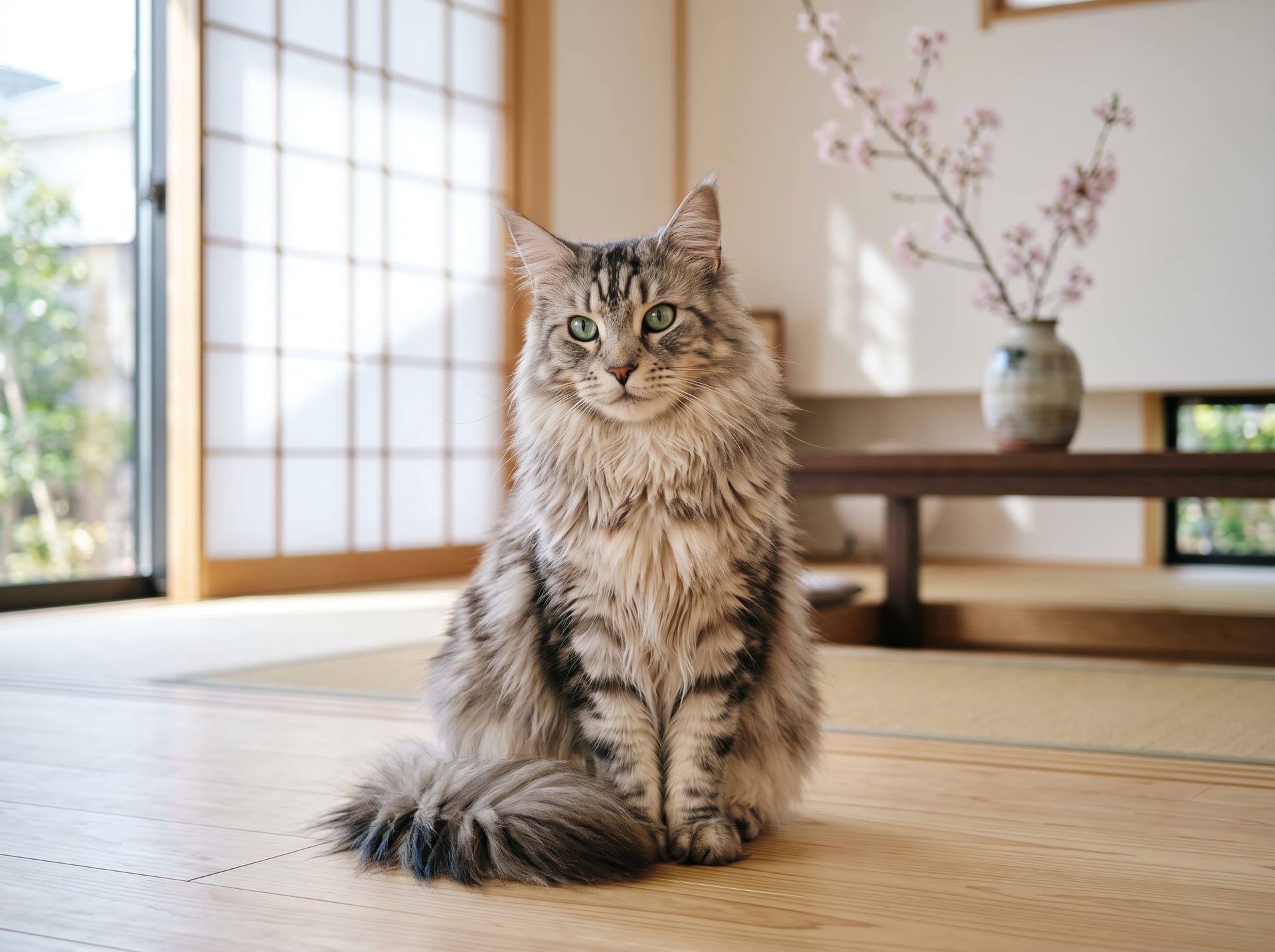
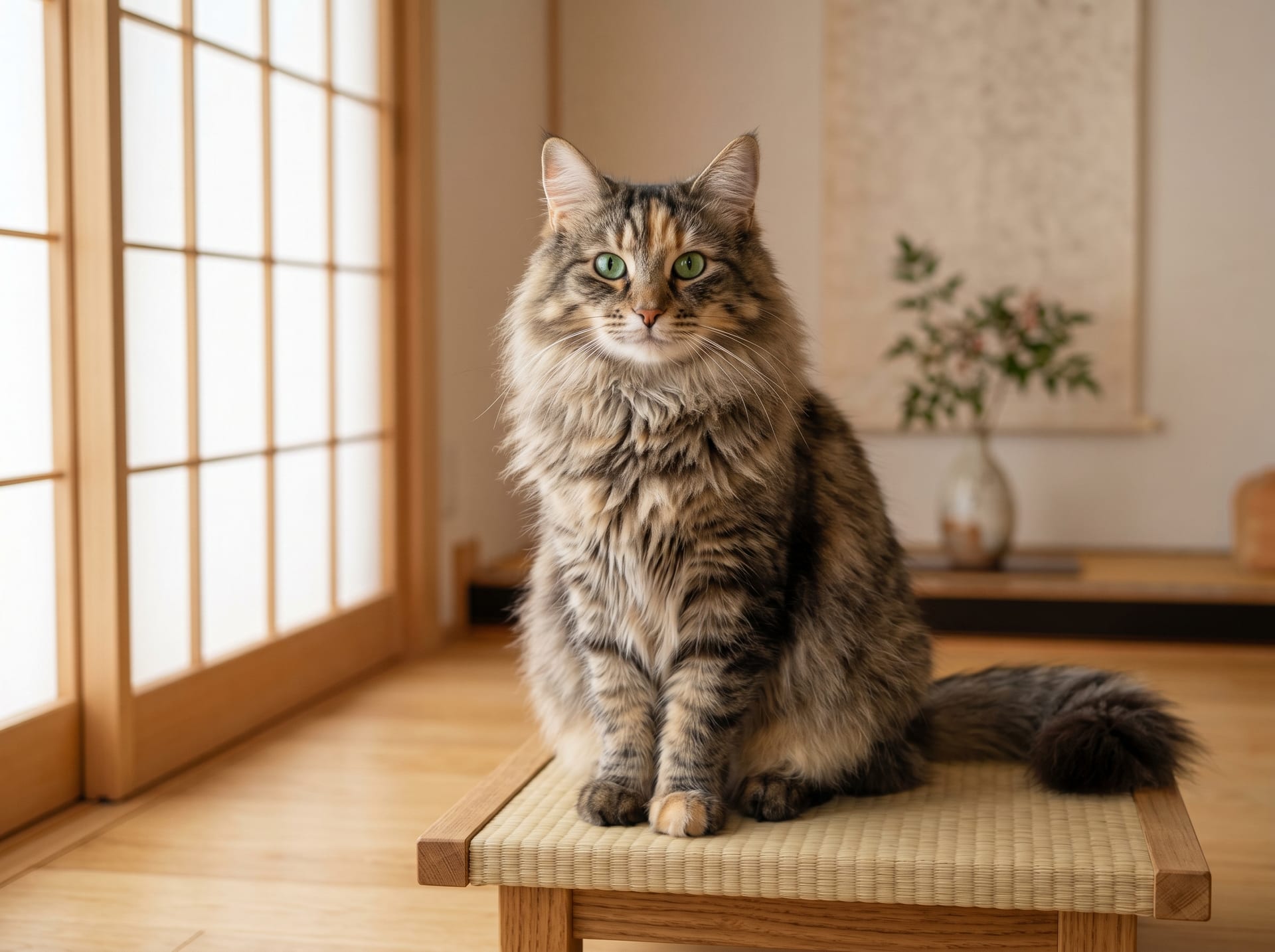
What is a Norwegian Forest Cat?
The Norwegian Forest Cat (commonly called Norwegian or NFC) is a large cat breed originating from Norway in the Scandinavian Peninsula. It is a naturally occurring "forest cat" that developed to survive harsh Nordic winters, with a rich cold-resistant coat and a sturdy build.
Basic Data
- Weight: Males 5–9 kg, Females 4–6 kg
- Lifespan: 14–16 years
- Coat: Waterproof double coat (undercoat + long, glossy overcoat)
- Country of origin: Norway
- Recognized breed by FIFe/CFA
While Norwegian Forest Cats are known as a large long-haired breed alongside the Maine Coon, they have a somewhat slender, athletic build. Their tail is thickly furred, and they have lynx-like tufts at the ear tips, giving them a wild beauty reminiscent of a feline in nature.
Personality and Characteristics—Balancing Wild Nature with Affection
Norwegian Forest Cats are independent and self-reliant while also being deeply affectionate with their owners.
Main Personality Traits
- Active and Athletic: They have an instinct for climbing trees and love being in high places
- Independent: They dislike being forced to cuddle but often come to snuggle on their own terms
- Curious: They actively explore new toys and environments
- Gentle: They have low aggression and can coexist relatively well with children and other animals
- Some enjoy water: Perhaps due to their history of hunting fish in streams, some individuals show interest in water
They like moderate attention but dislike being over-handled. Even households where people are away for long periods can adapt well if the environment is properly prepared.
Coat Care—Seasonal Management of the Double Coat
Coat maintenance is one of the biggest tasks in caring for a Norwegian Forest Cat.
Brushing Frequency and Method
- Normal periods: 2–3 times per week
- Shedding seasons (spring and fall): Daily. Spring shedding is particularly heavy.
Tools to use
- Wide-tooth comb: For untangling mats and general grooming
- Slicker brush: For smoothing the surface coat
- Undercoat comb (Furminator, etc.): For removing loose undercoat during shedding season
Brushing sequence
- First, comb through the entire coat and check for mats
- If mats are found, use a mat-detangling spray and gently work them out with your fingers before combing
- Brush the surface coat with a slicker brush
- During shedding season, thoroughly remove loose undercoat with an undercoat comb
Mats are especially prone to form in the armpits, belly, base of hind legs, and neck area. Focus on these spots carefully.
Tips for Preventing Mats
Neglected mats can lead to dermatitis, poor circulation, and self-induced hair loss.
- Using a conditioner spray (cat-safe) can reduce coat tangles
- Early detection and prompt removal are crucial, as large mats become difficult to remove
Bathing
Bathing about once a month is recommended. Norwegian Forest Cat coats have waterproof properties and repel water, so thorough rinsing takes time.
- Cat-specific shampoo (moisturizing or for oily skin, depending on coat type)
- Thorough rinsing (shampoo residue can cause dermatitis)
- Complete drying (blow dryer essential)
Diet and Weight Management
Choosing the Right Food
High-protein food designed for large cat breeds or active cats is appropriate.
- Protein: Choose food with animal-based protein of 30–40% or higher as the main ingredient
- Fat: Adequate fat is necessary for coat shine and health maintenance
- Omega-3 fatty acids (EPA/DHA): Support coat shine and skin health
- Glucosamine and chondroitin: Support joint health
Avoid: Cheap foods with grain as the main ingredient, excessive carbohydrates (which cause obesity)
Weight Management
Due to their abundant coat, Norwegian Forest Cats' actual body condition can be difficult to assess, making obesity easy to overlook. Check their body condition regularly with monthly weigh-ins and rib palpation.
Indoor Environment and Exercise
The Importance of Cat Trees and Climbing Spaces
Norwegian Forest Cats have a strong preference for high places, making it important to provide tall cat trees (180 cm or taller) or wall-mounted cat walks.
- Towers with a stable, wide platform at the top are preferred
- Multi-level condo-style towers with multiple posts provide adequate exercise
- Window perches with a view of the outdoors are also effective for mental enrichment
Playtime
Ensure 2 active play sessions of 15–30 minutes each per day.
- Feather toys and wand toys: Stimulate hunting instincts
- Food puzzles: Provide mental enrichment and prevent fast eating
- Cat wheel: Combat exercise deficiency
Breed-Prone Health Issues
Hypertrophic Cardiomyopathy (HCM)
Like Maine Coons, Norwegian Forest Cats are known to be at risk for HCM. Research suggests that genetic mutations other than MYBPC3 may also be involved.
- Heart ultrasound screening is recommended 1–2 times per year starting at 2–3 years of age
- Request heart screening results from the parents from the breeder
Glycogen Storage Disease Type IV (GSD IV)
This hereditary metabolic disorder is specific to Norwegian Forest Cats. Muscle weakness and neurological symptoms appear within a few months of birth, with most affected kittens dying within months. DNA testing for carriers is available, so verification from the breeder is essential.
This disease can be completely prevented by choosing kittens born to parents with negative (NN) DNA test results.
Hip Dysplasia
A common orthopedic issue in large cat breeds that can lead to arthritis and gait abnormalities. Prevention centers on maintaining proper weight and moderate, stress-free exercise.
Summary—Checklist Before Bringing Home a Norwegian Forest Cat
Points to Consider When Choosing a Breeder
- Choose kittens born to parents with DNA testing completed for HCM and GSD IV
- Request parent health records and test results from the breeder
Daily Care Tips
- Brush at least 2–3 times per week to prevent mats
- Annual or semi-annual heart ultrasound for early HCM detection
- Provide tall cat trees to meet their climbing needs
The Norwegian Forest Cat is a special breed that combines wild beauty with gentle affection. With proper coat care and health management, they can be ideal companions for 15 years or more.