Egyptian Mau Care Guide | Natural Spot Patterns, Speed, and Managing Wild Intelligence
A guide to caring for the Egyptian Mau, one of the oldest existing domestic cat breeds. We explain why they're considered "difficult to keep," the conditions suited to their owners, their naturally occurring spot patterns, their speed among the fastest cats, and how to manage their high intelligence and sensitivity, plus detailed information on hereditary conditions (kidney and heart disease).
Key Takeaways
A guide to caring for the Egyptian Mau, one of the oldest existing domestic cat breeds. We explain why they're considered "difficult to keep," the conditions suited to their owners, their naturally occurring spot patterns, their speed among the fastest cats, and how to manage their high intelligence and sensitivity, plus detailed information on hereditary conditions (kidney and heart disease).
Related Species
Egyptian Mau
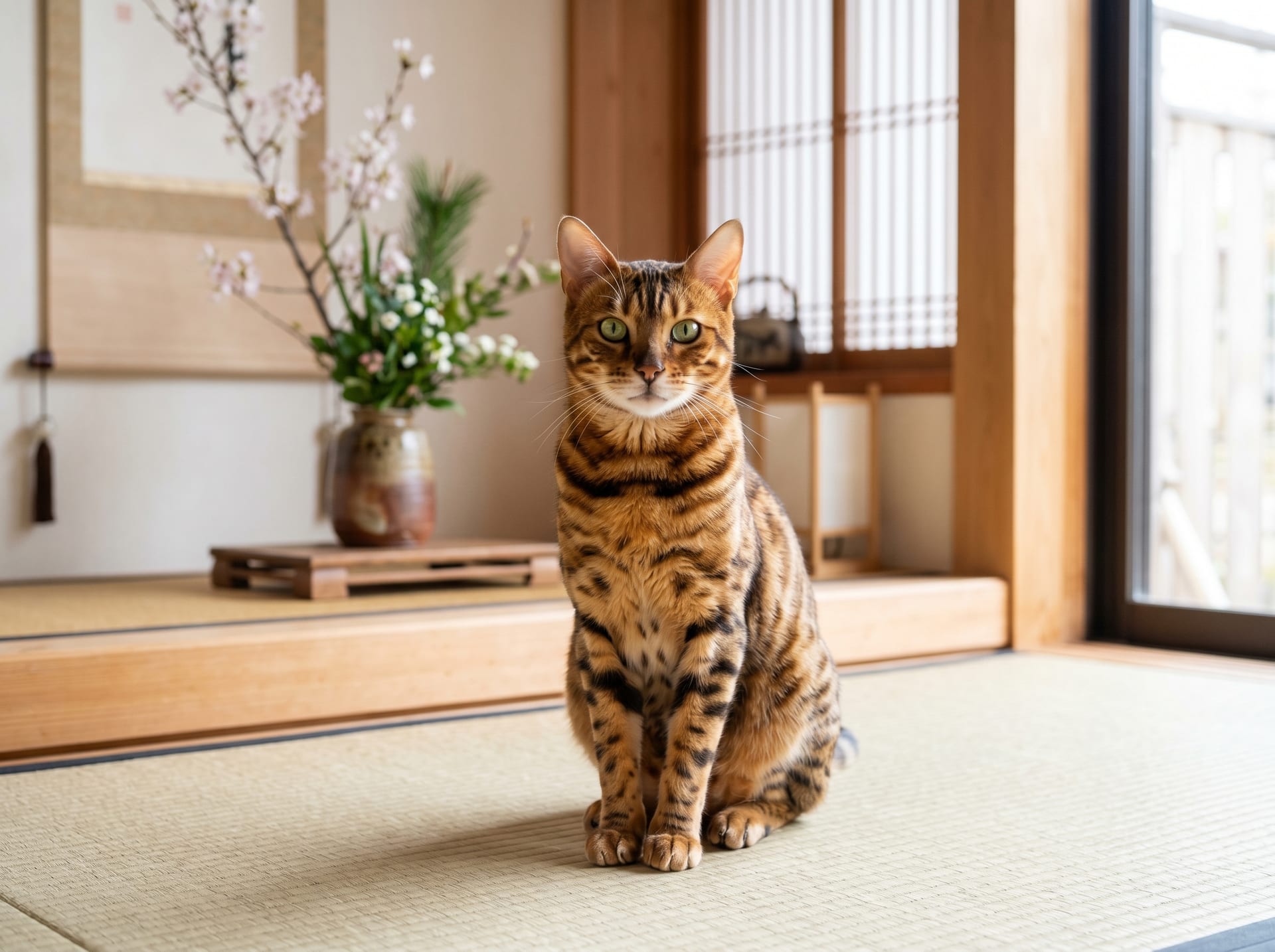
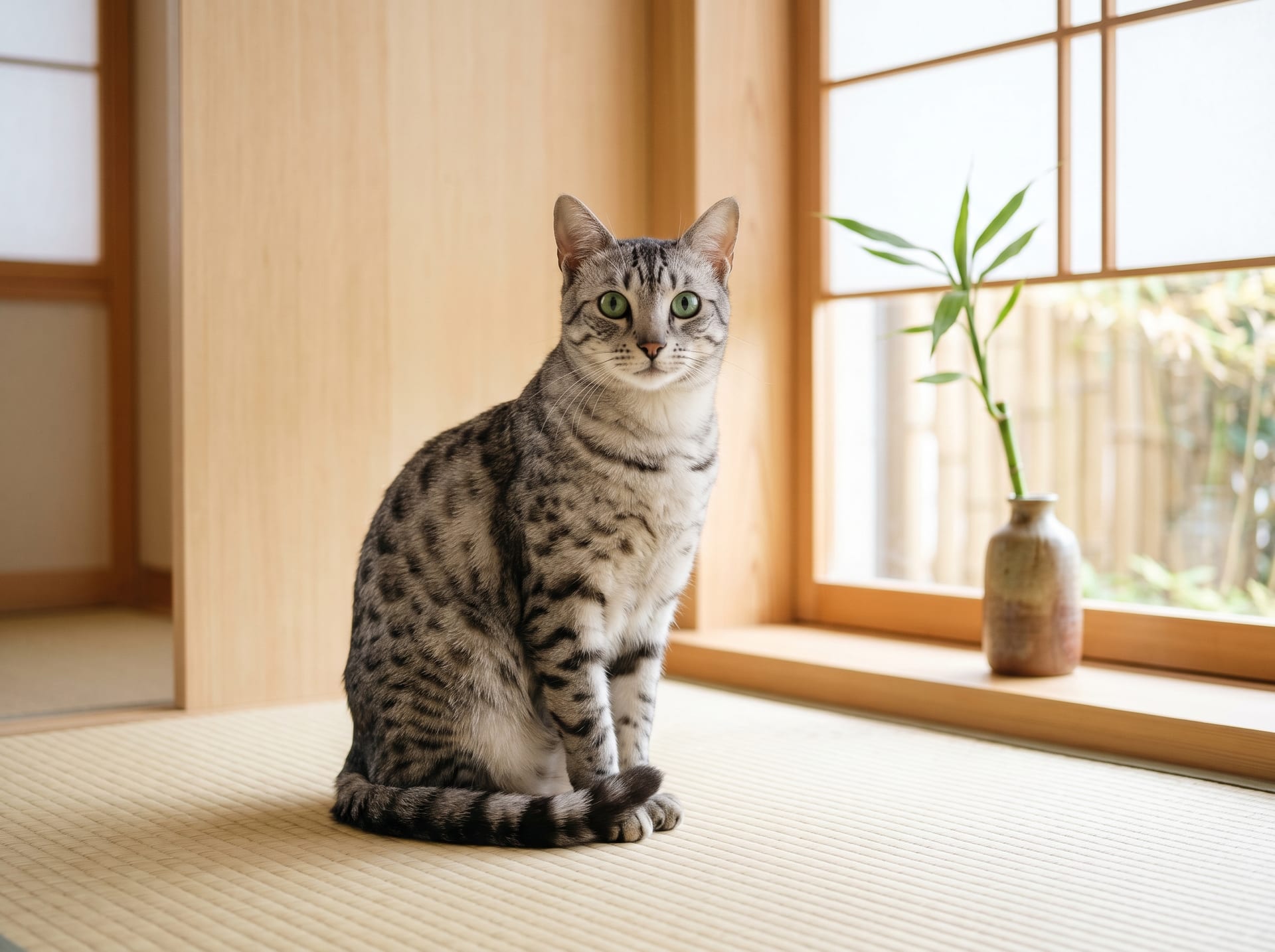
Egyptian Mau is a rare cat breed known for being the only naturally occurring spotted pattern among existing domestic cat breeds. "Mau" means "cat" in ancient Egyptian, and the breed has an appearance extremely similar to cats depicted in ancient Egyptian murals.
Originating in Egypt, the breed became known worldwide when Russian aristocrat Natalia Troubetskoy introduced them from Cairo to the West in the mid-20th century. Today, they are recognized by organizations such as the WFA (World Cat Federation) and CFA (The Cat Fanciers' Association), but they remain a rare breed with limited production numbers.
Appearance and Types
Spot Pattern Characteristics
The most distinctive feature of the Egyptian Mau is the naturally occurring random spots that appear on its coat. Unlike the patterns of Bengal cats created through selective breeding, these spots occur naturally due to genetics.
Spots appear on both sides of the body, with stripes running from the back to the tail. The forehead features a distinctive "M-shaped marking (scarab marking)," and the eyes are outlined with a distinctive eyeliner-like marking.
Main Colors
| Color | Characteristics |
|---|---|
| Silver | Most popular. Charcoal gray spots on a silver-white ground |
| Bronze | Warm tan ground with dark brown to black spots |
| Smoke | Black spots on white or gray ground. Rarest |
Eye color is green (jade green) as standard across all color variants. Kittens have amber-colored eyes, which change to green as they mature.
Temperament and Behavioral Traits
Speed and Athletic Ability
Egyptian Maus can run at speeds of up to approximately 48 km/h, making them among the fastest domestic cats. They have a fold of skin running from the hind legs to the abdomen (primordial pouch), which extends during running to create a longer stride.
This athletic ability means the living environment requires adequate space for exercise and play. Lack of exercise can lead to stress and behavioral problems.
Intelligence and Sensitivity
Egyptian Maus are highly intelligent with fast learning speeds, but they are sensitive to environmental changes, noise, and strangers.
- Become very attached to specific family members (tend to bond primarily with one person or specific individuals)
- Often wary and hide from strangers or unfamiliar visitors
- Can temporarily panic at loud noises, sudden movements, or unfamiliar scents
- Prolonged isolation causes psychological stress (1-2 cat households are recommended)
Vocalizations
They tend to communicate using a distinctive high-pitched chirping sound (also called trilling), likened to the buzz of a mosquito. Their demand calls are gentle, but they express their emotions through varied vocalizations.
Setting Up the Living Environment
Providing Vertical Space
Egyptian Maus love high places. Provide cat trees (180cm or taller recommended), wall shelves, and elevated shelf space to give them ample vertical space to move through.
Providing Hiding Spots
Since they are sensitive, multiple safe hiding spots are necessary.
- Cat houses, cardboard boxes, or a corner of a closet
- Place them within view of the owner (avoid complete isolation)
Exercise and Play
Provide active play sessions at least twice a day (chasing games, feather toys, etc.). Kittens and young cats (1-3 years old) may scratch furniture if they lack adequate exercise.
Motorized toys and interactive puzzle feeders are also effective.
Temperature Management
As a thin, short-haired breed, they feel cold easily at temperatures of 18°C or below. In particular, use cat heating pads or blankets during winter.
Feeding and Nutrition
No special dietary restrictions are necessary, but pay attention to the following:
- High-protein, low-carbohydrate cat food is appropriate for maintaining body condition
- Daily feeding amount for adult cats (body weight 3.5-5 kg): approximately 60-70g of dry food (refer to product recommendations)
- Few individuals are prone to obesity (due to the breed's activity level), but weight management is necessary after neutering or spaying due to reduced metabolism
- Provide fresh water at all times (many individuals prefer running water → cat water fountains are effective)
Health Management and Hereditary Conditions
Hypertrophic Cardiomyopathy (HCM)
Many cat breeds, including Egyptian Maus, are at risk. Annual cardiac ultrasound screening is recommended.
Feline Leukemia Virus (FeLV) Susceptibility
Some research suggests that Egyptian Maus may have higher FeLV susceptibility than other breeds. Restrict outdoor access and indoor-only living is recommended.
Urinary Stones and Kidney Issues
Rarely, some bloodlines have genetic kidney function issues. Check kidney function (BUN and creatinine) regularly through blood tests every 6 months to 1 year.
Regular Vaccinations and Parasite Prevention
Even for indoor-only cats, continue annual combination vaccination and regular flea and tick prevention.
Are Egyptian Maus "Difficult to Keep"?
While Egyptian Maus are often searched with the term "difficult to keep," they are more accurately described as "challenging in unsuitable environments but low-maintenance in appropriate ones". The reasons they are considered difficult are mainly four, each being a flip side of the traits already discussed.
- Strong wariness: They tend to hide from unfamiliar visitors, so in homes with frequent guests they may appear as "unfriendly" cats
- High sensitivity: They are sensitive to noise and environmental changes, and frequent moves or home renovations can cause stress
- High activity level: They require space to accommodate their near-fastest-among-domestic-cats athletic ability with plenty of vertical movement options
- Difficult to obtain: As a rare breed with few domestic breeders, obtaining an improperly socialized kitten can mean a longer period before they become comfortable with people
On the other hand, they are deeply attached to trusted family members, their demand calls are gentle, and as a short-haired breed, grooming is relatively low-maintenance. In a quiet home where extended periods alone are not routine, they can perfectly well be a first cat.
- Suitable for: People who spend long hours at home / quiet homes with infrequent guests / can provide exercise environments like cat towers
- Should carefully consider: Homes with frequent visitors or household noise / long periods alone are routine / frequent environmental changes
The majority of "difficulty" in keeping them comes down to whether you can bring home a properly socialized kitten. As discussed next, obtaining from a breeder where you can directly observe the kitten's socialization is the best way to mitigate risk.
Important Points When Choosing a Breeder
Egyptian Maus are a rare breed with few breeders in Japan.
- Verify pedigree documentation (TICA/CFA registration)
- Request disclosure of parent cat health certificates (HCM and ophthalmology exam results)
- Confirm that proper socialization has been done (since they are sensitive, unsocialized kittens become difficult to handle)
- For imported individuals, CITES documents may be required (not regulated under the Washington Convention, but import quarantine certification is necessary)
Summary
Egyptian Maus are cats with wild beauty and delicate sensitivity, retaining a strong connection to ancient bloodlines. With appropriate exercise space, secure hiding places, and family members who understand and appreciate their deep affection for specific people, they can build a fulfilling partnership over many years.
While information is limited because they are a rare breed, we hope you will carefully follow basic cat care principles and nurture the individual personality of this beautiful cat.