Abyssinian Cat Care Guide | Caring for an Active, Curious, and Athletic Cat | ブリちょく
Cats| ✍️ BreederDirect Editorial
Abyssinian Cat Care Guide | Caring for an Active, Curious, and Athletic Cat
A complete guide to Abyssinian cat care covering their energetic personality, ticked coat grooming, diet, hereditary health concerns, and enrichment needs.
Key Takeaways
A complete guide to Abyssinian cat care covering their energetic personality, ticked coat grooming, diet, hereditary health concerns, and enrichment needs.
What Kind of Cat is the Abyssinian?
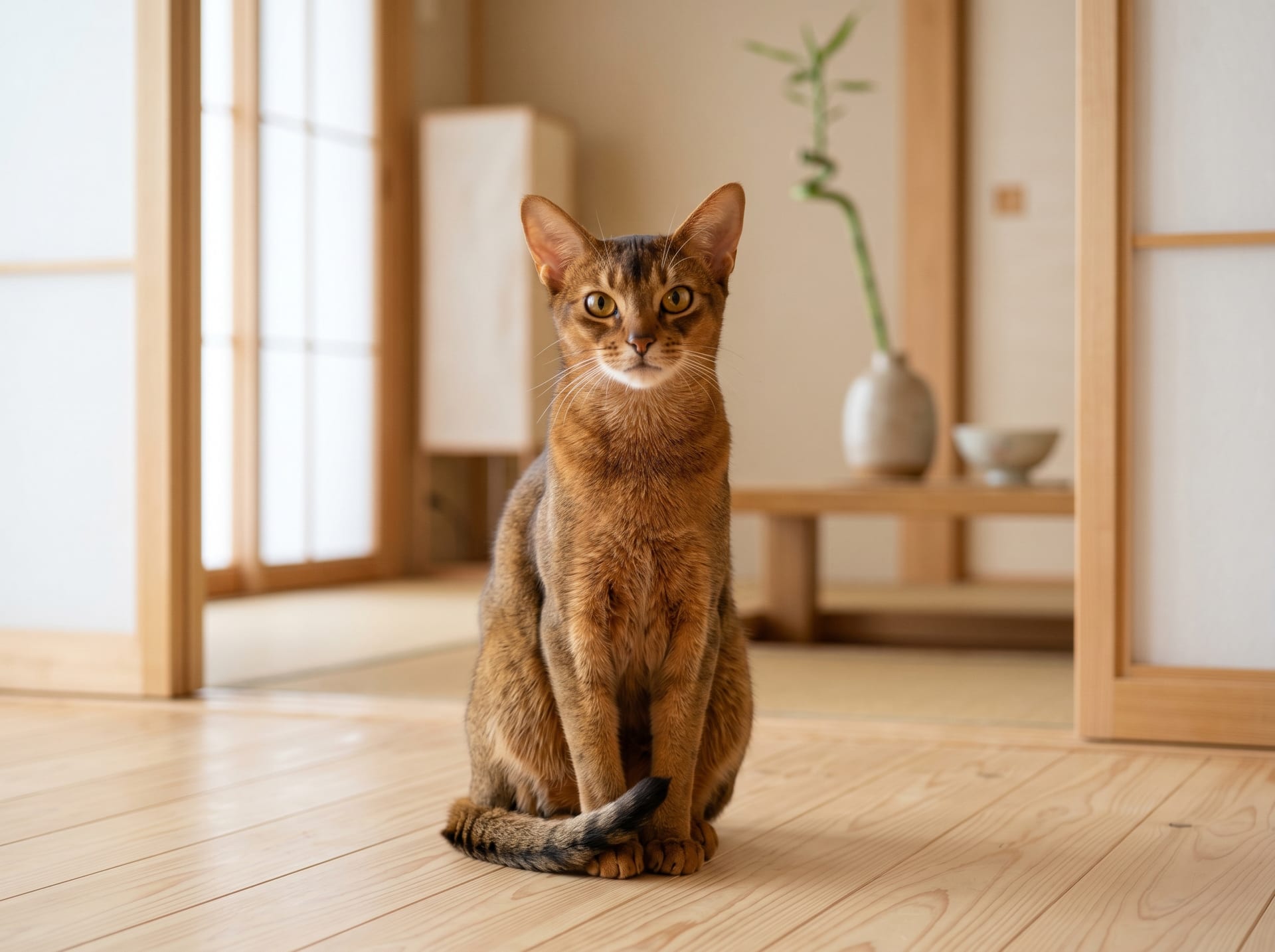
The Abyssinian is often called "one of the most elegant cats among cats," and is a medium-sized cat characterized by a lean, muscular body, large almond-shaped eyes, and distinctive ticking (a striped pattern where a single hair has multiple bands of color). While there are various theories about its origins, it is believed to have originated in northeastern Africa (present-day Ethiopia) and was brought to Britain in the 19th century, where the breed was established.
✍️
BreederDirect Editorial
The BreederDirect editorial team specializes in care information for animals, covering veterinary care and breeding to deliver beginner-friendly guides.
Find Cats on BreederDirect
Buy directly from verified breeders
Browse Related Listings
Find Cats listings related to this article on BreederDirect. Buy directly from verified breeders.
Males weigh 3.5–5 kg and females 2.5–3.5 kg, making them medium-sized with muscular and agile bodies relative to their size. Lifespan is typically 12–15 years, though with proper care, it is not uncommon for individuals to live 17–18 years.
Personality Traits
Abyssinians are extremely active and curious. They're called "dog-like cats" because while they're not the clingy, overly affectionate type, they constantly observe their owner's behavior and prefer being nearby. Stress from boredom or lack of stimulation can easily lead to behavioral problems, making environmental enrichment critically important for this breed.
Required Living Environment and Enrichment
Height and Space are Essential
Abyssinians love high places and have exceptional jumping ability. Providing access to cat trees (180 cm tall or higher recommended), wall-mounted cat walks, and high shelves satisfies their natural behavioral needs.
Install cat trees with 6 or more levels
Create three-dimensional pathways with wall-mounted cat walks and cat shelves
Provide window perches for observation (they enjoy bird watching)
Toys and Playtime
Abyssinians respond strongly to moving toys like feather wands, laser pointers, and interactive toys. Ideally, provide two focused play sessions daily, each lasting 10–15 minutes. Puzzle feeders and intelligence toys that stimulate their intellectual curiosity are also effective.
Multi-Cat Compatibility
Abyssinians are social and get along well with compatible cats or dogs in multi-cat households, playing together frequently. However, they may clash with possessive cats.
Diet and Nutrition Management
Abyssinians should be fed high-protein, low-carbohydrate food to maintain their muscular physique.
Age-Appropriate Food Selection: Use kitten (under 1 year), adult (1–7 years), and senior (7+ years) formulas appropriately
Protein Ratio: Choose foods where meat or fish appear first in the ingredient list
Wet Food Supplementation: Add 1–2 wet meals daily to increase water intake and prevent urinary disease
Weight Management: Though active, indoor-kept Abyssinians can gain weight easily. Aim for a Body Condition Score (BCS) of 3/5
Genetic Disorders Common in Abyssinians
Progressive Retinal Atrophy (PRA)
This hereditary retinal disease is commonly reported in Abyssinians and can lead to blindness if it progresses. DNA testing can identify carriers, so it's important to select individuals from breeders who have conducted genetic testing.
Kidney Amyloidosis
A condition where amyloid protein deposits in the kidneys, leading to kidney failure. Increase water intake and establish routine blood and urine testing for early detection.
Pyruvate Kinase Deficiency (PKDef)
A hereditary hemolytic anemia caused by deficiency of the enzyme pyruvate kinase in red blood cells. Symptoms include lethargy, pale gums, and exercise intolerance. DNA screening is available for prevention.
Establishing a habit of veterinary checkups 1–2 times yearly (including blood and urine tests) can lead to early detection of these conditions.
Coat Care and Grooming
Abyssinian fur is short and fine-textured single coat. Shedding is minimal, and weekly to bi-weekly brushing is sufficient.
Gently brush the entire body with natural-bristle or soft rubber brushes
Increase frequency during shedding seasons (spring and fall)
Check inside the ears monthly and wipe clean with specialized ear cleaner if needed
Trim nails 1–2 times monthly, gradually establishing the habit
Summary
The Abyssinian is a captivating breed that combines intelligence, activity, and beauty. The key to their care is providing adequate environmental height, abundant toys, and daily playtime to meet their exercise and curiosity needs. Manage genetic conditions through pre-purchase DNA testing and regular veterinary checkups to ensure your Abyssinian lives a long, healthy life. The bond built with your Abyssinian through their active daily life promises a rich and endlessly rewarding life with your cat.