Siberian Cat Care Guide | Characteristics, Personality, and Coat Care of Russia's Ancient Forest Cat
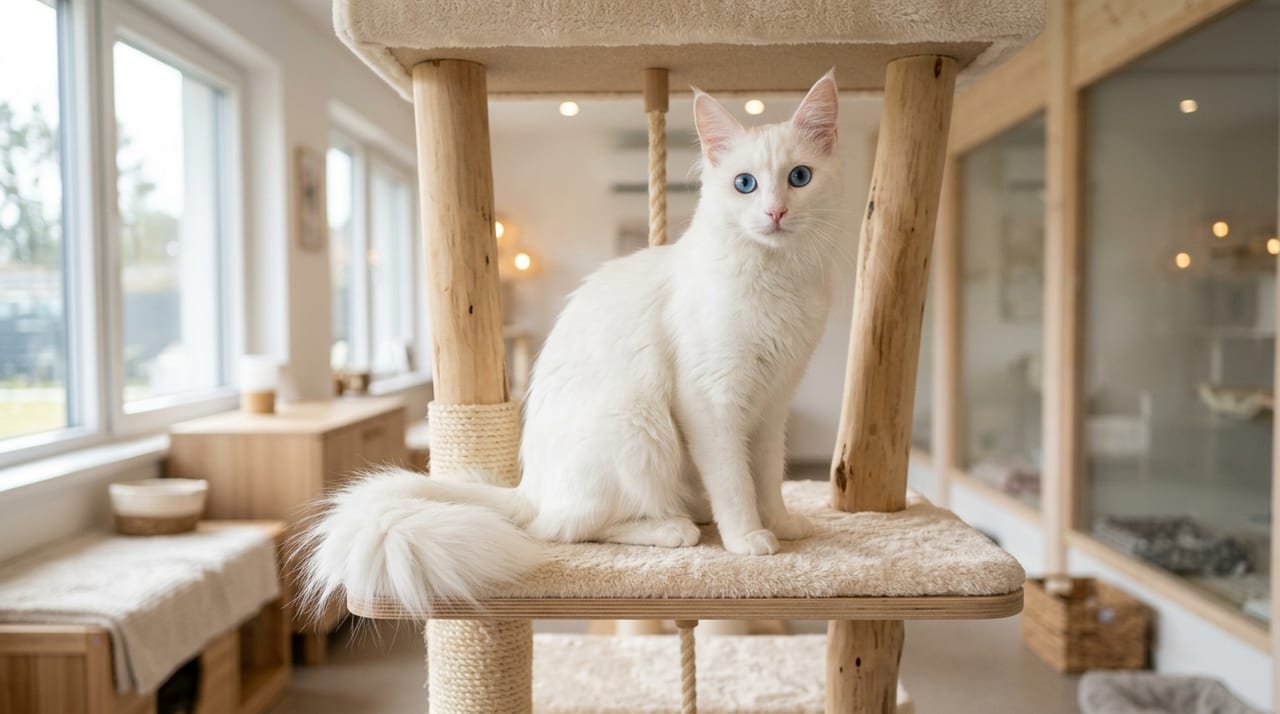
The Siberian (Siberian Forest Cat) is a large cat breed originating from Russia, characterized by its triple-layered rich coat and dog-like loyal personality. It is noted for having relatively low levels of allergen (Fel d 1) and has attracted attention from those with cat allergies. This guide covers breeding methods, diet, and health management in detail.
Key Takeaways
The Siberian (Siberian Forest Cat) is a large cat breed originating from Russia, characterized by its triple-layered rich coat and dog-like loyal personality. It is noted for having relatively low levels of allergen (Fel d 1) and has attracted attention from those with cat allergies. This guide covers breeding methods, diet, and health management in detail.
Related Species
What Kind of Cat is the Siberian (Siberian Forest Cat)?
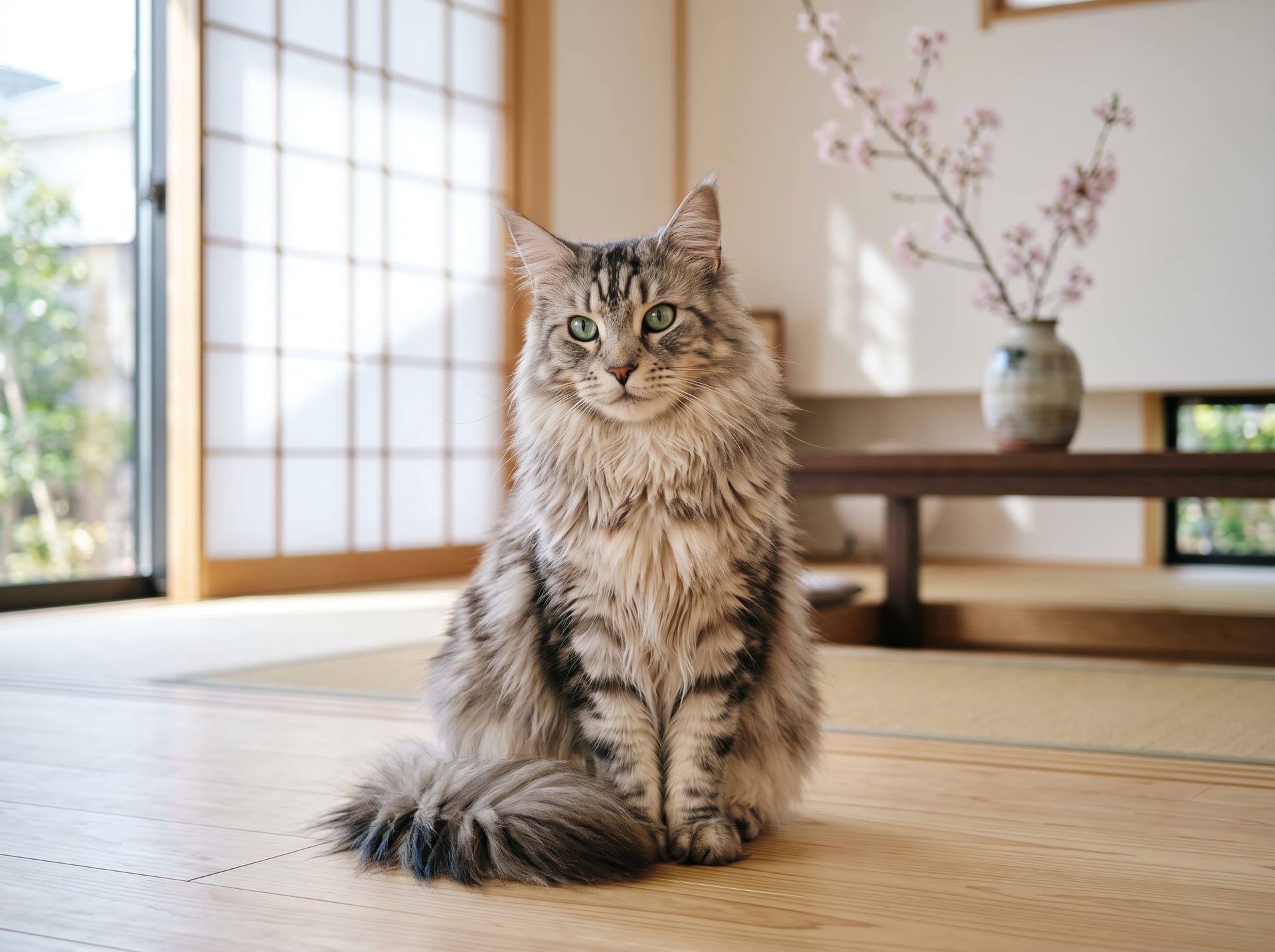
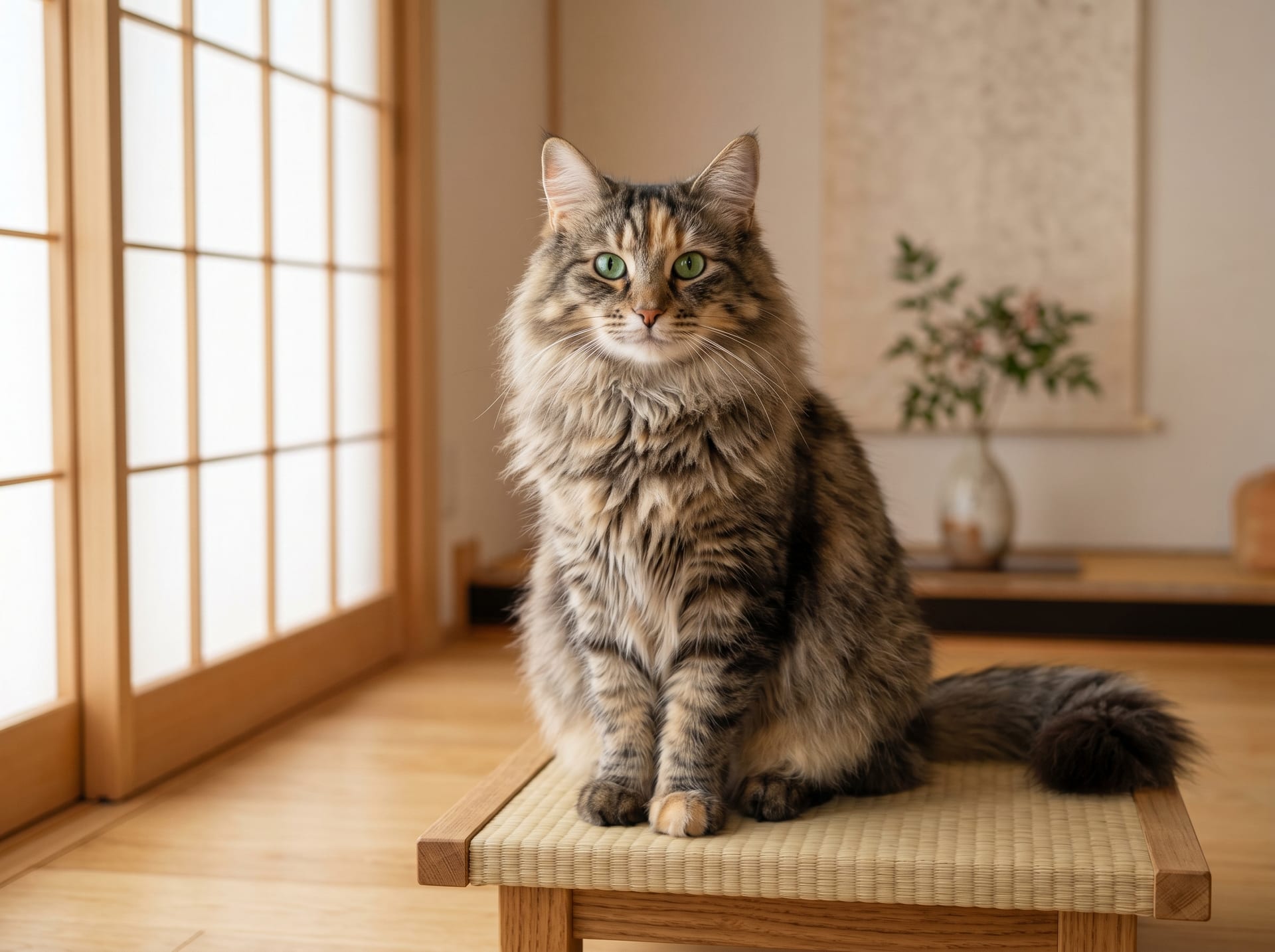
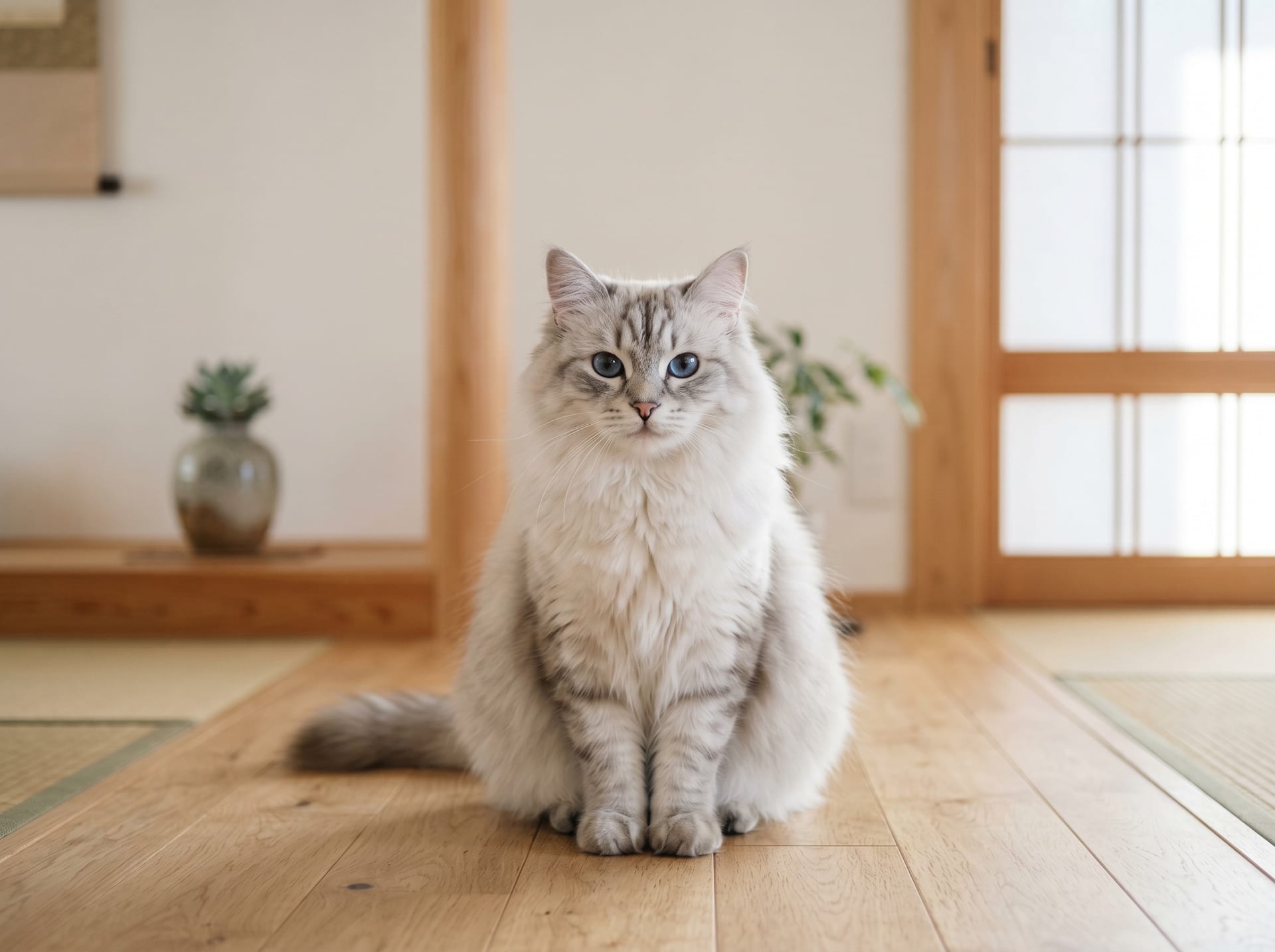
The Siberian (Felis catus "Siberian") is a large cat breed originating from the Siberia region of the Russian Federation and is one of Russia's oldest indigenous cats (landrace breed). The triple-layered rich coat that evolved to adapt to Siberia's harsh climate is its most distinctive feature, and it is sometimes classified in the "Northern Forest Cat" group alongside the Norwegian Forest Cat and Maine Coon.
Basic Information
| Item | Details |
|---|---|
| Origin | Russia (Siberia) |
| Body Type | Semi-cobby (Large & Muscular) |
| Weight | Male 5–9kg / Female 4–6kg |
| Body Length | Medium to Large |
| Lifespan | 12–18 years |
| Coat Type | Semi-long to Long (Triple Coat) |
| Coat Color | All colors and all patterns (including tabby and point) |
Cat Allergies and Siberians
Siberians are often introduced as a cat breed that produces low levels of Fel d 1 (major allergen protein). However, this is not an established fact. The evidence is limited to reports from a small number of cases, and a 2024 review states that "low-allergen cat breeds lack scientific basis." While it is true that people with cat allergies often report "milder reactions," the secretion levels of Fel d 1 vary greatly even within the same breed, and differences based on sex and neutering status are more definitive (uncastrated males produce the most). Since there are no completely non-allergenic cats, before bringing one home, always directly handle one and confirm your allergic reaction.
Personality and Characteristics
Siberians are often called "dog-like cats" and are characterized by their extremely strong attachment to their owners.
Main Personality Traits
| Trait | Details |
|---|---|
| Following the Owner | Follows you around the room / comes when called |
| Playful | Plays actively even as an adult cat (some especially enjoy water play) |
| Intelligence | Good at responding to puzzle toys and learning tricks |
| Gentleness | Generally calm, sociable, and easy to bond with other pets |
| Vocalization | Relatively quiet (expresses through chattering and unique trills) |
| Independence | Has some independence and is not overly clingy |
Compatibility with Children and Other Pets: They easily bond with all family members and, due to their calm nature, are well-suited to living with children and dogs.
Coat Care
The Siberian's coat is rich with a triple structure (undercoat, middle coat, and guard hair), but surprisingly, the hair doesn't tangle easily and is easier to maintain than other long-haired breeds.
Brushing
| Season | Frequency | Brush Type |
|---|---|---|
| Normal Period | 2–3 times per week | Slicker brush + comb |
| Shedding Season (Spring & Fall) | Daily | Undercoat rake comb + slicker brush |
Brushing Steps:
- Use an undercoat rake comb or flexible comb to gently untangle the hair from the roots
- Use a slicker brush to straighten the coat
- Finally, use a metal comb to check the entire coat
Shedding Season Note: Heavy shedding occurs in spring (April–June) and fall (October–November). During this period, daily brushing is important to reduce the amount of hair ingested and prevent hairballs.
Shampooing: Aim for once or twice per month. Many Siberians enjoy water and often don't resist baths. Use cat-specific shampoo and rinse thoroughly before drying completely.
Diet and Nutrition Management
Since Siberians are a large cat breed, providing adequate nutrition during the growth period is important for skeletal and muscular development.
Diet Management by Growth Stage
| Stage | Diet |
|---|---|
| Kitten Stage (up to 1 year) | High-protein, high-calorie kitten food. Watch for competition between multiple kittens |
| Adult Stage (1–7 years) | High-quality protein adult food (meat/fish as primary ingredients) |
| Senior Stage (7 years and older) | Low-phosphorus, high-moisture food considering kidney function |
Using Wet Food: Since Siberians can develop urinary tract diseases, we recommend combining wet and dry food to encourage water intake.
Weight Management: The normal range for adult males is 5–9kg, but obesity increases stress on joints and the heart. Regular weight checks and veterinary consultation are important.
Indoor Environment and Exercise & Play
Siberians are an active cat breed that requires sufficient play and environmental enrichment.
Creating an Indoor Environment
| Equipment | Purpose |
|---|---|
| Cat Tower (reaching to the ceiling) | Climbing, scratching, and exercise |
| Cat Walk | Move through the room in 3D |
| Window Perch and Shelf | Stimulation from observing outside (bird watching) |
| Scratching Post (vertical and horizontal) | Nail maintenance and stress relief |
Daily Playtime Guidelines:
- Kitten to 2 years: 15–20 minutes × 2–3 sessions (active play)
- Adult (2–7 years): 10–15 minutes × 2 sessions
- Senior (7 years and older): 5–10 minutes × 2 sessions (within comfortable limits)
Preferred Play Styles: Many Siberians will spontaneously fetch, and they respond very well to wand toys, balls, and feather toys.
Health Management and Diseases to Watch For
Hypertrophic Cardiomyopathy (HCM): A hereditary heart disease seen in many cat breeds, including Siberians. It is important to get your cat from a breeder who performs HCM genetic testing (MYBPC3 mutation testing) during breeding.
Polycystic Kidney Disease (PKD): A hereditary disease where cysts develop in the kidneys. It can be confirmed by ultrasound or genetic testing.
Urinary Tract Disease (FIC/FLUTD): Inadequate water intake and obesity increase risk. Prevention involves using wet food and ensuring access to fresh water.
Vaccinations and Regular Checkups: Annual 3-in-1 vaccine + annual health examination (blood and urine tests) are basic. Semi-annual checkups are recommended for senior cats.
How to Adopt a Siberian
If Adopting from a Breeder:
- Confirm genetic testing results (HCM and PKD) for parent cats
- Confirm the kitten has adequate human contact during the socialization period (2–12 weeks)
- Choose a reputable breeder from Russia or Europe
Price Range: Approximately 150,000–300,000 yen (varies significantly by color, pedigree, and breeder)
From Shelters and Rescue Organizations: While adoption of rescued Siberians is possible overseas, encounters at shelters within Japan are rare.
Summary: The Warmth that Russia's Forest Cat Brings
Siberians are a unique cat breed that enjoys exercise despite their large size and has deep affection for their owners. Their rich coat and dog-like loyalty bring special warmth to daily indoor living.
Because of their relatively low allergen levels, many people who had given up on cat ownership have been able to realize their dream. With sufficient environmental enrichment and regular coat care, you can share a long and fulfilling life with this "forest cat."