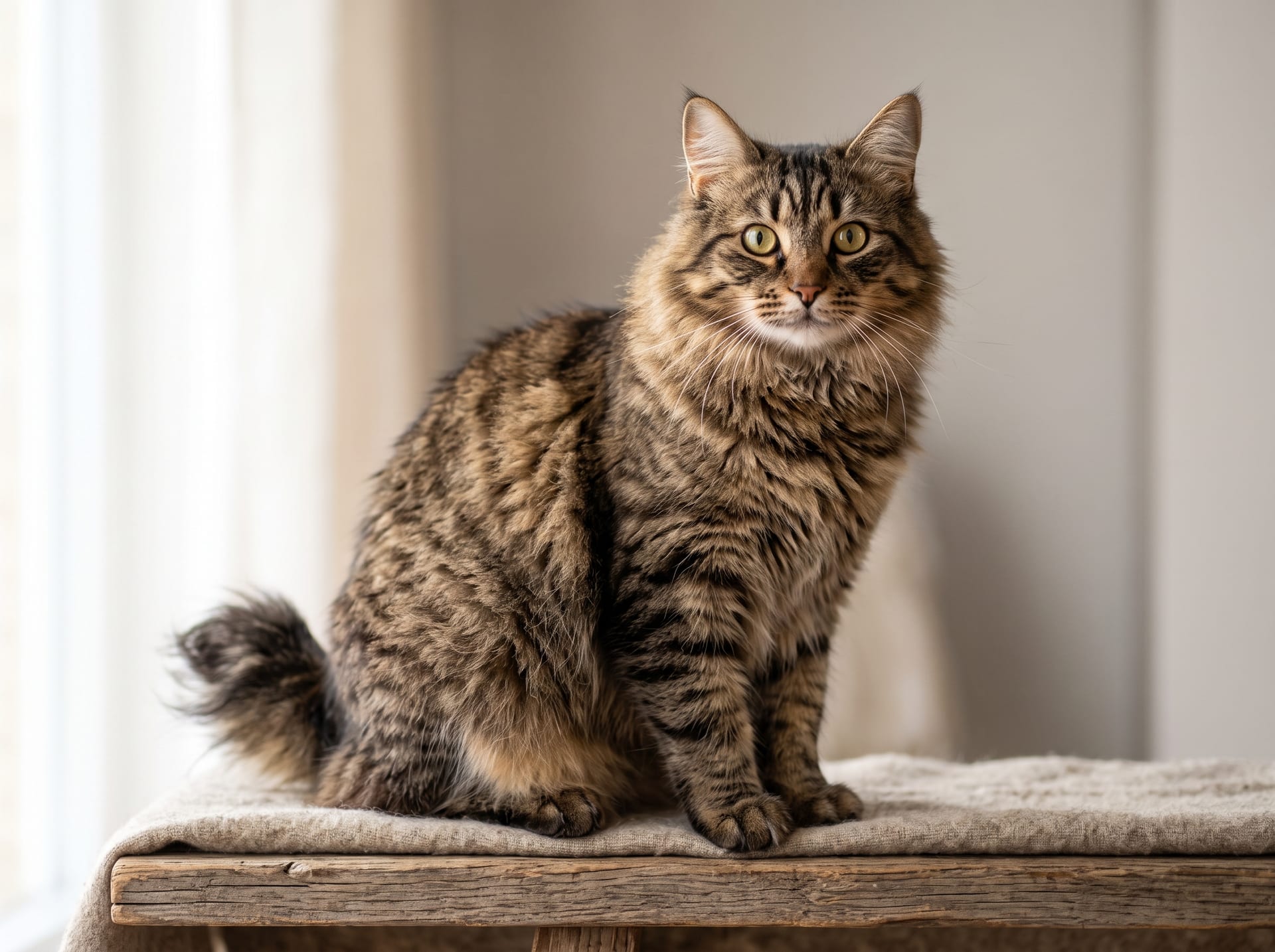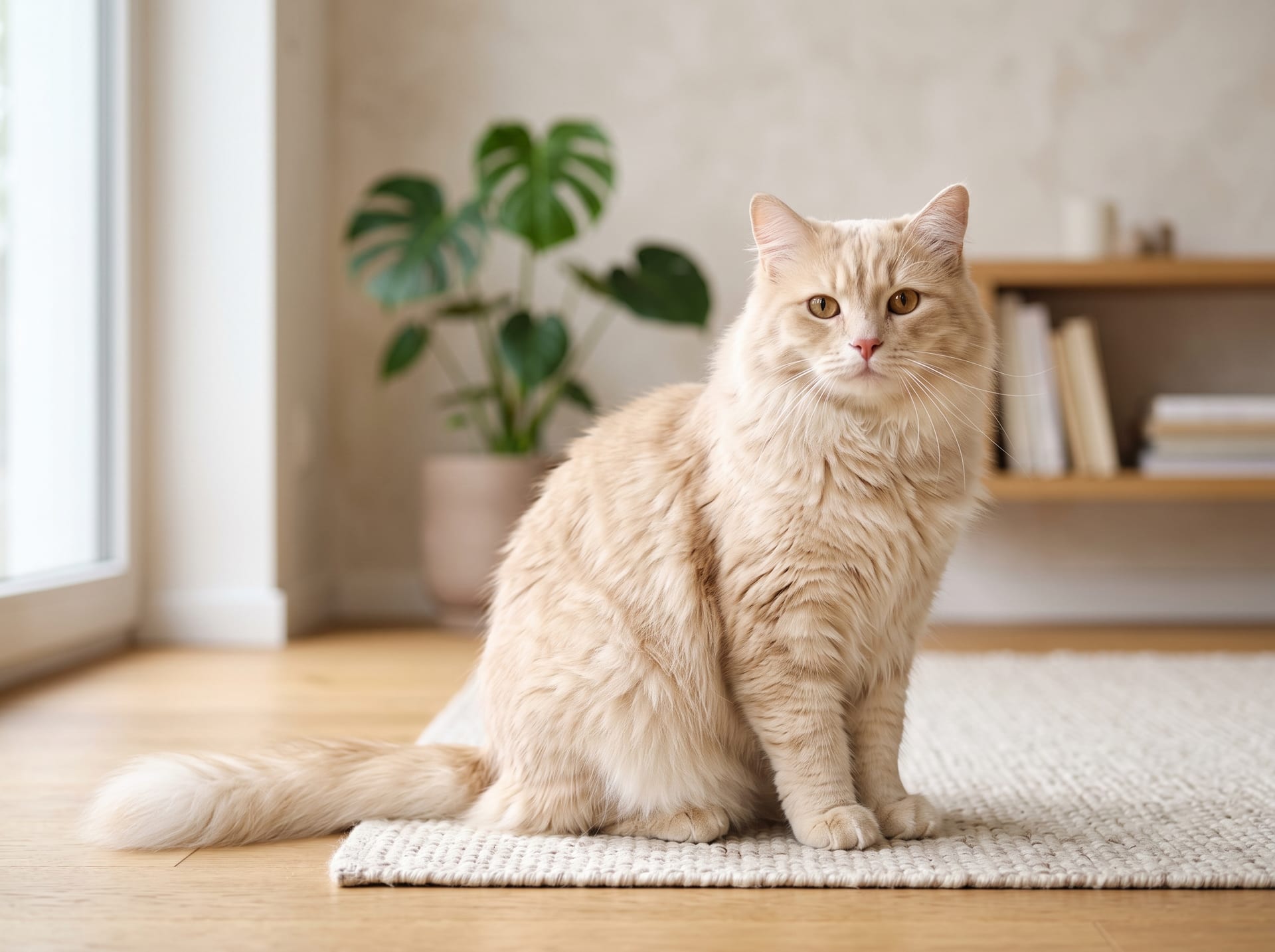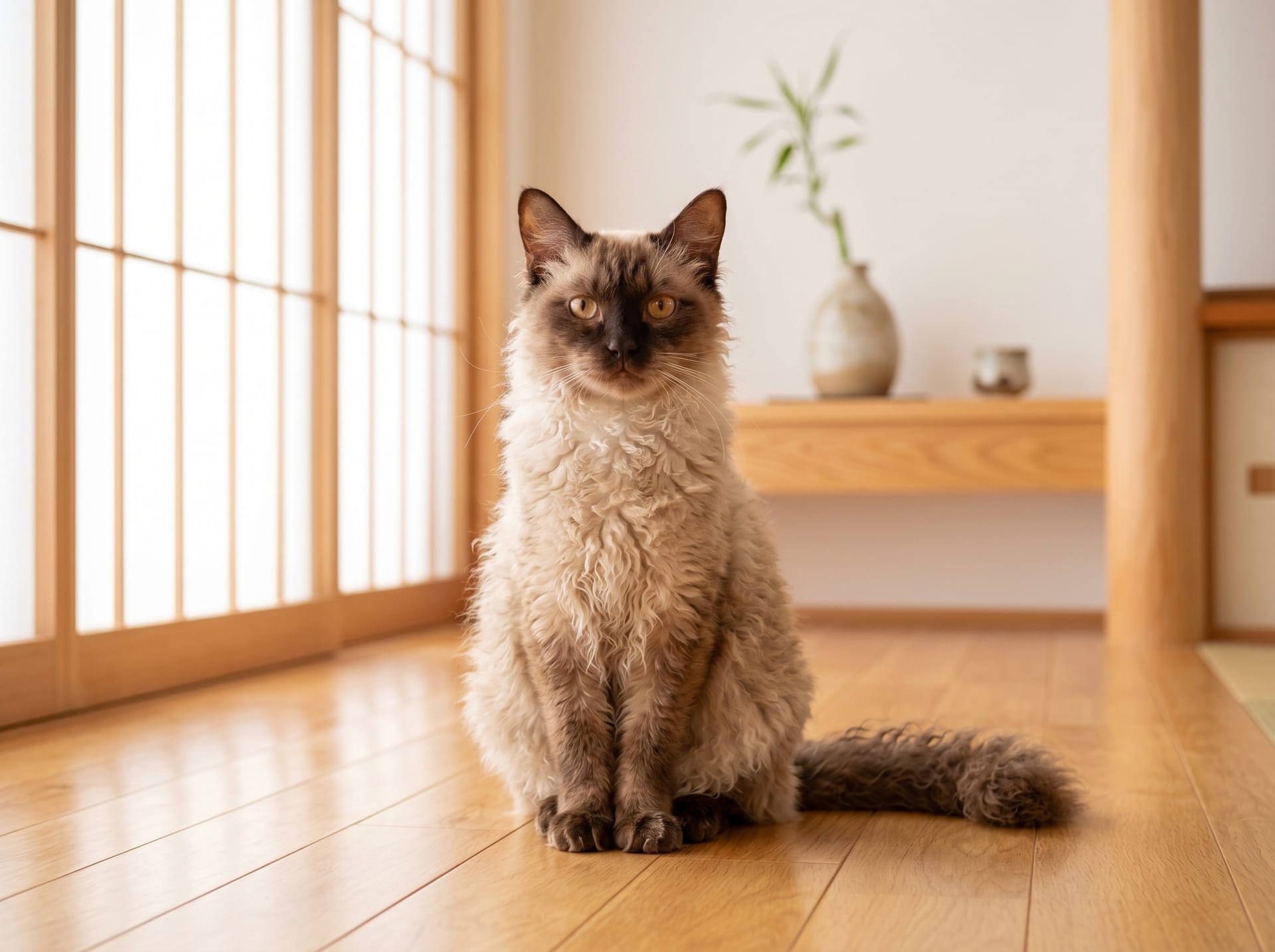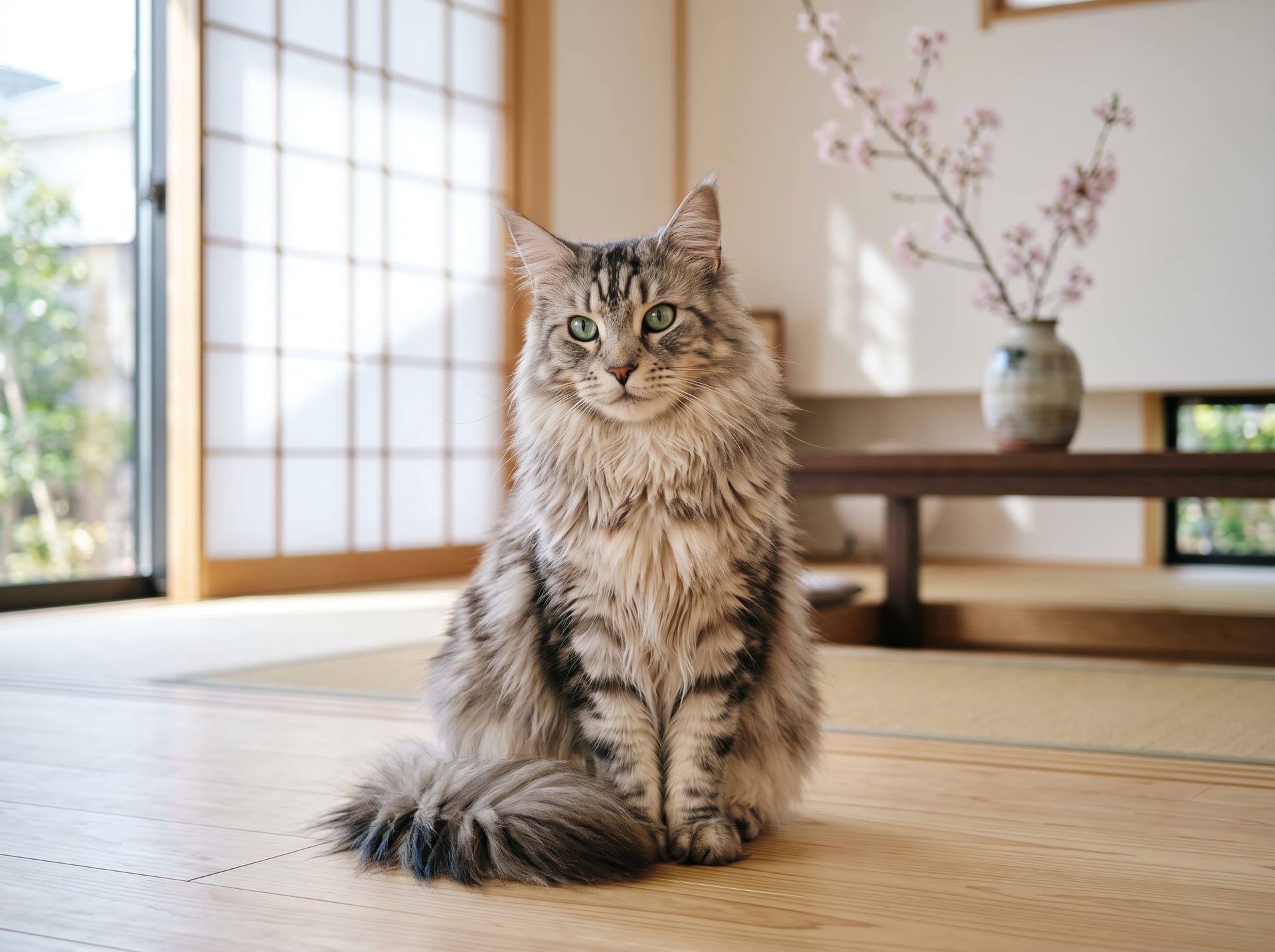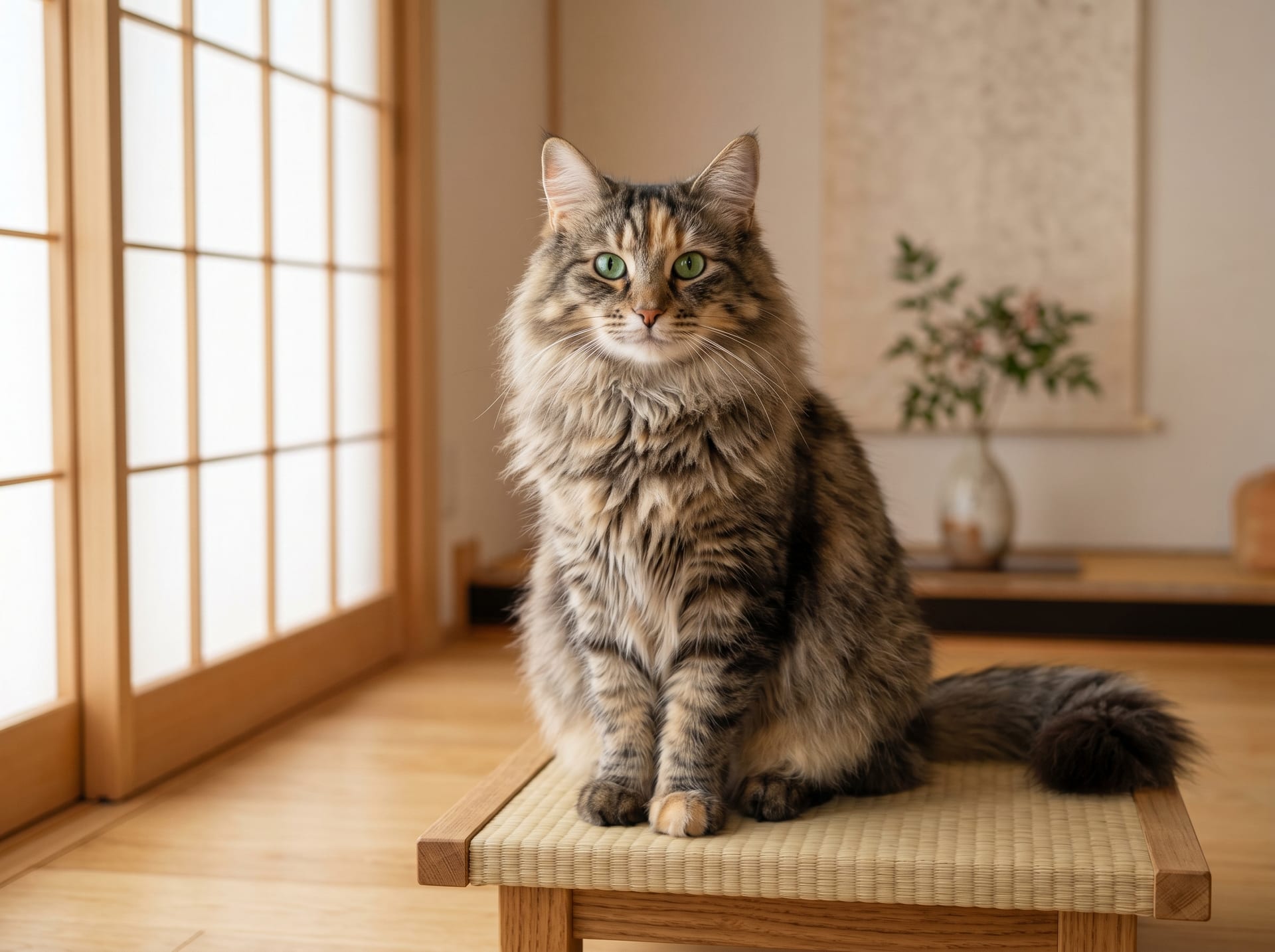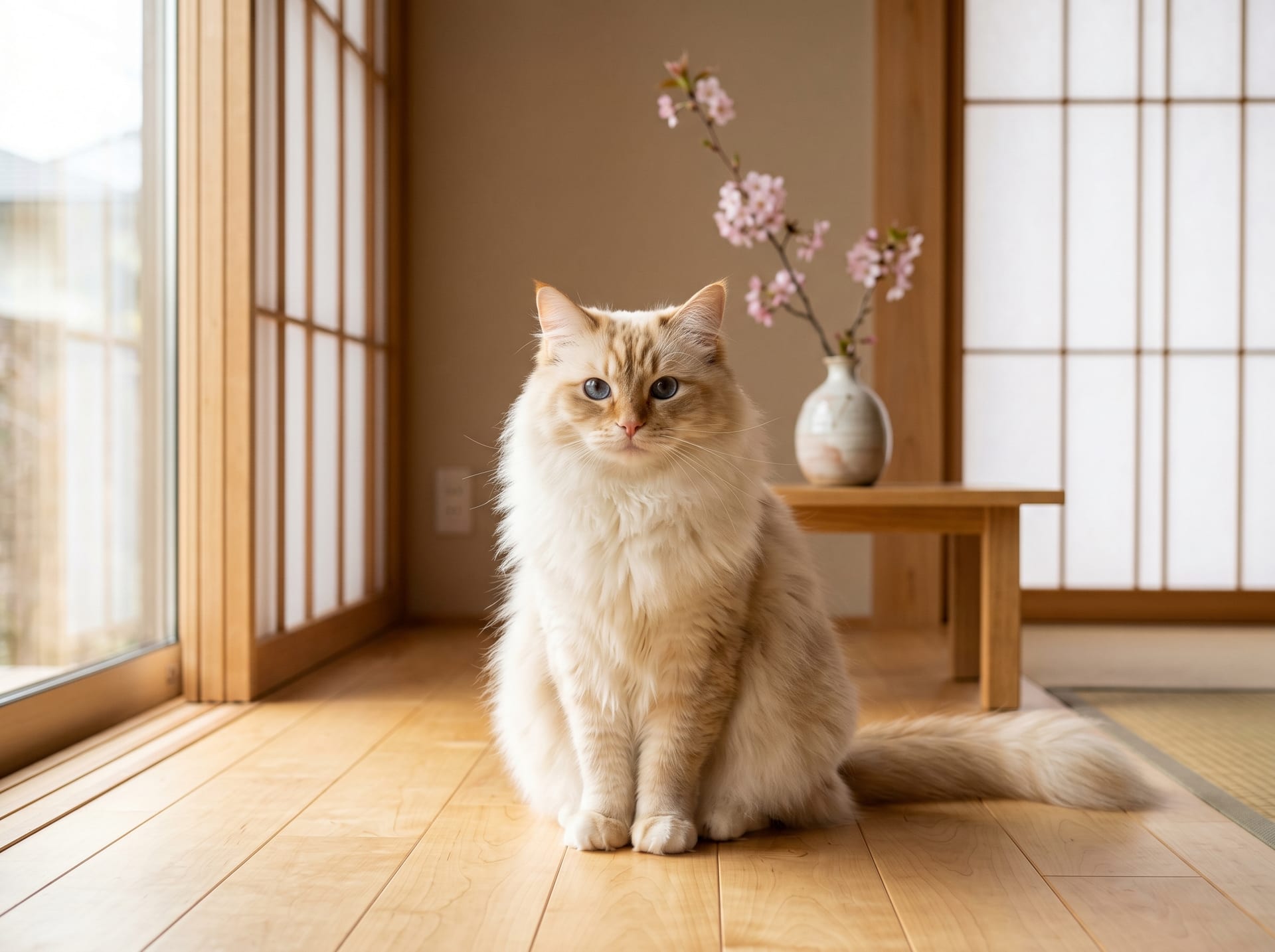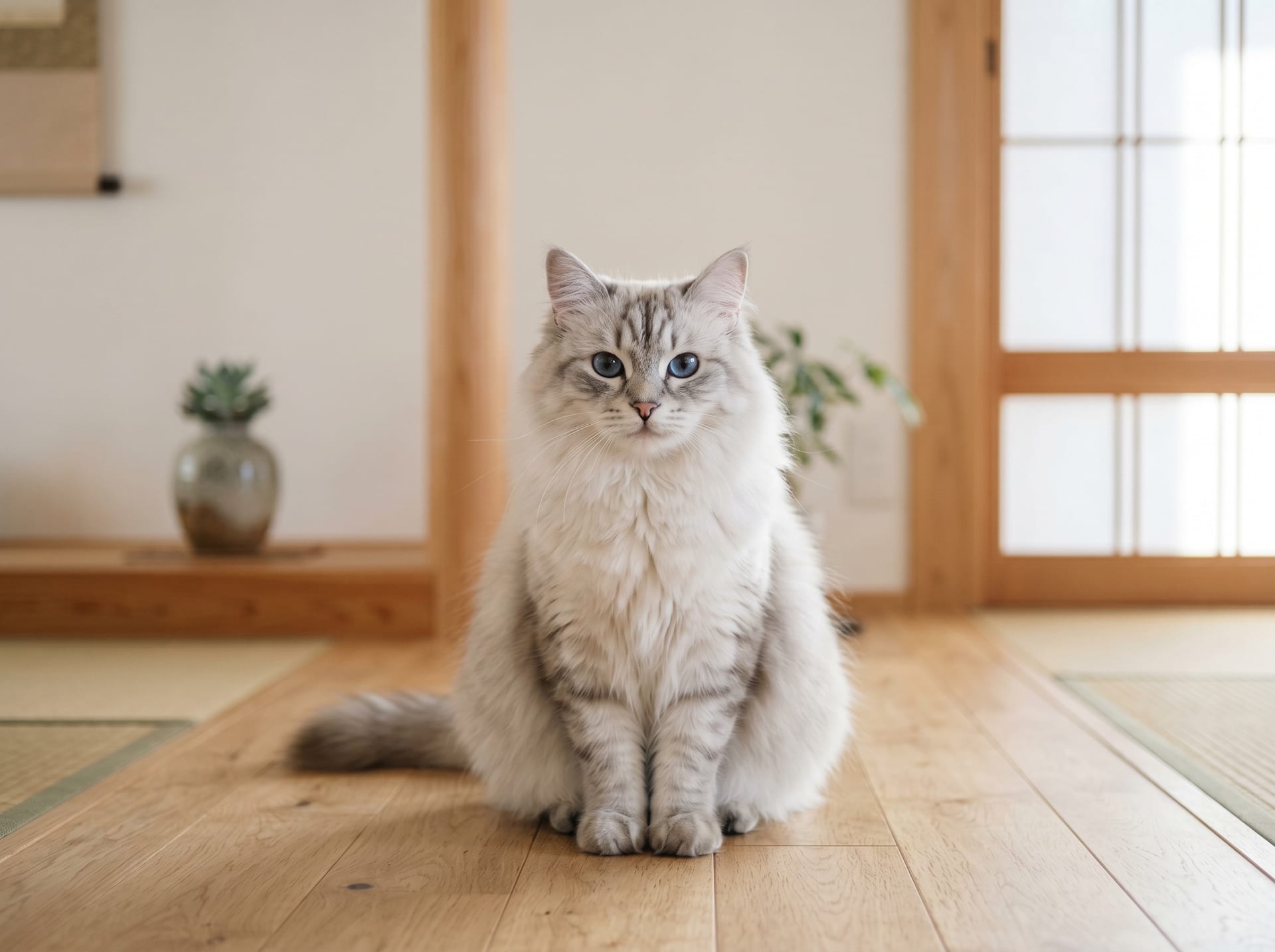
AI-generated image
Siberian
BeginnerRussian large breed with triple-layered coat. Produces less Fel d 1 allergen. Calm and loyal.
Difficulty
Beginner
Temperature
18〜28℃
Lifespan
11-18 years
Size
Weight 4-9kg
Diet
High-quality large-breed cat food.
About
The Siberian is a naturally occurring landrace breed of domestic cat from Russia, with a documented history spanning several centuries. It is the national cat of Russia and features prominently in Russian folklore. The Siberian is a large, semi-longhaired cat with a triple-layered, water-resistant coat adapted to the harsh Siberian climate. It is notable for reportedly producing lower levels of the Fel d 1 allergen compared to most other breeds, making it potentially more suitable for people with mild cat allergies. Siberians are calm, loyal, and dog-like in their attachment to their families.
Lifespan of the Siberian
The Siberian lives 11-18 years.
Size of the Siberian
The Siberian grows to Weight 4-9kg.
Basic Info
Origin
Russia (Siberia)
Lifespan
11-18 years
Size
Weight 4-9kg
Temperature
18〜28℃
Diet
High-quality large-breed cat food.
Care Guide
Captive Breeding
Live-bearing
- Gestation
- 63〜67 days
- Litter size
- 3〜6
- Weaning
- 6〜8 wk
- Sexual maturity
- 6〜10 mo
Breeding season: Year-round (estrus more frequent during longer daylight)
Breeding notes
Queens reach sexual maturity at around six months and cycle repeatedly; early spaying is recommended unless breeding is planned. First-time queens tend to have smaller litters.
Breeding requires planning, proper husbandry, and responsibility. These figures are general guidelines.
Sources: International Cat Care - Cat pregnancy / MSD Vet Manual - Breeding & Reproduction of Cats / zooplus - Siberian cat breed
References & Sources
Edited & verified by: BreederDirect editorial team
The taxonomic, regulatory, and husbandry data on this page are compiled and verified against the authoritative primary sources below.
Taxonomy & Authority
Accepted name: Linnaeus, 1758
Synonyms: Felis silvestris catus
Authority databases: GBIF · GBIF: Felis catus · TICA breed profiles · CFA breed profiles
Nomenclature follows global taxonomic authority databases.
Siberian Listings
Loading latest listingsFind listings for this species