Complete Guide to Raising Siberian Huskies | Escape Prevention, Shedding Season Management, Training Tips
A comprehensive guide to raising Siberian Huskies. Detailed explanations for beginners covering escape prevention (fencing essential), coat care during shedding season (twice yearly), why trimming is prohibited, common health issues like zinc deficiency and eye diseases, and positive reinforcement training methods.
Key Takeaways
A comprehensive guide to raising Siberian Huskies. Detailed explanations for beginners covering escape prevention (fencing essential), coat care during shedding season (twice yearly), why trimming is prohibited, common health issues like zinc deficiency and eye diseases, and positive reinforcement training methods.
Related Species
What Kind of Dog is a Siberian Husky?
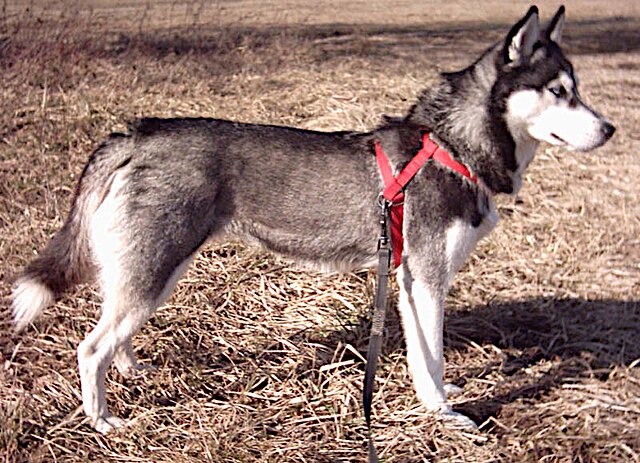
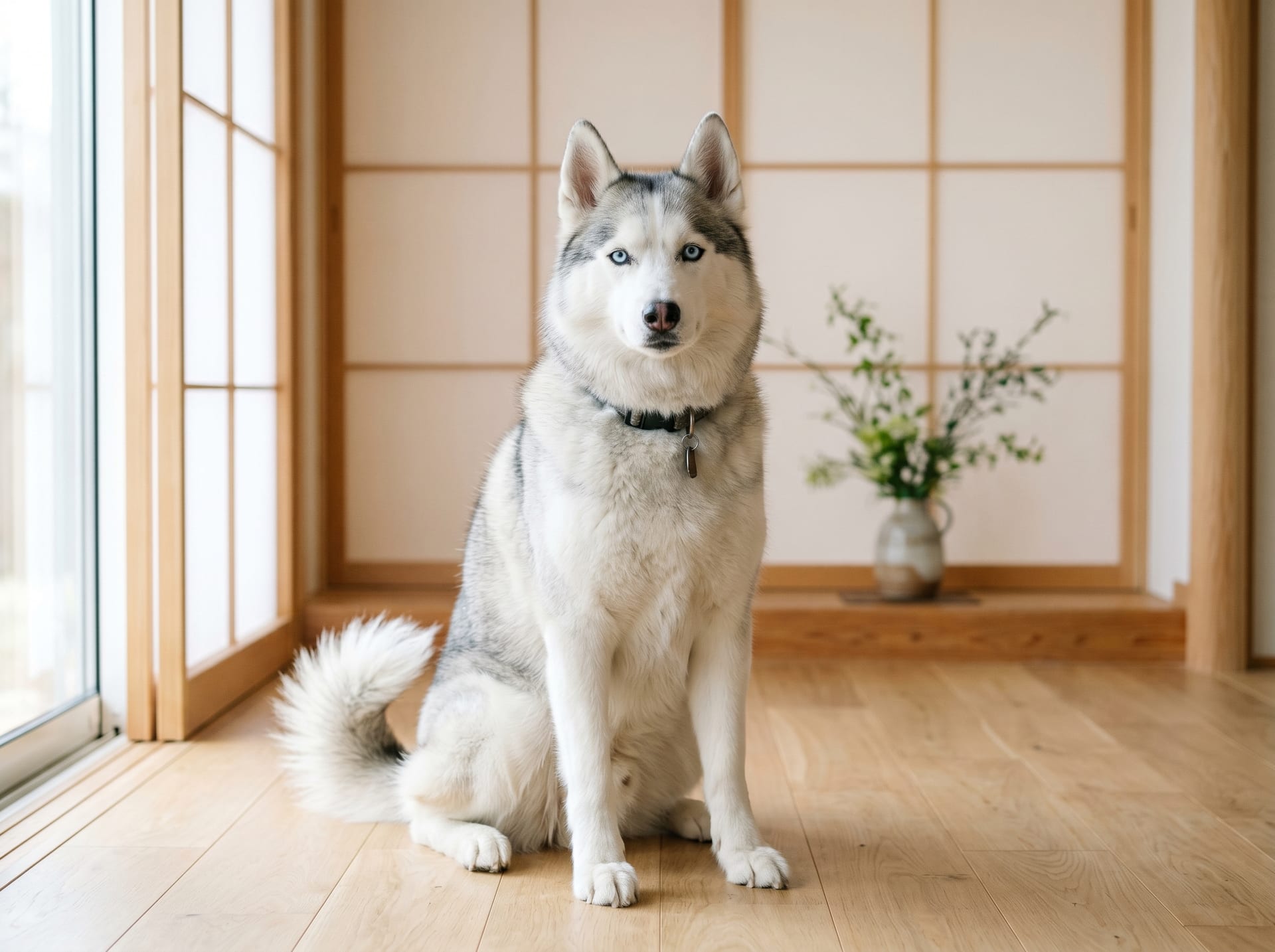
The Siberian Husky is a working dog bred by the Chukchi people in the extreme cold regions of Siberia, Russia, over thousands of years as a sled dog. They are characterized by their strong pulling power, exceptional endurance, beautiful wolf-like appearance, and distinctive howl sometimes described as "arooooo," and today they are beloved as popular pets worldwide.
Basic Specifications
- Weight: 16–27 kg
- Height: 50–60 cm
- Coat: Fluffy medium-long double coat (two-layered structure)
- Eye color: Blue, brown, or bi-colored (odd eyes)
- Lifespan: 12–15 years
Siberian Husky Temperament
- Friendly and sociable; cordial with strangers and other animals (not suited as guard dogs)
- Independent-minded with a stubborn streak
- Highly curious and adventurous; loves freedom
- Extremely high energy (retains sled dog instincts)
- Dislikes being alone and prone to separation anxiety
Challenges in Raising a Siberian Husky
While Huskies are popular for their beautiful appearance, they are known to be extremely challenging for beginners. Confirming a realistic lifestyle before purchase is essential.
Escape Tendency and Need for Freedom
Huskies inherently love to run continuously. They are extremely prone to escape behaviors such as jumping over fences, digging under them, or slipping through gate gaps, requiring tall (180 cm or higher) secure fencing. Off-leash walks are absolutely out of the question; always use a long lead even in parks.
Heavy Shedding and Coat Blowing Season
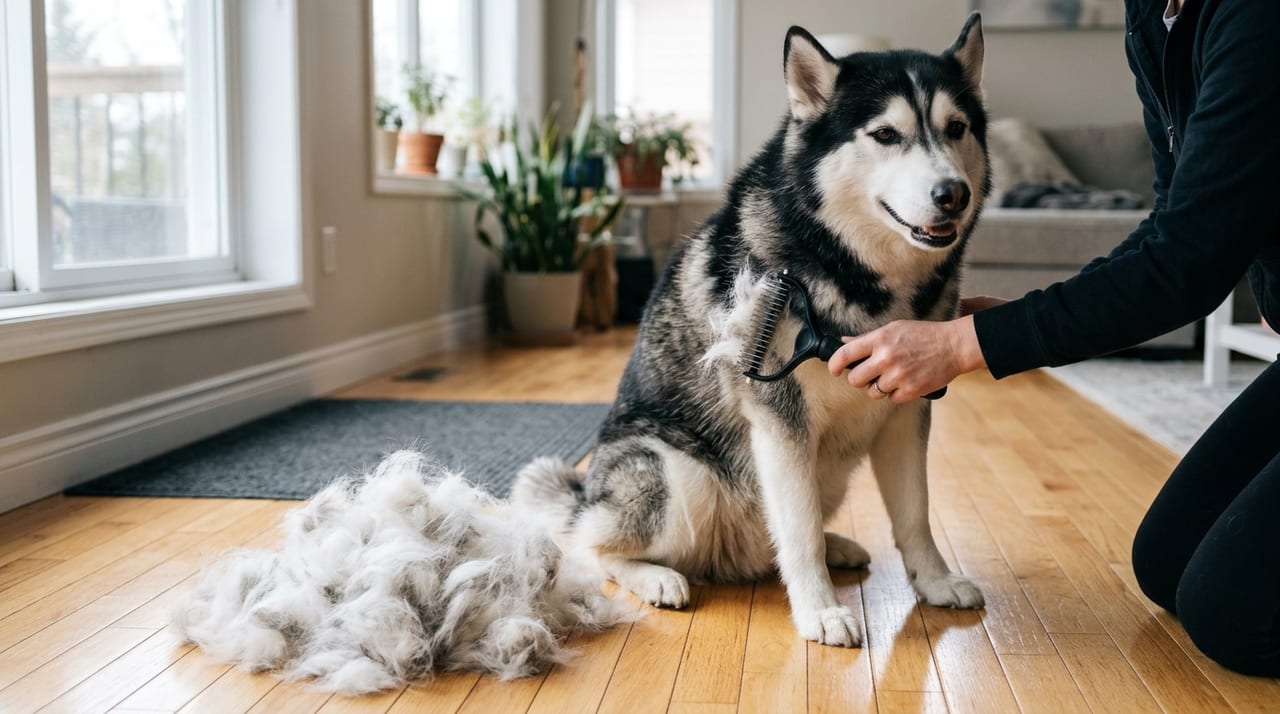
During shedding season (spring and fall, twice yearly), an unbelievable amount of hair is shed. Daily brushing is essential during this period, with fur flying throughout the house. Undercoat-specific rakes and slicker brushes are a must.
Howling and Distinctive Vocalizations
Huskies produce distinctive howls described as "woo" or "arooo." Their barking is also loud, necessitating consideration for neighbors. They are unsuitable for apartment living.
High Exercise Requirements
Adult Huskies require at least 2 hours of exercise daily. Walks alone are far insufficient; free play in dog parks, canicross (running with dogs), and bikejoring (biking with dogs) are recommended activities.
Diet Management
Appropriate Calorie Management
While Huskies require high-quality food due to their high activity levels, surprisingly they are known to be picky eaters compared to other large breeds. Appetite may decrease further on days with less exercise. Weight management tends to lean toward keeping them slightly lean rather than overweight.
Daily Feeding Guidelines (Adult, Moderate Activity)
- For a 20 kg dog: 250–350 g of high-quality dry food (divided into 2 meals daily)
Watch for Zinc Deficiency (Zinc-Responsive Dermatosis)
Huskies genetically tend to have poor zinc absorption. "Zinc-responsive dermatosis," which presents as scabby skin lesions around the nose, eyes, and paws, is managed with zinc-supplemented food or, in some cases, zinc supplements under veterinary guidance.
Common Health Issues
Eye Diseases
- Cataracts: Strongly hereditary; can occur even in young dogs under 10 years old
- Progressive Retinal Atrophy (PRA): A genetic condition where the retina gradually atrophies, leading to blindness. Confirming genetic test results from the breeder is important
- Corneal Dystrophy: A hereditary eye disease specific to Huskies
Hip Dysplasia
A joint disease common in large breeds. Due to strong genetic factors, confirm the parents' hip evaluations (OFA, etc.) from the breeder.
Skin Diseases
In addition to the aforementioned zinc-responsive dermatosis, allergic dermatitis is also seen.
Coat Care
Regular Brushing
- Normal season: Brushing 2–3 times per week
- Shedding season: Daily brushing (undercoat rake essential)
Never trim a Siberian Husky under any circumstances. Shaving their double coat impairs thermoregulation and risks "post-clipping alopecia," where the coat fails to regrow normally.
Shampooing
Once a month is sufficient. Since double coats dry slowly inside, thorough blow-drying after shampooing is critical. Leaving it damp can cause skin disease.
Training Tips
While Huskies are intelligent, they are independent-minded and tend to "choose what they do themselves."
- Only positive reinforcement (praise + rewards) is effective: Punishment-based training has no effect and damages the relationship
- Consistency and patience: They don't learn in one session and often don't follow commands even after learning them
- Early puppy socialization is critical: Expose them to people, other dogs, sounds, and various environments
- Intensive recall (come) training: Your lifeline if they escape
Points When Bringing Home a Husky from a Breeder
- Confirm genetic test results (eye diseases, PRA, hip dysplasia)
- Verify the parents' temperament (friendliness, calmness)
- Choose a pup at least 8 weeks old that has been adequately socialized with parents and siblings
Siberian Huskies are a breed many people say "I'd like to own someday" because of their beauty and energetic personality, but without commitment to exercise, management, and shedding, the results can be unfortunate. Please do thorough research beforehand and confirm compatibility with your lifestyle before bringing one home.