Complete Guide to Papillon Care | Personality, Training, and Health Management of Smart Small Dogs with Butterfly-Like Ears
Complete explanation of Papillon characteristics, personality, training, and health management. Papillons, characterized by butterfly-like large ears, are intelligent and active small dogs. We provide detailed information from coat care and exercise requirements to common health issues and proper dietary management.
Key Takeaways
Complete explanation of Papillon characteristics, personality, training, and health management. Papillons, characterized by butterfly-like large ears, are intelligent and active small dogs. We provide detailed information from coat care and exercise requirements to common health issues and proper dietary management.
Related Species
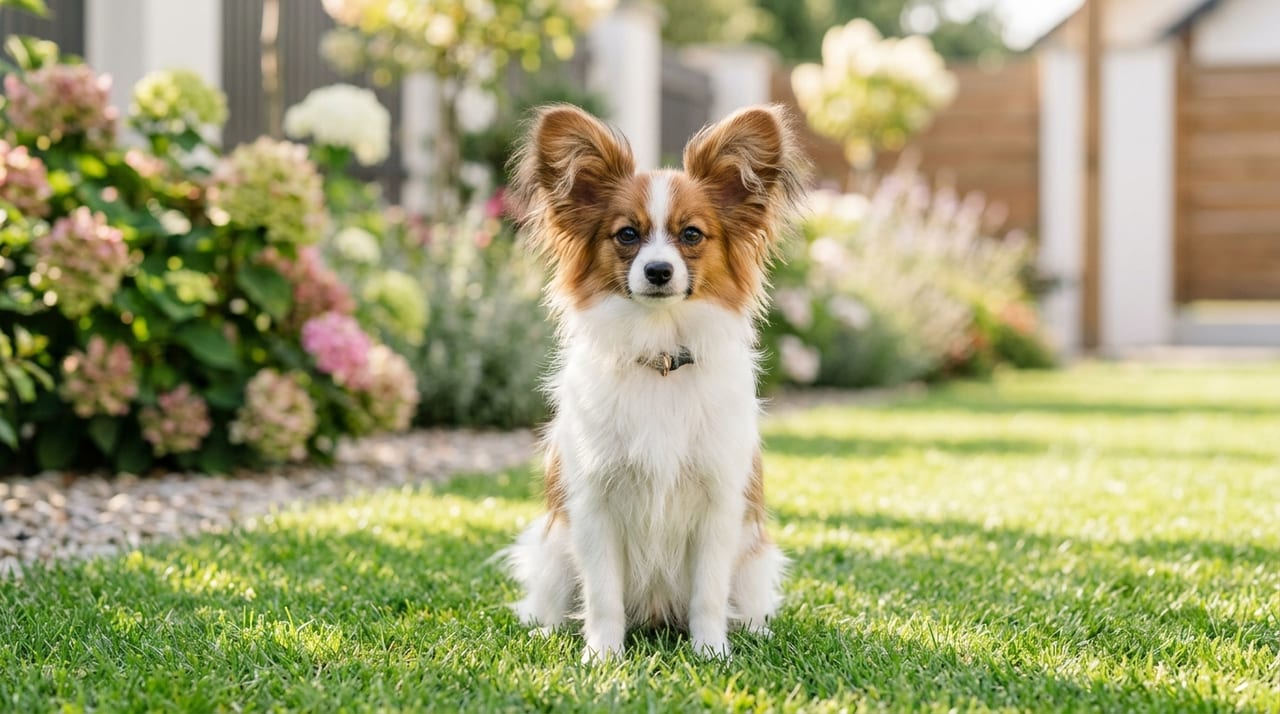
The "Papillon" (Papillon), which means "butterfly" in French, got its name from its large, spreading ears that resemble butterfly wings. Despite their small size, Papillons are intelligent, active, and highly trainable dogs, with an impressive track record in dog sports competitions around the world. With both striking appearance and intelligence, Papillons make exceptionally rewarding companions when given proper care.
Papillon's Basic Characteristics and History
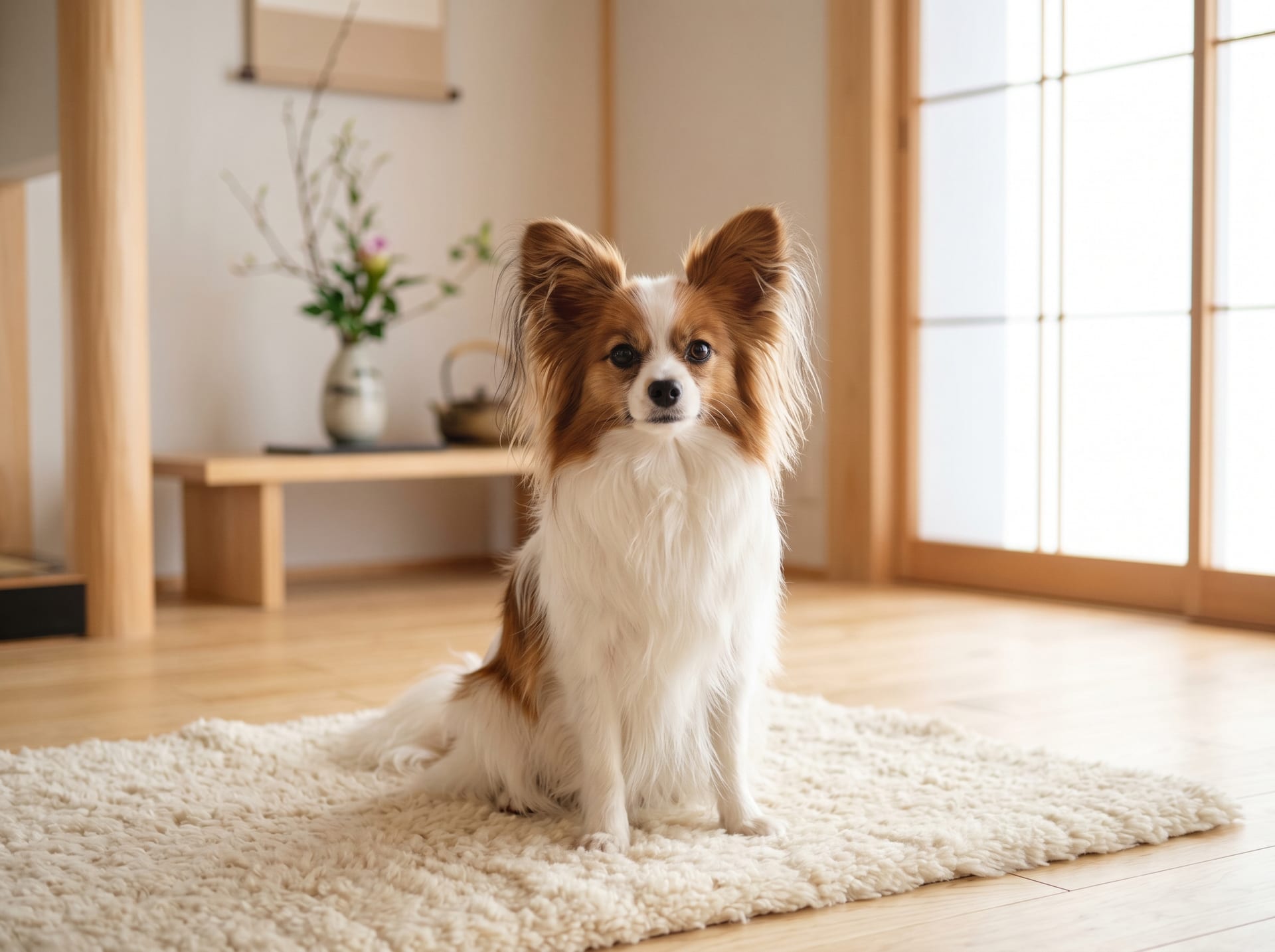
Papillons are an ancient spaniel-type breed originating from continental Europe. They appear in paintings dating back to the 15th–16th centuries and were beloved by European aristocracy in the courts of France and Spain. There are two types: the erect-eared form (Papillon type) and the droopy-eared form (Phalène type, meaning "moth"), with the erect-eared Papillon type being the modern standard.
They are extremely small, weighing 2–5 kg and standing 20–28 cm tall, with a lifespan of 13–15 years on the longer end. Their coat is long and silky with a glossy sheen, with fringe hair (feathering) developed on the ears, legs, and tail. Coloring typically features a white base with parti-colored markings in black, red, sable, lemon, and similar shades (two to three colors).
Their temperament is extremely active and intelligent. They are highly attached to their owners and affectionate, but they can be prone to separation anxiety when left alone for extended periods.
Intelligence and Training Tips
Papillons rank very high in the AKC's canine intelligence rankings (8th according to Dr. Stanley Coren's intelligence evaluation). Their strong learning ability means they acquire basic commands and complex tricks quickly. This high intelligence makes training easier, but when bored, they may develop problem behaviors such as excessive barking, destructive chewing, and demand barking.
Training points are as follows.
- Use positive reinforcement: Combine reward treats with verbal praise
- Short, frequent training sessions: 5–10 minutes per session, 2–3 times daily is effective
- Maintain consistency: All family members use the same commands and rules
- Provide mental stimulation: Use nose work, Kongs, and puzzle feeders
Early socialization—exposing puppies to various people, environments, and other dogs—is also important. Because of their small size, owners tend to carry them protectively, but without sufficient ground-level activity experience, they may grow into fearful dogs.
Coat Care and Grooming
Despite their long coat appearing high-maintenance, Papillons surprisingly have a "single coat" that mats less easily than other long-haired breeds. However, regular brushing is still necessary.
Brushing: Two to three times weekly with a slicker or pin brush, carefully combing the entire body. Pay special attention to the fringe hair on the ears and the long hair on the legs, as these areas tangle easily.
Shampooing: Once or twice monthly. Shampoo removes dirt from the coat and keeps it clean. Make sure to dry thoroughly after shampooing.
Trimming: Full-body haircuts are not typically necessary, but trim hair around the foot pads and excess hair inside the ears as needed.
The ears must also be kept clean. Since the ear environment is prone to moisture, Papillons are susceptible to ear infections. Check the inside of the ears several times a month, and if you notice any abnormal odor or dirt, have a veterinarian examine them.
Exercise and Living Environment
Papillons fall on the higher end of exercise requirements for small dogs. The ideal routine combines about 30 minutes of daily walking with indoor play. They are well-suited to dog sports such as agility and flyball, and they thrive when given opportunities to showcase their talents.
Keep the indoor environment clean and ensure your Papillon has safe space to move around. Be cautious of jumping from sofas and high places, as falls can cause bone fractures.
Their temperature tolerance is moderate, and they are somewhat sensitive to cold. During winter, keep the indoor temperature appropriate and use protective clothing when going outdoors.
Common Illnesses and Health Management
While Papillons are generally a healthy breed, attention should be paid to the following conditions.
Patellar luxation (patella): Common in small dogs, this condition involves displacement of the kneecap. Management ranges from observation to surgery depending on severity.
Dental disease: As with small dogs in general, their teeth are closely crowded, making them prone to plaque and tartar buildup. Daily tooth brushing is essential.
Progressive retinal atrophy (PRA): A genetic eye disease in which vision gradually declines. DNA testing of breeding dogs to identify carriers is recommended.
Open fontanelle: Some Papillon puppies have a delayed closure of the soft spot on the skull, creating a period of vulnerability to injury.
Have your Papillon examined annually for health checkups (twice yearly during their senior years), with particular attention to weight, teeth, joints, and eyes.
Summary
The Papillon is a small dog of striking beauty with butterfly-like ears and long silky coat, distinguished by intelligence and trainability. Because of their intelligence, they require stimulation and play, making consistent communication and proper training essential. Through daily brushing, tooth brushing, and health checks, Papillons will bring joy to your family for many years to come. When acquiring a Papillon from a breeder, verify the health screening history for genetic conditions such as PRA and patellar luxation, and select a responsible breeder with a commitment to sound breeding practices.