Complete Guide to Raising Australian Shepherds | Exercise Needs, Training, and Health Care for Intelligent Herding Dogs
A comprehensive guide explaining the characteristics, temperament, exercise requirements, training, and common health issues of Australian Shepherds. This complete guide is for anyone wanting to learn how to raise an Aussie with high intelligence and strong exercise drive.
Key Takeaways
A comprehensive guide explaining the characteristics, temperament, exercise requirements, training, and common health issues of Australian Shepherds. This complete guide is for anyone wanting to learn how to raise an Aussie with high intelligence and strong exercise drive.
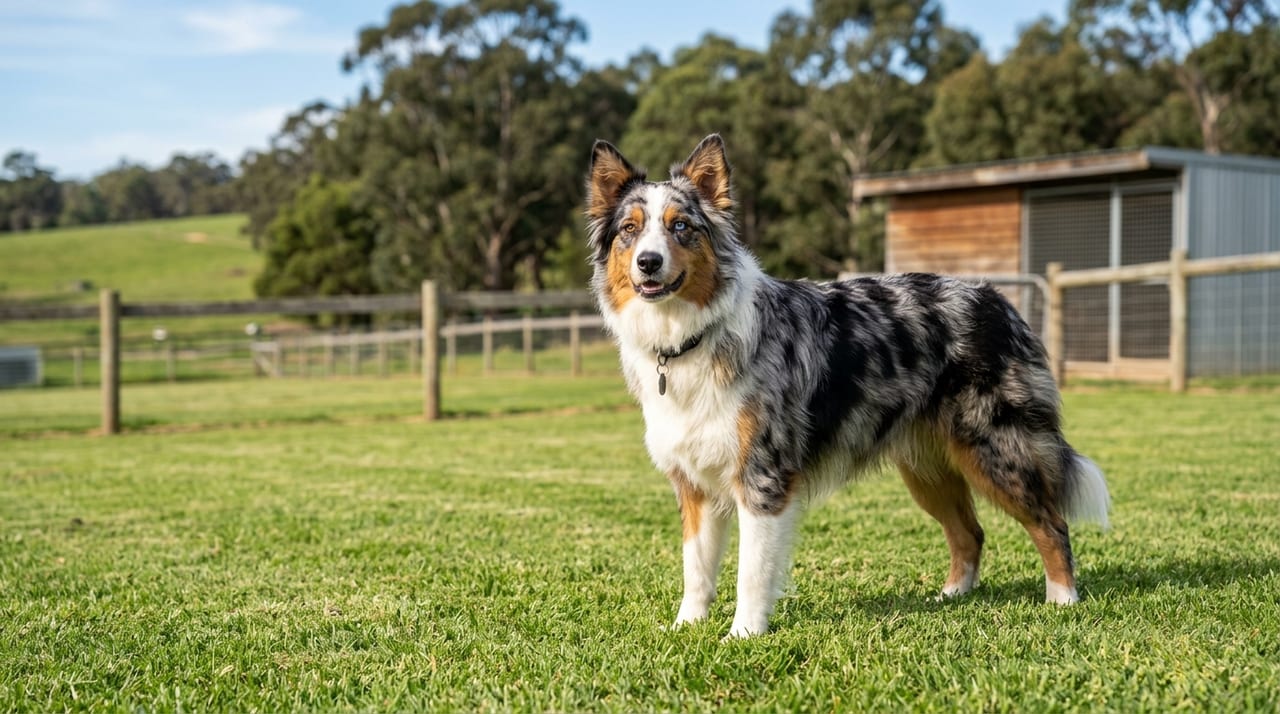
Australian Shepherds (commonly called "Aussies") are herding dogs that, contrary to their name, were developed in the American West. They are highly intelligent and excel in athletic ability, consistently achieving top-class results in dog sports such as agility, flyball, and disc dog competitions. They are characterized by beautiful marble-patterned coats and heterochromatic eyes (odd eyes) with different colors on each side, and their visual individuality is also part of their appeal. On the other hand, they are a breed that requires an exceptionally high level of exercise and mental stimulation, and they tend to develop problem behaviors if they do not have an "appropriate owner."
✍️
BreederDirect Editorial
The BreederDirect editorial team specializes in care information for animals, covering veterinary care and breeding to deliver beginner-friendly guides.
Find Dogs on BreederDirect
Buy directly from verified breeders
Browse Related Listings
Find Dogs listings related to this article on BreederDirect. Buy directly from verified breeders.
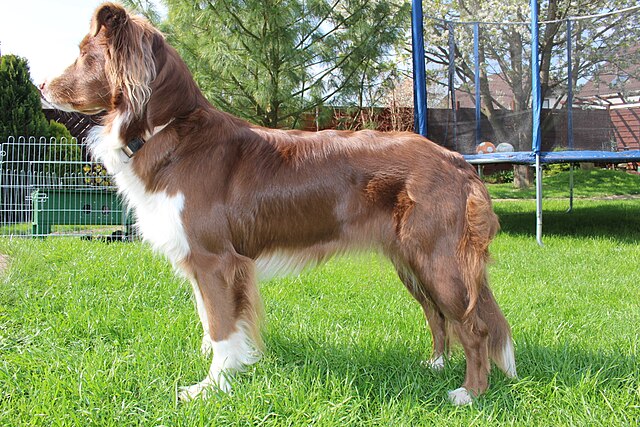
Australian Shepherds are medium-sized dogs weighing 16–32 kg (females are smaller than males), with a height of approximately 45–58 cm. Their average lifespan is said to be 12–15 years. Their coat is medium length, ranging from straight to slightly wavy. Recognized coat colors are four: Blue Merle, Red Merle, Black, and Red, each with white or tan (golden-brown) markings.
Eye color is diverse, including blue, brown, and green, and both odd eyes with different colors on each side and parti eyes with multiple colors within a single eye are seen. This is a phenotype caused by the merle gene and is within the normal range.
They have a temperament that is loyal and passionate. They form deep bonds with their owners and family, but also show a cautious side toward strangers. They have a strong "herding instinct" and may display behavior such as heel-nipping, which involves trying to "herd" children or other animals.
Exercise and Mental Stimulation Needs
The most important point when raising an Australian Shepherd is "providing sufficient exercise and mental stimulation." Originally, this breed was active all day managing sheep herds, so typical walks of about 30 minutes are completely inadequate.
The target daily activity levels are as follows.
Physical exercise: 1–2 hours or more (an ideal wide space where they can run freely, such as dog parks, fields for fetching, hiking, etc.)
Mental stimulation: Daily training, nose work, puzzle toys, and similar activities for at least 15–30 minutes
Without sufficient exercise and stimulation, the following problem behaviors may appear.
Destructive behavior indoors (chewing furniture and flooring)
Excessive barking
Compulsive behaviors (repetitive specific actions)
Excessive "herding" behavior toward people or other dogs
By engaging in sports such as dog agility, flyball, or herding competitions, you can provide Australian Shepherds with an enriching life while making use of their abilities.
Training and Socialization
Australian Shepherds with high intelligence, when trained correctly, learn commands remarkably quickly. However, due to their cleverness, they are sensitive to human inconsistency and vague instructions, and tend to make their own judgments and act accordingly. Consistent and firm training is important.
During puppyhood (8 to 16 weeks of age, the socialization period), expose them to various people, sounds, environments, and animals. It is especially important to actively socialize them to reduce their wariness of strangers. Participation in puppy classes is also effective.
For the herding instinct (chasing children's feet, trying to herd them), methods involving stopping them with commands such as "stop" or "sit" and reinforcing desired behaviors are effective. While this instinct cannot be completely eliminated, it can certainly be controlled.
Coat Care and Shedding Season Management
Australian Shepherds have double-coated fur and shed large amounts of hair twice a year (spring and autumn) during shedding seasons. Regular brushing requires only 2–3 times per week, but during shedding season, daily brushing is necessary. Using a slicker brush and a fine-toothed comb for undercoat is effective for managing shed fur.
Bathe them about once or twice a month. Failure to dry them thoroughly can cause skin problems. The inside of the ears has poor ventilation and is prone to outer ear infections, so check them regularly. Trim nails once or twice a month, and brush teeth as often as possible, ideally daily.
Common Health Issues
The following genetic disorders are known to be common in Australian Shepherds.
MDR1 gene mutation (drug sensitivity): It is said that approximately 50% of Australian Shepherds carry this genetic mutation, which causes toxic reactions to certain medications (some antibiotics, anthelmintics, painkillers, anticancer drugs, etc.). DNA testing can confirm carrier status, and prior notification to a veterinarian is essential.
Progressive Retinal Atrophy (PRA): A hereditary disease in which vision gradually deteriorates.
Hip and elbow dysplasia: A joint disease common in large and medium-sized dogs, which can lead to exercise pain and osteoarthritis.
Double merle issue: When two merle dogs are bred together, "double merle" puppies are born, and there is a high probability of severe visual and auditory disabilities. Ethical breeders do not breed merle to merle.
Health checkups are recommended once a year (twice a year during senior years), and should include MDR1 testing, eye examination, and joint evaluation.
Summary
Australian Shepherds are beautiful, intelligent, and passionate dogs, but they require a living environment that can meet their high exercise needs and demands for mental stimulation. For those with an active lifestyle who want to run with their dog or enjoy sports together, they become the perfect partner. When adopting from a breeder, it is important to confirm the history of MDR1 testing, PRA testing, and hip joint evaluation, and to select a responsible breeder who does not engage in double merle breeding.