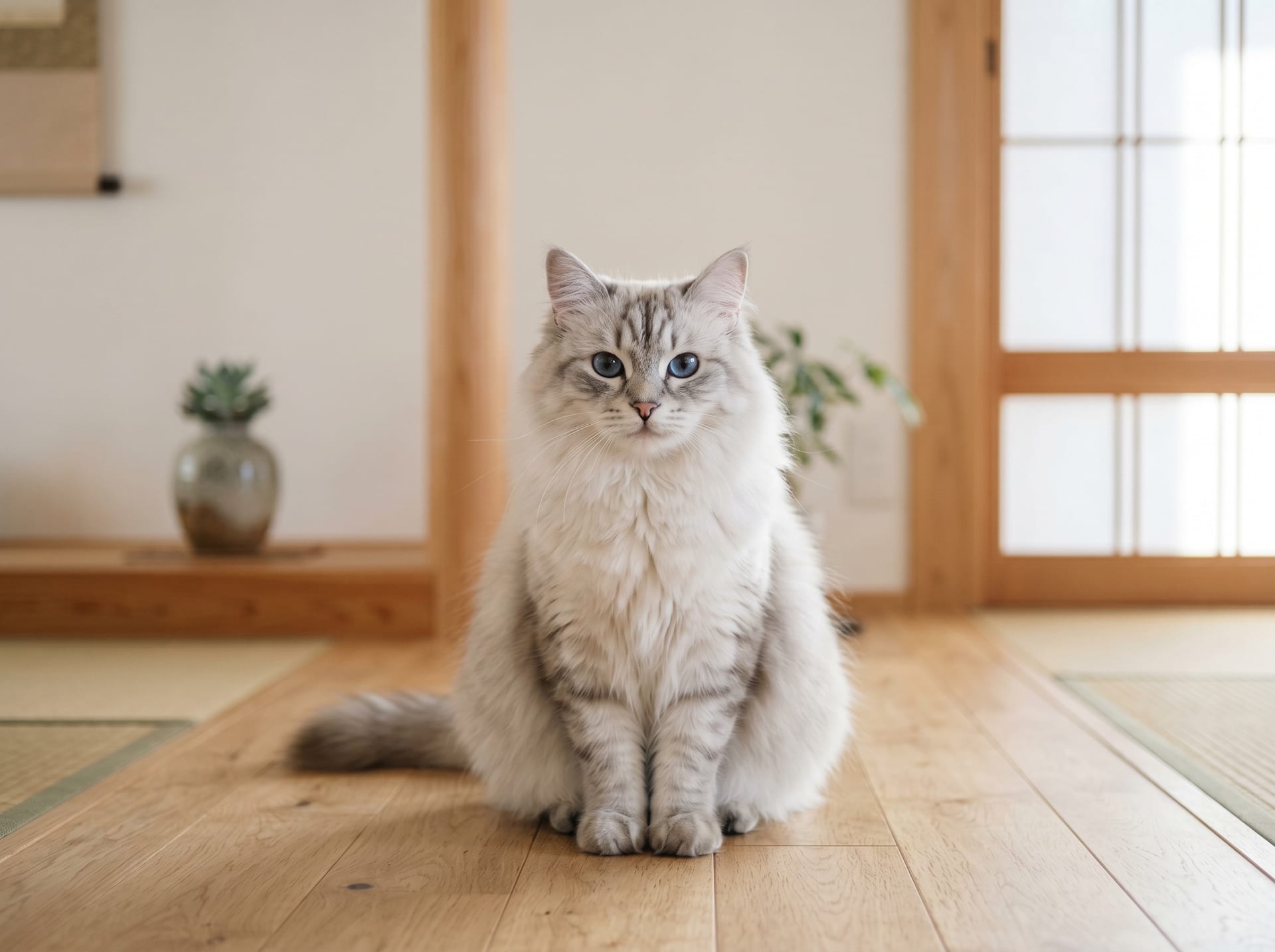
Siberian
Russian large breed with triple-layered coat. Produces less Fel d 1 allergen. Calm and loyal.
View Siberian encyclopedia →- Price Range
- ¥238,000
0% commission on your first sales!Register by September 30, 2026 and your first 2 sales are commission-free!
Breeder Wanted!
List on BreederDirect and sell directly to customers nationwide!
4 Trust Pillars We Guarantee at Br-Choku
(Confirmed across 1 listings)For all kitten listings, Breeder clearly disclose the following information. To ensure safe and transparent direct sales, Br-Choku requires these legally mandated items.
- MicrochipRequired
- Vaccinated
- Health Checked
- Pedigree Certified
* Microchip implants are now legally required for breeding businesses selling dogs and cats under the Animal Protection Law (effective June 2022).
Secure transaction guarantee
Dogs & cats onlyEvery BreederDirect transaction is covered by our transaction guarantee. If you cannot receive your pet, you will be fully refunded. A health guarantee also covers you after handover.
Learn about transaction safety →Browse all 74 breeds
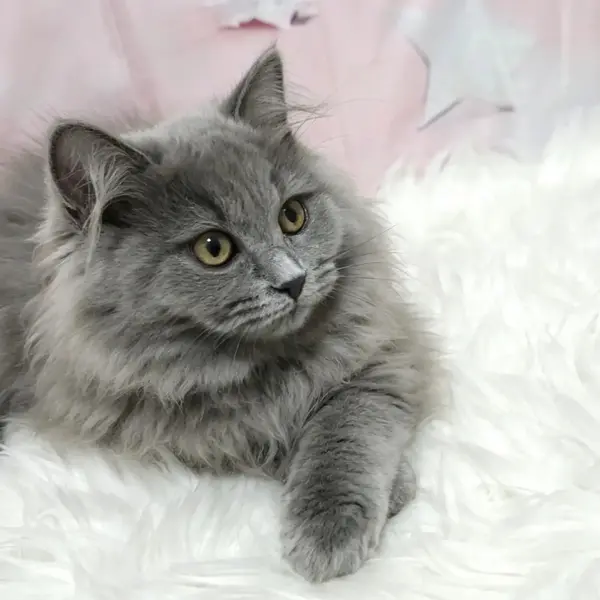
Siberian key facts
- Care level
- Beginner-friendly
- Lifespan
- 11-18 years
- Size
- Weight 4-9kg
- Diet
- High-quality large-breed cat food.
- Temperament
- Calm and loyal. Dog-like devotion; loves being with family.
- Exercise
- Active and playful. Strong jumper; loves high places.
- Coat Care
- Triple-layered thick coat. Brush 2-3 times weekly; daily during shedding.
- Origin
- Russia
- Notes
- Risk of HCM. Large breed; slow to mature (fully grown at 5 years).
About Siberian
The Siberian is a naturally occurring breed that developed over centuries in the harsh conditions of Russia's Siberia region, making it one of the oldest known domestic cat breeds. Its rich history is reflected in Russian folklore, and the breed gained international recognition in the 1990s, after which its popularity spread worldwide. The most distinctive physical feature is the triple-layered coat — comprising undercoat, middle coat, and guard hairs — which provides natural water resistance alongside a lush, impressive appearance. Broad cheeks, large rounded eyes, and a powerfully muscled body give the Siberian a distinctly wild yet approachable presence. In temperament, Siberians are affectionate and emotionally expressive, often described as "dog-like" for their loyalty and tendency to follow their owners around. Their balance of playful energy and calm composure makes them well-suited to family life, and they generally adapt well to children and other household pets.
Siberian price range
Lowest
¥238,000
Average
¥238,000
Highest
¥238,000
Based on 1 current listings
Find Siberian by prefecture
Featured breeders for Siberian
See all Siberian breeders (2) →7 things to know before welcoming a Siberian
1Brush 2–3 Times a Week
The dense triple-layered coat is prone to tangles, especially during shedding seasons in spring and autumn. Brushing 2–3 times per week helps prevent matting and excessive loose fur around the home. Using both a slicker brush and a wide-toothed comb gives the best results.
2Slow to Reach Full Size
Siberians mature slowly and may take 3–5 years to reach their full adult size. Males can weigh anywhere from 5 to 8 kg when fully grown. Monitoring portion sizes from kittenhood and transitioning to age-appropriate food as they develop is important for healthy growth.
3No Allergy-Free Guarantee
While Siberians are reported to produce relatively lower amounts of the Fel d 1 allergen, individual variation means reactions can still occur. It is strongly recommended to spend time with a Siberian before committing to adoption. Those with known sensitivities should also consult their doctor.
4Active and Playful — Provide Exercise
Siberians are muscular and athletic, with a love for jumping and exploring their environment. Providing a cat tree and interactive toys helps them stay physically and mentally stimulated. Insufficient exercise can lead to stress and unwanted behaviors.
5Unusually Fond of Water
Many Siberians show a notable curiosity about water — pawing at their water bowl or investigating running taps. A pet drinking fountain can encourage better hydration and is a worthwhile investment. Be mindful that this trait may lead them to explore bathrooms and sinks.
6Typical Purchase Cost Range
In Japan, Siberian kittens from reputable breeders typically range from approximately 150,000 to 300,000 yen, depending on lineage and coat color. First-year costs also include vaccinations, spay/neuter surgery, and essential supplies. Always request a health certificate and choose a breeder who prioritizes the welfare of their cats.
7Well-Adapted to Cold Climates
Centuries of natural selection in Siberia's harsh winters have given this breed exceptional cold-weather hardiness. However, some individuals are sensitive to Japan's hot and humid summers, so indoor temperature management is important. Aim to keep the room at around 25°C during warmer months using air conditioning.
Frequently asked questions about Siberian
- Q.Are Siberians really better for allergy sufferers?
- A.Siberians are reported to produce lower average levels of the Fel d 1 allergen compared to many other breeds, but individual variation is significant and no cat is completely allergen-free. Spending time with the specific cat before bringing it home is the most reliable way to assess your reaction.
- Q.Is grooming a Siberian difficult?
- A.Outside of shedding seasons, the coat is manageable with brushing 2–3 times a week. During spring and autumn shedding periods, daily brushing is ideal to keep loose fur under control. With consistent grooming habits, matting is largely preventable.
- Q.Can Siberians adapt well to single-person households?
- A.Siberians form strong bonds with their owners and can become stressed if left alone for long periods regularly. If you are frequently away during the day, consider a second companion cat or ensure there are ample environmental enrichments to keep them occupied.
- Q.How large do Siberians get when fully grown?
- A.Males typically weigh between 5 and 8 kg, while females range from around 3.5 to 6 kg, making Siberians a genuinely large breed. They mature slowly, sometimes taking 3–5 years to reach full adult size, so food portions and environmental setups should be adjusted as they grow.
- Q.Do Siberians vocalize a lot?
- A.Siberians are generally a quiet breed and rarely engage in excessive or persistent vocalization. Their calls tend to be soft trills and chirps rather than loud meows, making them a relatively peaceful choice for apartment living.
Useful tools for Siberian care
Learn more about Siberian in the encyclopedia
View Siberian encyclopedia entry →
Care difficulty, lifespan, size and diet — all basics covered.
Siberian related articles
See more Siberian articles →More in this category
Can't find the one you're looking for?
Post your wishes for free and breeders with matching animals will contact you with introductions.