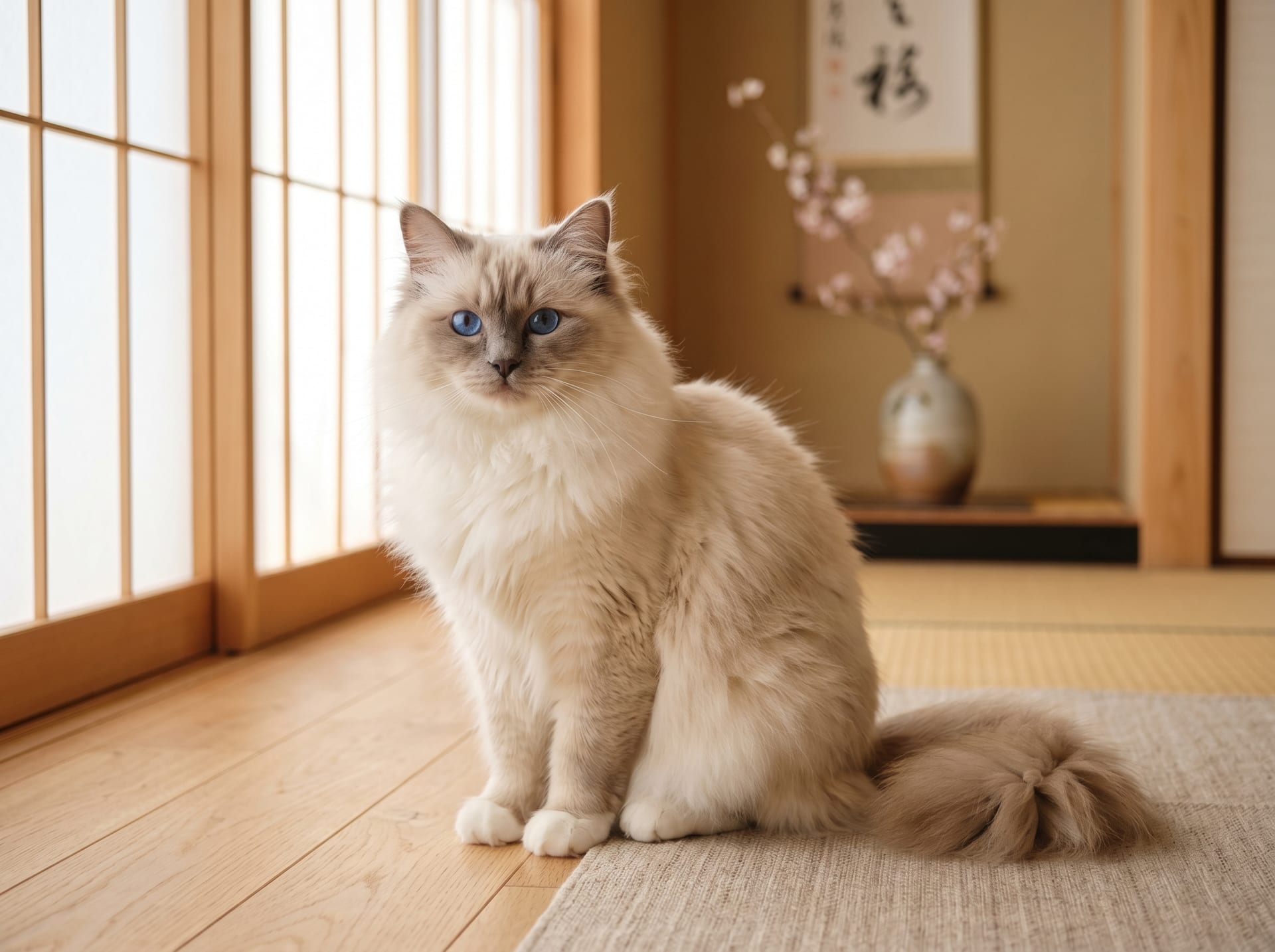
Birman
'Sacred cat' with pointed coat and white gloves on paws. Calm and gentle; quietly devoted to owner.
View Birman encyclopedia →0% commission on your first sales!Register by September 30, 2026 and your first 2 sales are commission-free!
Breeder Wanted!
List on BreederDirect and sell directly to customers nationwide!
4 Trust Pillars We Guarantee at Br-Choku
For all kitten listings, Breeder clearly disclose the following information. To ensure safe and transparent direct sales, Br-Choku requires these legally mandated items.
- MicrochipRequired
- Vaccinated
- Health Checked
- Pedigree Certified
* Microchip implants are now legally required for breeding businesses selling dogs and cats under the Animal Protection Law (effective June 2022).
Secure transaction guarantee
Dogs & cats onlyEvery BreederDirect transaction is covered by our transaction guarantee. If you cannot receive your pet, you will be fully refunded. A health guarantee also covers you after handover.
Learn about transaction safety →Browse all 74 breeds
Verified breeders wanted for Cats
Breeders are signing up now ahead of launch. Subscribe to be notified when new listings go live.
Getting alerts is free with a member account. When new listings match your saved search, we'll notify you by email and in-app.
Browse other categories
Verified breeders (preview)
Birman key facts
- Care level
- Beginner-friendly
- Lifespan
- 12-16 years
- Size
- Weight 3-6.5kg
- Diet
- Complete nutrition cat food. Two meals per day.
- Temperament
- Calm and gentle. Quietly stays near owner. Friendly with visitors.
- Exercise
- Prefers gentle play. Leisurely toy play suits better than vigorous exercise.
- Coat Care
- Semi-long silky coat. Brush 2-3 times weekly to prevent mats.
- Origin
- Myanmar (Burma)
- Notes
- Risk of HCM. Watch for kidney disease.
About Birman
The Birman, also known as the Sacred Cat of Burma, is said to have been revered in the temples of ancient Myanmar. The breed was brought to France in the early twentieth century and formally established in Europe as a recognized pedigree. Its most striking feature is the combination of colorpoint markings — darker shading on the face, ears, limbs, and tail — with pure white gloves covering all four paws. The semi-long, silky coat has minimal undercoat, making it far less prone to matting than Persian-type breeds. In temperament, Birmans are calm, affectionate, and gently devoted without being demanding. They rarely vocalize loudly and prefer to stay close to their people, moving quietly from room to room. Their tolerance toward other pets and children makes them an excellent fit for family households. It is this combination of distinctive beauty and warm, steady character that has earned the Birman a devoted following among cat lovers worldwide.
7 things to know before welcoming a Birman
1Four White Gloves Are a Must
One of the Birman's most defining traits is the presence of white gloves on all four paws — not just the front feet. The hind feet also show white "laces" extending up the back of the leg. These markings are a key standard breeders use when evaluating lineage and conformation.
2Grooming the Semi-Long Coat
Birman fur is semi-long with a silky sheen, but minimal undercoat means it mats less than many longhaired breeds. Brushing two to three times a week is sufficient to manage shedding and keep the coat in good condition. During shedding seasons in spring and autumn, daily brushing is recommended.
3Gentle but Prone to Loneliness
Birmans are sociable and typically get along well with people and other pets, but many individuals struggle with long periods alone at home. They tend to thrive in multi-pet households or with owners who spend significant time at home. If long absences are unavoidable, pairing with another cat can help.
4Weight Management and Obesity Risk
Birmans are relatively calm and prefer lounging indoors, which can make them prone to weight gain if diet is not monitored. Choosing an age- and weight-appropriate food and checking body condition regularly helps prevent obesity. Interactive play sessions with toys provide healthy exercise and mental stimulation.
5Watch for Kidney and Heart Issues
Birmans have a noted predisposition to polycystic kidney disease (PKD) and hypertrophic cardiomyopathy (HCM). When selecting a kitten, ask the breeder about genetic testing protocols for these conditions. Regular veterinary check-ups support early detection and contribute to a longer, healthier life.
6Trainability and Intelligence
Birmans are curious and quick to learn — many respond to their name and can pick up simple commands. Positive reinforcement works best; harsh correction is unnecessary and counterproductive. Litter training is generally straightforward, and puzzle toys or play-based enrichment keep their minds engaged.
7Initial and Monthly Costs
Birman kitten prices in Japan typically range from around 150,000 to 350,000 yen depending on the breeder and bloodline. Monthly ongoing costs — food, litter, vaccinations, and routine vet visits — generally run between 10,000 and 20,000 yen. Enrolling in pet insurance is worth considering given potential health costs.
Frequently asked questions about Birman
- Q.Can I keep a Birman if I live alone?
- A.Birmans can adapt to single-person households, but they tend to feel lonely during long periods alone. If you have extended absences, consider adopting a second cat to provide companionship.
- Q.What is the average lifespan of a Birman?
- A.Birmans typically live between 12 and 16 years. A balanced diet, routine veterinary care, and a stress-free home environment all contribute to a longer, healthier life.
- Q.I'm worried about shedding with a longhaired cat.
- A.Compared to other semi-longhaired breeds, Birmans shed relatively less due to their minimal undercoat. Brushing a few times a week is usually enough to keep shedding manageable and reduce fur on furniture and floors.
- Q.Are Birmans an active, playful breed?
- A.Birmans are moderately playful rather than hyperactive. They enjoy interactive toys and puzzle feeders, which provide both physical exercise and mental stimulation — helping prevent weight gain as well.
- Q.Is a kitten without white gloves not a true Birman?
- A.White gloves are a key trait in the Birman breed standard, but a kitten with imperfect gloving may still be a purebred Birman. For pet rather than show purposes, glove conformity often affects price and availability without affecting the cat's character or health.
Useful tools for Birman care
Learn more about Birman in the encyclopedia
View Birman encyclopedia entry →
Care difficulty, lifespan, size and diet — all basics covered.
Birman related articles
See more Birman articles →More in this category
Can't find the one you're looking for?
Post your wishes for free and breeders with matching animals will contact you with introductions.