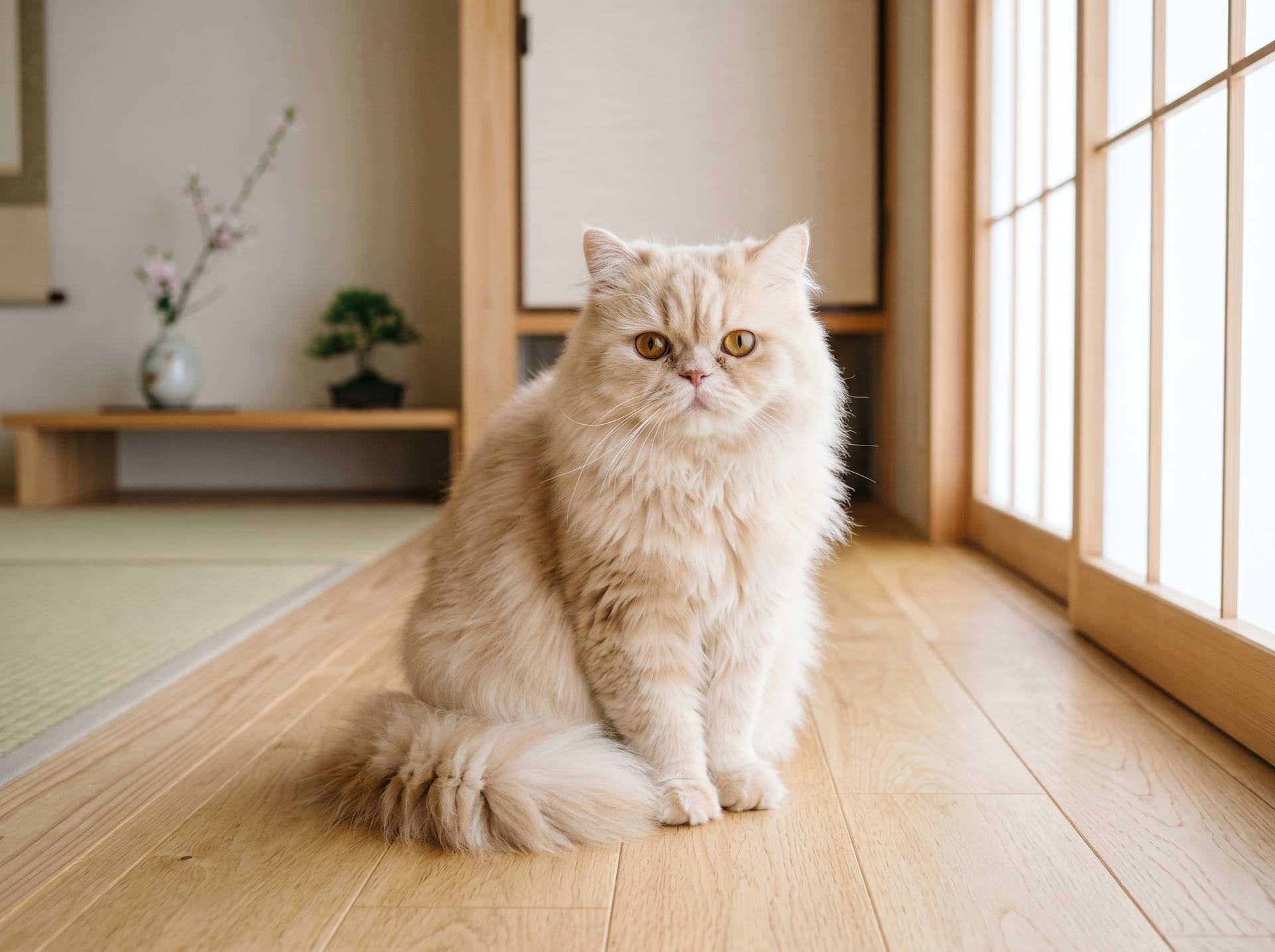
Exotic Longhair
Longhaired Exotic. Flat face with rich long coat, gentle personality similar to Persian.
View Exotic Longhair encyclopedia →- Price Range
- ¥70,000〜¥238,000
0% commission on your first sales!Register by September 30, 2026 and your first 2 sales are commission-free!
Breeder Wanted!
List on BreederDirect and sell directly to customers nationwide!
4 Trust Pillars We Guarantee at Br-Choku
For all kitten listings, Breeder clearly disclose the following information. To ensure safe and transparent direct sales, Br-Choku requires these legally mandated items.
- MicrochipRequired
- Vaccinated
- Health Checked
- Pedigree Certified
* Microchip implants are now legally required for breeding businesses selling dogs and cats under the Animal Protection Law (effective June 2022).
Secure transaction guarantee
Dogs & cats onlyEvery BreederDirect transaction is covered by our transaction guarantee. If you cannot receive your pet, you will be fully refunded. A health guarantee also covers you after handover.
Learn about transaction safety →Browse all 74 breeds
Verified breeders wanted for Cats
Breeders are signing up now ahead of launch. Subscribe to be notified when new listings go live.
Getting alerts is free with a member account. When new listings match your saved search, we'll notify you by email and in-app.
Browse other categories
Verified breeders (preview)
Exotic Longhair key facts
- Care level
- Intermediate
- Lifespan
- 12-15 years
- Size
- 3-6kg
- Diet
- Dry food, hairball care formula
- Temperament
- Calm, affectionate, laid-back
- Exercise
- Low to moderate
- Coat Care
- Daily brushing recommended, tear stain care
- Origin
- United States
- Notes
- Brachycephalic respiratory issues, heat sensitive
About Exotic Longhair
The Exotic Longhair traces its origins to the United States in the 1960s, when Persian longhair genes unexpectedly surfaced during the development of the Exotic Shorthair. Initially grouped together, longhaired and shorthaired varieties were eventually recognized as separate breeds. The most striking features are its luxuriously silky, flowing coat reminiscent of the Persian, combined with a flat, round face and large, expressive eyes. The body is compact and cobby, lending an irresistibly plush, teddy-bear-like appearance that has earned the breed a devoted following. In temperament, the Exotic Longhair inherits the Persian's gentle, affectionate nature and rarely vocalizes loudly. While playful at times, this breed is fundamentally easygoing and adapts beautifully to quiet indoor living. Regular coat brushing and facial fold care are ongoing responsibilities, but owners are rewarded with a calm, deeply comforting companion whose serene presence more than repays the effort.
7 things to know before welcoming a Exotic Longhair
1Daily Brushing Is Essential
The long coat tangles easily without daily brushing, especially around the armpits and neck. Using a wide-tooth comb and a slicker brush in combination helps prevent mats. Establishing a grooming routine early makes the process easier for both you and your cat.
2Tear Stain Care
The flattened facial structure makes tear ducts prone to blockage, leading to visible tear stains under the eyes. Gently wiping the eye area daily with a damp cotton pad helps prevent staining and skin irritation. If discharge increases or changes color, consult a veterinarian.
3Brachycephalic Breathing Traits
As a brachycephalic breed, Exotic Longhairs may have narrow nasal passages and can be noisy breathers. Strenuous exercise and high heat or humidity put extra strain on their respiratory system, so keeping the room below 25°C is advisable. Labored breathing warrants a prompt veterinary check.
4Quiet and Gentle Temperament
Exotic Longhairs rarely vocalize loudly, making them well-suited for apartment living. They enjoy lounging near their owner rather than engaging in vigorous play, so they don't require a lot of active stimulation. That said, many individuals dislike being alone for long periods, so long absences should be planned carefully.
5Budget for Professional Grooming
In addition to daily home brushing, professional grooming every 3 to 6 months is worth considering. A grooming session typically costs between 8,000 and 15,000 yen, and mat removal may incur additional charges. Factoring this into your monthly budget before adopting helps avoid surprises.
6Compatibility with Others
Their gentle nature means they can coexist reasonably well with other cats or calm dogs. However, they are sensitive to sudden movements and loud noises, so families with young children should allow ample time for gradual introductions. Providing a quiet retreat space where the cat can decompress is highly recommended.
7Dental and Oral Care
Brachycephalic breeds tend to have crowded teeth, which slightly increases the risk of periodontal disease. Introducing toothbrushing from kittenhood and aiming for 2 to 3 times per week is ideal for long-term oral health. Regular dental check-ups at the veterinarian are also advisable.
Frequently asked questions about Exotic Longhair
- Q.Do Exotic Longhairs shed a lot?
- A.As a longhaired breed, shedding increases noticeably during the spring and autumn coat-change seasons. Daily brushing significantly reduces loose hair, but some shedding is inevitable. Lint rollers and regular vacuuming help manage hair on clothing and furniture.
- Q.Can they live well with other pets or children?
- A.Their gentle nature means Exotic Longhairs generally get along reasonably well with other cats, calm dogs, and considerate children. However, they can become stressed by noisy environments or persistent handling, so providing a quiet retreat space is important. Individual personalities vary, so introductions should always be made gradually.
- Q.How do they differ from the Exotic Shorthair?
- A.Apart from coat length, body type, facial structure, and temperament are nearly identical. The Exotic Longhair has a more Persian-like appearance and requires more frequent grooming than its shorthaired counterpart. The extra maintenance is offset by the breed's distinctively fluffy, plush look.
- Q.What should I know about their lifespan and health?
- A.The average lifespan is around 12 to 15 years. In addition to brachycephalic respiratory concerns, the breed is prone to hereditary polycystic kidney disease (PKD), tear staining, and dental crowding. Regular veterinary check-ups allow for early detection and timely management of these conditions.
- Q.Are they suitable for first-time cat owners?
- A.Their calm temperament, quiet voice, and moderate activity level make Exotic Longhairs a relatively accessible choice for first-time owners. That said, daily brushing and facial fold care require ongoing commitment, so this breed suits someone who can build grooming into their daily routine. For those who enjoy the process, they make wonderfully manageable companions.
Useful tools for Exotic Longhair care
Learn more about Exotic Longhair in the encyclopedia
View Exotic Longhair encyclopedia entry →
Care difficulty, lifespan, size and diet — all basics covered.
More in this category
Can't find the one you're looking for?
Post your wishes for free and breeders with matching animals will contact you with introductions.