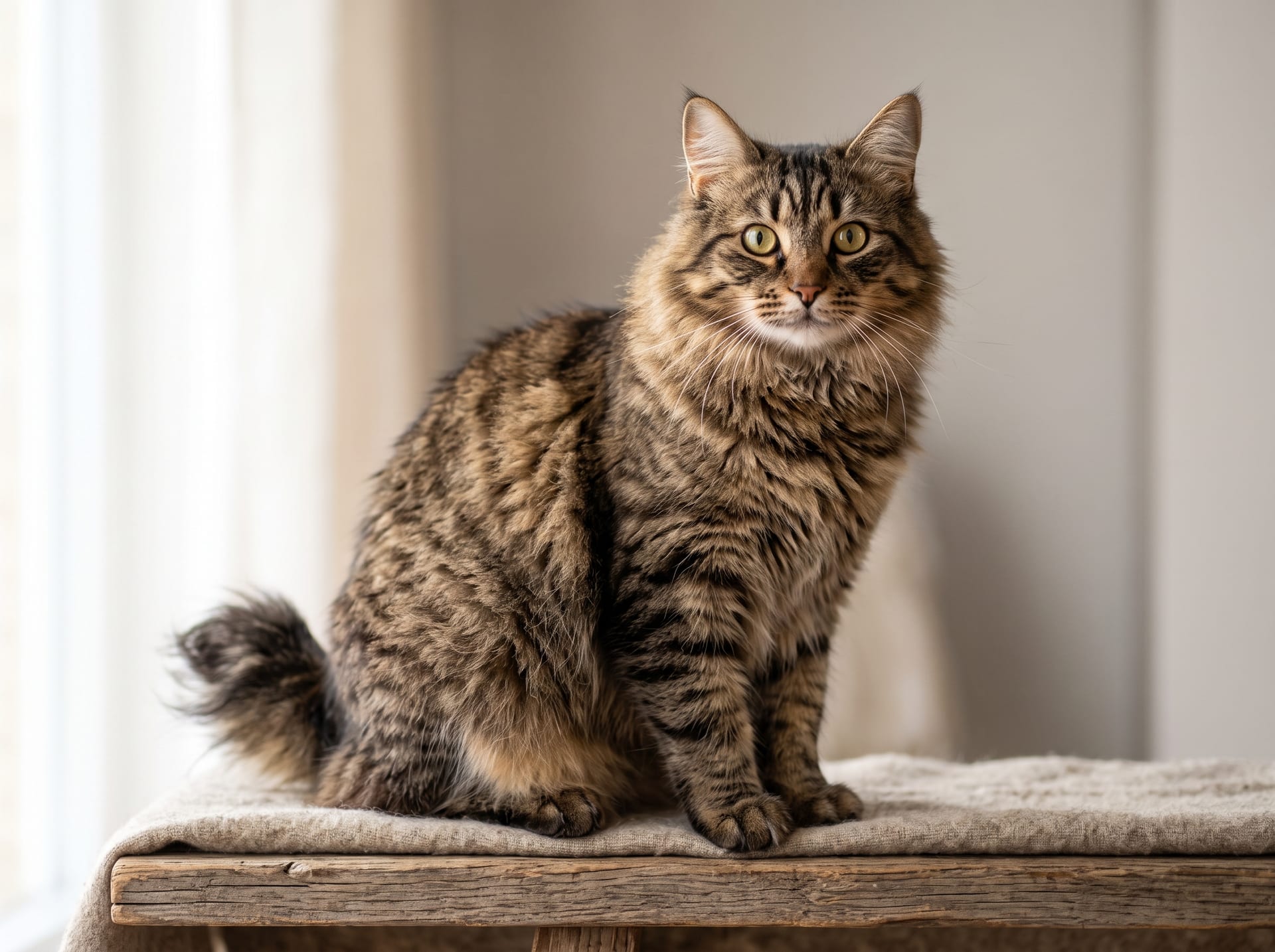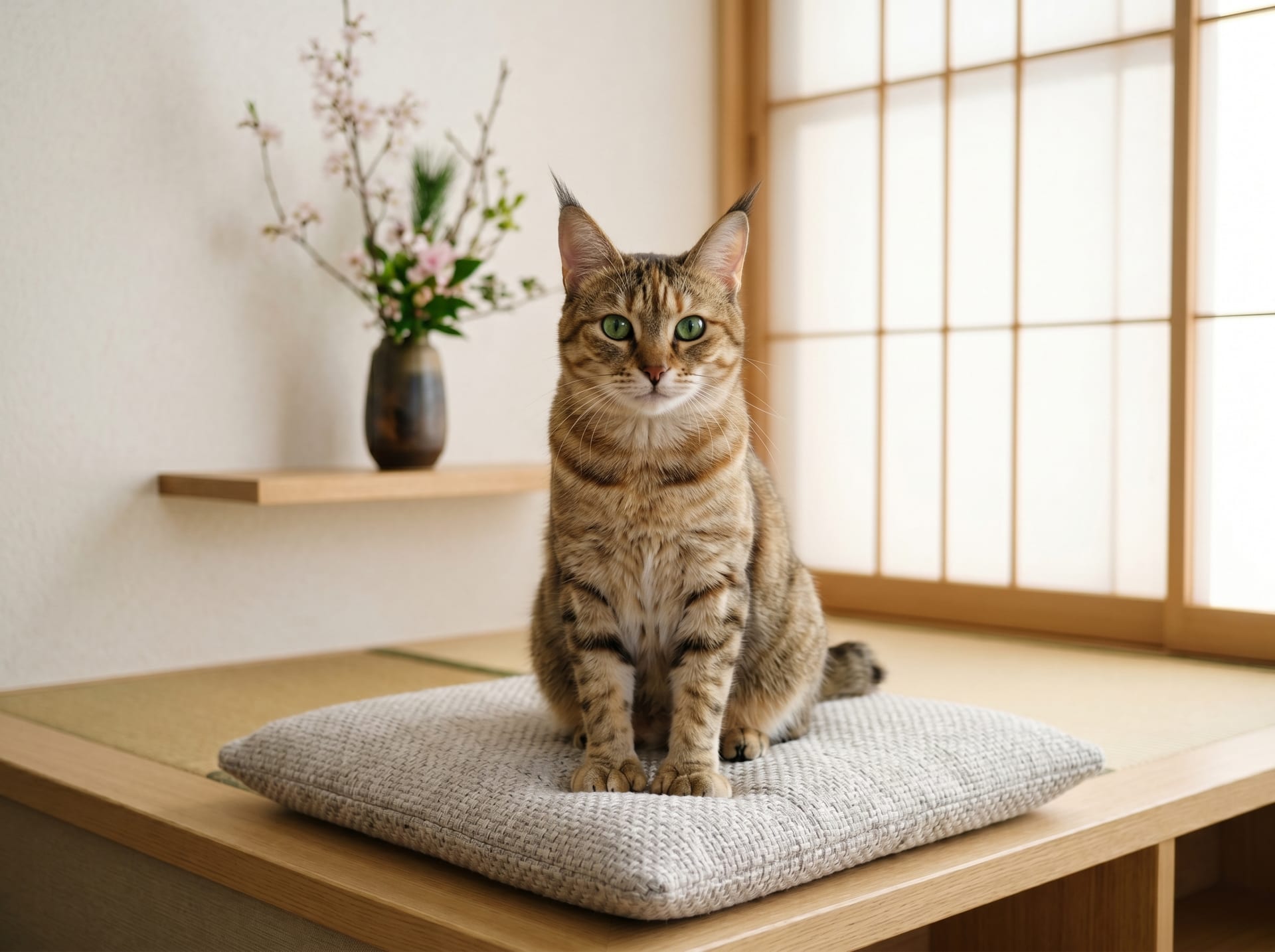
AI-generated image
Pixie-bob
IntermediateLarge domestic cat resembling a Bobcat. Short tail and wild look, yet gentle with dog-like loyalty.
Difficulty
Intermediate
Temperature
18〜28℃
Lifespan
13-16 years
Size
4-8kg
Diet
Dry food, high protein recommended
About
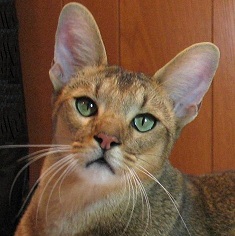
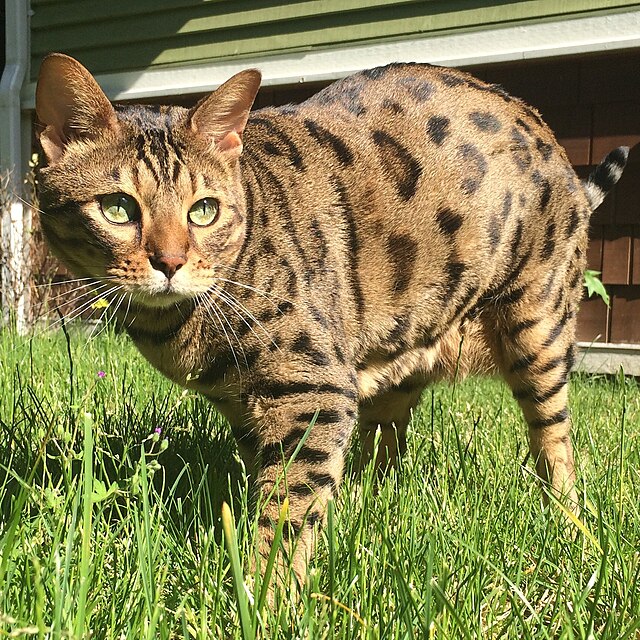
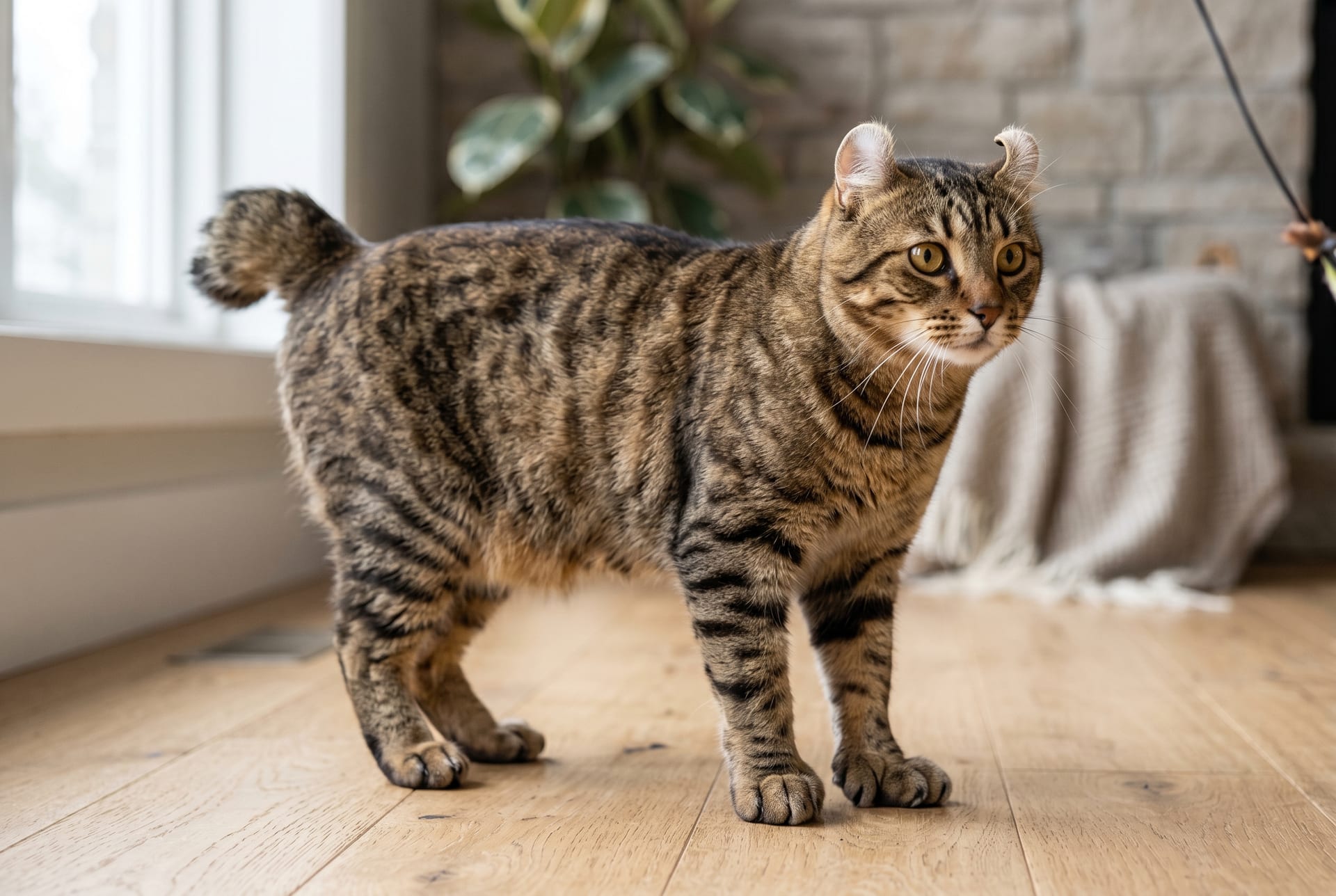
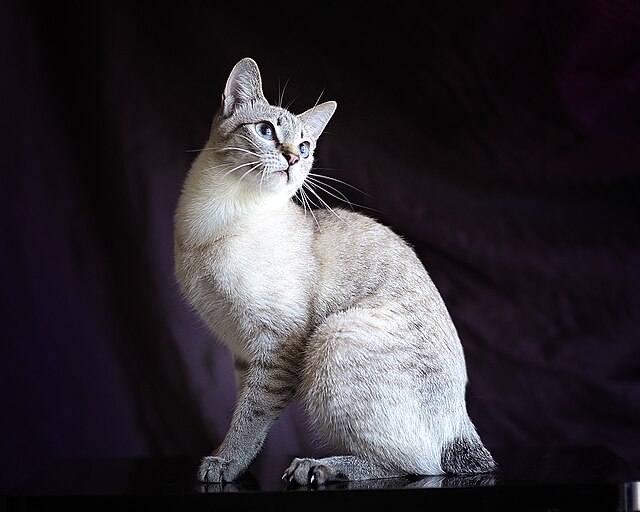
Pixie-bob is a pedigreed breed of domestic cat. Originally they were claimed to be related to bobcat hybrids, but DNA testing showed they are genetically fully domestic cats. However, they were selectively bred in the U.S. intended to resemble the North American bobcat. They are relatively large-sized polydactyl cats with a short tail, and have a black spotted tabby coat.
Source: Wikipedia (CC BY-SA 4.0)
Lifespan of the Pixie-bob
The Pixie-bob lives 13-16 years.
Size of the Pixie-bob
The Pixie-bob grows to 4-8kg.
Basic Info
Origin
United States (Washington State)
Lifespan
13-16 years
Size
4-8kg
Temperature
18〜28℃
Diet
Dry food, high protein recommended
Care Guide
References & Sources
Edited & verified by: BreederDirect editorial team
The taxonomic, regulatory, and husbandry data on this page are compiled and verified against the authoritative primary sources below.
Primary sources
Taxonomy & Authority
Accepted name: Linnaeus, 1758
Synonyms: Felis silvestris catus
Authority databases: GBIF · GBIF: Felis catus · TICA breed profiles
Nomenclature follows global taxonomic authority databases.
Pixie-bob Listings
Loading latest listingsFind listings for this species