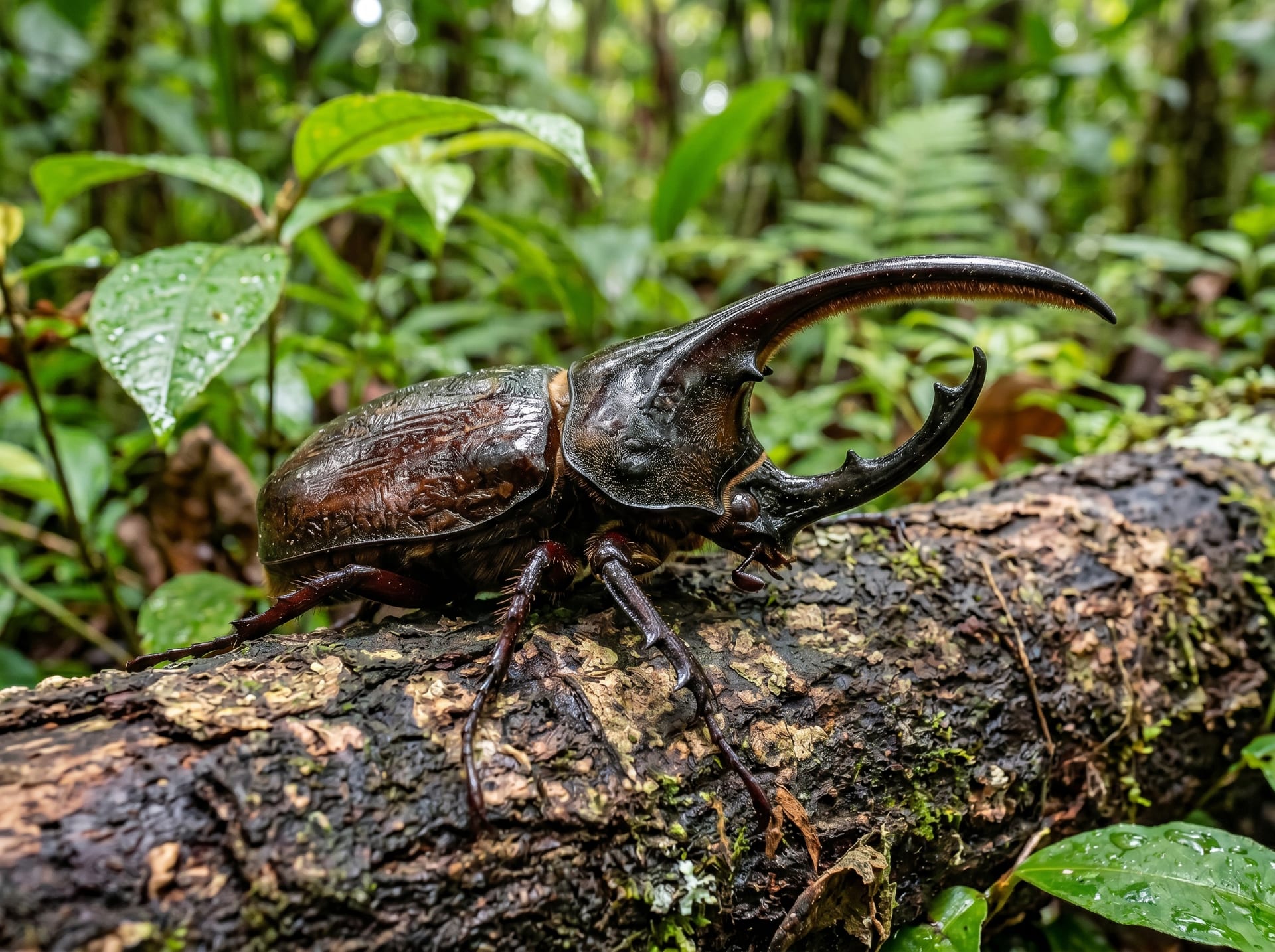
Beginner's Guide to Foreign Beetles | Differences Between Hercules, Caucasus, and Golofa Species for Beginners
A beginner's guide covering the types, selection, and care methods for foreign beetles. Explains everything from recommended species for beginners to the basics of larval rearing.
Key Takeaways
A beginner's guide covering the types, selection, and care methods for foreign beetles. Explains everything from recommended species for beginners to the basics of larval rearing.
Beetles have long been popular with children in Japan, but in recent years, enthusiasts raising large foreign beetles have been increasing. Led by the Hercules beetle, diverse species such as the Caucasus beetle and Golofa are circulating in the market. This article explains the types of foreign beetles, how to choose them, and beginner-friendly rearing methods.
✍️
BreederDirect Editorial
The BreederDirect editorial team specializes in care information for animals, covering veterinary care and breeding to deliver beginner-friendly guides.
Find Insects on BreederDirect
Buy directly from verified breeders
Browse Related Listings
Find Insects listings related to this article on BreederDirect. Buy directly from verified breeders.
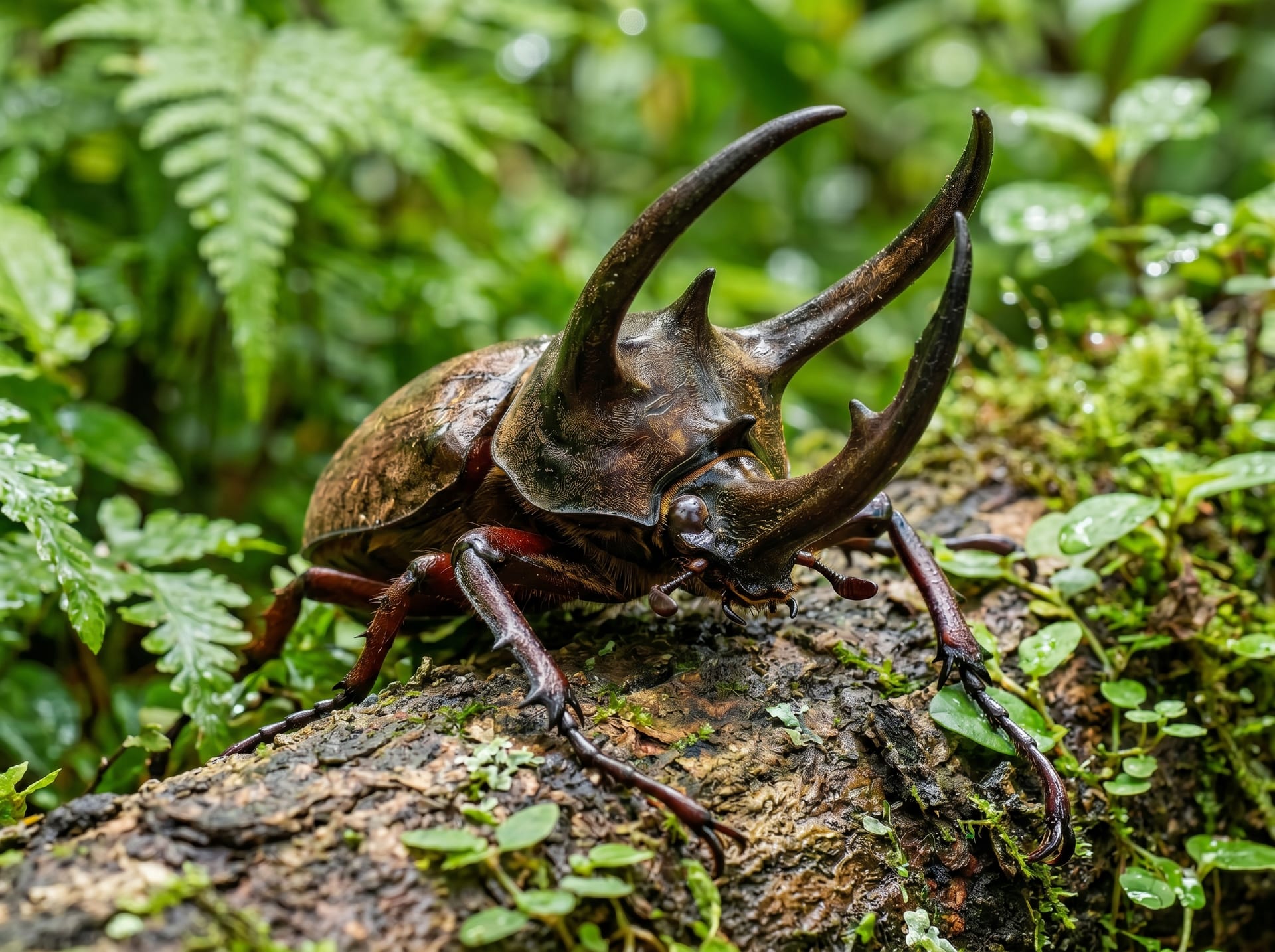
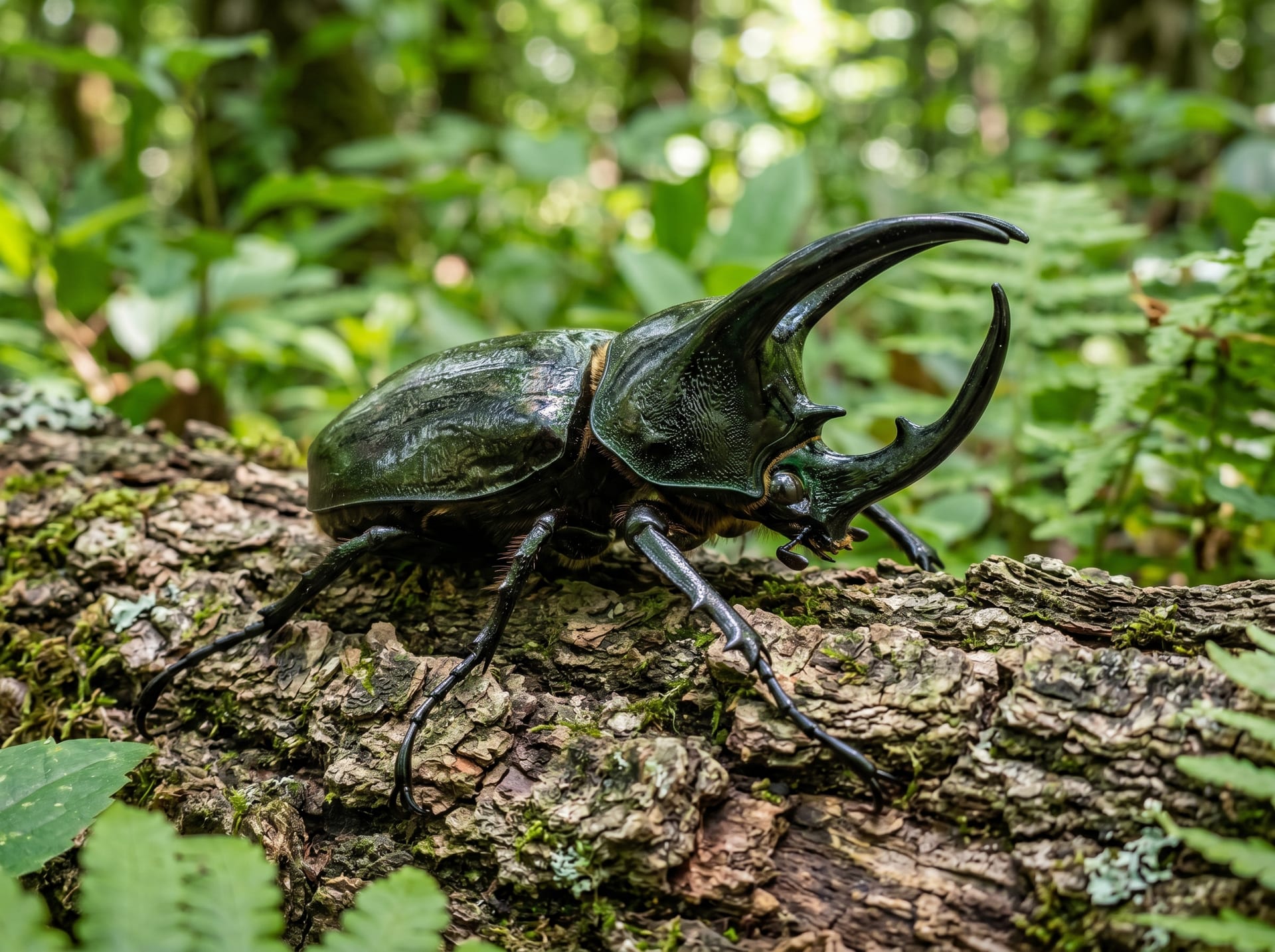
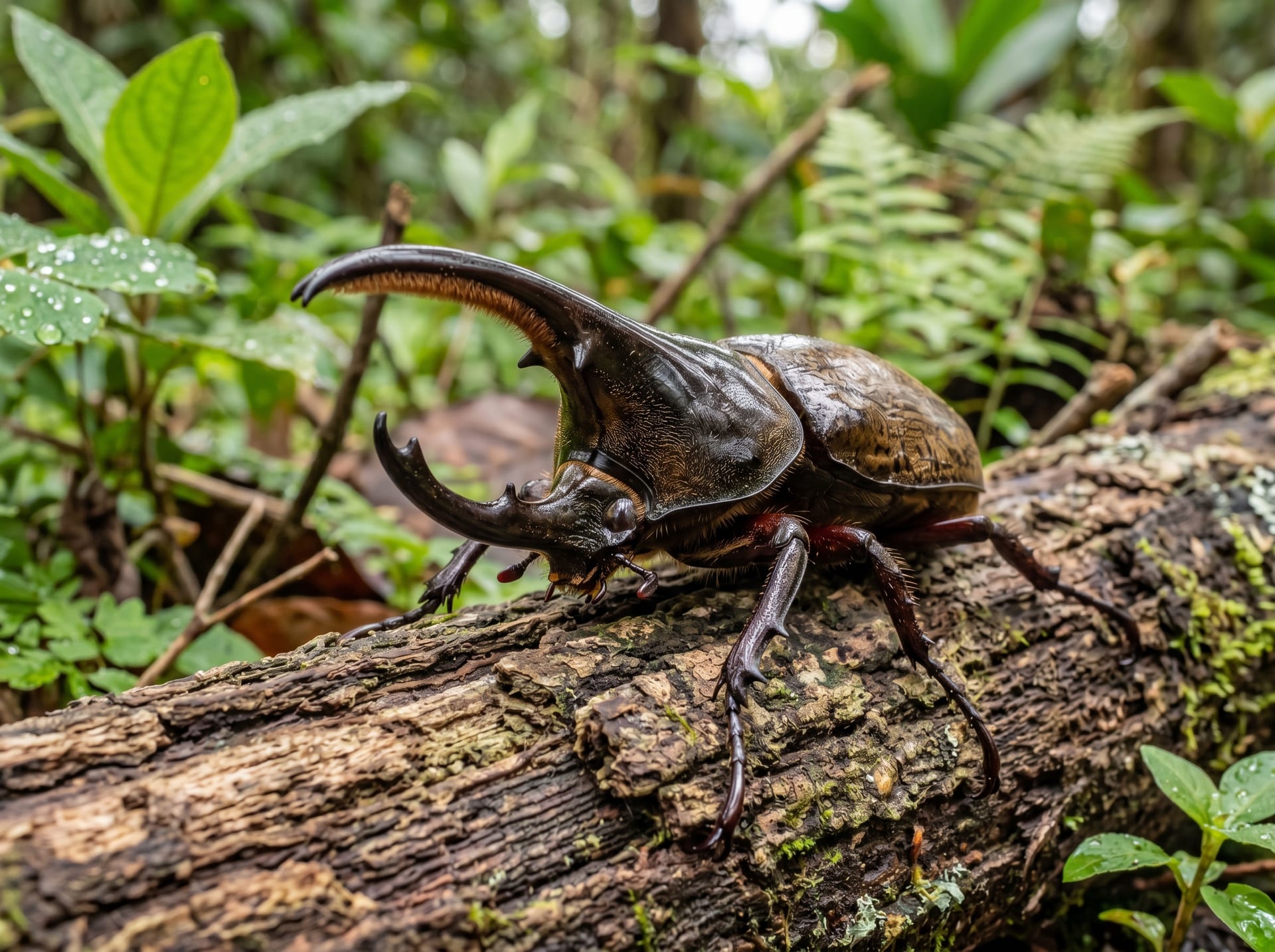
Foreign beetles originate from Central and South America, Africa, and Southeast Asia. They are larger than Japan's native Yamato beetle and have diverse horn shapes. They can be purchased from pet shops, reptile shops, and online insect specialty stores.
Main Popular Species:
Species
Origin
Adult Size
Difficulty
Hercules Beetle
Central and South America
♂ Exceeds 180mm max
Intermediate to Advanced
Caucasus Beetle
Southeast Asia
♂ 90–130mm
Intermediate
Atlas Beetle
Southeast Asia
♂ 80–110mm
Beginner to Intermediate
Golofa Porteri
Central and South America
♂ 60–80mm
Beginner to Intermediate
Golofa Claviger
Central and South America
♂ 70–90mm
Beginner to Intermediate
Neptune Beetle
Central and South America
♂ 80–120mm
Intermediate to Advanced
The above table is merely a guide, and actual body size varies by individual depending on bloodline and larval rearing conditions. Before purchasing, it's reassuring to check with the breeder about the expected size the individual will grow to.
Which Species Are Recommended for Beginners?
For beginners starting with foreign beetles, the Golofa genus is most recommended.
Why Golofa Is Suitable for Beginners:
Relatively small body size requires less rearing space
Tolerant of temperature fluctuations (manageable at 20–28°C)
Larvae can be reared using fermented substrate similar to native beetles
Affordable pricing (approximately ¥3,000–¥8,000 per pair)
Compact lifespan of roughly 3–6 months as adults
While the Hercules beetle is overwhelmingly impressive in size, larval rearing takes over 1–2 years, and precise temperature management is required. It's recommended to gain experience with smaller species first.
Things to Confirm Before Getting One
Before bringing home a foreign beetle, confirming the following points in your household will make subsequent care smoother.
Whether your home can maintain stable room temperature year-round (with or without air conditioning)
Whether you can place the cage in a quiet location with minimal foot traffic
Whether you can commit to daily feeding and substrate condition checks
If you travel or have business trips frequently, whether family or acquaintances can care for the beetle during your absence
These are preparatory items common to caring for any foreign beetle species.
Purchase Considerations
Only foreign beetles that have passed Japan's Ministry of Agriculture, Forestry and Fisheries quarantine are legally distributed. When purchasing, confirm the following:
Confirmation Points:
Purchase from authorized insect specialty shops or breeders
Confirm whether it's wild-collected (WD) or captive-bred (CB) (CB has lower disease risk)
Check whether it moves actively and has no missing legs
Confirm the adult's eclosion date (individuals that have just emerged may not have hardened internally)
Releasing foreign beetles into the wild is prohibited by law. If you can no longer raise the beetle, ask the shop to take it back or find a new home for it.
Beyond the photos and descriptions on the listing page, asking the breeder directly about regular feeding, rearing temperature, and origin lineage information will help you form a more concrete image of the individual's condition. For transactions involving shipping, it's reassuring to consult in advance about packaging methods and shipping timing that account for temperature changes.
Adult Rearing Methods
Cage and Equipment
Plastic container or insect cage with adequate space for the beetle (for Hercules, 45cm or wider)
Lay 5–10cm of insect substrate (fermented mat)
Install cork bark or perches to prevent overturning
Dedicated feeding dish for insect jelly (food)
Placement Location and Multi-Beetle Housing Precautions
Males of foreign beetles have strong territorial instincts, and housing multiple individuals in the same cage can lead to fighting with damage to legs and horns, or in worst cases, cannibalism. As a basic rule, keep one beetle per cage; if you wish to raise multiple beetles, use separate cages.
Choose a placement for the cage that avoids direct sunlight near windows and direct air conditioning airflow, selecting a location with minimal temperature fluctuation and quiet atmosphere. When the substrate surface begins to dry, lightly mist it, but avoid excess moisture as it promotes mold and bacterial growth; aim for a level that is merely "slightly moist."
Temperature Management
Foreign beetles generally prefer 22–28°C. When summer room temperature exceeds 30°C in Japan, some individuals weaken, so air conditioning or a cooling box may be necessary.
High-altitude species such as Hercules (such as Colombian specimens) are optimal at 22–25°C; avoid temperatures of 28°C or higher.
Food
Provide commercially available insect jelly (high protein, 16g or more). They also enjoy banana and brown sugar syrup, but these spoil quickly so remove them within a short time. Foreign large-sized species consume significant amounts of jelly, so daily replacement is ideal. Installing multiple feeding dishes reduces encounters between individuals and helps prevent the fighting mentioned earlier.
Basics of Larval Rearing
Larvae of foreign beetles are reared using leaf-mold based fermented substrate, just like native beetles.
Care Flow:
Breeding set: Place fermented substrate 20cm or deeper and introduce only females
After confirming egg-laying, remove larvae and manage them in individual containers (800ml–2L)
Replace substrate when consumed (every 2–3 months)
Maintain temperature at 20–25°C
After pupation and eclosion, allow 1–3 months of rest before removing
Hercules and Caucasus beetles have long larval periods (over 1–2 years), and for larger individuals, use containers larger than cups (5–10L).
When pupating, natural pupation chambers sometimes fail to form properly near container walls and may collapse. In such cases, preparing an artificial pupation chamber and gently transferring the larva is a common method. It's important to avoid vibration and maintain a quiet environment until eclosion. Additionally, if the substrate used is not sufficiently fermented or mature, it can stress larvae through gas release, so it's reassuring to confirm the substrate condition and fermentation level explanation at purchase.
Frequently Asked Questions
Q. Can adults and larvae be reared in the same container?
Basically, manage them in separate containers. Since conditions suited for adult cages and larval substrate environments differ, it's best to use separate containers according to the growth stage.
Q. Can I continue rearing through winter?
Year-round rearing is possible if temperature management is maintained. However, in environments where room temperature drops significantly, heating measures should be considered.
Q. Can I acquire beetles from multiple breeders?
There's no problem. However, even when housing individuals from different origins or lineages, as mentioned previously, the basic rule is one beetle per container, and noting lineage information will be useful for future observation.
Summary
Foreign beetles are a deep hobby that offers excitement and diverse morphologies not found in native beetles. Start with easily-reared small to medium species such as Golofa and Atlas beetles, and gradually enjoy the challenge of higher-difficulty species.
Purchasing directly from breeders often allows you to get detailed information about care methods and larval availability, providing a reassuring start for beginners. Even after purchase, don't hesitate to consult the breeder if questions arise.