Complete Guide to Raising Turkish Angora Cats | Ancient Breed with Silk-like Coat and Active Personality
A beginner's guide to raising the elegant long-haired cat "Turkish Angora" from Turkey. This guide explains in detail coat care methods, managing their active personality, health management, and genetic diseases to be aware of.

Key Takeaways
A beginner's guide to raising the elegant long-haired cat "Turkish Angora" from Turkey. This guide explains in detail coat care methods, managing their active personality, health management, and genetic diseases to be aware of.
Related Species
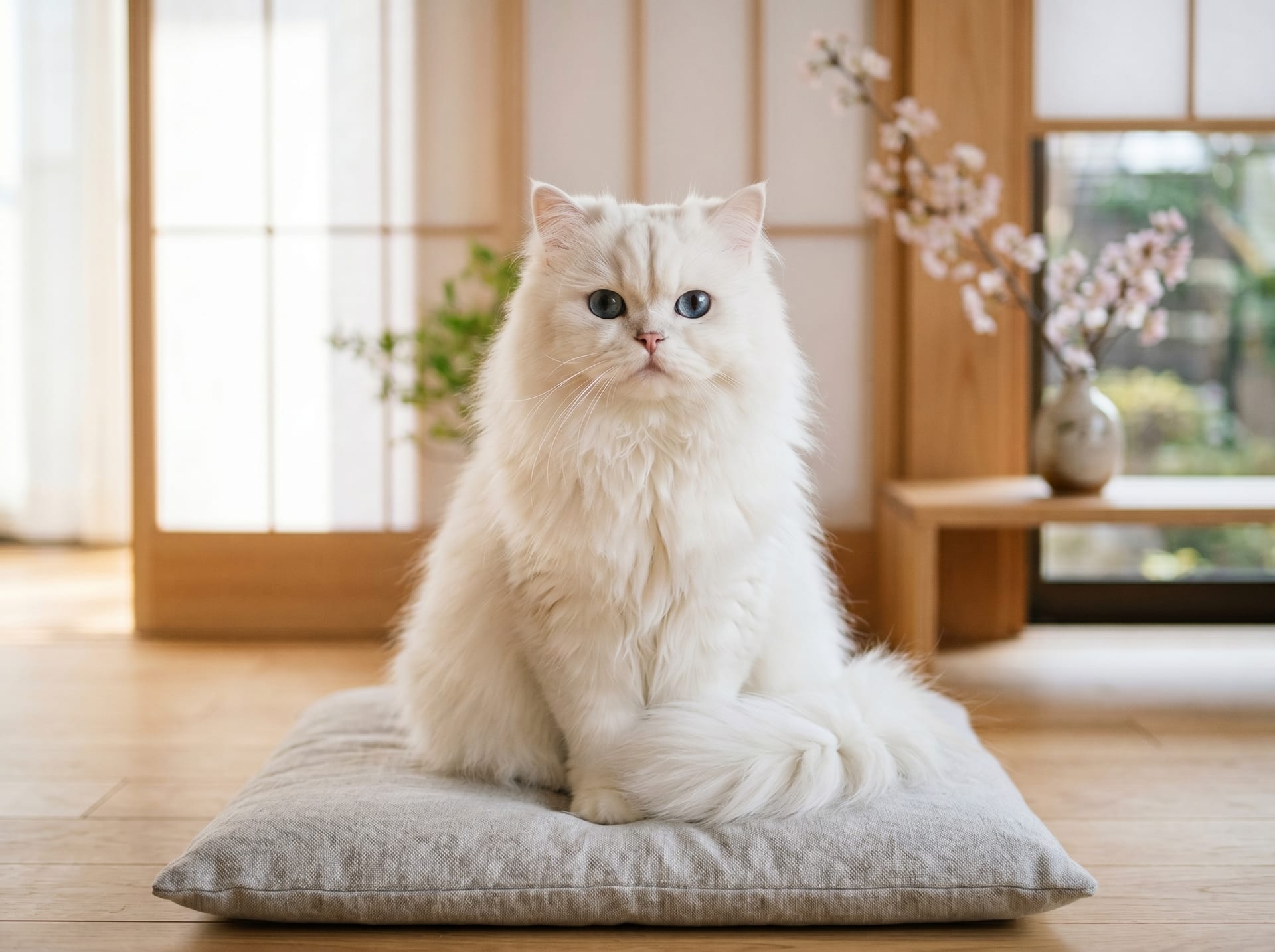
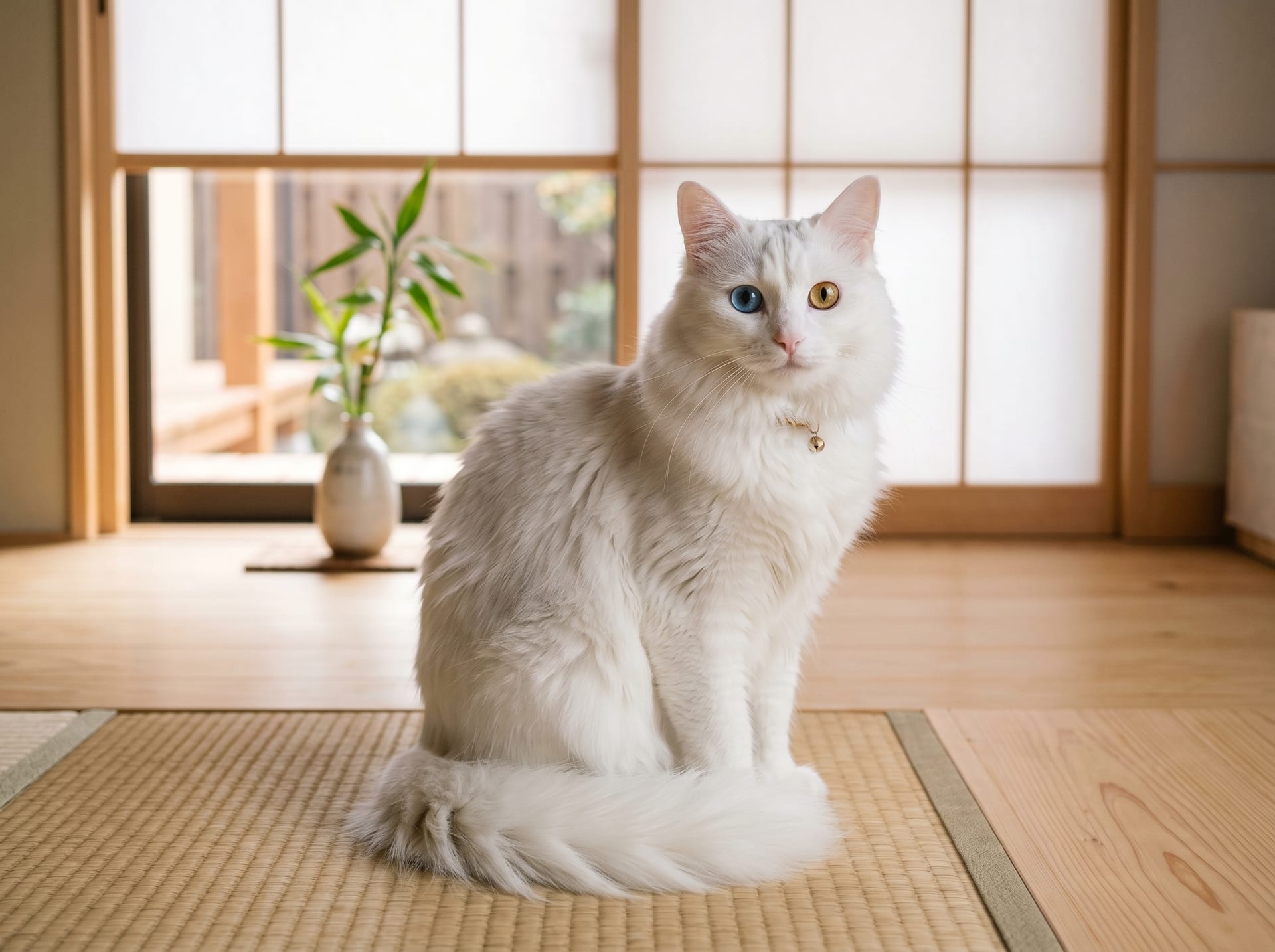
The Turkish Angora is one of the world's oldest long-haired cat breeds, originating from the Ankara region (formerly known as Angora) in Turkey. This elegant cat is characterized by a silk-like, fine and smooth coat, a graceful body structure, and a curious, social personality. While white individuals are the most famous, the breed comes in various color variations.
Characteristics and History of Turkish Angora
The Turkish Angora is a natural breed that has been cherished in Turkey for several centuries. It is believed that during the 17th and 18th centuries, the breed was brought to Europe and used in the development of the Persian cat. In the mid-20th century, pure individuals became scarce, and the "Ankara Zoo" in Turkey implemented a breeding preservation program that contributed significantly to breed conservation.
Physical Characteristics
- Body Type: Medium-sized semi-foreign build with a slender, elegant appearance
- Coat: Single-coated (with minimal undercoat) with a silky, fine texture. Medium-long in length with seasonal variations
- Eyes: Blue, green, or amber, with odd-eyes (different colored eyes) also recognized
- Tail: A distinctive plume-like tail (feathered appearance)
- Ears: Large and pointed with ear tufts
White Turkish Angoras with odd-eyes (one blue, one amber) are particularly beautiful and are cherished as national treasures in Turkey.
Personality and Behavioral Characteristics
Turkish Angoras are highly intelligent, active, and playful. They are social with humans and build good relationships with all family members.
Personality Traits
- Highly Curious: They take interest in anything new in the house and display problem-solving behaviors such as opening drawers
- High Exercise Needs: They enjoy high places and actively use cat walks and cat trees
- Social: They can get along well with dogs and other cats. They dislike being alone, making them poor at coping with long periods away from home
- Talkative: They vocalize in soft tones, but make clear demands when they want something
- Playful: They respond well to puzzle toys and interactive toys
Compared to the more independent Persian cat, Turkish Angoras tend to be more active and seek interactive playtime with their owners.
Coat Care and Daily Grooming
Since the Turkish Angora has a single coat, they do not require the frequent brushing that Persian cats need, but regular care is still necessary.
Brushing Frequency and Method
- Ideally brush 2-3 times per week
- During shedding seasons (spring and autumn), increase to 5-7 times per week to prevent matting and loose hair
- Use a slicker brush and comb, brushing gently in the direction of hair growth
- Static electricity is common, so take advantage of humid days or use anti-static spray
Bathing Bathing once every 1-2 months helps maintain coat shine. Use cat shampoo (products with silk and keratin ingredients work best) and dry thoroughly. White individuals show dirt more readily, making regular bathing especially important.
Eye Care White individuals and those with blue eyes tend to develop tear stains, so check and wipe away eye discharge 1-2 times per week.
Health Management and Genetic Diseases to Be Aware Of
Turkish Angoras are relatively hardy, but there are genetic considerations to keep in mind.
Deafness (Congenital Hearing Loss)
Individuals with white coats and blue eyes are known to have a higher risk of congenital hearing loss (congenital white deafness). Those with both blue eyes have a higher probability of hearing loss, while those with odd-eyes are more likely to experience unilateral deafness (hearing loss in one ear only).
Before purchase, it is recommended to confirm with breeders whether they conduct BAER testing (Brainstem Auditory Evoked Response testing). Even with hearing loss, cats can live healthy lives, but strict indoor living and careful guidance methods are necessary.
Hypertrophic Cardiomyopathy (HCM)
This is a heart disease that carries risk in long-haired cats in general. Regular cardiac ultrasound examinations (once per year) are recommended.
Joint Disorders
Given their high activity levels, care should be taken regarding joint stress. Landing from high cat trees can injure joints, so placing cushioned mats on the floor provides peace of mind.
Vaccinations and Regular Health Checkups
- Kittens: 3-in-1 or 5-in-1 combination vaccine (at 8, 12, and 16 weeks)
- Adult cats: Annual booster vaccine
- Health checkups 1-2 times per year (blood work and cardiac ultrasound)
Diet and Weight Management
Turkish Angoras are active with high metabolisms and require a diet containing high-quality protein.
Recommended Diet
- Main Food: High-protein, low-carbohydrate cat food (wet or complete nutrition dry food)
- Adult Cats (1-7 years old): Approximately 40-50 kcal per kg of body weight per day
- Senior Cats (7 years and older): Choose food containing joint support ingredients (glucosamine and chondroitin)
Scheduled feeding 2-3 times per day is easier for weight management than free-feeding, and gives cats something to look forward to, increasing mental satisfaction.
Pre-Purchase Checklist
When acquiring a Turkish Angora from a breeder, confirm the following points:
- BAER Testing History (Hearing Test): Essential for white-coated, blue-eyed individuals
- Parent Cat Health Certificates and Genetic Disease Screening: Confirm HCM testing history
- Pedigree Certificate: Breeders certified by CFA (Cat Fanciers' Association) or FIFe (International Cat Federation) are preferable
- Socialization Status: Whether the kitten had sufficient human contact during the 8-12 week socialization period
Summary
The Turkish Angora is a charming cat that combines a beautiful appearance with an intelligent and social personality. While they require sufficient playtime due to their active nature, they form deep bonds with their owners. Coat care is relatively low-maintenance, but it is important to understand genetic risks such as congenital hearing loss and acquire your Turkish Angora from a trustworthy breeder.