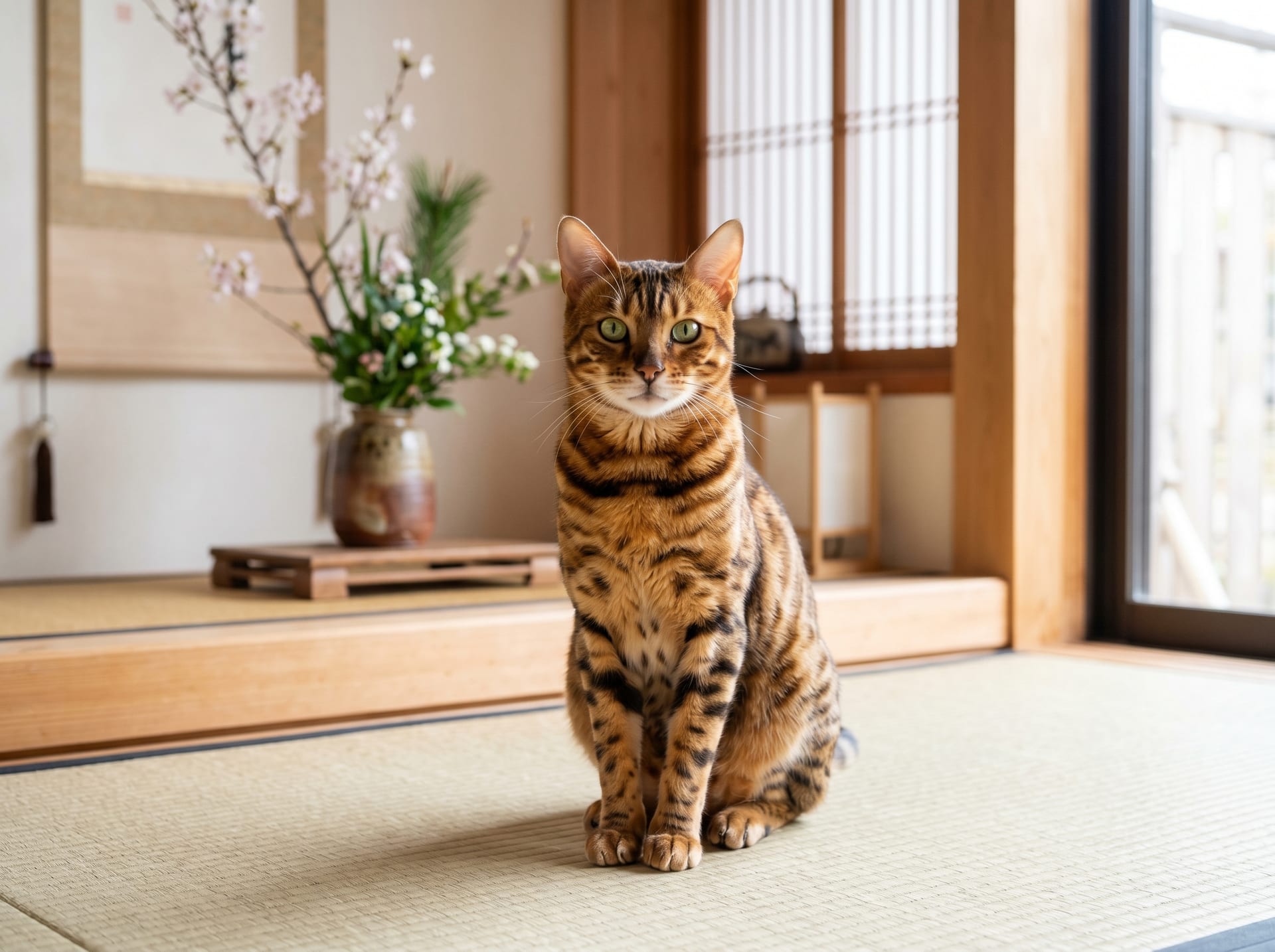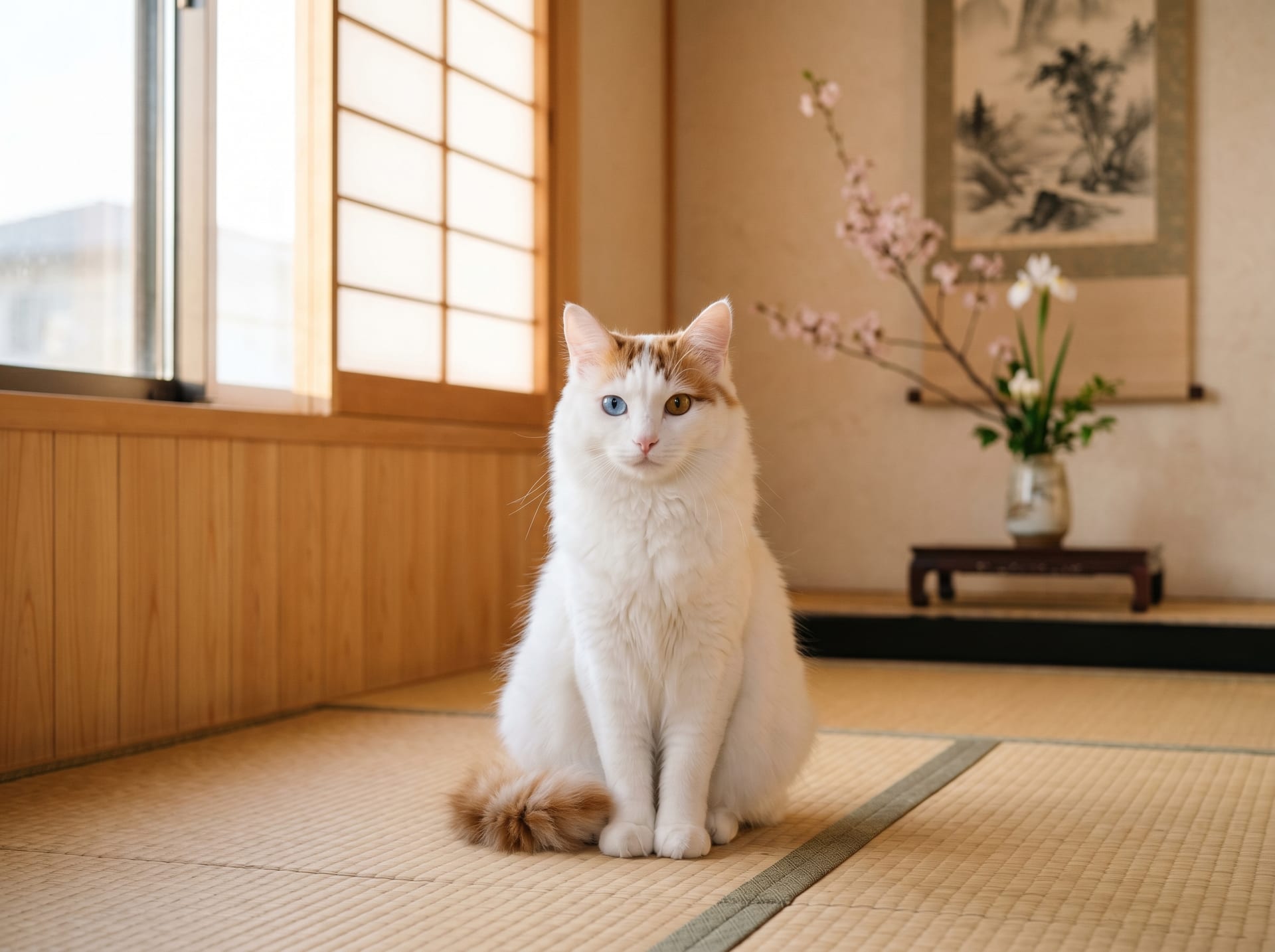
AI-generated image
Turkish Van
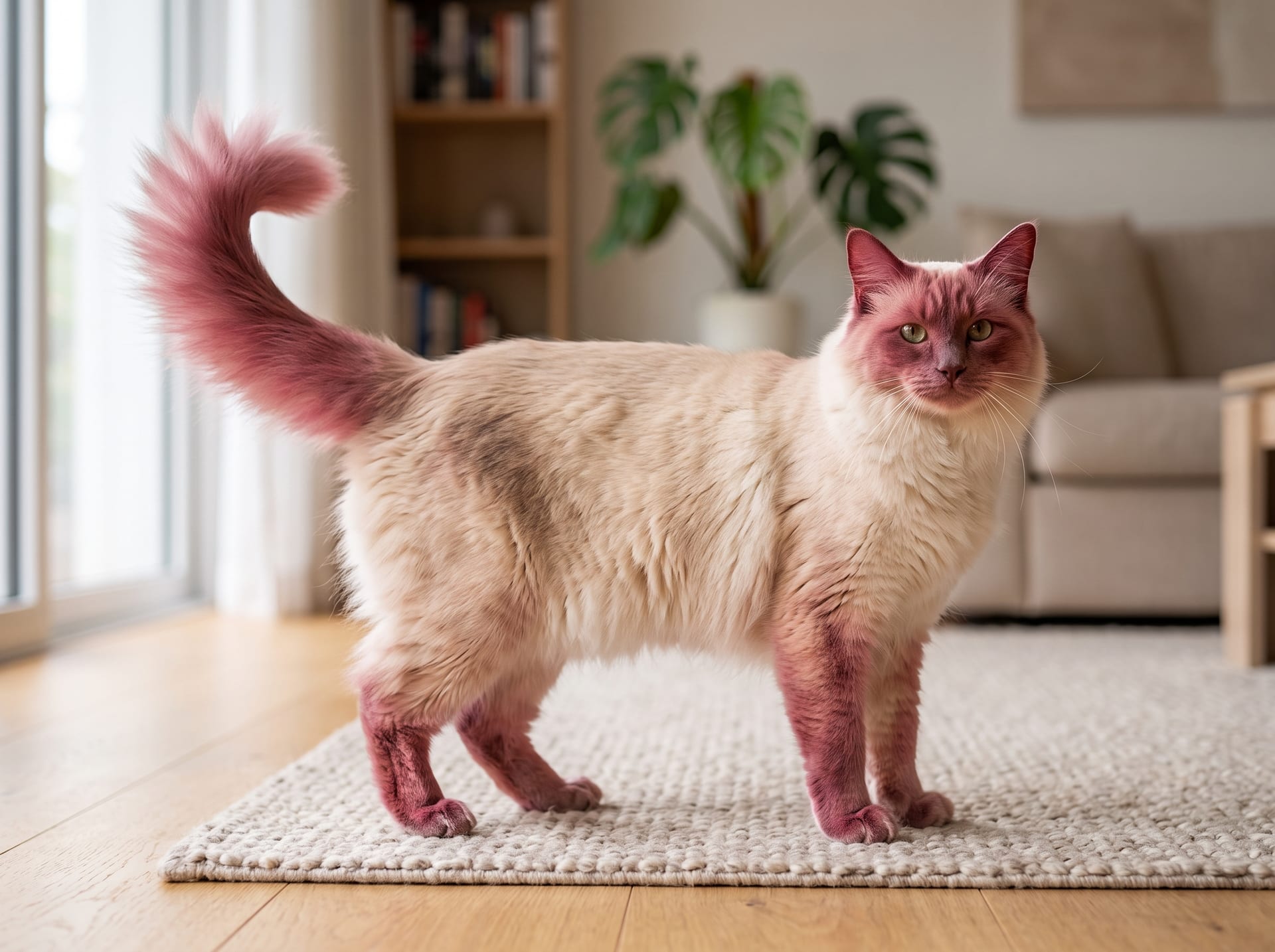
IntermediateUnique van pattern with color only on head and tail. 'Swimming cat' that loves water. Large and energetic.
Difficulty
Intermediate
Temperature
18〜28℃
Lifespan
12-17 years
Size
Weight 3-8.5kg
Diet
High-quality large-breed cat food.
About
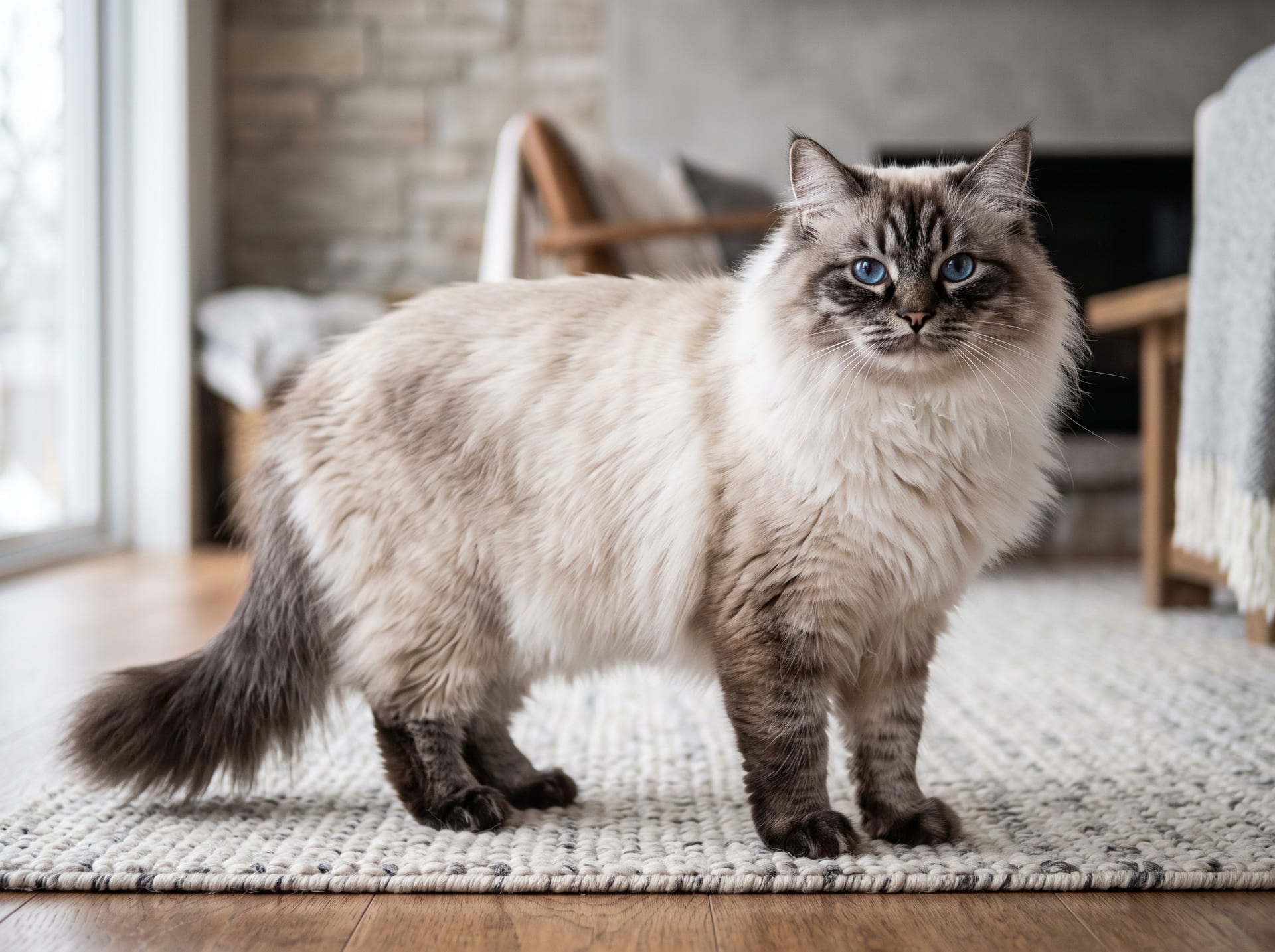
The Turkish Van is a semi-long-haired, standardised breed of domestic cat, which was developed during the 1950s the United Kingdom from a selection of cats obtained from various cities of modern-day Turkey, especially southeast Turkey. This rare cat breed is one of the larger ones, and is distinguished by the Van pattern, where the colour is restricted to the head and the tail, and the rest of the cat is white; this is due to the expression of the white spotting gene, a type of partial leucism. A Turkish Van may have blue or orange eyes, or be odd-eyed.
Source: Wikipedia (CC BY-SA 4.0)
Lifespan of the Turkish Van
The Turkish Van lives 12-17 years.
Size of the Turkish Van
The Turkish Van grows to Weight 3-8.5kg.
Basic Info
Origin
Turkey (Lake Van region)
Lifespan
12-17 years
Size
Weight 3-8.5kg
Temperature
18〜28℃
Diet
High-quality large-breed cat food.
Care Guide
References & Sources
Edited & verified by: BreederDirect editorial team
The taxonomic, regulatory, and husbandry data on this page are compiled and verified against the authoritative primary sources below.
Primary sources
Taxonomy & Authority
Accepted name: Linnaeus, 1758
Synonyms: Felis silvestris catus
Authority databases: GBIF · GBIF: Felis catus · TICA breed profiles · CFA breed profiles
Nomenclature follows global taxonomic authority databases.
Turkish Van Listings
Loading latest listingsFind listings for this species