Complete Guide to Raising Devon Rex Cats | A Wavy Curly-Coated, Affectionate Cat Breed
A comprehensive guide to caring for Devon Rex cats. Covers special grooming techniques for their curly short coat, managing poor thermoregulation, care for genetic disorders (muscular dystrophy and heart disease), and the importance of a high-protein diet.

Key Takeaways
A comprehensive guide to caring for Devon Rex cats. Covers special grooming techniques for their curly short coat, managing poor thermoregulation, care for genetic disorders (muscular dystrophy and heart disease), and the importance of a high-protein diet.
Related Species
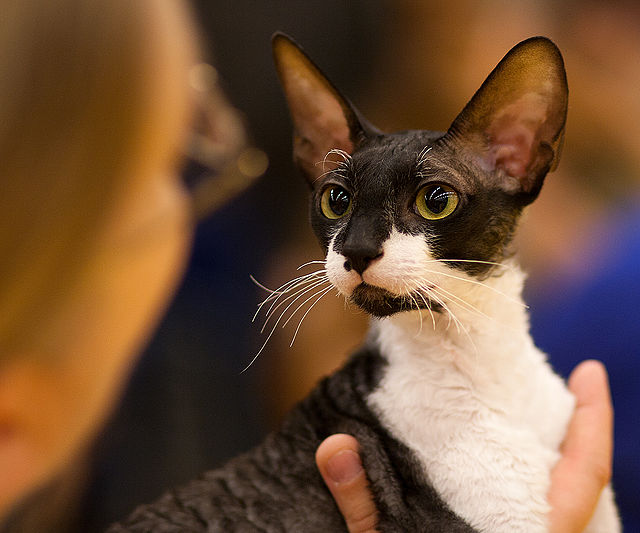
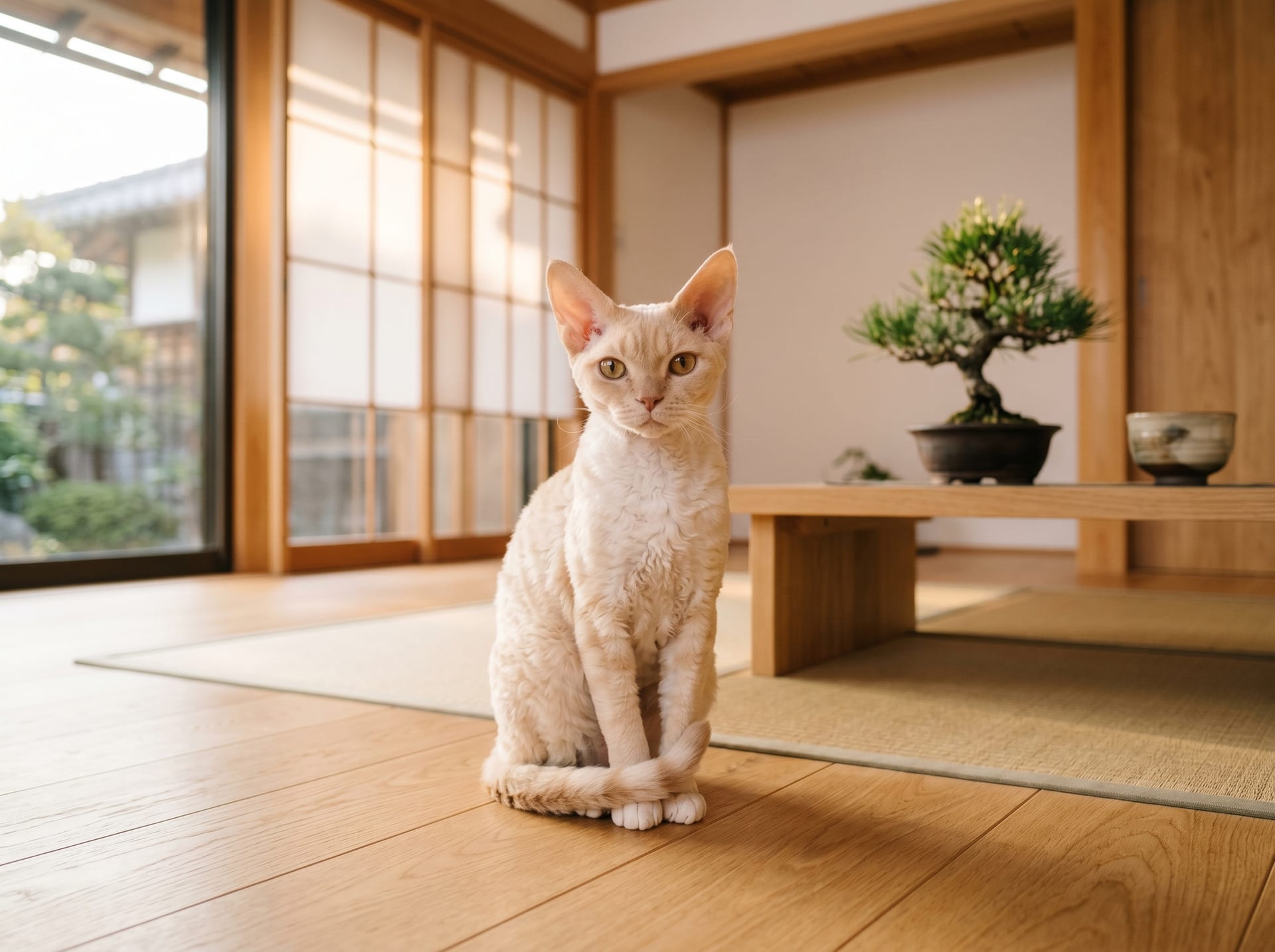
The Devon Rex is a cat breed discovered in 1959 as a natural mutation in Devonshire, England. It is characterized by wavy, curly short hair (curly coat), large ears, almond-shaped eyes, and a small body frame. It is also known by nicknames such as "Pixie Cat" and "Alien Cat," and has fans around the world due to its unique appearance and affectionate personality. This article provides a detailed explanation of basic Devon Rex care and health management.
Characteristics of the Devon Rex
Appearance
- Coat: The defining feature is the curly short hair covering the entire body (curly coat). The hair is extremely short with a wave pattern. The abdomen, underside of the neck, and inner sides of the limbs have thinner hair in some areas.
- Body Type: Compact and slender with well-developed musculature. Also described as having an "Elfin body."
- Weight: Approximately 2.5–4.5 kg (males tend to be slightly larger)
- Ears: Large bat-like ears positioned low on the sides of the head.
- Face: Round head, high cheekbones, large almond-shaped eyes, short nose. Features an elf-like appearance.
- Coat Color: Comes in all color and pattern variations.
Differences from the Cornish Rex
The Cornish Rex is often confused with the Devon Rex, so here are the key differences:
- Coat Difference: The Cornish Rex has only an undercoat with fine, curly hair. The Devon Rex has curly guard coat, intermediate coat, and undercoat—resulting from a different genetic mutation.
- Body Type Difference: The Cornish Rex has a longer, more slender body type (greyhound-like). The Devon Rex is more compact.
Personality of the Devon Rex
The Devon Rex is sometimes described as a "dog-like cat."
- Affection Toward Owners: They form strong attachments to their owners and tend to stay close by. They are called "heat cats" because they snuggle closely against their owner's body.
- High Intelligence and Playfulness: They love playing with toys and can adapt to agility training. Their high intelligence means they may open drawers or manipulate door handles.
- Sociability: They are naturally social and get along well with dogs and other cats. They dislike being alone and can develop separation anxiety.
- Vocalization: They meow moderately to communicate with their owners and enjoy interaction. However, they are not particularly vocal.
- Activity Level: They prefer high places and enjoy climbing cat trees, shelves, and the tops of refrigerators. They require active play and stimulation.
Coat Care
The curly coat of the Devon Rex requires special care different from other cats.
Grooming
- Brushing: 1–2 times per week. Use soft rubber brushes or slicker brushes with a gentle touch. Excessive pressure can break the curly hair or cause hair loss in thin areas.
- Bathing: Recommended 1–2 times per month. Devon Rex cats produce excess sebum, and oil buildup tends to accumulate on the back, neck, and ears. Use a mild cat shampoo.
- Ear Cleaning: The large ears accumulate dirt easily. Gently wipe with cotton approximately once per week.
- Nail Trimming: 1–2 times per month. Provide scratching posts as well.
- Tooth Brushing: Ideally daily (to prevent periodontal disease).
Thermoregulation Considerations
Devon Rex cats have thin coats and struggle with temperature regulation.
- Cold Weather Care: Maintain room temperature above 20°C. In winter, provide heaters, blankets, and carpets.
- Hot Weather Care: Thin fur does not mean they tolerate heat well. Use air conditioning to maintain temperatures of 28°C or lower.
- Warm Spaces: They prefer heated beds and heated carpets (with cat-appropriate temperature settings). Their preference for sitting on their owner's lap is due to seeking body warmth.
Nutritional Management
Importance of High-Protein Diet
Devon Rex cats are active and muscular, requiring a high-protein diet with appropriate fat content.
- Recommended Food: High-quality cat food with animal protein (chicken, fish, turkey, etc.) as the primary ingredient.
- Wet Food: Combining wet food is recommended to increase water intake.
- Treats: Offer high-protein treats in small amounts. Be mindful of excessive calorie intake.
Feeding Frequency and Amount
- Adult Cats: 2–3 times per day. Adjust portion size based on weight and activity level.
- Kittens: 3–4 times per day. Sufficient calories are needed during the growth period.
- Weight Management: Devon Rex cats tend to become overweight. Perform regular weight checks and maintain an ideal body condition.
Health Management and Common Genetic Disorders
Genetic Disorders Specific to Devon Rex
- Devon Rex Muscular Dystrophy (HRMD): A genetic disorder unique to Devon Rex cats caused by SOD1 gene mutations, resulting in muscle weakness, difficulty swallowing, and muscle atrophy. Symptoms may appear as early as 6–12 weeks of age. Genetic testing can identify carriers, and reputable breeders perform screening before breeding.
- Hypertrophic Cardiomyopathy (HCM): While common to many cat breeds, HCM has also been reported in Devon Rex cats. Regular cardiac ultrasound examinations are recommended.
Skin and Coat Issues
- Hair Loss: Curly coats are more prone to breaking and shedding than normal cat coats. Excessive grooming, stress, or nutritional deficiencies can increase hair loss.
- Excess Sebum Production (Seborrheic Dermatitis): Due to the thin coat and active sebaceous glands, oil buildup accumulates easily. Regular bathing addresses this issue.
- Allergic Dermatitis: Be alert for food allergies and environmental allergies.
Other Considerations
- Dental Disease: Devon Rex cats are prone to periodontal disease, making regular tooth brushing and veterinary check-ups important.
- Eye Problems: Their large eyes require attention for corneal inflammation and conjunctivitis.
Environmental Enrichment
Devon Rex cats need intellectual stimulation and exercise.
- Cat Trees: Since they prefer high places, tall cat trees reaching near the ceiling are ideal.
- Interactive Toys: Puzzle feeders, interactive toys, and motorized toys satisfy their intellectual needs.
- Playtime: Allocate 15–30 minutes of interactive play daily. "Wand-type" toys are particularly popular.
- Socialization: Provide opportunities to interact with other pets and people. If they spend long periods alone, consider getting a companion.
Bringing Home a Devon Rex
Key points when adopting from a reputable breeder:
- Genetic Testing Confirmation: Verify HRMD (muscular dystrophy) genetic test results. Ideally, both parents are Clear (negative), or at least one parent is Clear.
- Health Documentation: Confirm vaccination history, parasite treatment, and health examination records.
- Parental Personality: Observing the parents' personality and sociability provides insight into the kitten's temperament.
The Devon Rex is a captivating breed that brings richness to your life with its unique appearance and affectionate nature. With proper health management and loving care, you can spend 12–15 years or more together. On BreederDirect, you can connect directly with breeders who specialize in Devon Rex cats and consult in advance about genetic test results, health status, and the individual personality of each cat.