Toxicity Classification System: What Defines "Danger"?
Before purchasing tarantulas or scorpions, you must first understand how "toxicity strength" is measured. The standard used by experts is the concept of medical significance. This refers to "the level where a sting or bite could cause serious harm to life or function without medical treatment." It's not simply about "whether venom exists," but rather "whether hospital transport is necessary" becomes the determining factor.
Tarantula toxicity is easily understood when viewed as a spectrum. Most species possess venom glands, but their medical impact on humans is comparable to or less severe than a bee sting. However, some Old World species (native to Africa, Asia, and the Middle East) contain neurotoxic components, and cases of prolonged symptoms or systemic reactions have been reported. For individuals with allergies, even mildly toxic species carry the risk of anaphylaxis, making them subject to "medically significant" classification as well.
Scorpion toxicity is often categorized on a five-point scale. Levels 1–2 cause only localized pain and naturally resolve. Level 3 produces systemic symptoms (sweating, muscle cramps) but is recoverable for healthy adults. Levels 4–5 feature powerful ion-channel-disrupting neurotoxins capable of causing respiratory paralysis and cardiac arrest if untreated. Among scorpions globally, only approximately 30–50 species are considered medically significant, while the remaining 2,500+ species present relatively low risk.
---
Safe Species for Beginners: What Specifically to Choose
Tarantulas
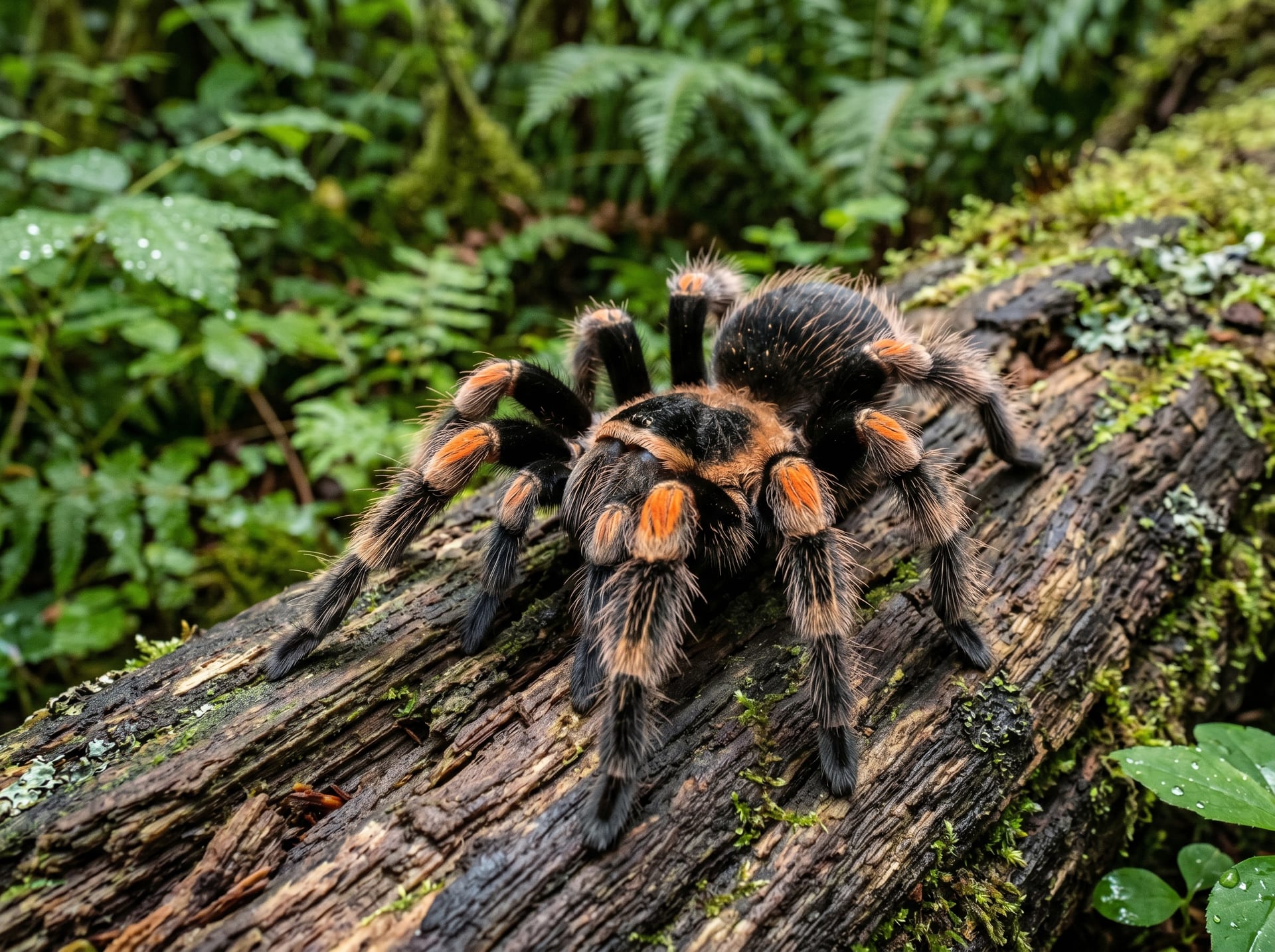
- Chilean Rose Hair (Grammostola rosea / G. porteri): A New World species from South America. Toxicity is extremely low with few recorded bite incidents. Moves slowly and has a docile temperament. However, they often undergo extended fasting periods (months to a year), so it's crucial not to mistake "not eating" for an abnormal condition.
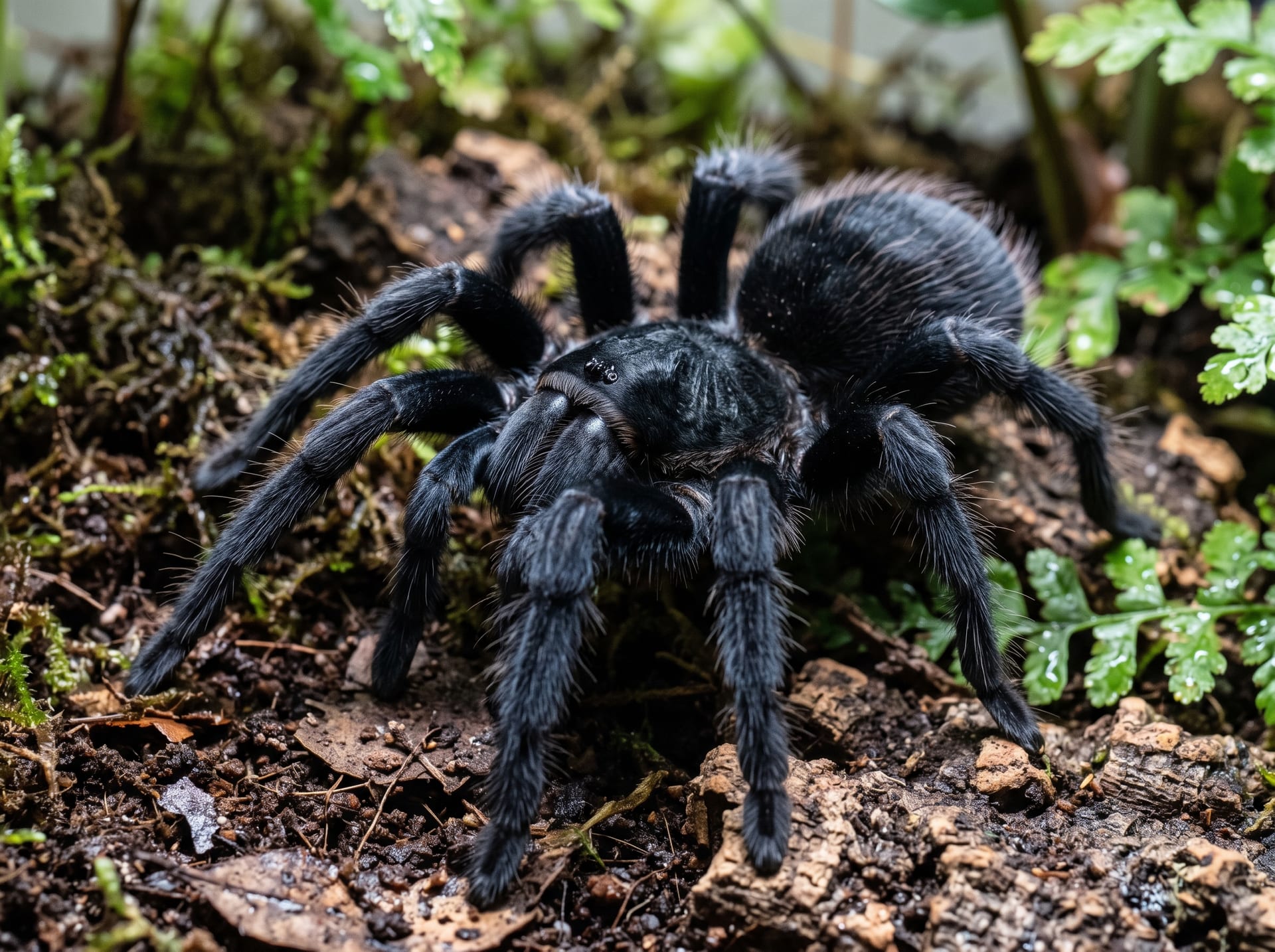
- Brazilian Black (Grammostola pulchra): A New World species from the same genus. Distinguished by its solid black coloration and docile temperament. Growth is slow and availability is limited, but if obtainable, it's ideal for beginners. Its toxicity spectrum is equivalent to the Chilean Rose Hair.
- Arizona Blonde/Central American Blonde (Aphonopelma chalcodes / A. seemanni): Native to North and Central America. Easy to maintain in dry conditions with no medical significance. Tends to rely on urticating hairs (irritating hairs) as a defense mechanism rather than biting.
What these three species have in common is "New World origin + low metabolism + defense mechanism based primarily on urticating hairs rather than biting." Urticating hairs cause itching when they contact skin or eyes, but this is separate from toxicity risk and can be managed with handwashing and eye protection after handling.
Scorpions
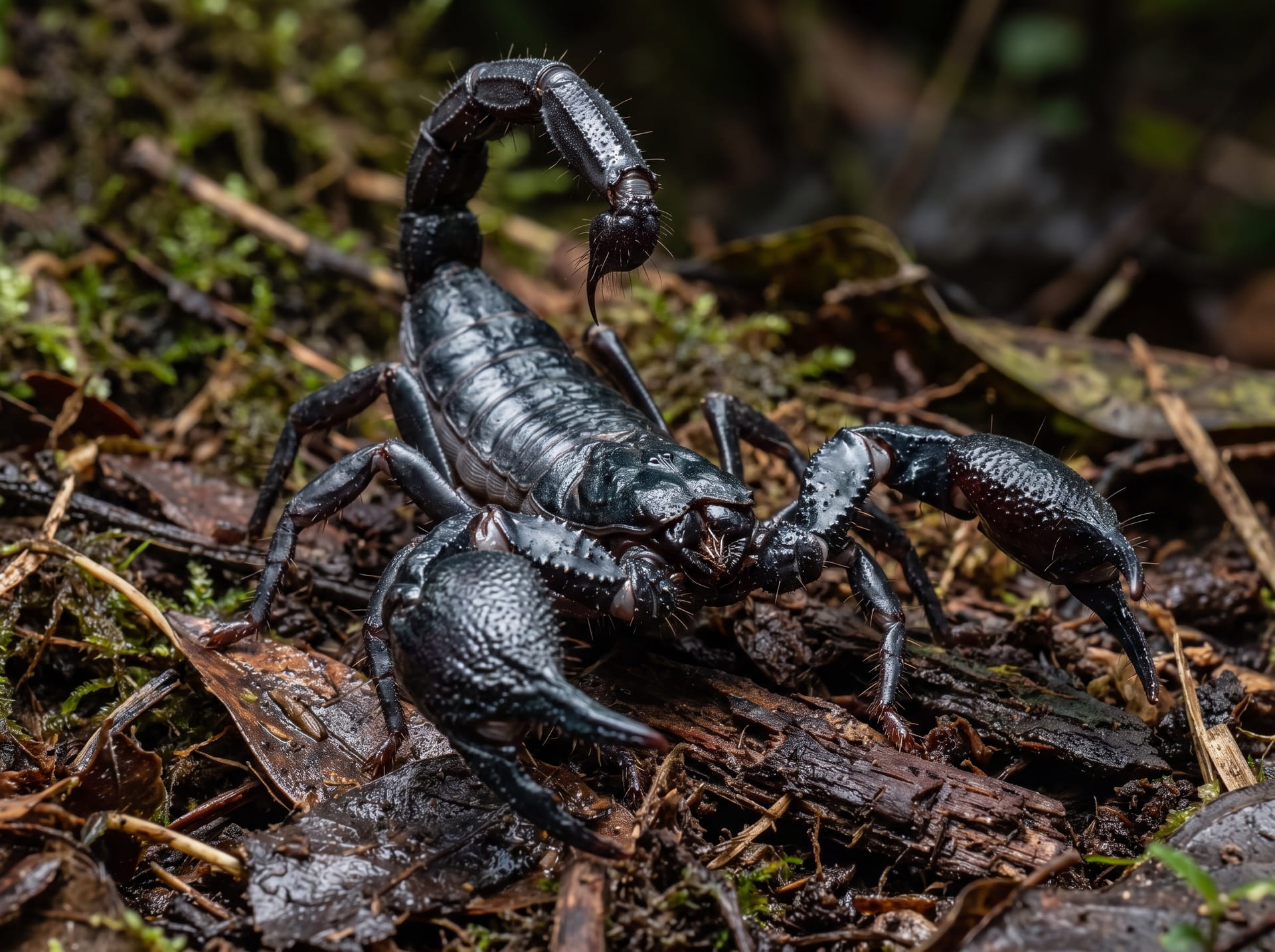
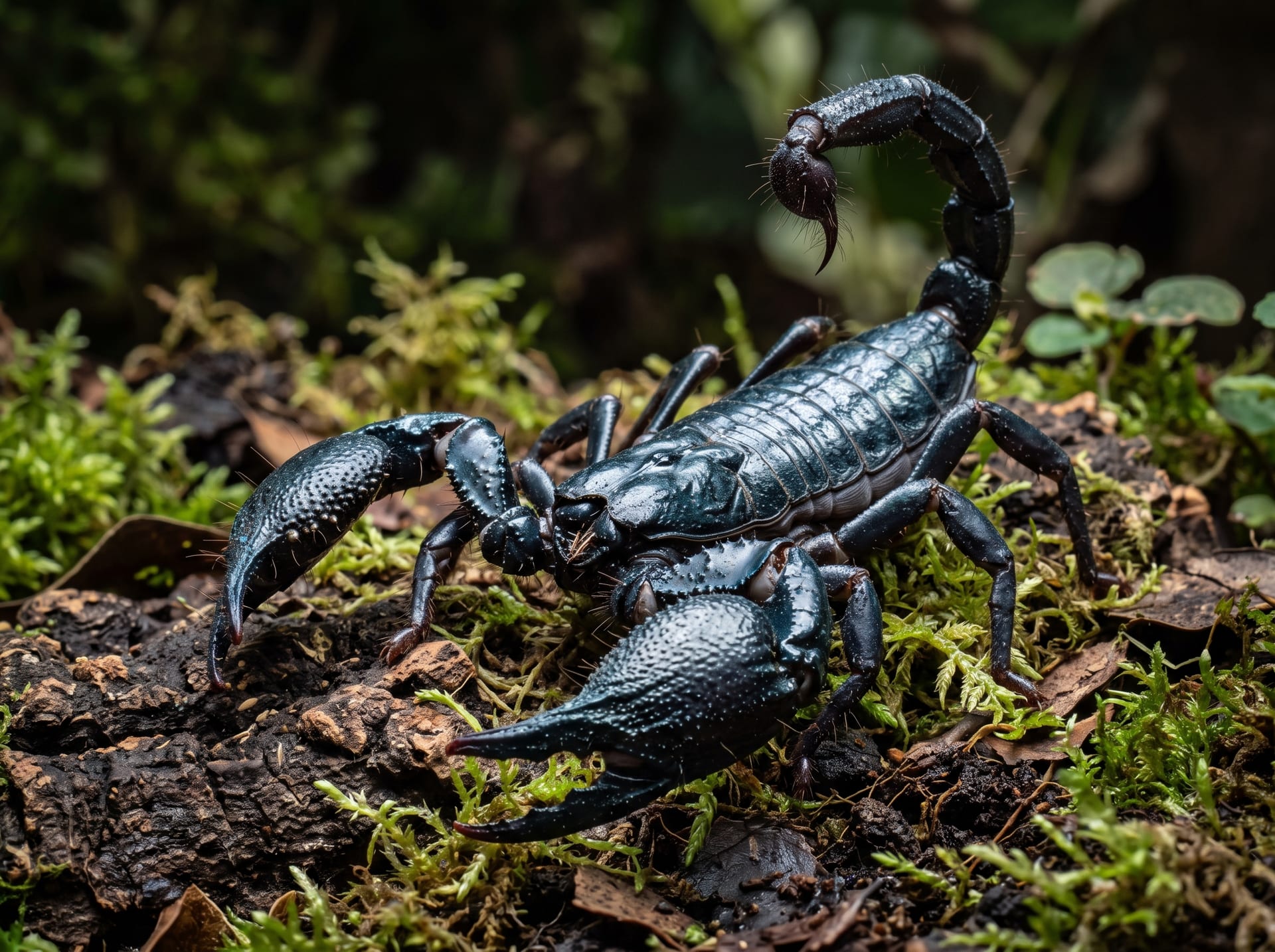
- Emperor Scorpion (Pandinus imperator): Native to West Africa. Despite being large at 15–20 cm, it has low toxicity comparable to a honeybee sting. It ranks at toxicity levels 1–2. The most common pet species, and because it's listed on CITES Appendix II, always verify that your specimen was legally obtained.
- Asian Forest Scorpion (Heterometrus genus): Native to Southeast Asia. Similar low toxicity to the Emperor, ranking at level 2. Prefers humid environments and adapts well to Japan's climate. However, individuals tend to be more aggressive than Emperor Scorpions, and handling is not recommended.
---
Dangerous Species to Never Keep Under Any Circumstances
Scorpions
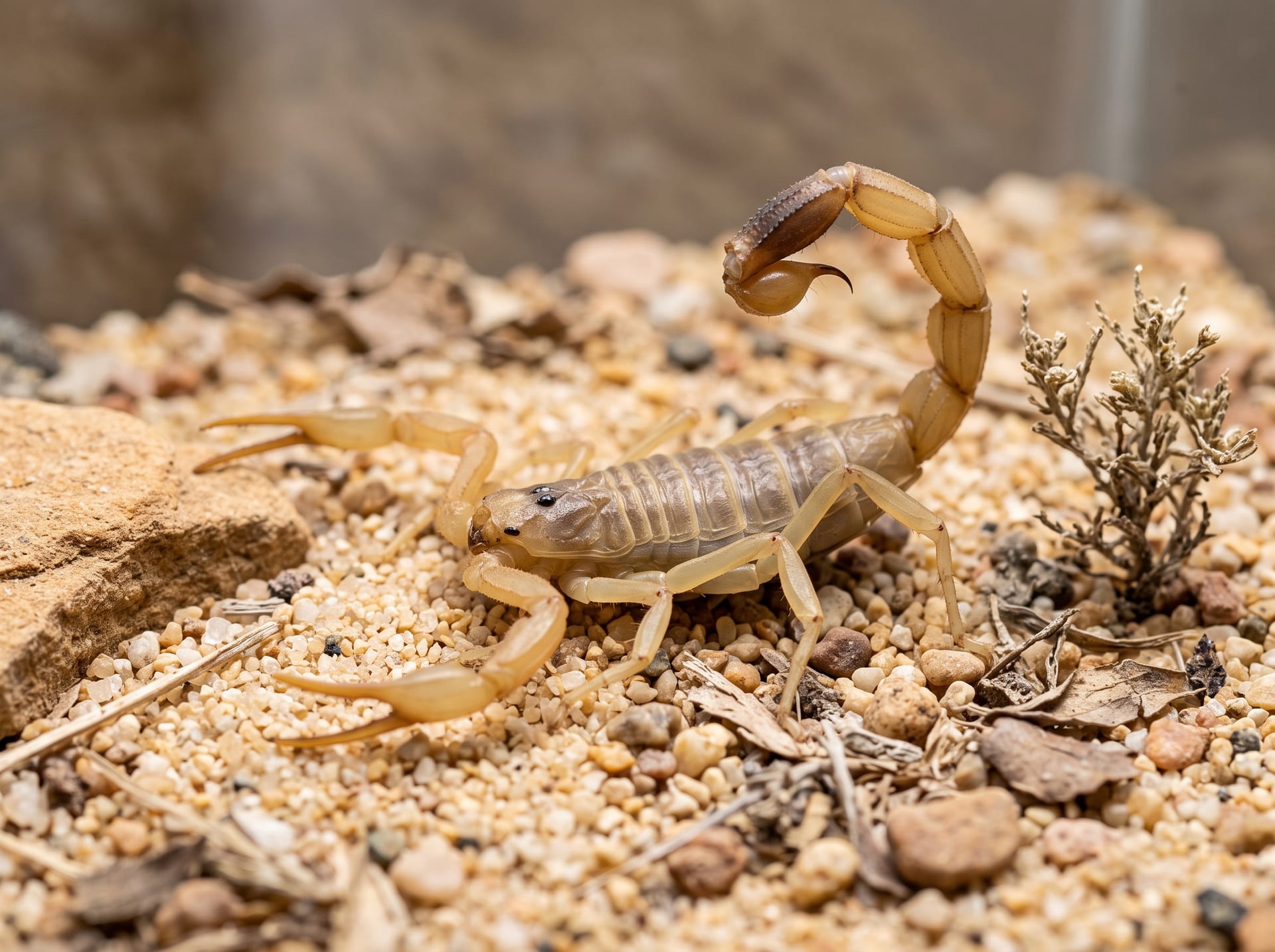
- Androctonus genus: Native to North Africa and the Middle East. Toxicity level 5. Its neurotoxins (such as chlorotoxin) target cardiac and respiratory muscles, with high mortality if untreated. A. australis (Yellow Scorpion) is considered one of the world's most dangerous scorpions.
- Leiurus quinquestriatus (Deathstalker): From the Middle East and North Africa. Toxicity level 5. Has one of the lowest LD50 values among scorpions (lethal in small quantities), and is especially dangerous for children, elderly, and immunocompromised individuals. While rare in Japan, it's obtainable through international online sellers, so caution is warranted.
- Parabuthus and Tityus genera: Include toxicity level 4–5 species from Africa and South America. Always verify toxicity classification at the genus level before purchase.
Tarantulas
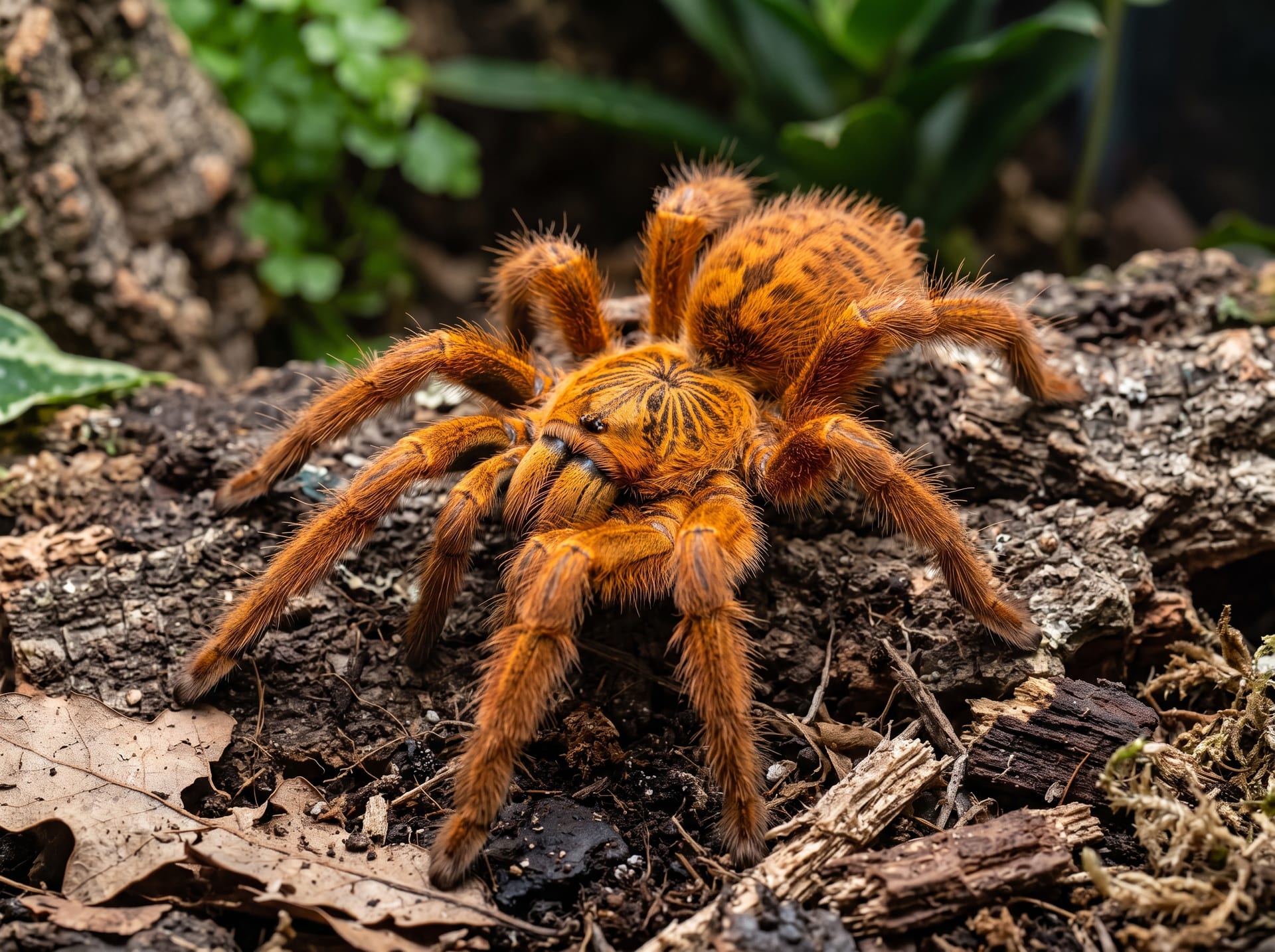
- OBT (Orange Baboon Tarantula / Pterinochilus murinus): An Old World species from Africa. Extremely aggressive with numerous bite incidents recorded. Bites can result in severe localized pain, muscle cramps, and swelling lasting several days. Even experienced keepers must handle with extreme caution.
- Poecilotheria genus: From India and Sri Lanka. Has the highest bite incident rate among Old World species, with reports of prolonged muscle cramps and systemic fatigue. Popular for its striking appearance, but completely unsuitable for beginners.
- Widow Spiders (Latrodectus genus): Possess α-latrotoxin and are medically significant. However, they are typically traded through channels separate from general tarantula commerce.
---
Pre-Purchase Risk Assessment Checklist
Before making a purchase, verify the following five items. If any answer is "no," strongly consider postponing the purchase or switching to a safer species.
- Origin verification: Confirm whether the specimen is a New World species (North/South America) or Old World species (Africa, Asia, Middle East). Old World species are generally more toxic and lack urticating hairs, relying more heavily on bites for defense.
- Genus-level toxicity classification verification: Reference toxicity data from specialized websites (The Scorpion Files, Theraphosidae.com, etc.) using the common and scientific names. Use literature-based information rather than relying on subjective impressions of "safety."
- Japan's legal status verification: Check whether the species is listed as a designated alien species, designated animal, or on CITES appendices (see below).
- Emergency access verification: Confirm the availability of hospitals capable of emergency treatment within 30 minutes of your home. For high-toxicity species, creating a list of medical facilities with nighttime coverage is recommended.
- Vendor credibility verification: Confirm whether the seller provides scientific name, origin, hatching date, and care history. Shops selling only by common names ("tarantula" or "scorpion") are deemed to have insufficient information disclosure.
---
Japan's Legal Regulations: Three Laws to Verify Before Keeping
Before keeping tarantulas or scorpions in Japan, you must understand the following legal frameworks.
Invasive Alien Species Act (Designated Alien Species): Currently, major pet tarantula and scorpion species are not designated as alien species, but since the list is regularly reviewed, always check the latest Ministry of the Environment list.
Animal Welfare Management Act (Designated Animals): Some venomous animals are classified as "designated animals," requiring notification to the prefectural governor and compliance with facility standards. Some scorpion species may be subject to this designation, so verify with your prefectural animal welfare office before purchase.
Convention on International Trade in Endangered Species (CITES): Pandinus imperator (Emperor Scorpion) is listed on CITES Appendix II, and domestic sales of specimens without proper import permits are illegal. At purchase, request documentation (CITES certificate or equivalent). Undocumented specimens at bargain prices may be smuggled goods.
---
Emergency Response Protocol for Stings and Bites
First, Identify: What Stung or Bit You
Keep the scientific name of your species written down in advance. It changes the treatment approach in emergency care.
If symptoms are localized only (pain, swelling, redness confined to the bite site)
→ Wash with running water → Cool → Observe for 30 minutes to 1 hour. If symptoms don't spread, observation is appropriate. However, for Old World tarantulas or scorpions of toxicity level 3 or higher, consider seeking medical attention as a precaution.
If any of the following symptoms develop, seek emergency care immediately:
- Difficulty breathing or throat tightness
- Generalized muscle cramps or paralysis
- Sweating, salivation, or pupil changes (autonomic symptoms)
- Low blood pressure or altered consciousness
- Non-skin symptoms in individuals with allergic history
Information to provide when contacting a hospital:
- Species name (scientific name) and origin
- Time of sting/bite
- Current symptoms and progression speed
- Allergic history and current medications
Few hospitals in Japan stock antivenin for snakes or venomous creatures. If keeping high-toxicity species such as Androctonus or Leiurus (levels 4–5), it's recommended to contact nearby hospitals in advance. The Japan Poison Information Center (072-727-2499) operates 24/7 and can assist with symptom consultation and hospital referrals.