Exotic Invertebrate Encyclopedia — 70 Species Directory
Encyclopedia of popular exotic invertebrates—tarantulas, scorpions, centipedes and more—with care guides, traits, and difficulty levels.
Showing 70 of 70 species(1–24)
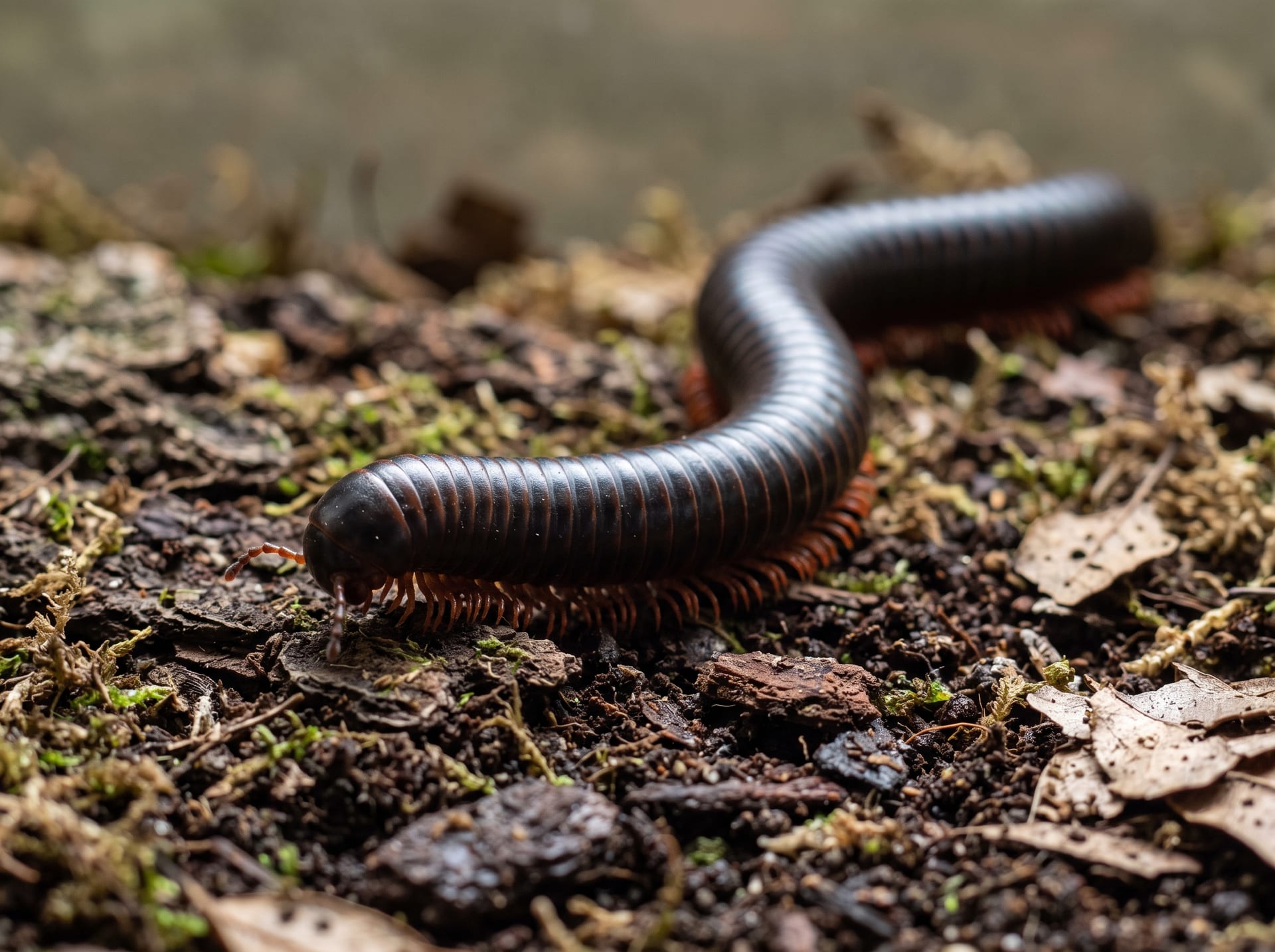
African Giant Millipede
Archispirostreptus gigas
One of the world's largest millipedes, reaching 30cm+. Slow-moving with many legs. Non-venomous and docile — popular as a handleable exotic. Detritivore eating decaying matter.
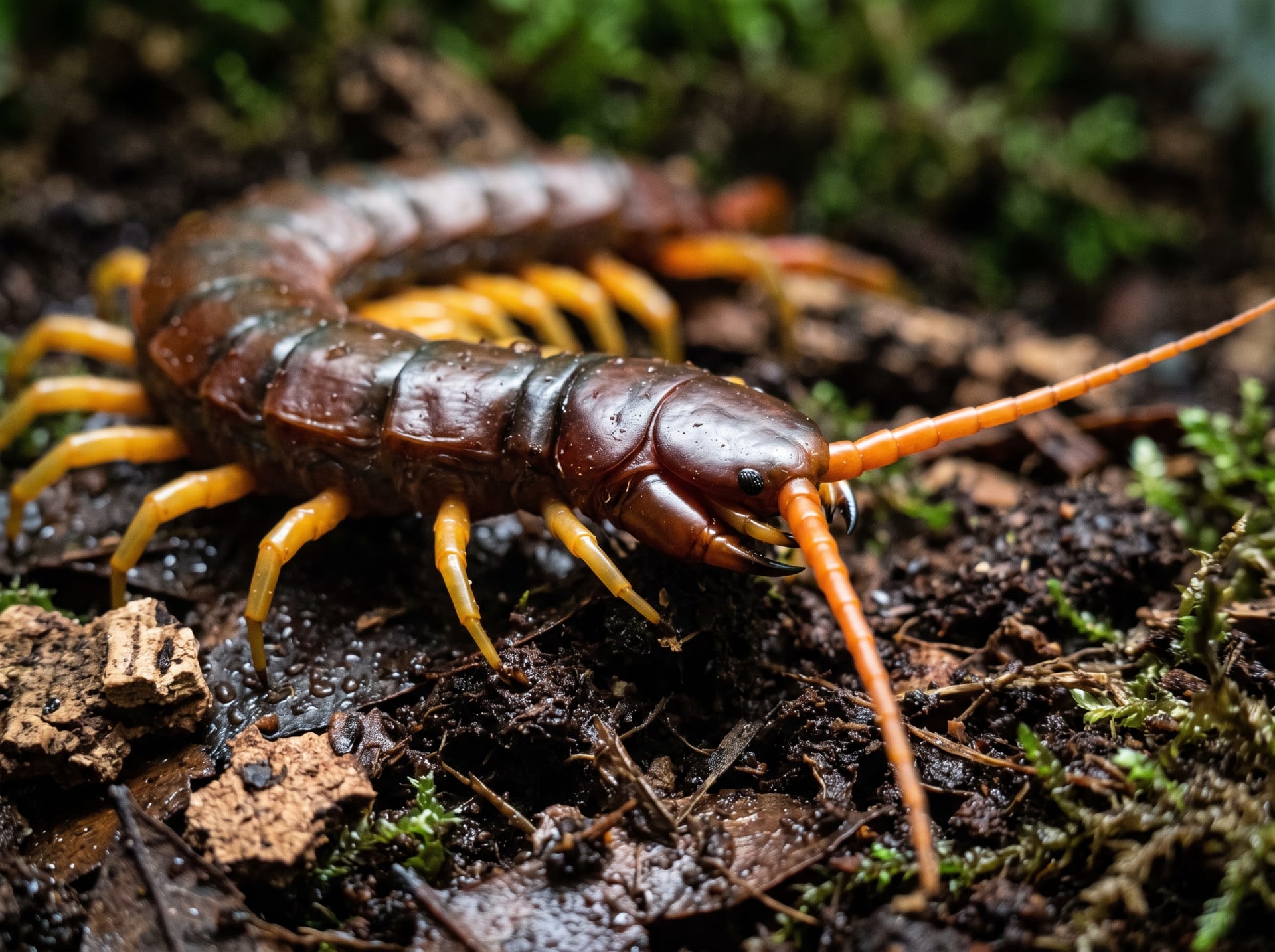
Amazonian Giant Centipede
Scolopendra viridicornis
A large South American species admired for its greenish legs and antennae. It reaches close to 20 cm, is fast and defensive, and its bite is painful, suiting experienced keepers.
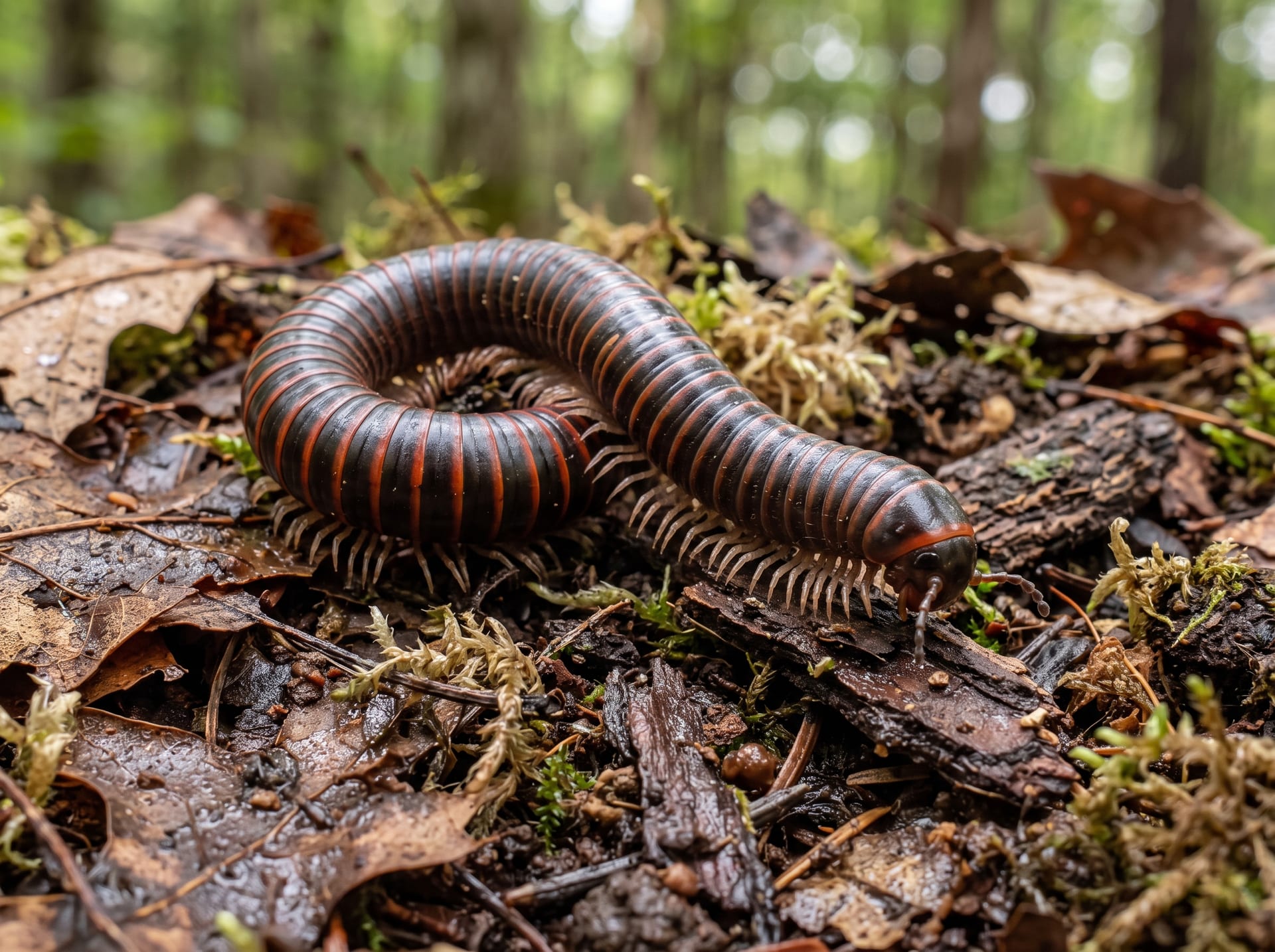
American Giant Millipede
Narceus americanus
A large, hardy millipede from eastern North America with a brown body ringed in red, and a gentle detritivore that is one of the best beginner species.
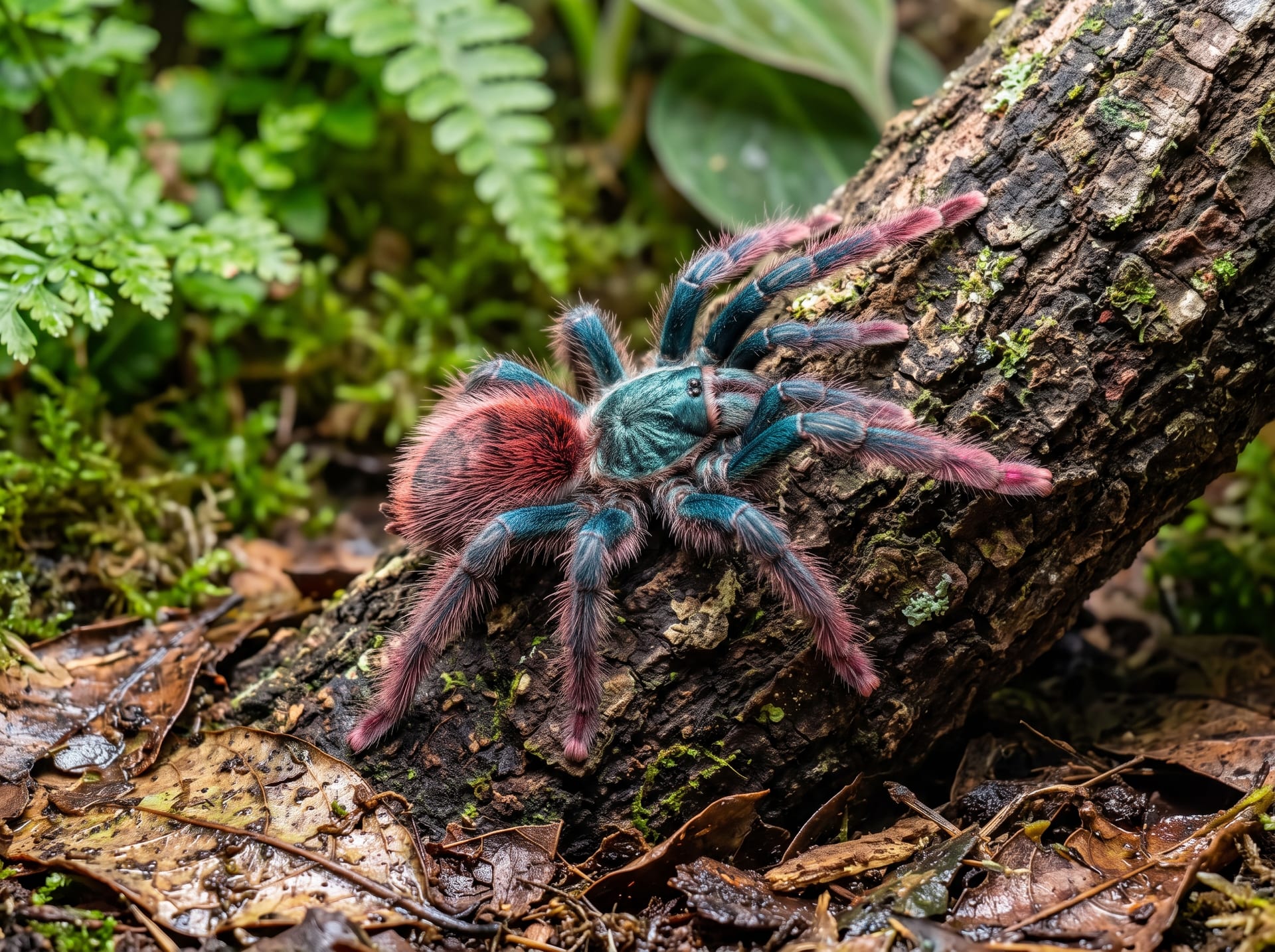
Antilles Pinktoe
Caribena versicolor
An arboreal beauty from Martinique that shifts from blue slings to an iridescent green-red-violet adult. Requires a careful balance of humidity and ventilation, making it an intermediate species.
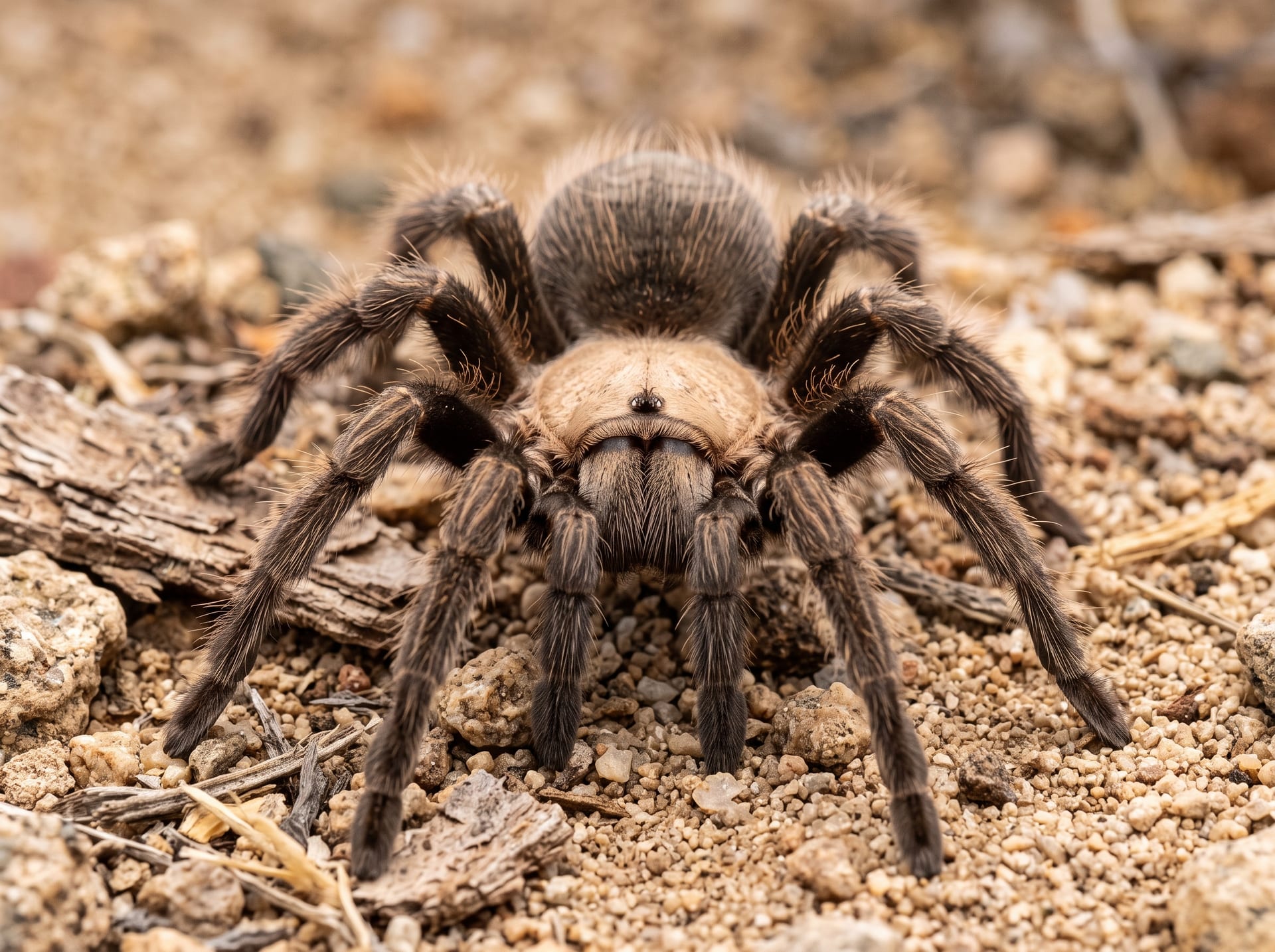
Arizona Blonde
Aphonopelma chalcodes
A North American desert terrestrial species clad in pale blonde hair. Very docile, drought-hardy and long-lived, though famously slow-growing.
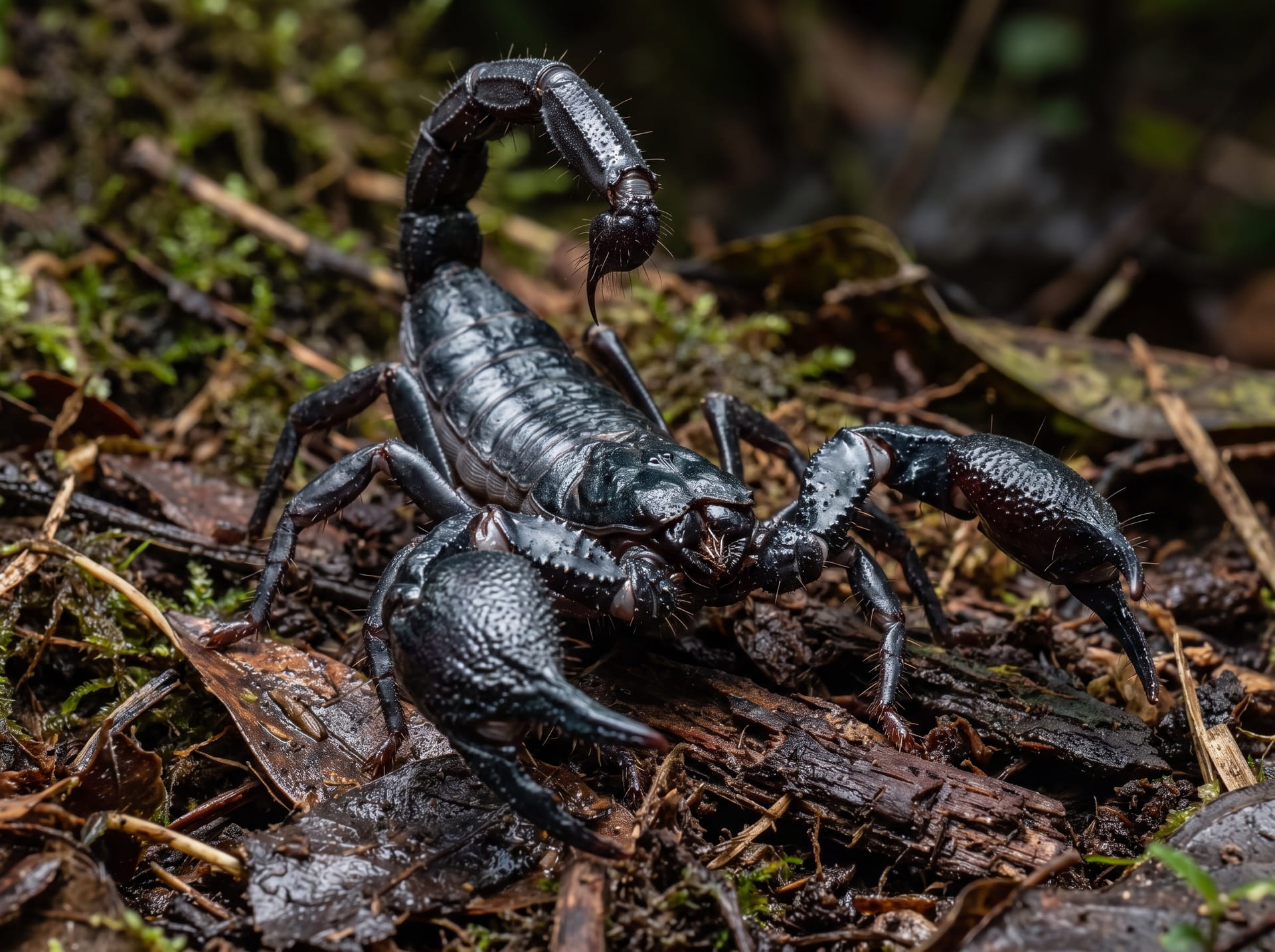
Asian Forest Scorpion
Heterometrus spinifer
A large glossy-black scorpion from Southeast Asian rainforests. Its venom is mild (bee-sting-like) but it is defensive with powerful pincers, and it thrives in high humidity.
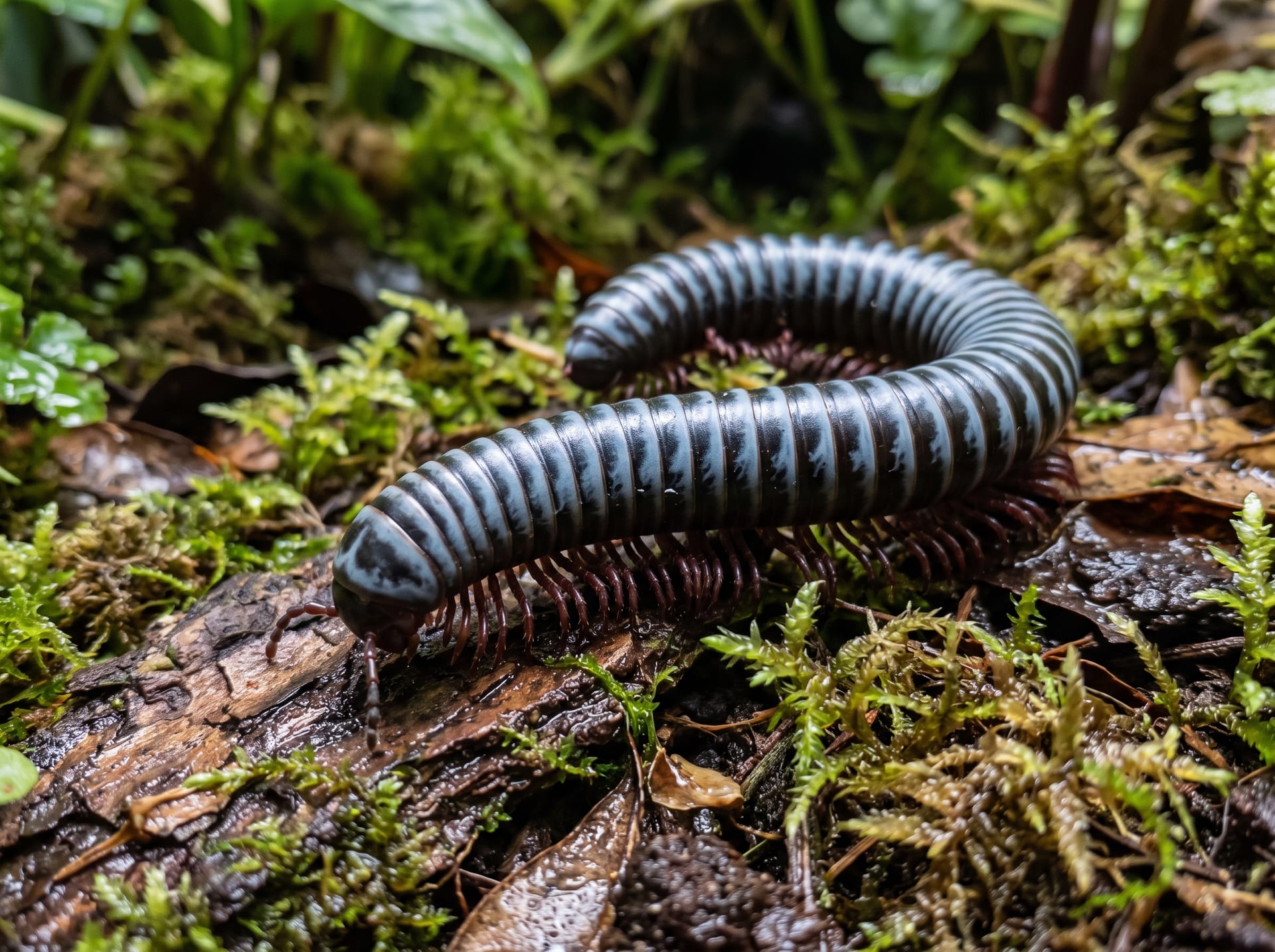
Blue Cloud Millipede
Tonkinbolus dollfusi
A medium-sized Southeast Asian species prized for the bluish bands ringing its dark body; gentle and slow-moving but sensitive to temperature swings and needing steady warmth and humidity, so better suited to keepers with some experience.
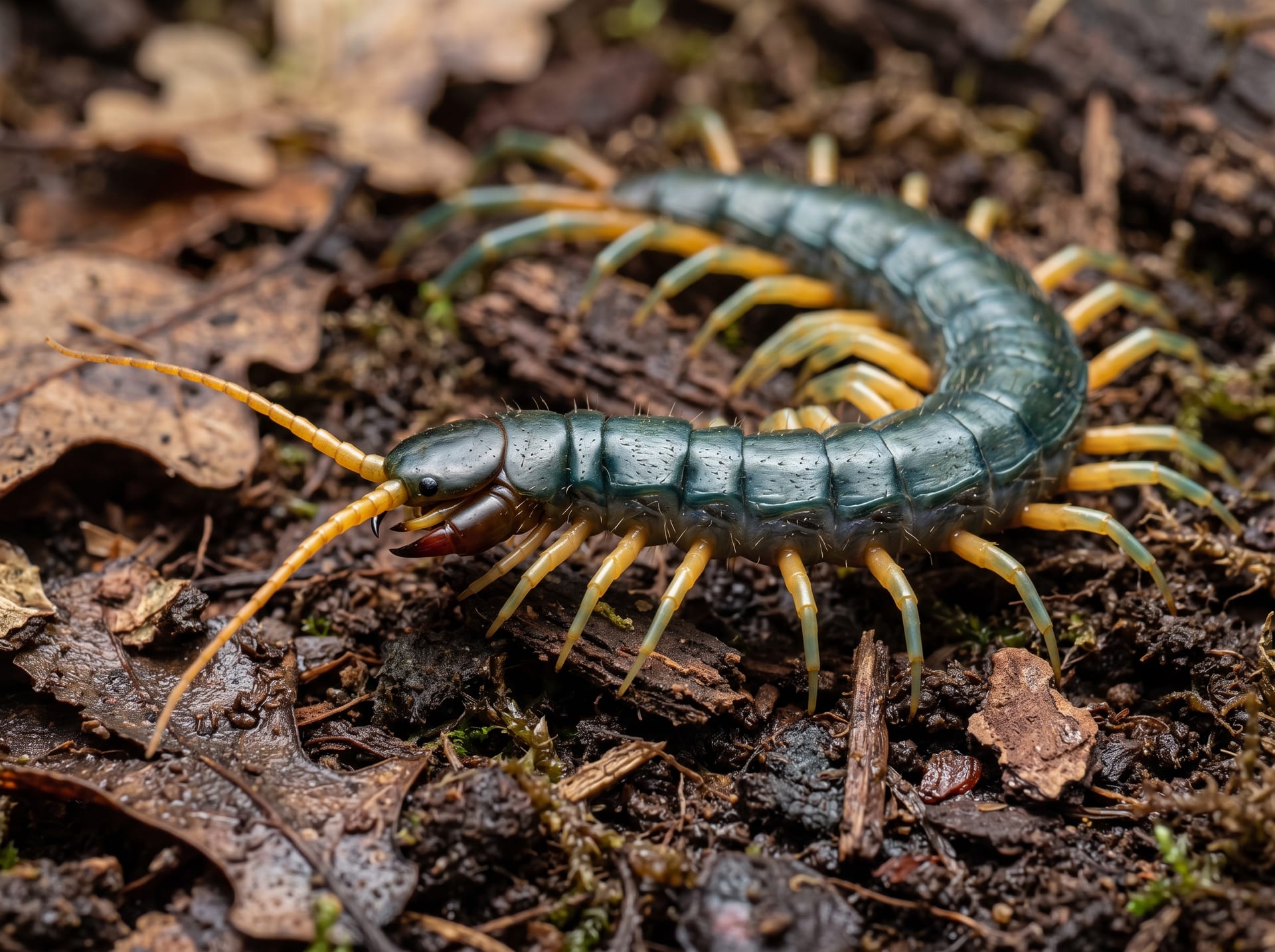
Blue Japanese Centipede
Scolopendra japonica
A Japanese centipede named for its bluish-tinged head, somewhat smaller than the Japanese giant centipede. It is quick and defensive, with a painful bite.
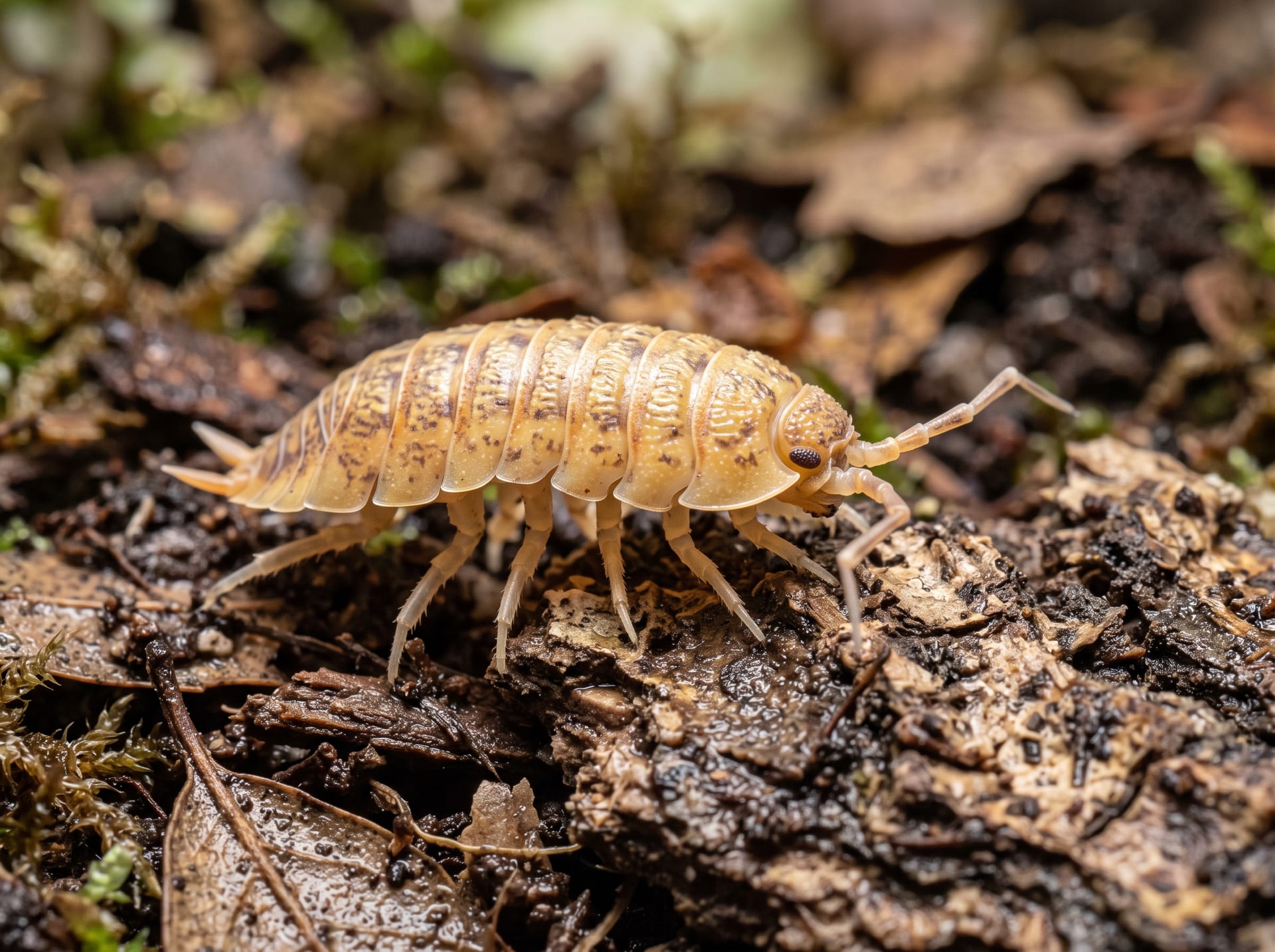
Bolivari Isopod
Porcellio bolivari
A Spanish isopod popular for its contrasting patterning. It prefers drier, calcium-rich setups; fast but a harmless detritivore with no bite or venom.
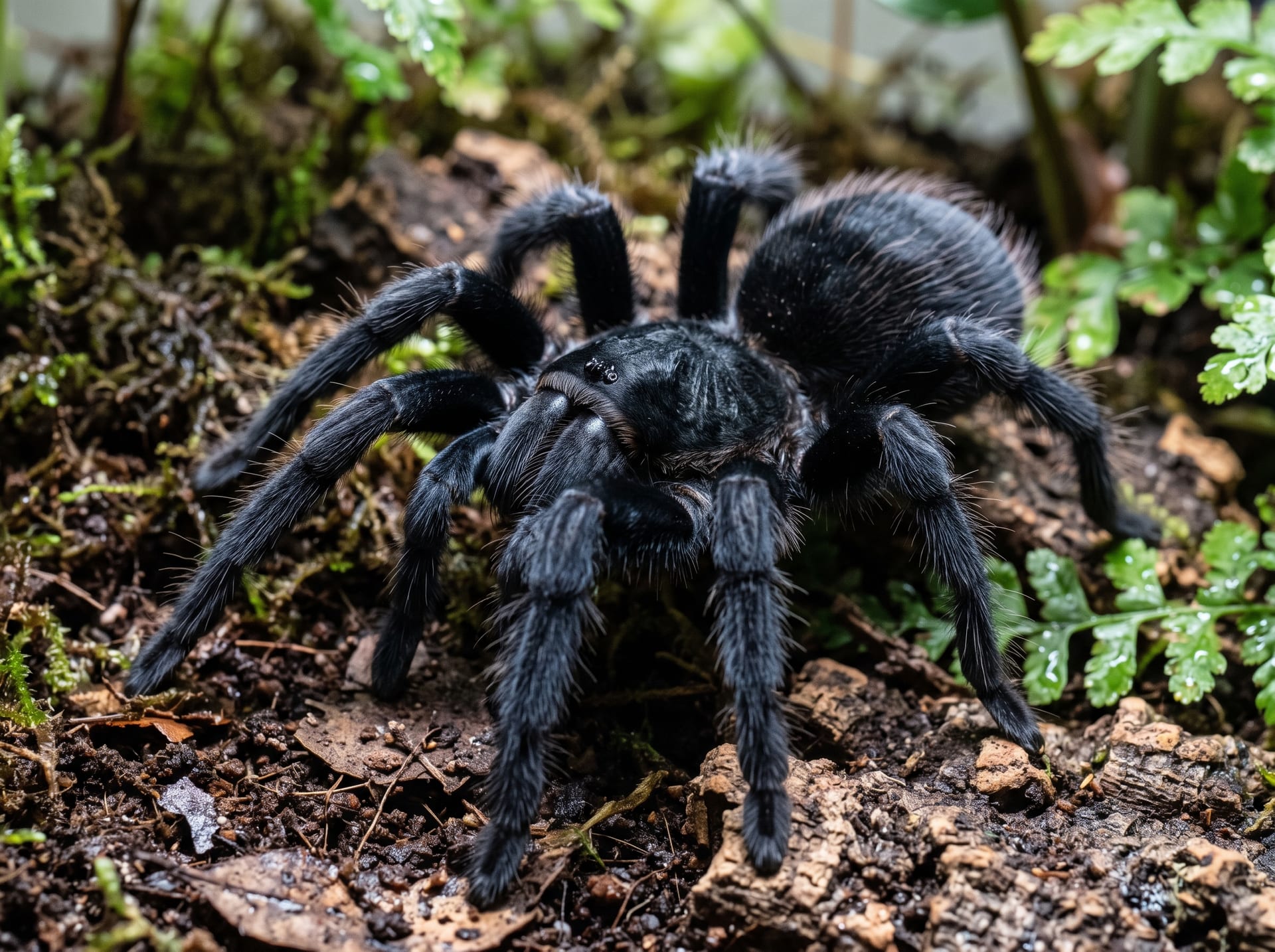
Brazilian Black
Grammostola pulchra
A South American terrestrial species cloaked in jet-black velvety hair. Prized for its calm temperament and rich color, it is hardy and long-lived.
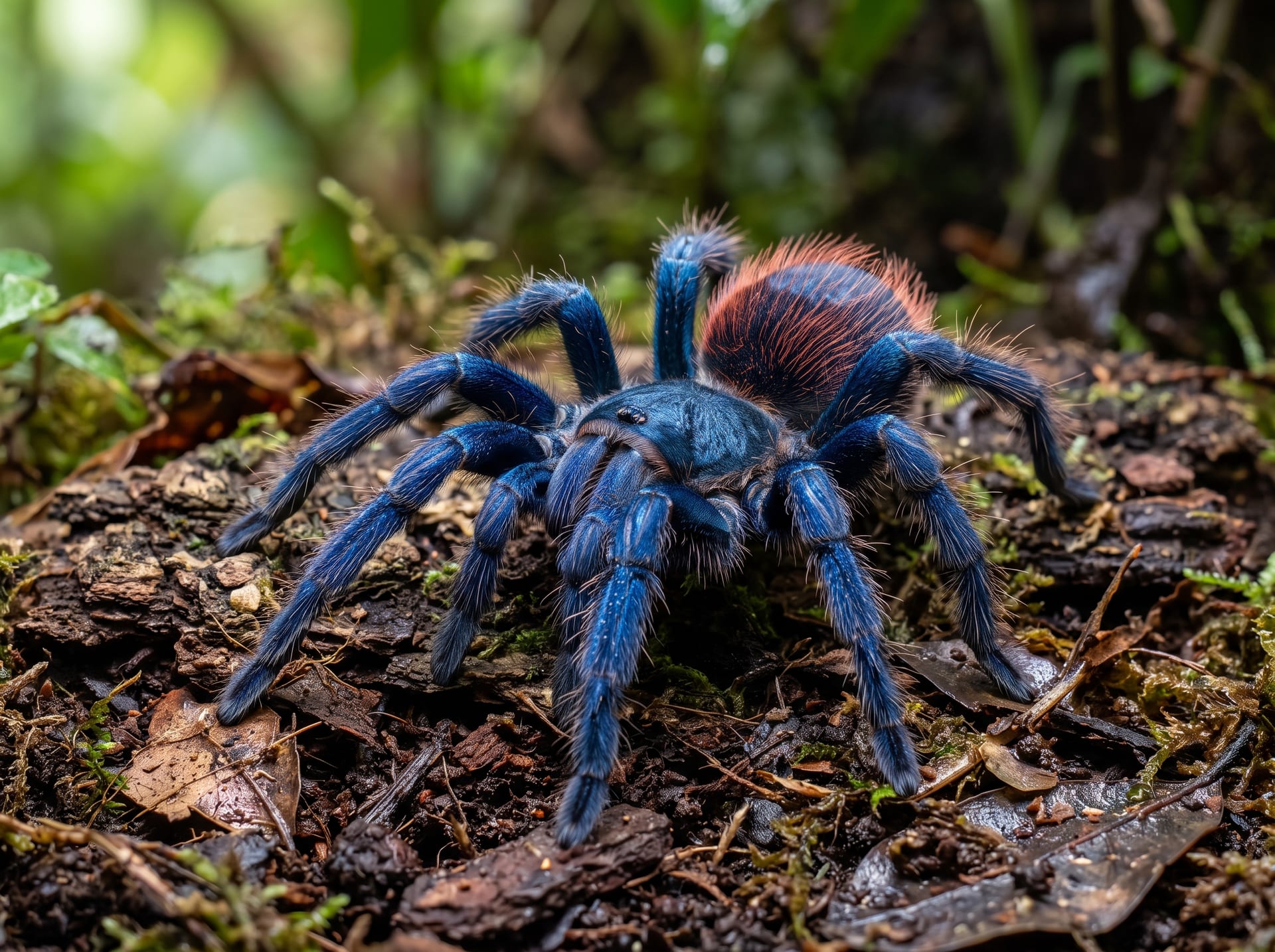
Brazilian Jewel
Pterinopelma sazimai
A Brazilian terrestrial species with a jewel-like body that glows blue at the right angle. Fairly hardy but prefers moderate humidity; an attractive intermediate species with urticating hairs.
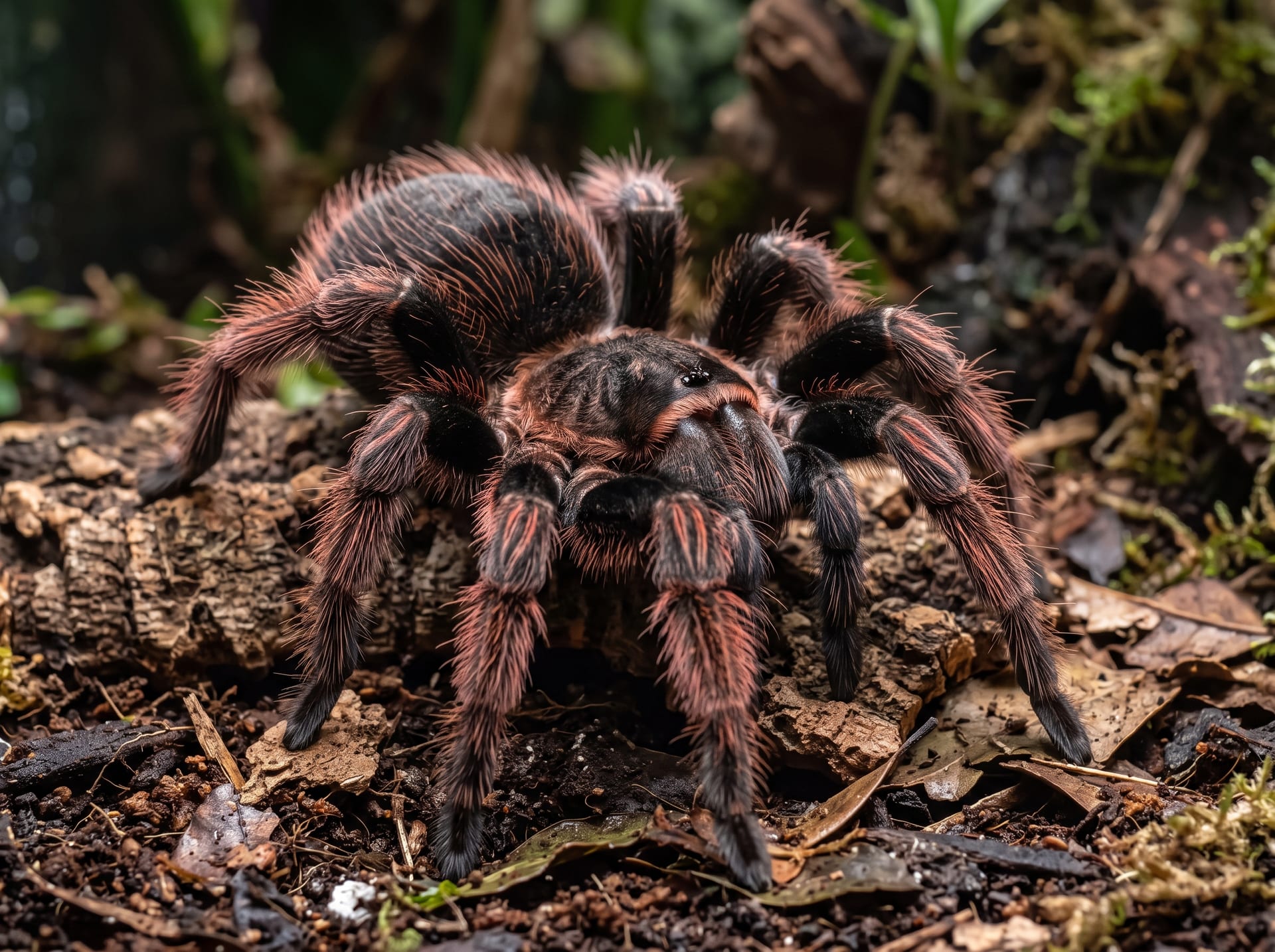
Brazilian Salmon Pink
Lasiodora parahybana
One of the largest terrestrial tarantulas, dark-bodied with salmon-pink hairs. Fast-growing and a voracious eater, but somewhat defensive and quick to flick urticating hairs.
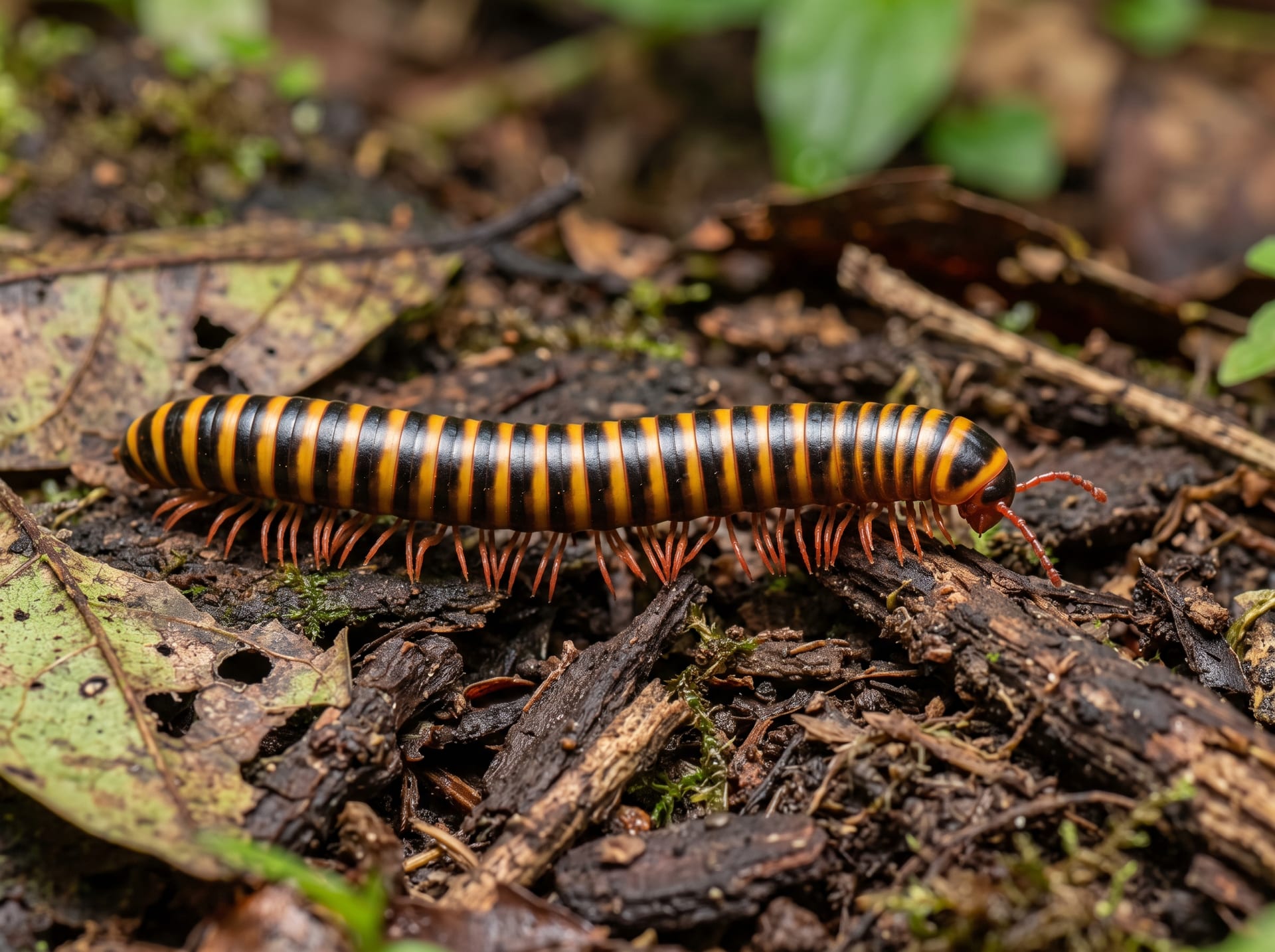
Bumble Bee Millipede
Anadenobolus monilicornis
A small Caribbean species whose yellow-and-black banding recalls a bumblebee, compact and readily breeding in colonies, ideal as a starter millipede.
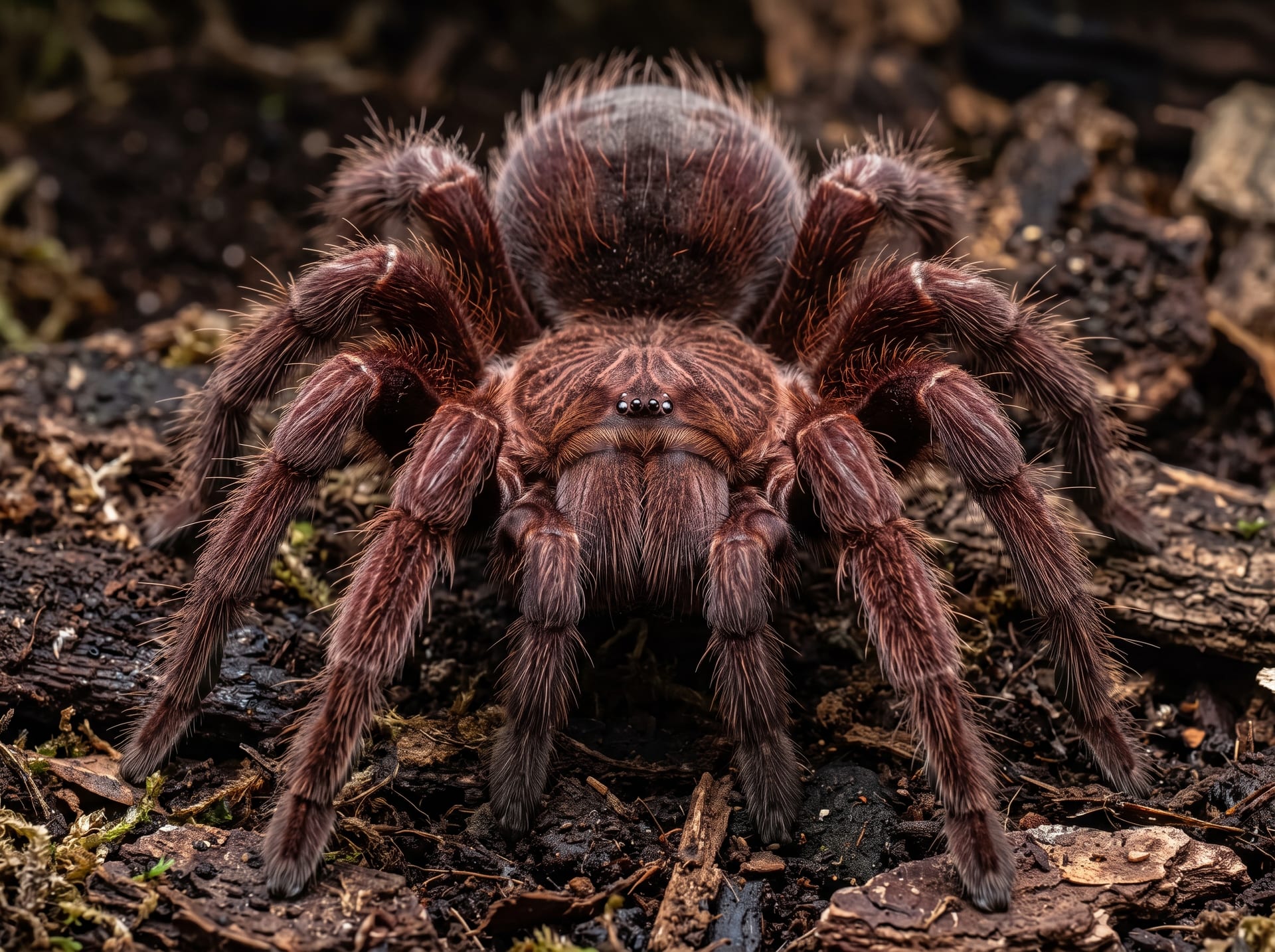
Burgundy Goliath Birdeater
Theraphosa stirmi
One of the world's largest spiders, a massive reddish-brown terrestrial species. It bears especially potent urticating hairs and demands high humidity, making it an advanced keeper's species.
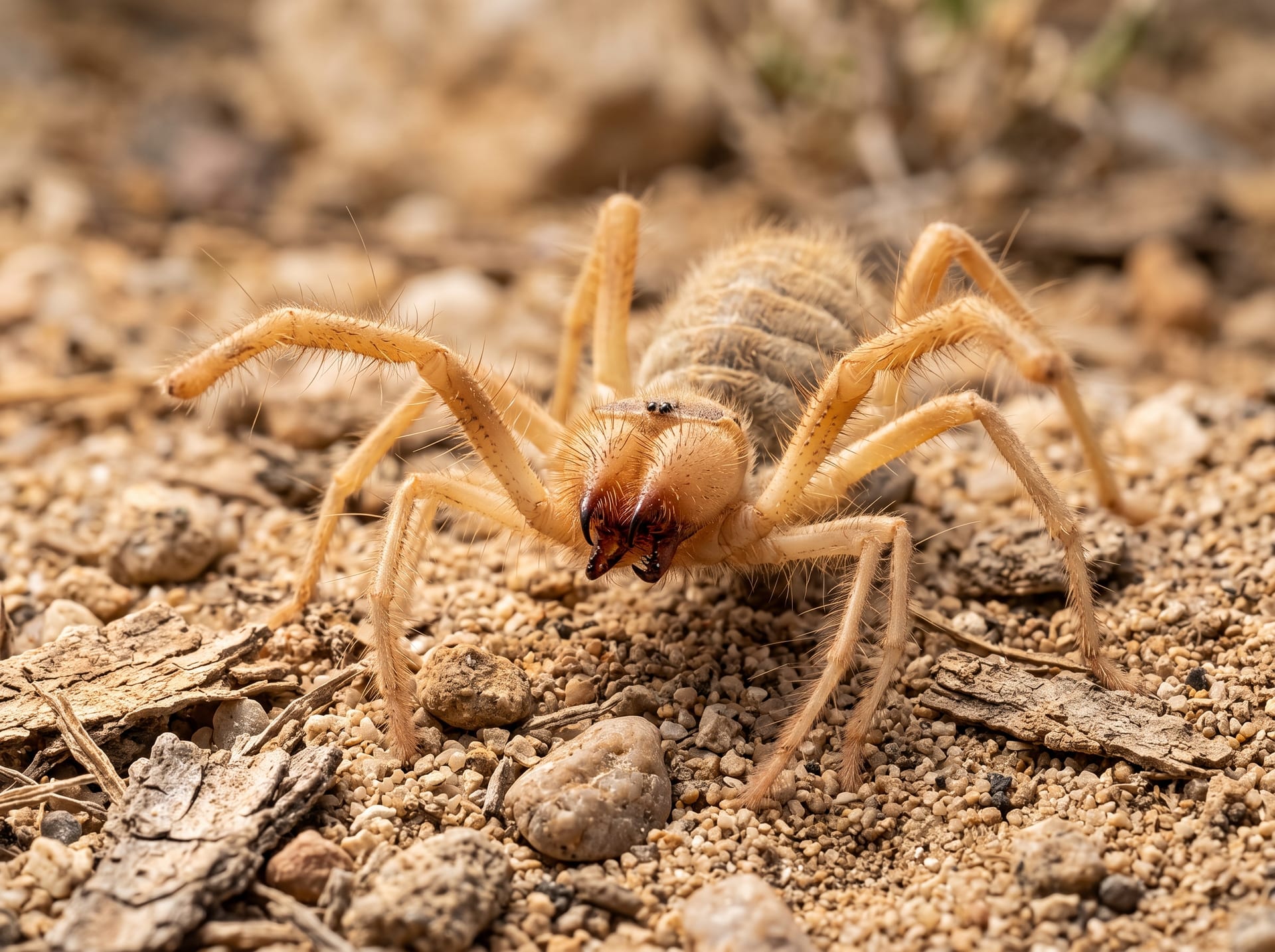
Camel Spider
Galeodes sp.
A fast desert predator belonging to its own order (Solifugae), neither spider nor scorpion. It lacks venom but has powerful chelicerae that can deliver a strong pinch; very fast and notoriously difficult to keep.
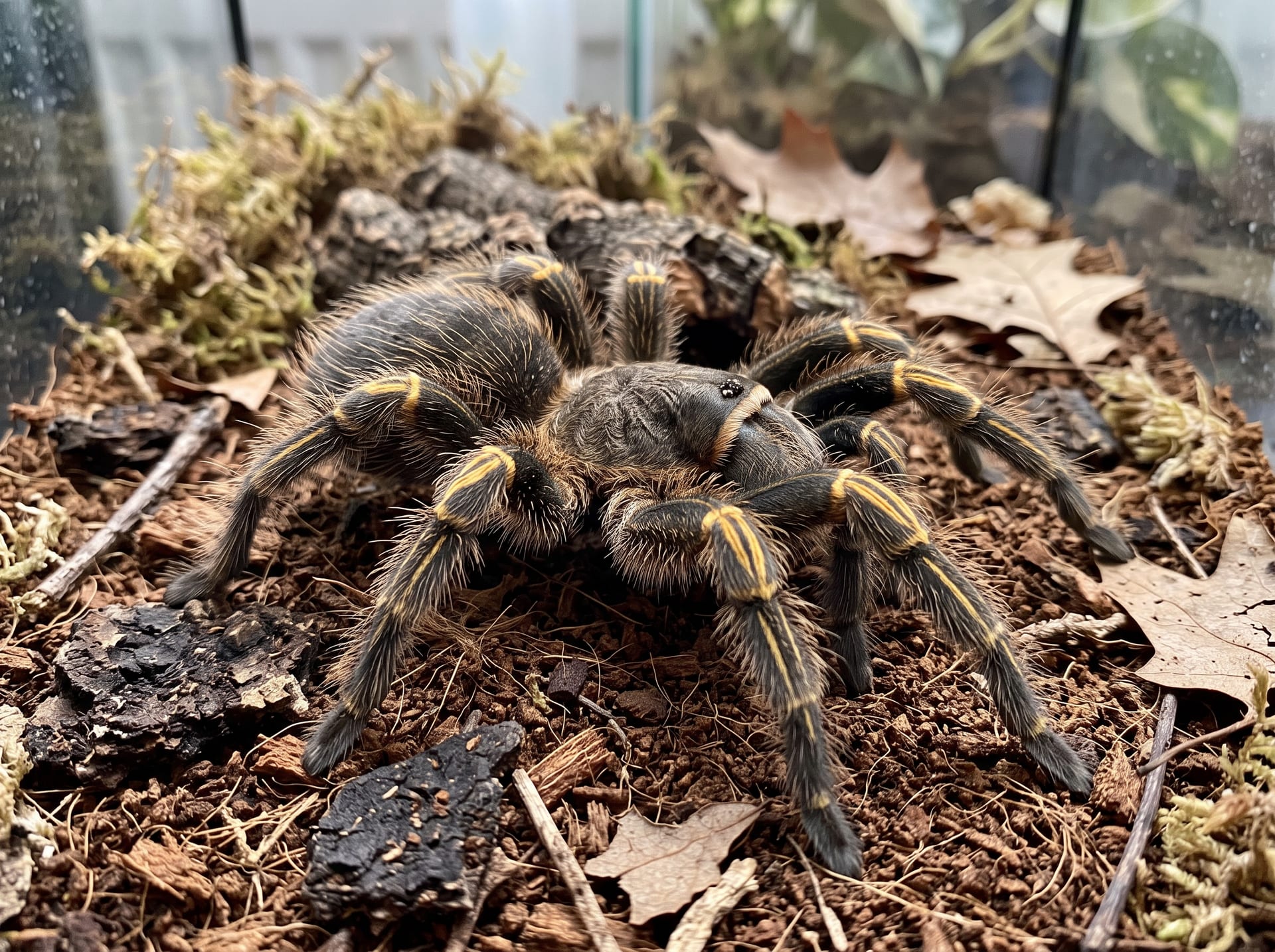
Chaco Golden Knee
Grammostola pulchripes
A large South American terrestrial species with golden knee stripes on a dark body. Docile, showy and a relatively quick grower, making it a popular larger beginner species.
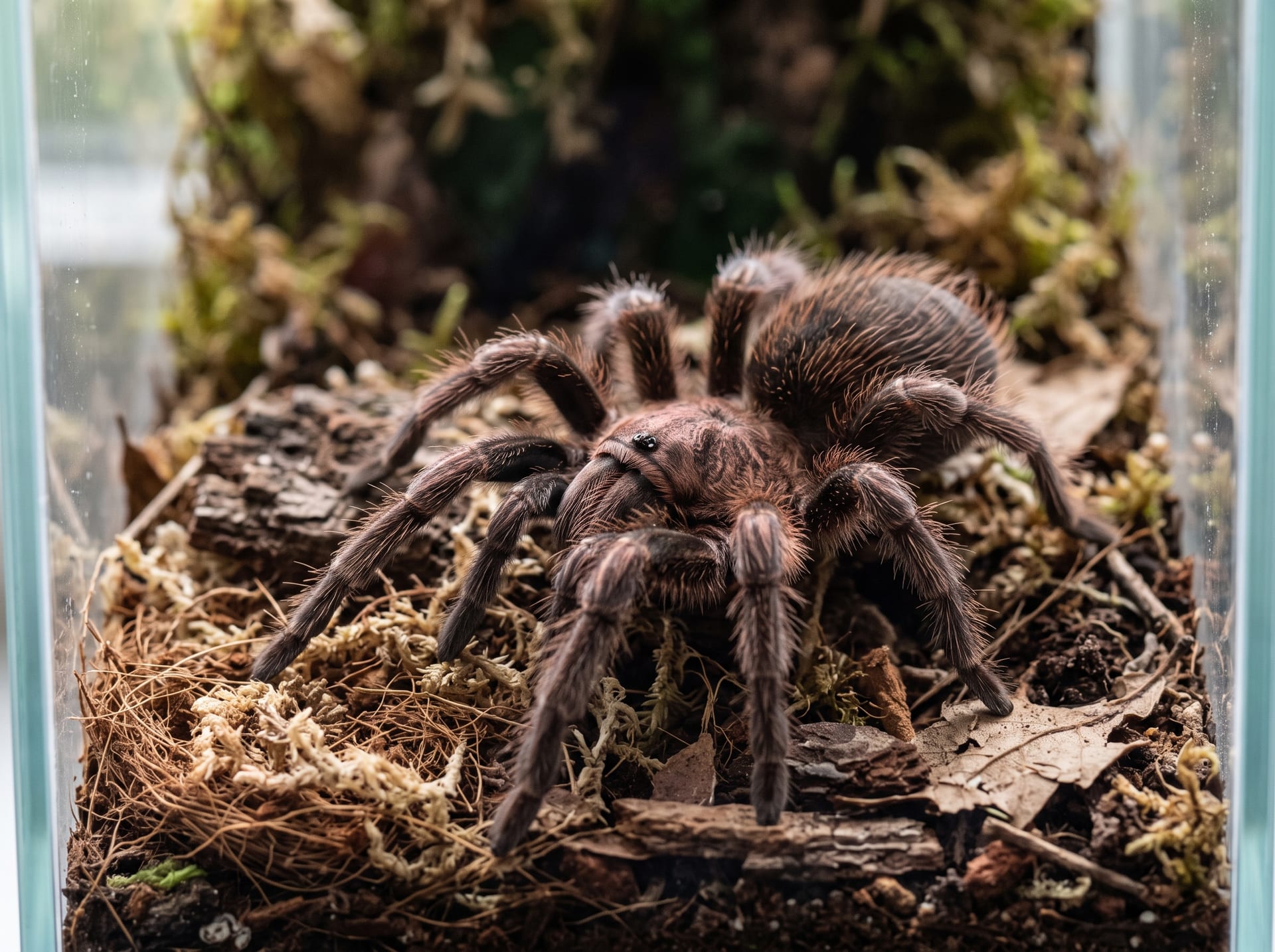
Chilean Rose Tarantula
Grammostola rosea
A Chilean terrestrial species with a soft rose tint. Tolerant of dry conditions, long-lived and one of the oldest classic beginner tarantulas.
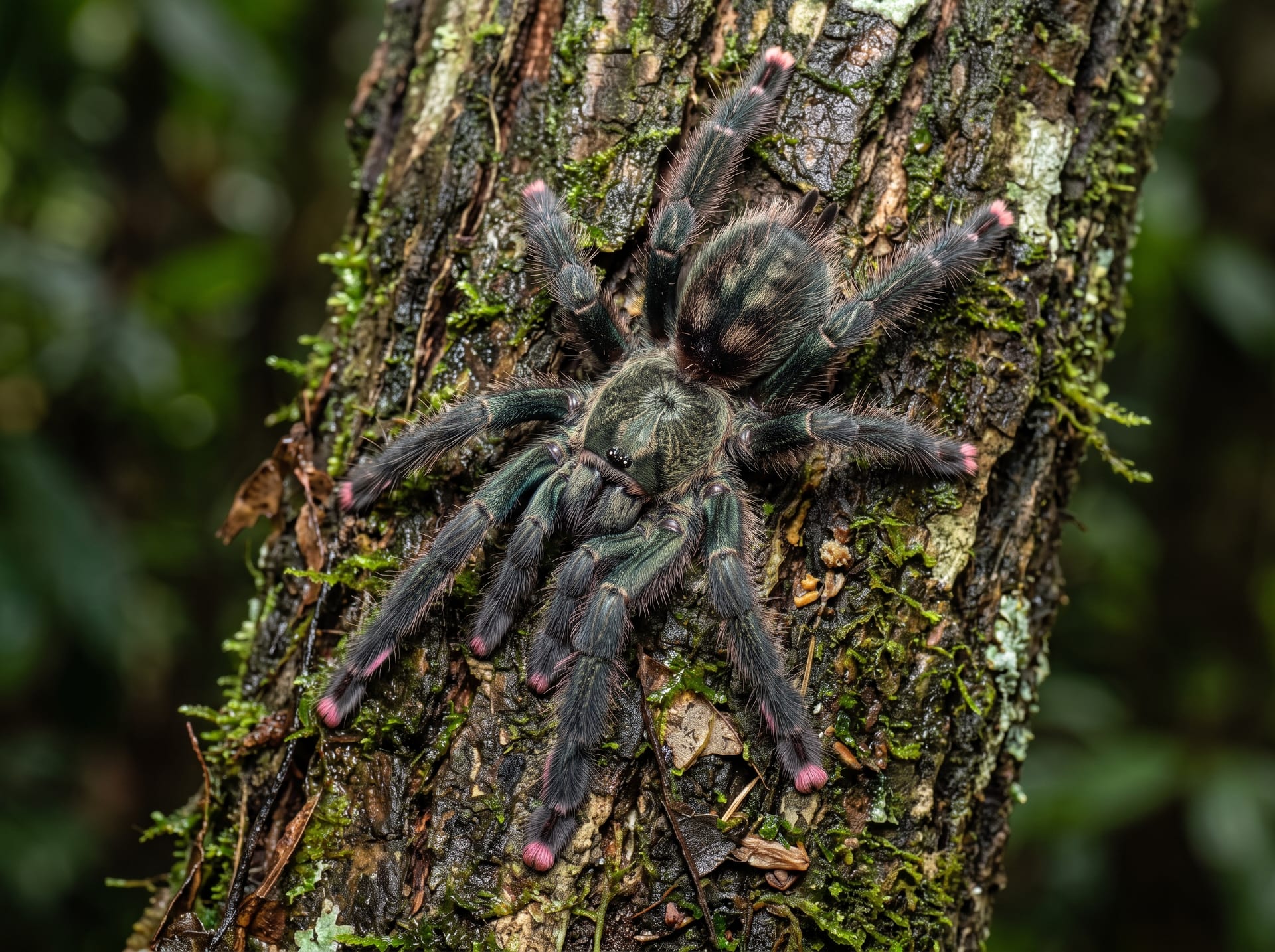
Common Pinktoe
Avicularia avicularia
A South American arboreal species with a dark body and pink toe tips. Relatively calm and a popular first arboreal, though it needs attention to ventilation and humidity.
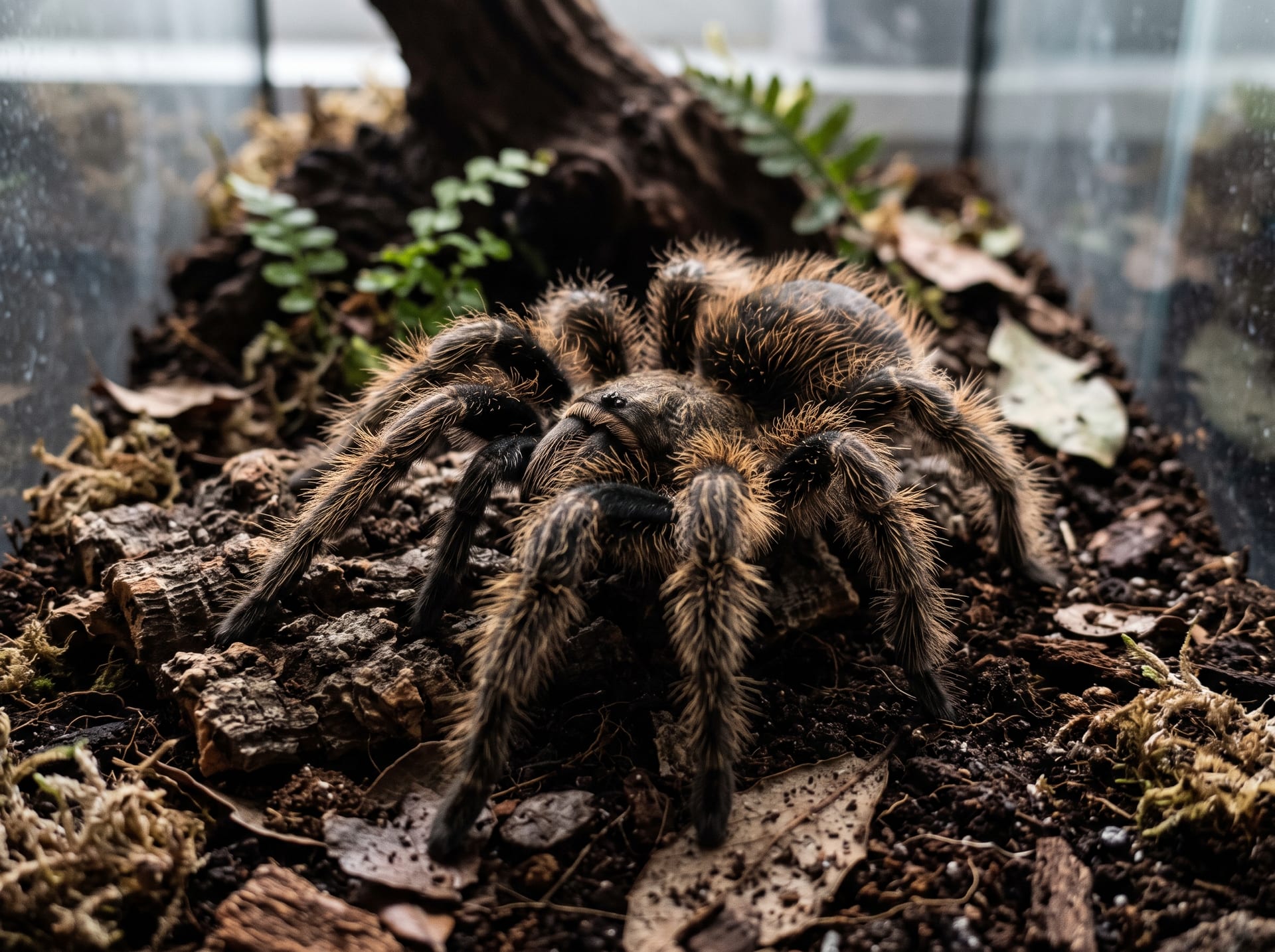
Curly Hair Tarantula
Tliltocatl albopilosus
A Central American terrestrial species covered in distinctive curly, gold-tipped hairs. Very hardy, docile and fast-growing, it is a widely recommended beginner tarantula.
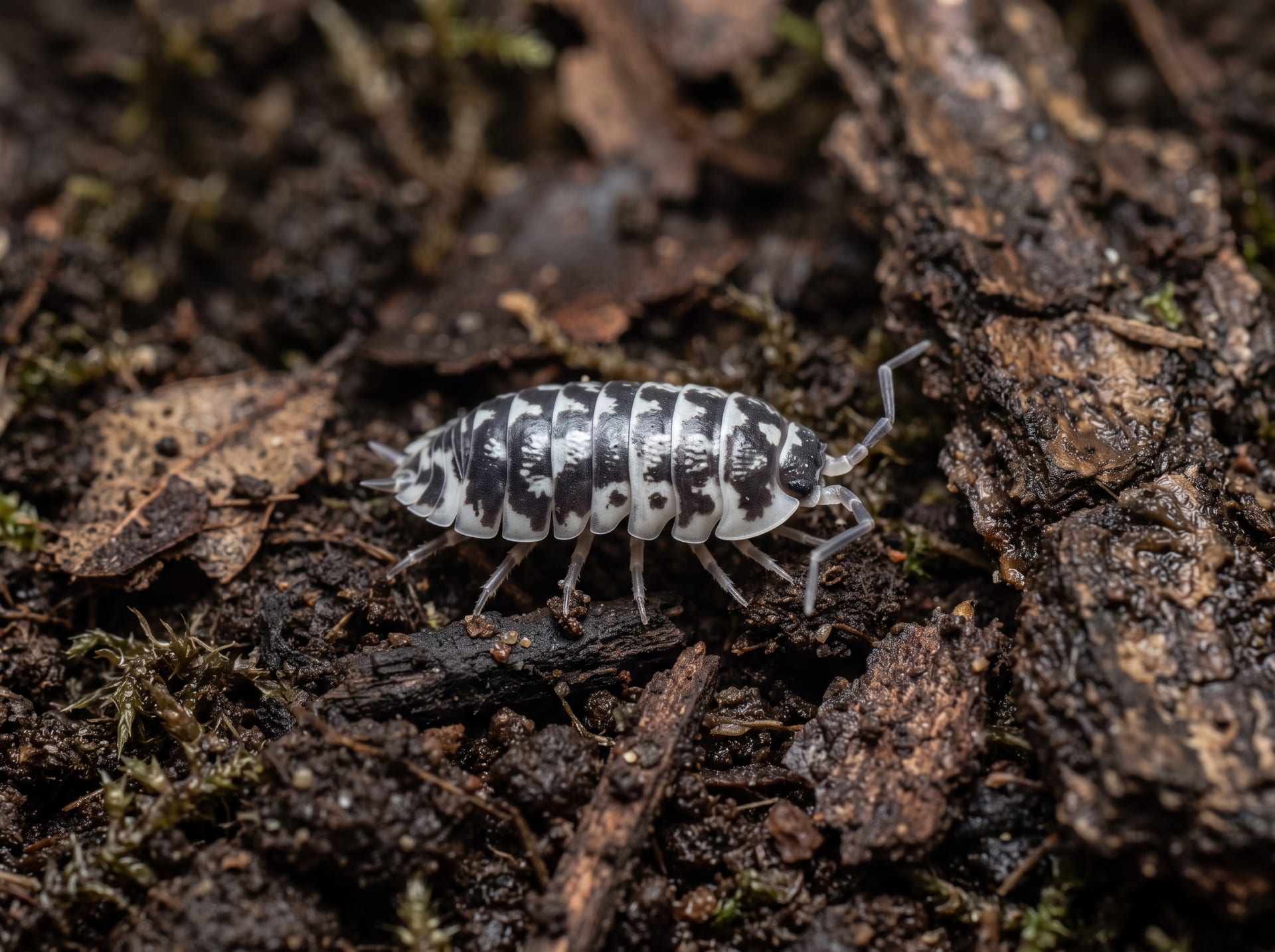
Dairy Cow Isopod
Porcellio laevis
A popular morph of Porcellio laevis whose black-on-white markings recall a dairy cow. Fast-growing, prolific, and hardy, it is great for beginners and an excellent harmless clean-up crew.
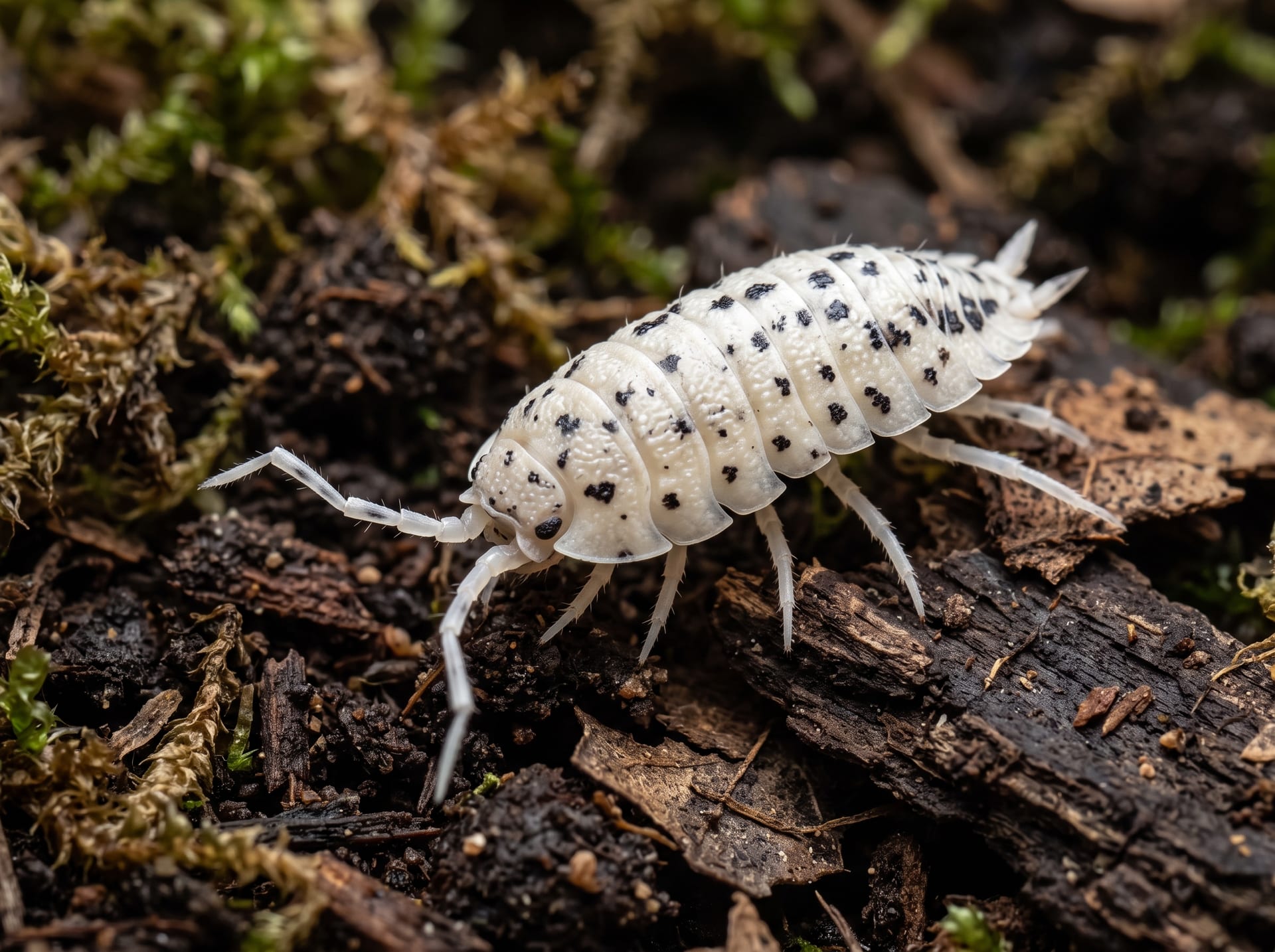
Dalmatian Isopod
Porcellio scaber
A popular spotted morph of Porcellio scaber resembling a Dalmatian dog. Hardy and easy to breed, it is a harmless detritivore widely kept as clean-up crew.
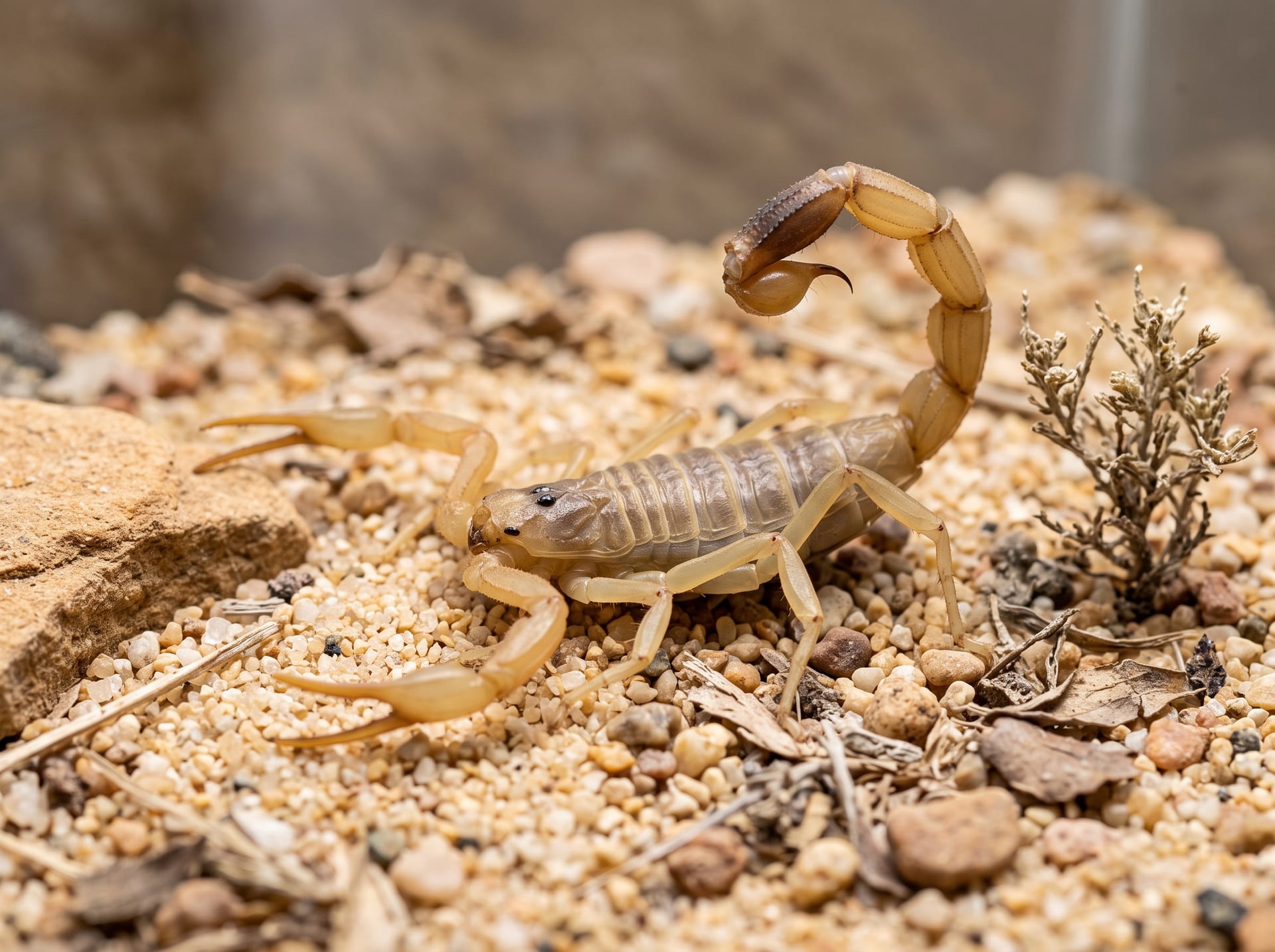
Deathstalker
Leiurus quinquestriatus
A pale yellow scorpion from the arid regions of North Africa and the Middle East, with some of the most potent neurotoxic venom of any scorpion. Medically significant and potentially lethal; for experts only.
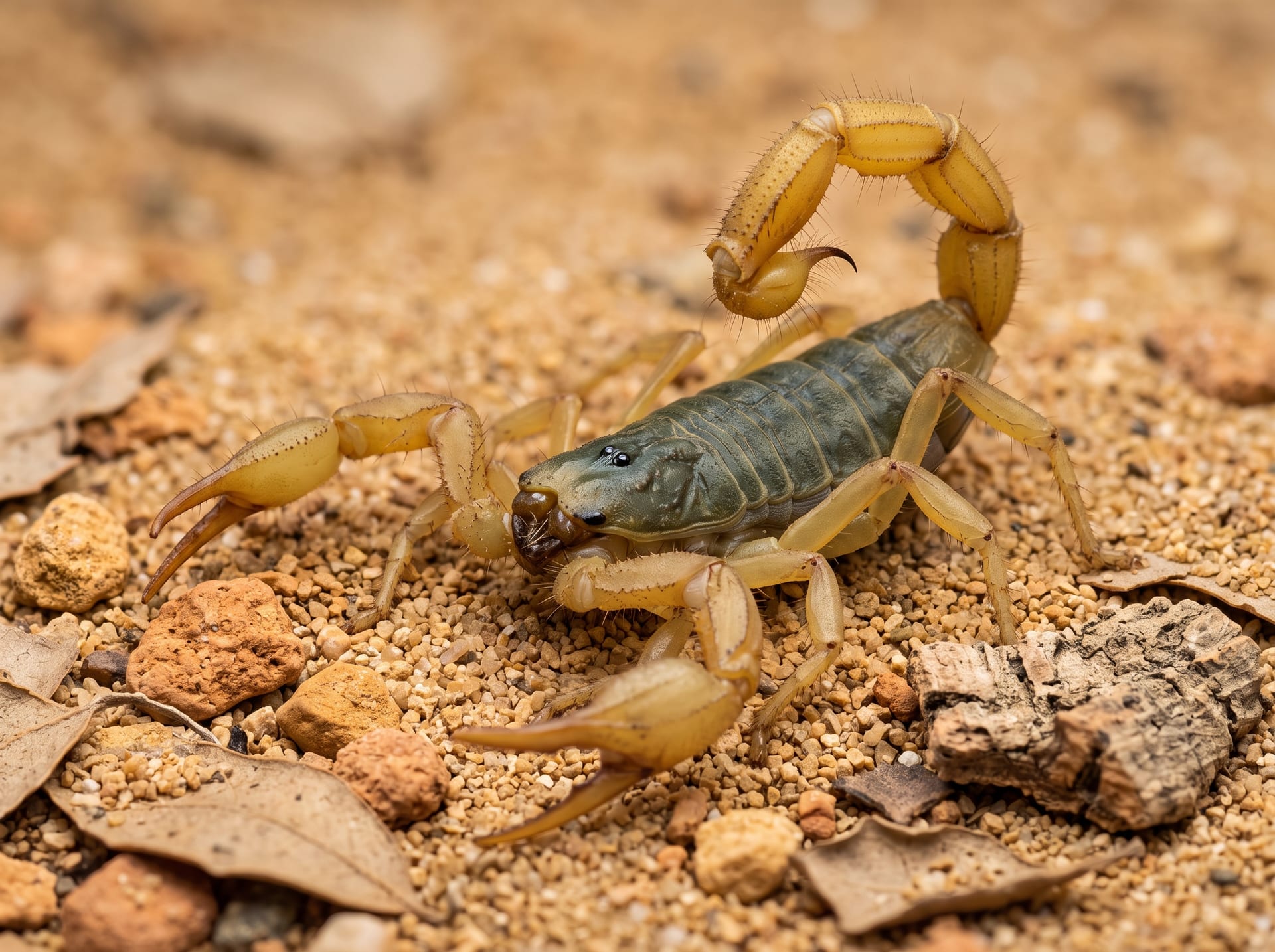
Desert Hairy Scorpion
Hadrurus arizonensis
A large scorpion from the deserts of the southwestern US, named for the sensory hairs covering its body. Venom is mild (bee-sting-like) but it needs dry, deep burrowing substrate.
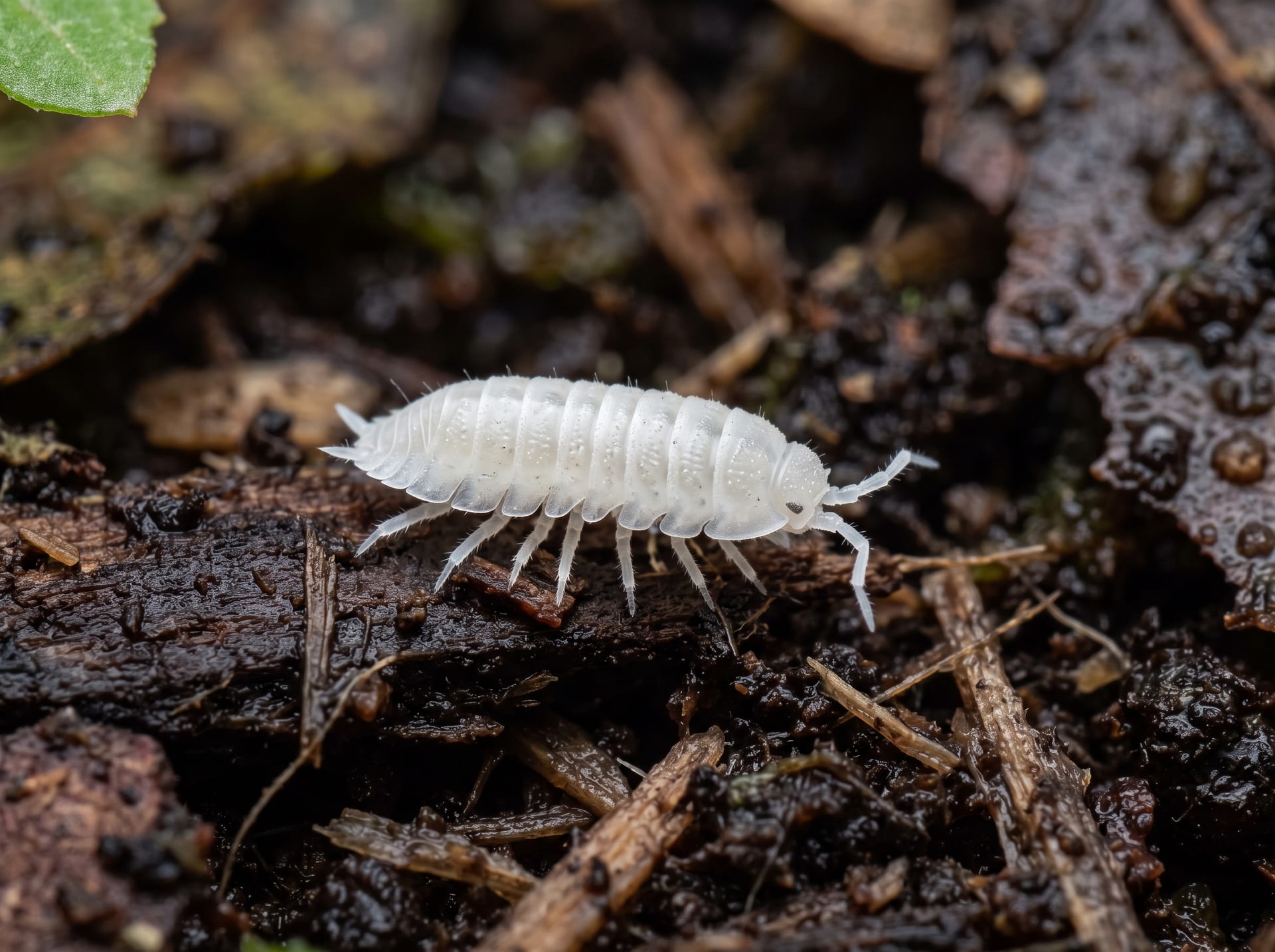
Dwarf White Isopod
Trichorhina tomentosa
A tiny white isopod that reproduces parthenogenetically and multiplies rapidly. A staple microfauna clean-up crew and feeder culture; a harmless detritivore with no bite or venom.
Related Content
Exotic Invertebrate FAQ
- What are exotic invertebrates? Can beginners keep them?
- It's a general term for invertebrates centered on arachnids and myriapods such as tarantulas, scorpions, millipedes, and whip scorpions. Hardy species like the Chilean rose tarantula and terrestrial millipedes are relatively easy to keep and popular with beginners.
- How much do exotic invertebrates cost?
- Common hardy tarantulas run 3,000-30,000 yen, while rare species exceed tens of thousands. Scorpions are around 2,000-15,000 yen and millipedes 1,000-5,000 yen. Prices vary with rarity, size, and whether the animal is captive-bred (CB).
- How long do exotic invertebrates live?
- Female tarantulas are remarkably long-lived, reaching 10-20+ years depending on species, while males live only 1-3 years after maturity. Scorpions live 5-8 years and millipedes roughly 3-10 years depending on species, with many kept long-term through repeated molts.
- What equipment is needed for exotic invertebrates?
- Basics include a secure enclosure, substrate (moisture-retaining or dry depending on species), a shelter, and a water dish. Many species need heating, so prepare a heat mat and a thermometer-hygrometer. Arboreal tarantulas need height and climbing structures, while burrowing species need deep substrate.
- What safety precautions apply to exotic invertebrates?
- While most tarantulas have mild venom, urticating hairs and bites can trigger allergic reactions. Some scorpions and centipedes are venomous enough to require medical attention, so always research each species' risks in advance. Keep enclosures securely sealed and locked to prevent escapes.