Exotic Invertebrate Encyclopedia — 70 Species Directory
Encyclopedia of popular exotic invertebrates—tarantulas, scorpions, centipedes and more—with care guides, traits, and difficulty levels.
Showing 29 of 70 species(1–24)
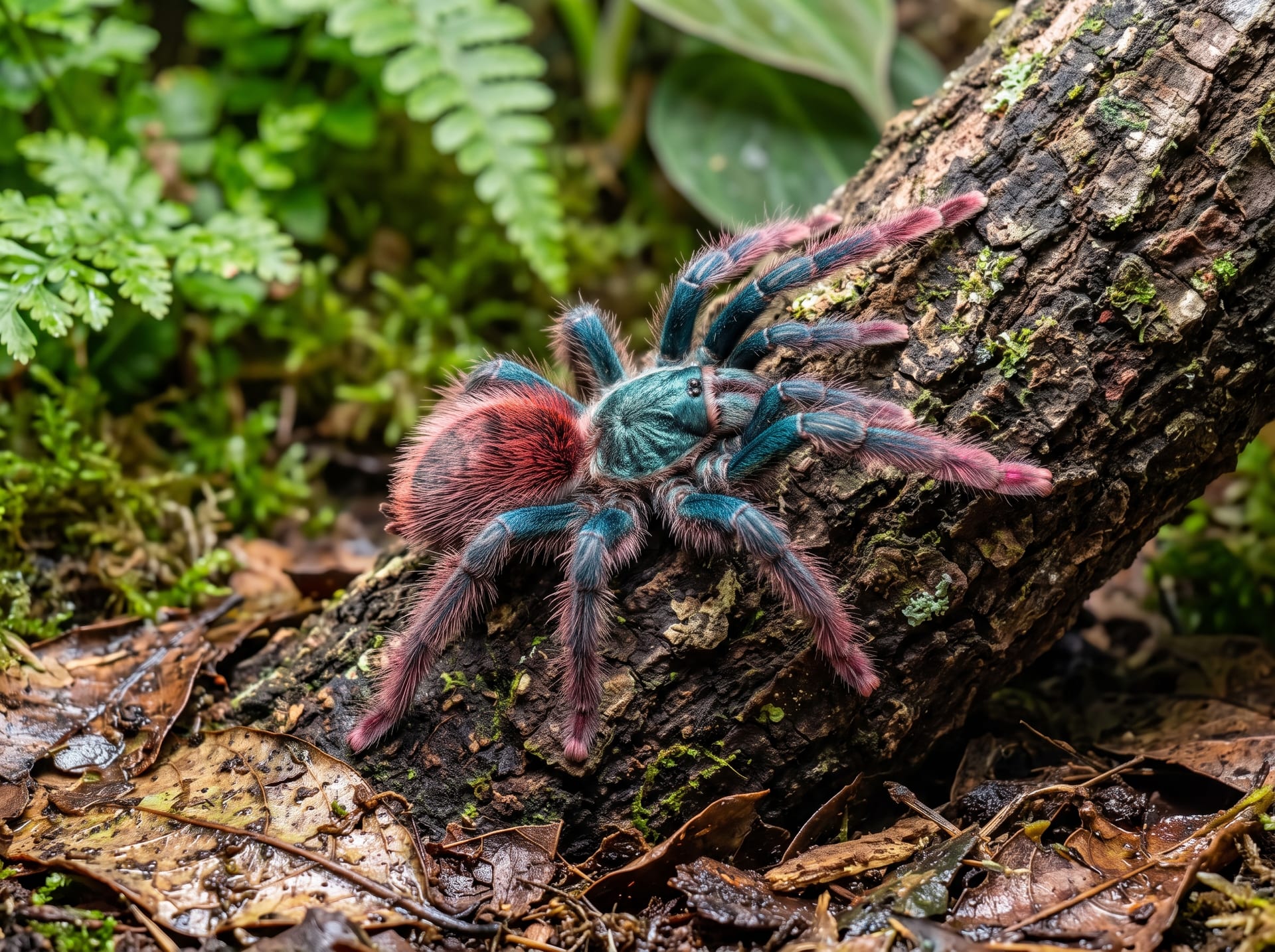
Antilles Pinktoe
Caribena versicolor
An arboreal beauty from Martinique that shifts from blue slings to an iridescent green-red-violet adult. Requires a careful balance of humidity and ventilation, making it an intermediate species.
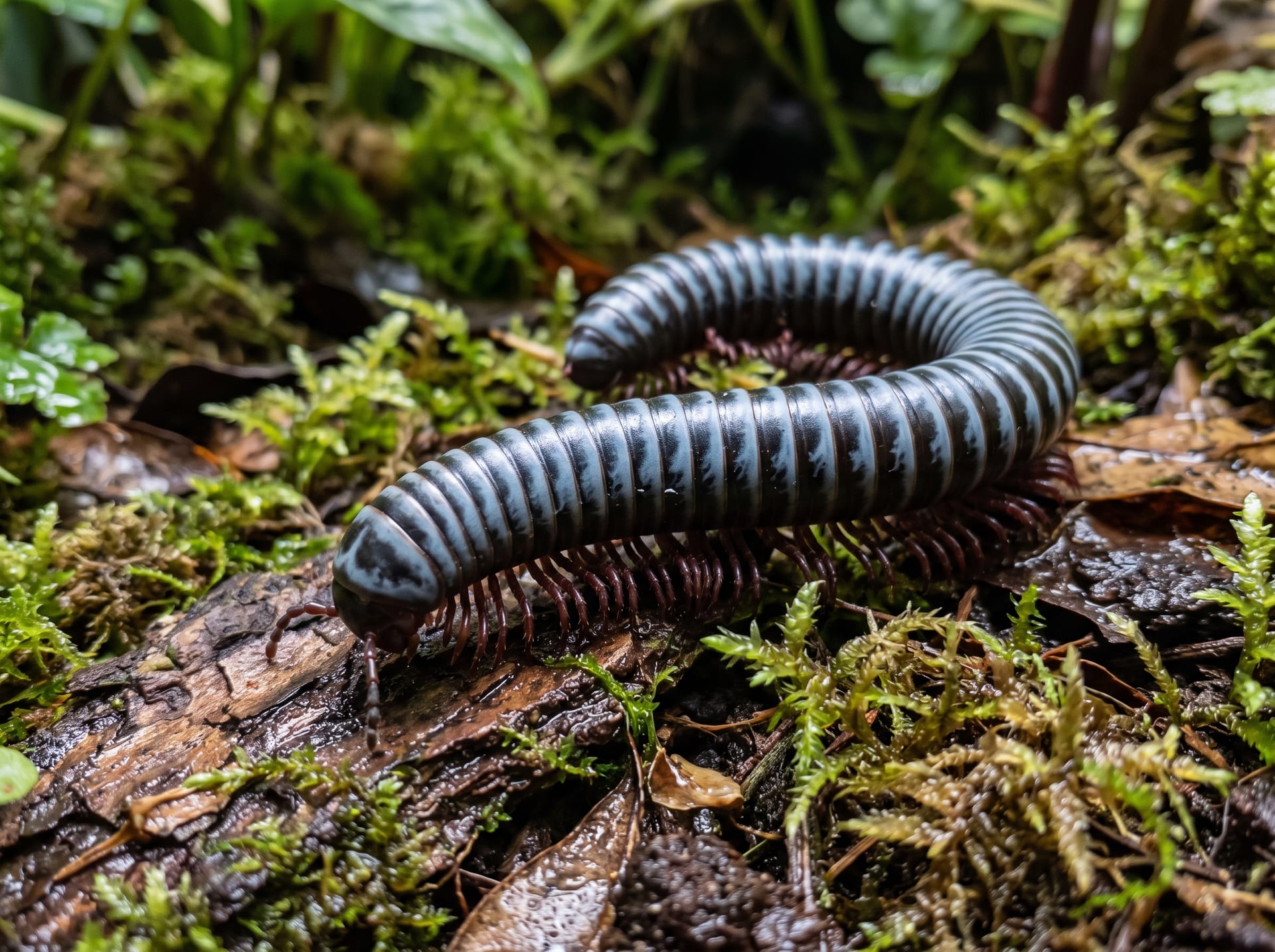
Blue Cloud Millipede
Tonkinbolus dollfusi
A medium-sized Southeast Asian species prized for the bluish bands ringing its dark body; gentle and slow-moving but sensitive to temperature swings and needing steady warmth and humidity, so better suited to keepers with some experience.
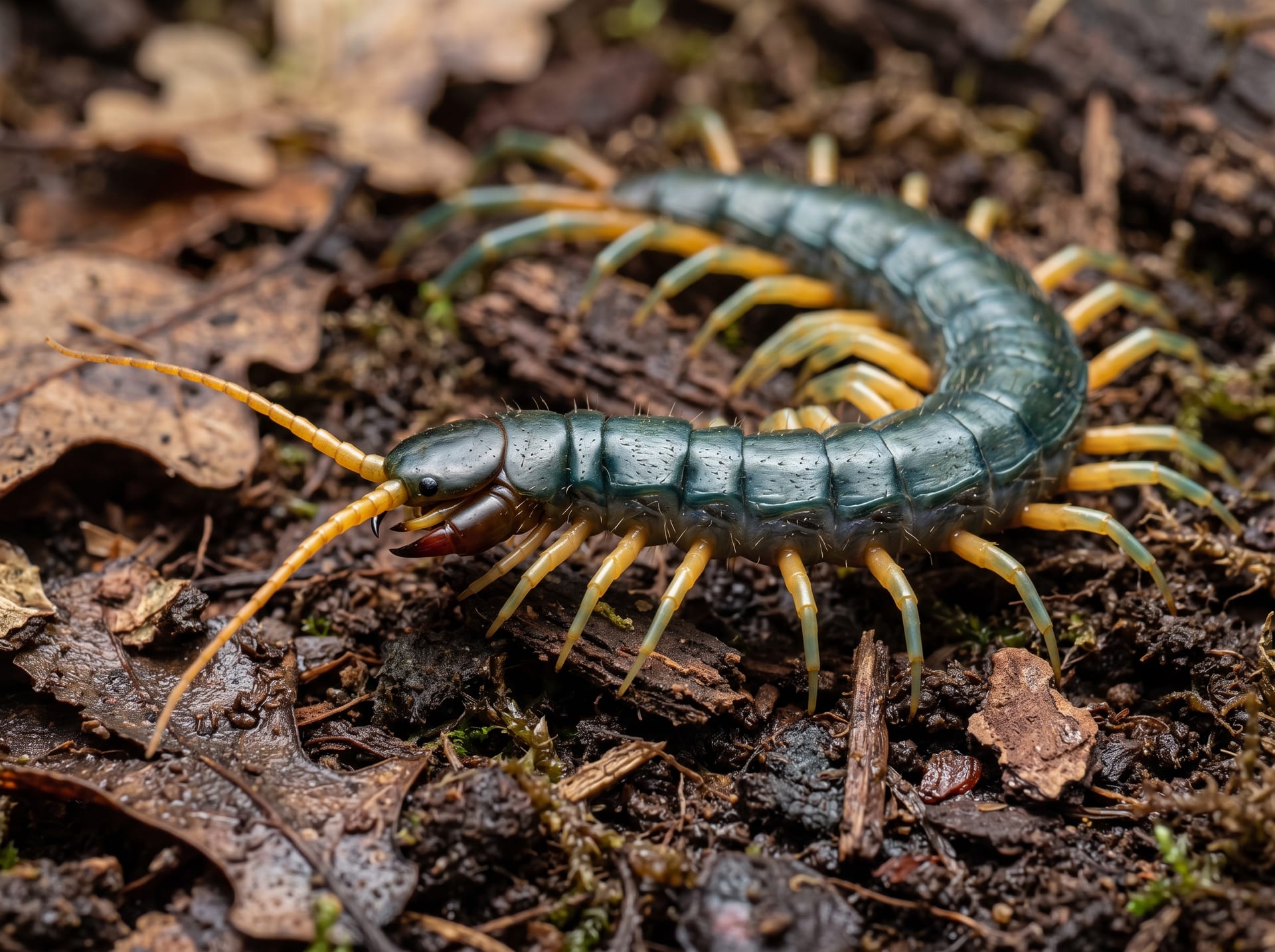
Blue Japanese Centipede
Scolopendra japonica
A Japanese centipede named for its bluish-tinged head, somewhat smaller than the Japanese giant centipede. It is quick and defensive, with a painful bite.
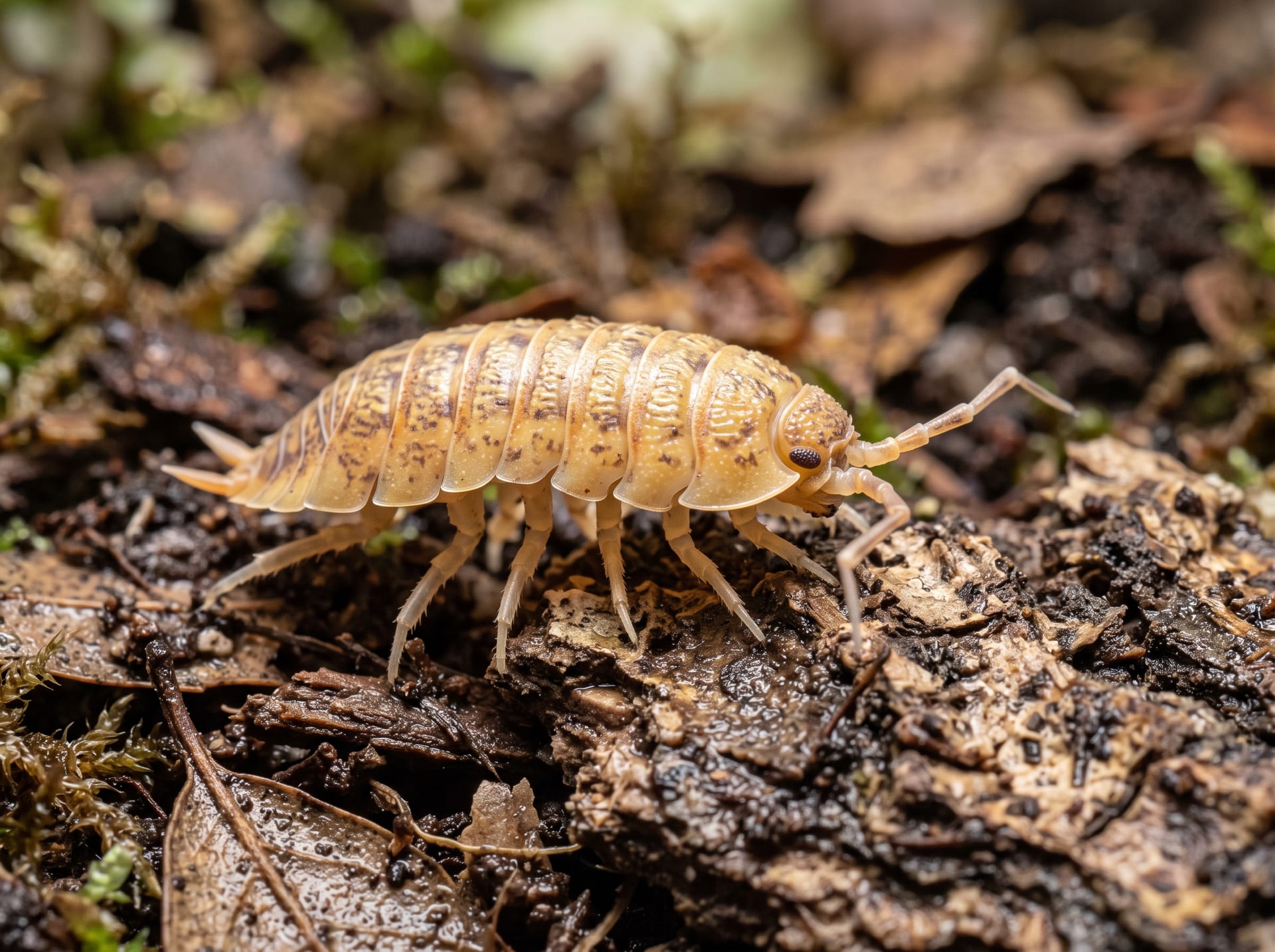
Bolivari Isopod
Porcellio bolivari
A Spanish isopod popular for its contrasting patterning. It prefers drier, calcium-rich setups; fast but a harmless detritivore with no bite or venom.
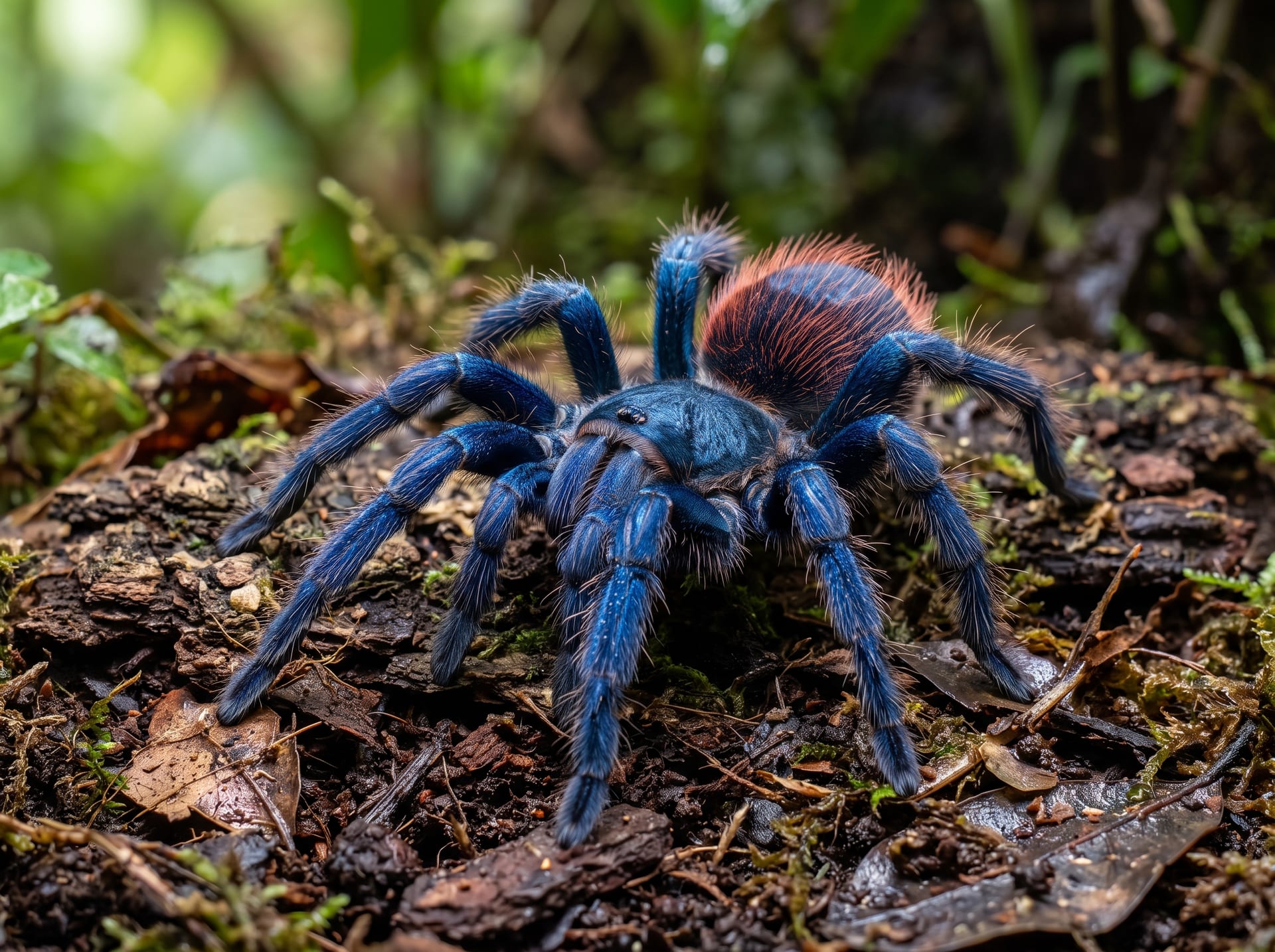
Brazilian Jewel
Pterinopelma sazimai
A Brazilian terrestrial species with a jewel-like body that glows blue at the right angle. Fairly hardy but prefers moderate humidity; an attractive intermediate species with urticating hairs.
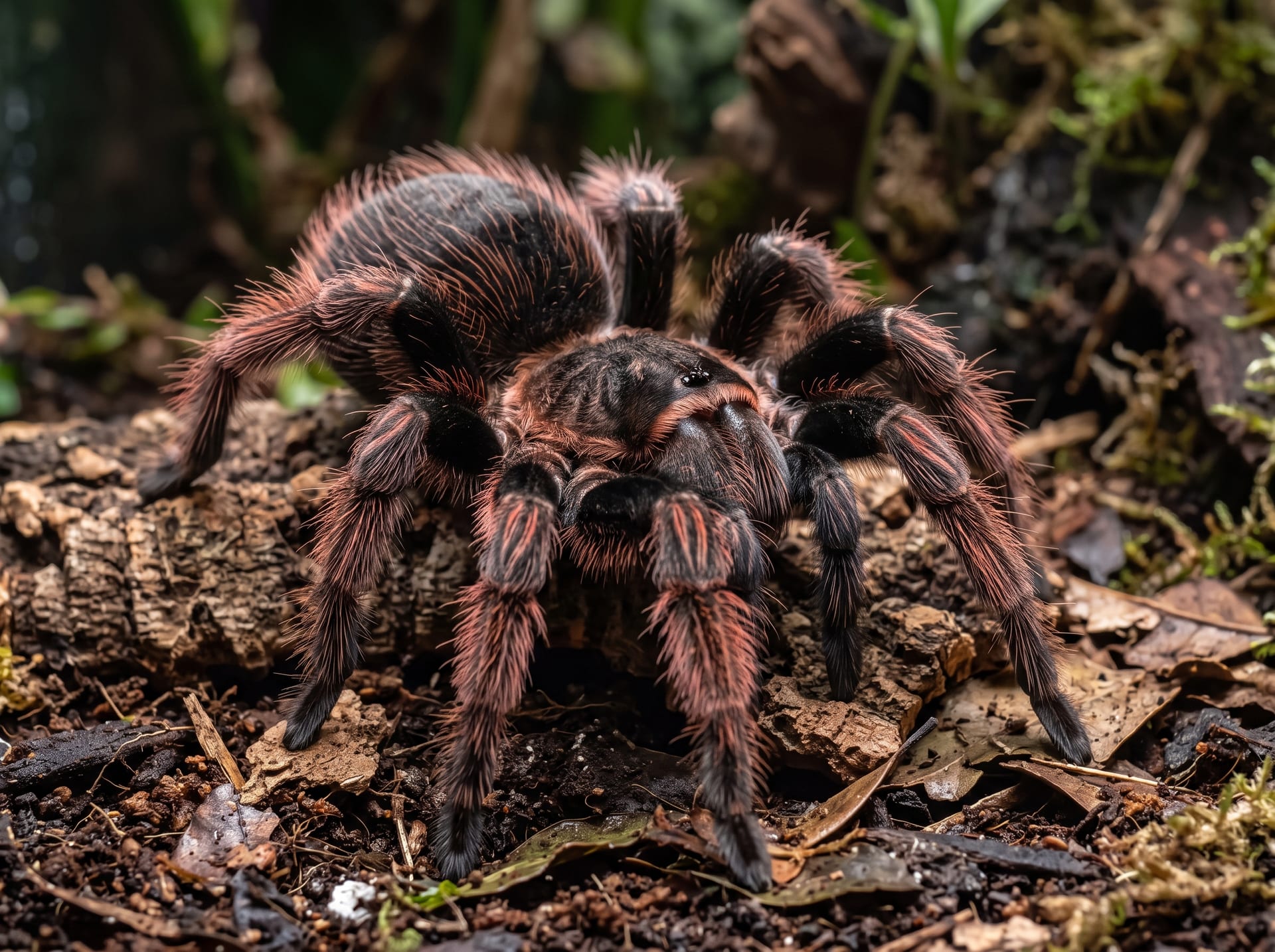
Brazilian Salmon Pink
Lasiodora parahybana
One of the largest terrestrial tarantulas, dark-bodied with salmon-pink hairs. Fast-growing and a voracious eater, but somewhat defensive and quick to flick urticating hairs.
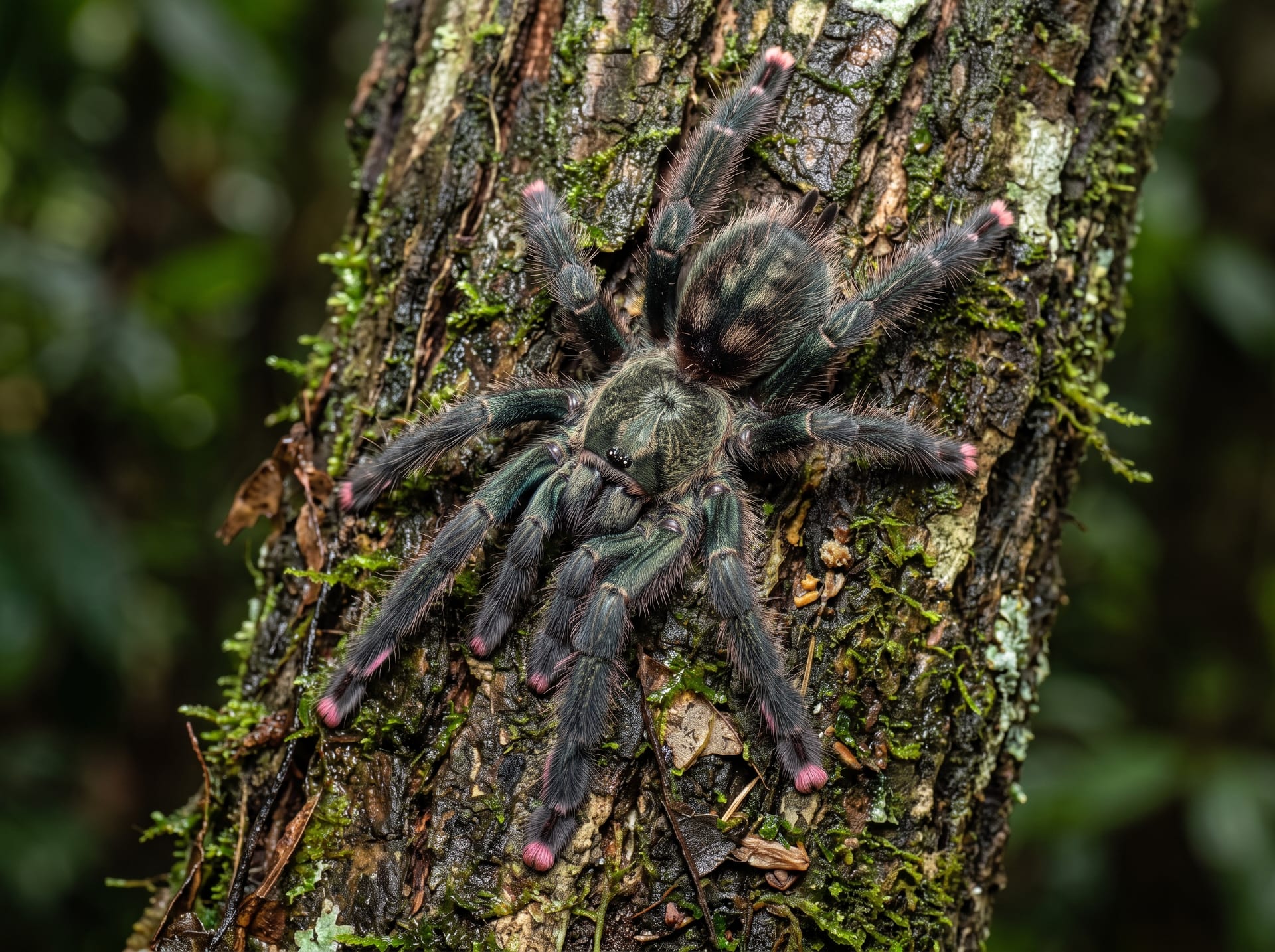
Common Pinktoe
Avicularia avicularia
A South American arboreal species with a dark body and pink toe tips. Relatively calm and a popular first arboreal, though it needs attention to ventilation and humidity.
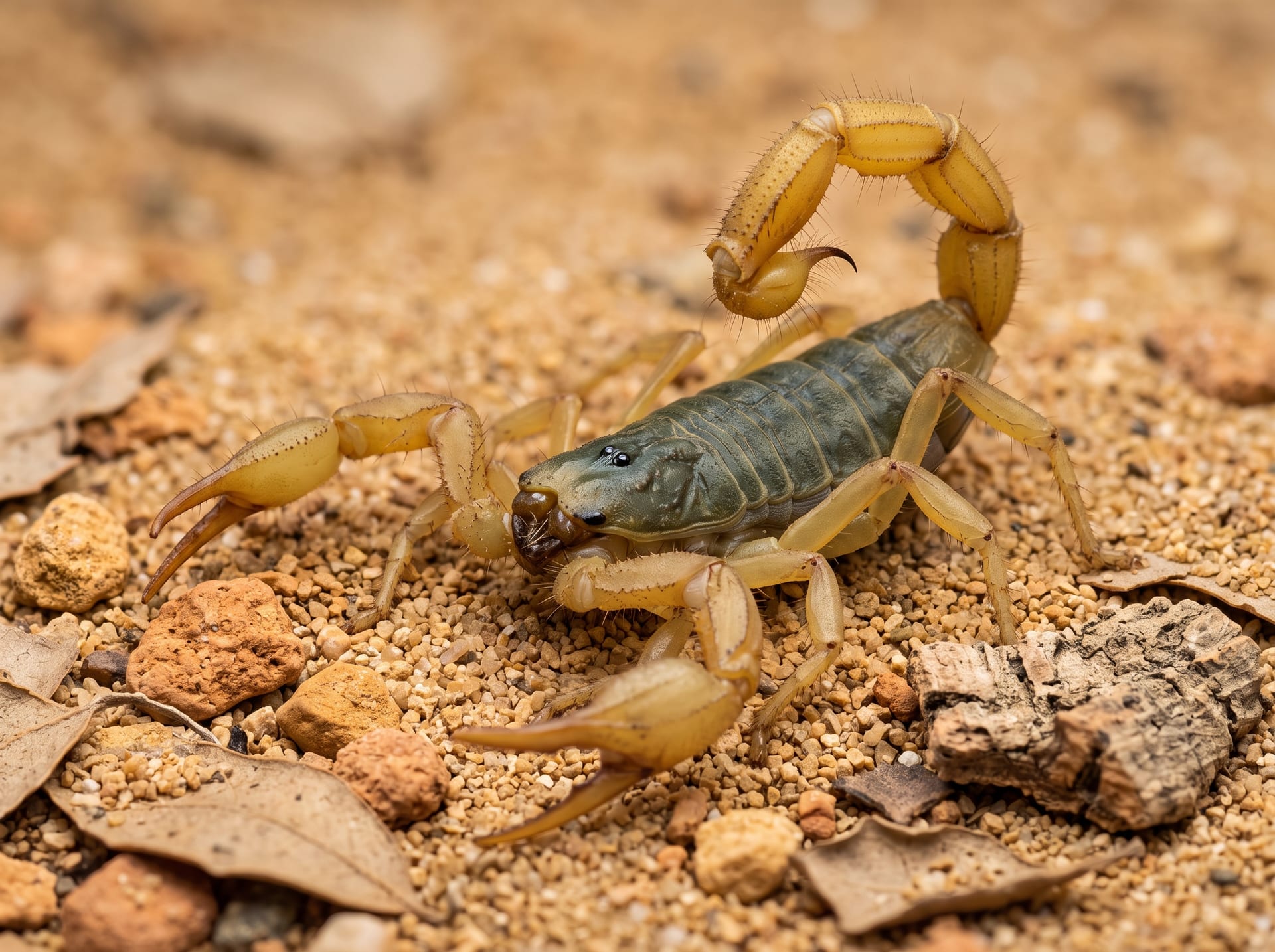
Desert Hairy Scorpion
Hadrurus arizonensis
A large scorpion from the deserts of the southwestern US, named for the sensory hairs covering its body. Venom is mild (bee-sting-like) but it needs dry, deep burrowing substrate.
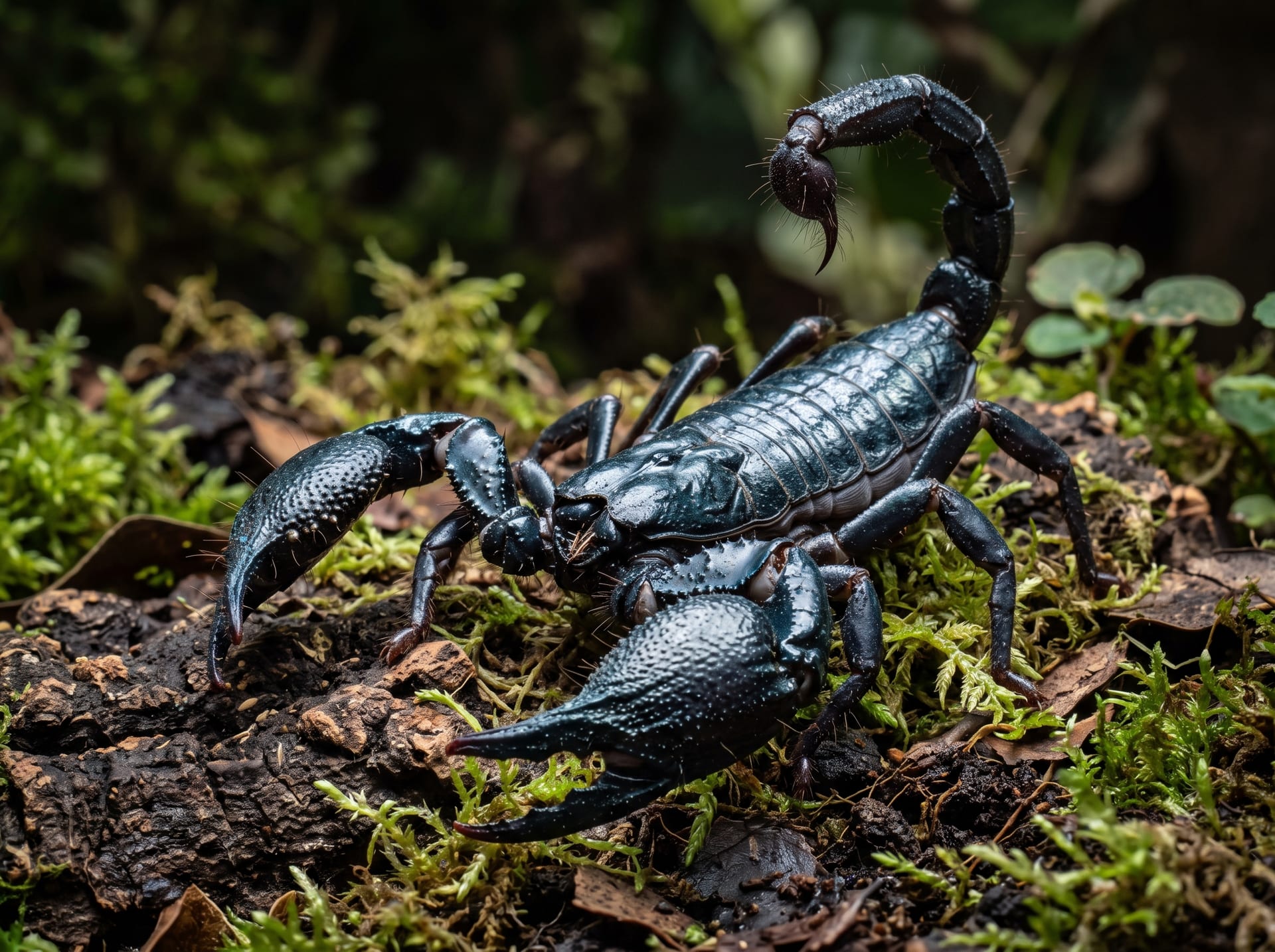
Emperor Scorpion
Pandinus imperator
One of the world's largest scorpions. From West Africa. Black body fluoresces blue under UV light. Despite appearance, venom is mild and temperament docile. Popular exotic pet.
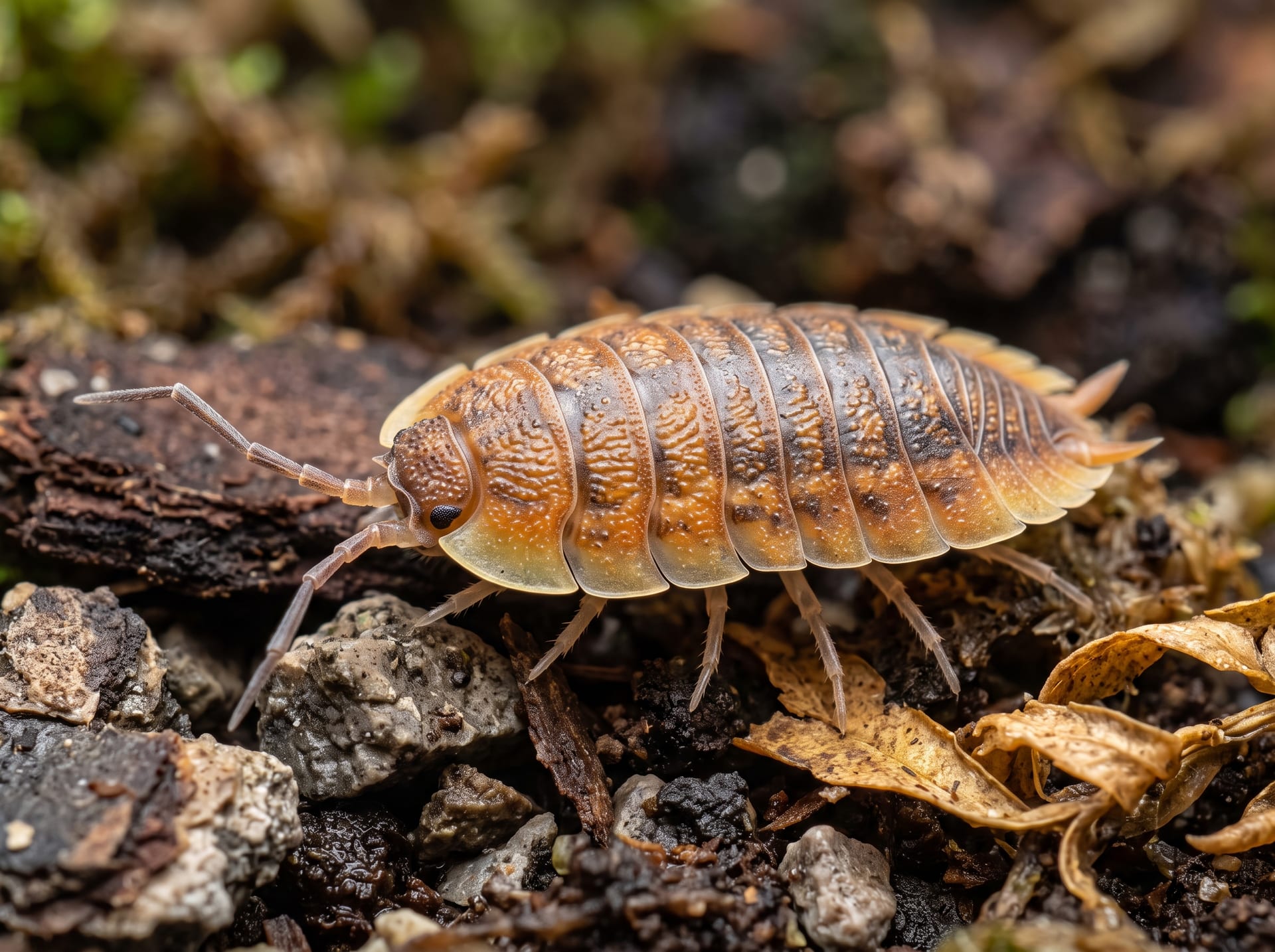
Expansus Isopod
Porcellio expansus
A large Spanish isopod notable for its broad, flared body margins. It prefers drier, calcium-rich conditions; fast but a harmless detritivore with no bite or venom.
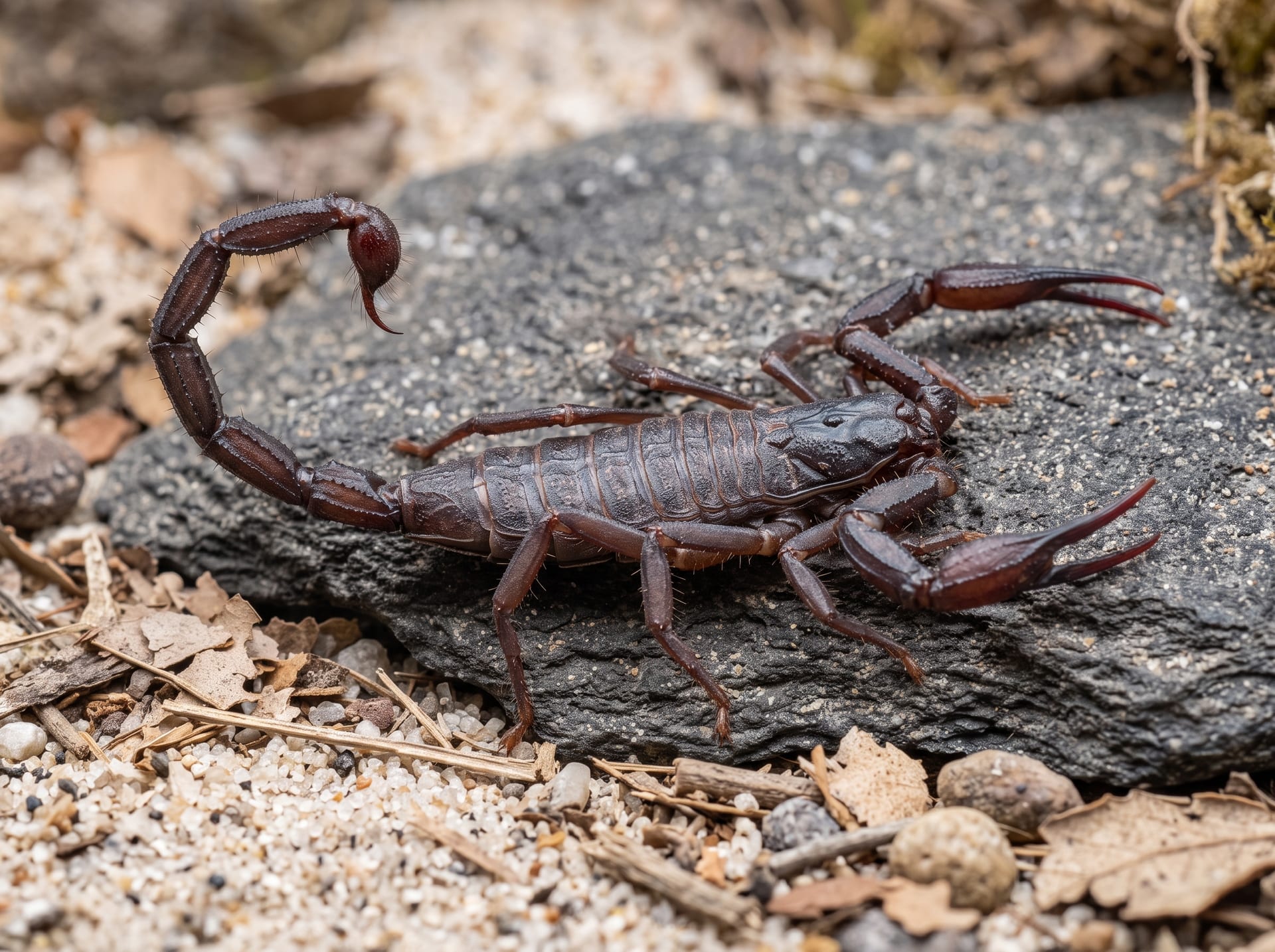
Flat Rock Scorpion
Hadogenes troglodytes
An extremely flattened scorpion from rocky outcrops of southern Africa that hides in crevices. Its venom is mild (bee-sting-like) and it is known for exceptional longevity.
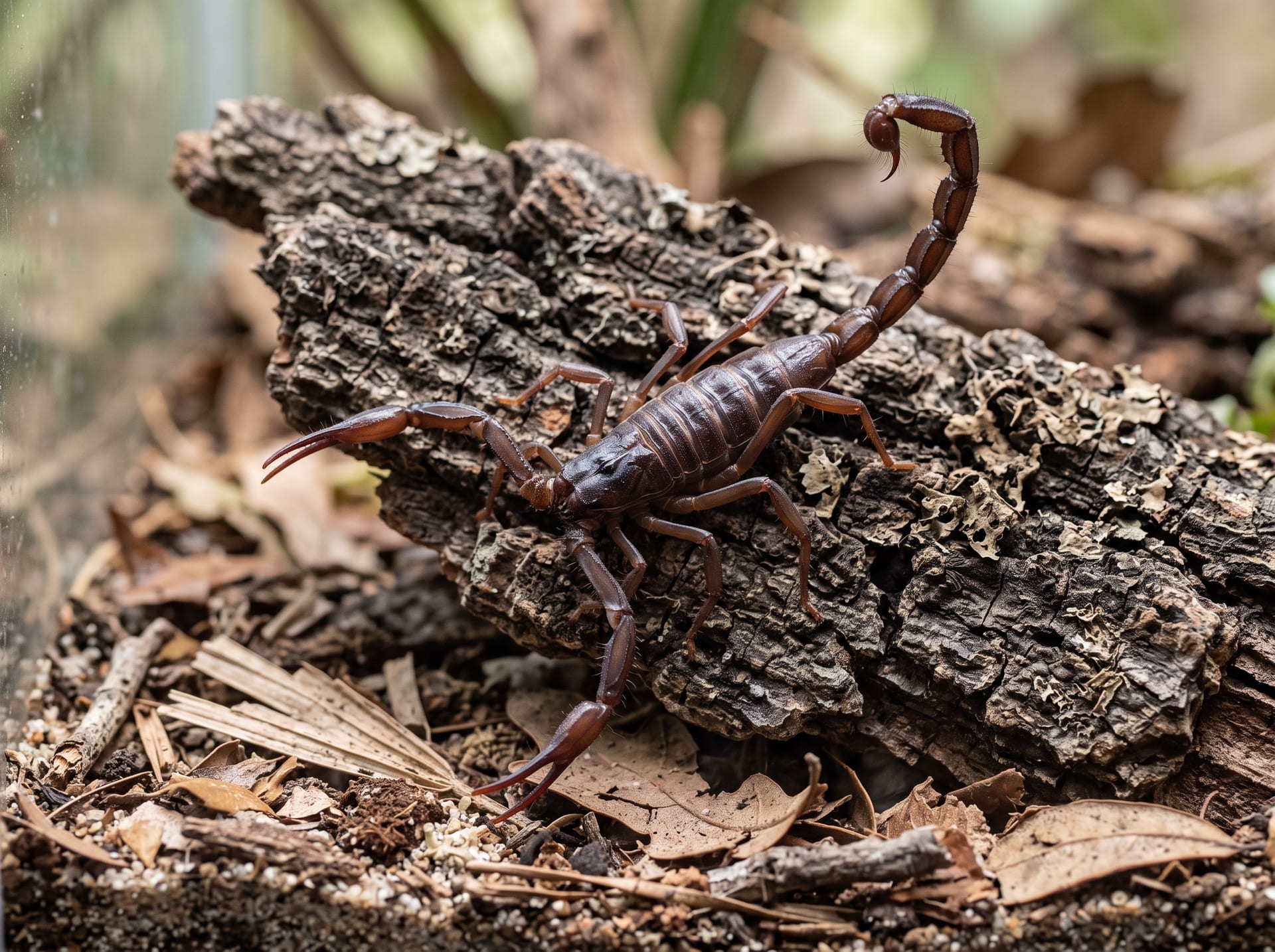
Florida Bark Scorpion
Centruroides gracilis
A slender bark-dwelling scorpion native to the Neotropics and established in Florida. Venom in this genus varies; this species is generally moderate, causing a painful but usually non-lethal sting.
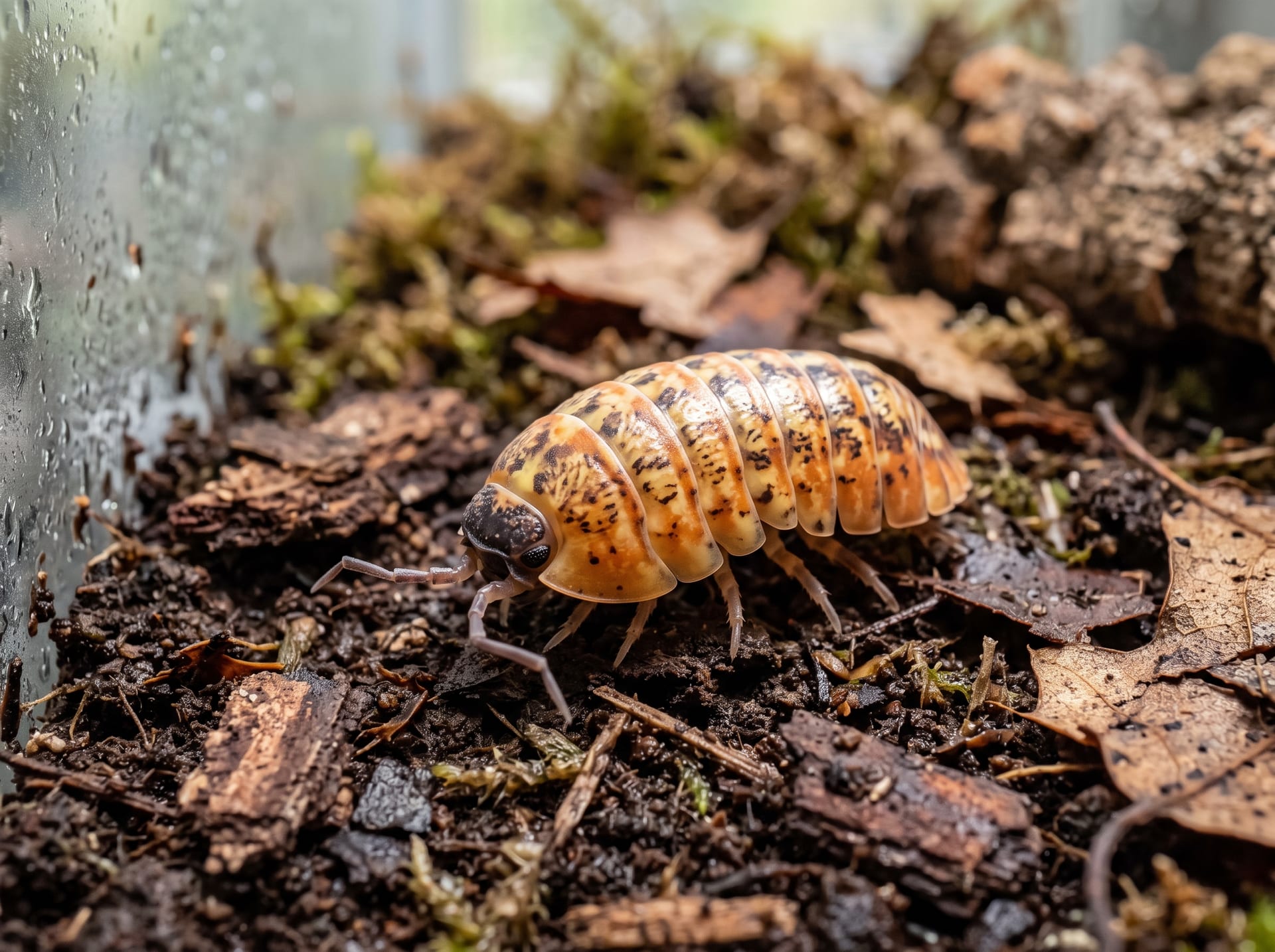
Gestroi Isopod
Armadillidium gestroi
A small, colorful pill bug marked with vivid yellow and pink. It rolls up and breeds somewhat slowly; a harmless detritivore with no bite or venom.
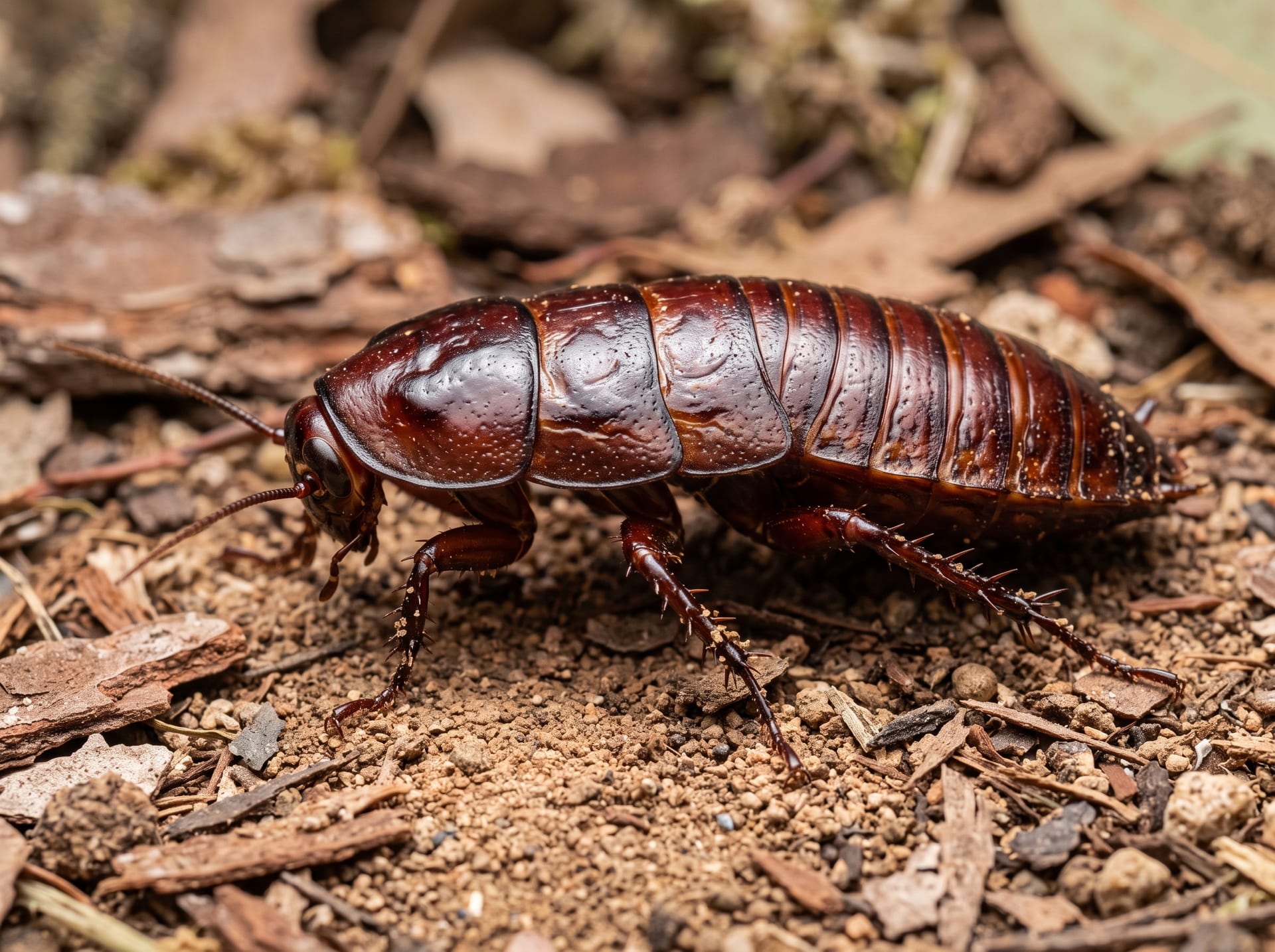
Giant Burrowing Cockroach
Macropanesthia rhinoceros
World's heaviest cockroach at 35g+. Native to Australia. Digs burrows underground. Wingless with glossy brown body. Very long-lived, over 10 years.
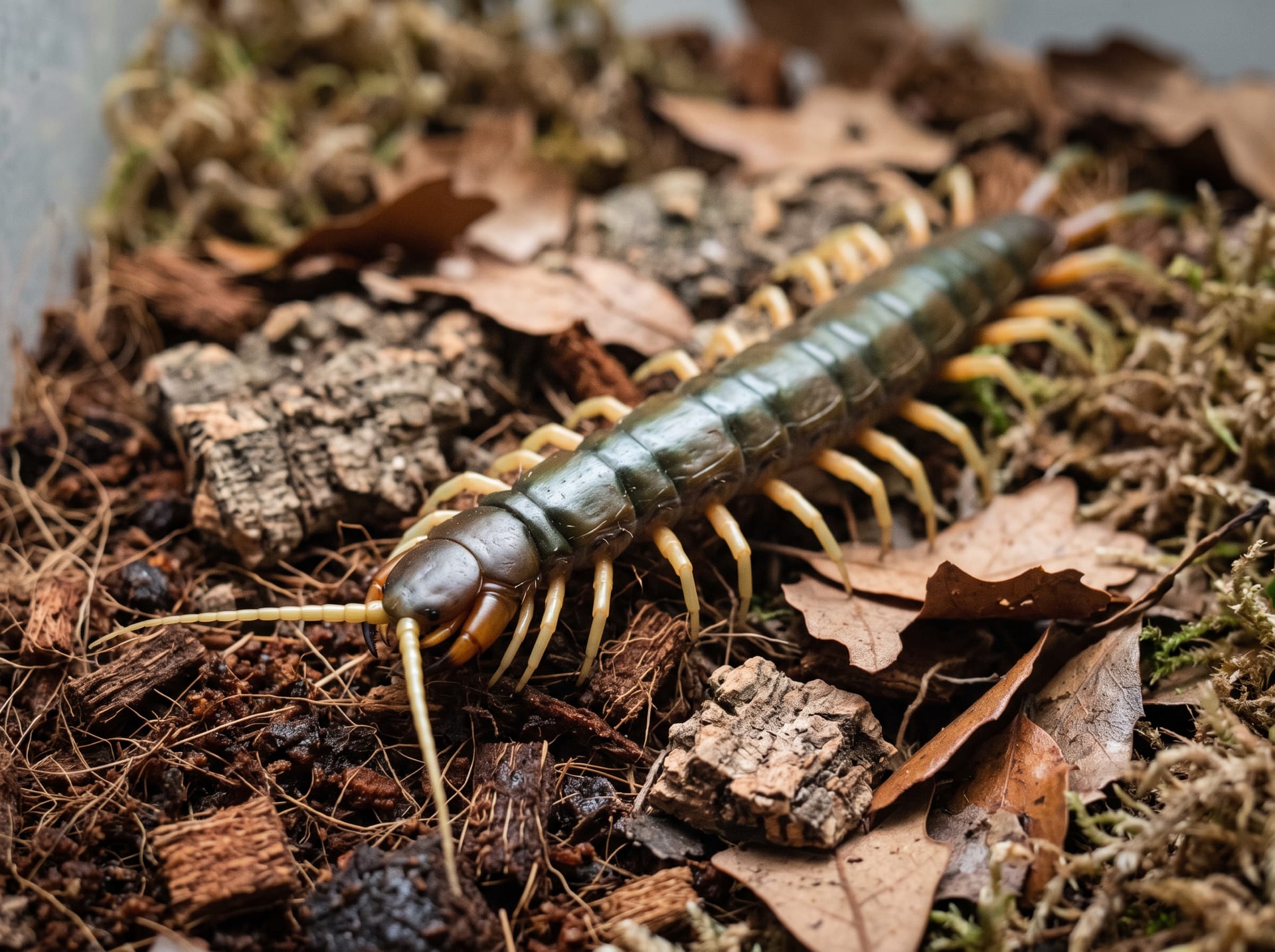
Haitian Giant Centipede
Scolopendra alternans
A medium-to-large centipede from the Caribbean and southern Florida, valued for its varied coloration. It is fast and defensive, with a painful bite.
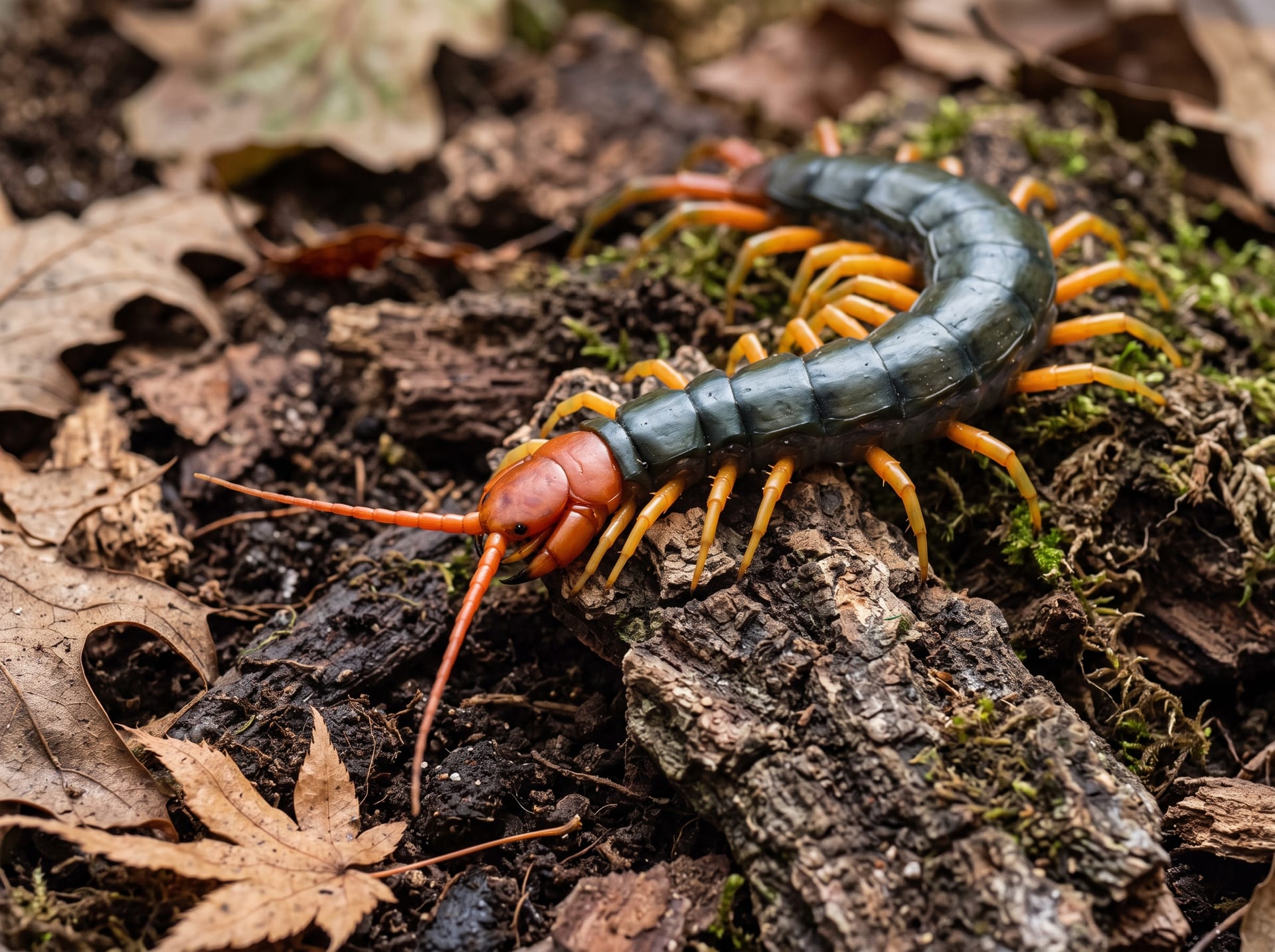
Japanese Giant Centipede
Scolopendra mutilans
A widespread and iconic large centipede across East Asia, with a reddish head and yellow legs. It is fast and defensive, and its bite causes significant pain and swelling.
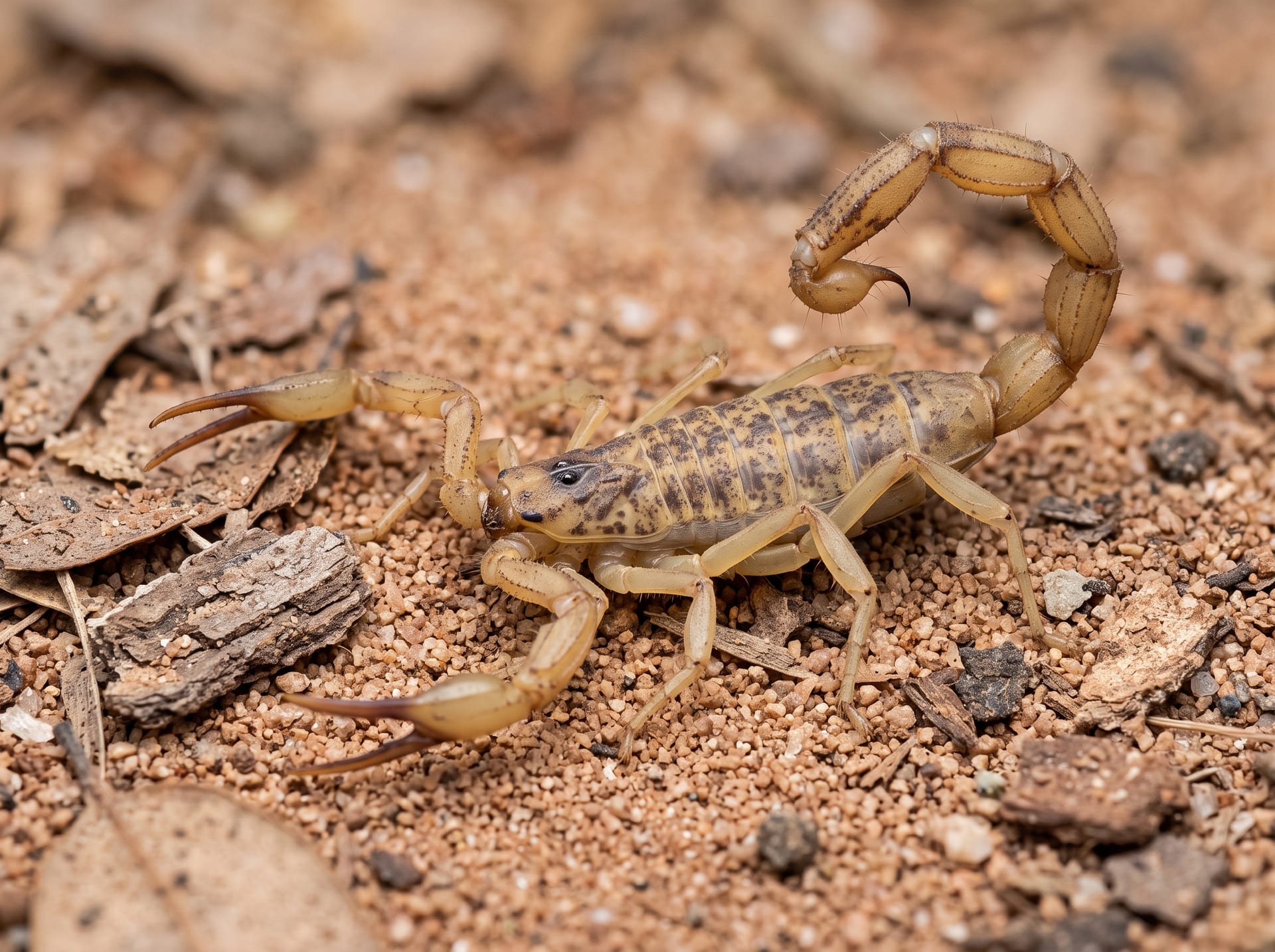
Lesser Brown Scorpion
Isometrus maculatus
A small, widely distributed tropical scorpion (also established in Japan's southwestern islands), recognizable by its slender tail and mottled pattern. Its venom is relatively mild but it is fast-moving.
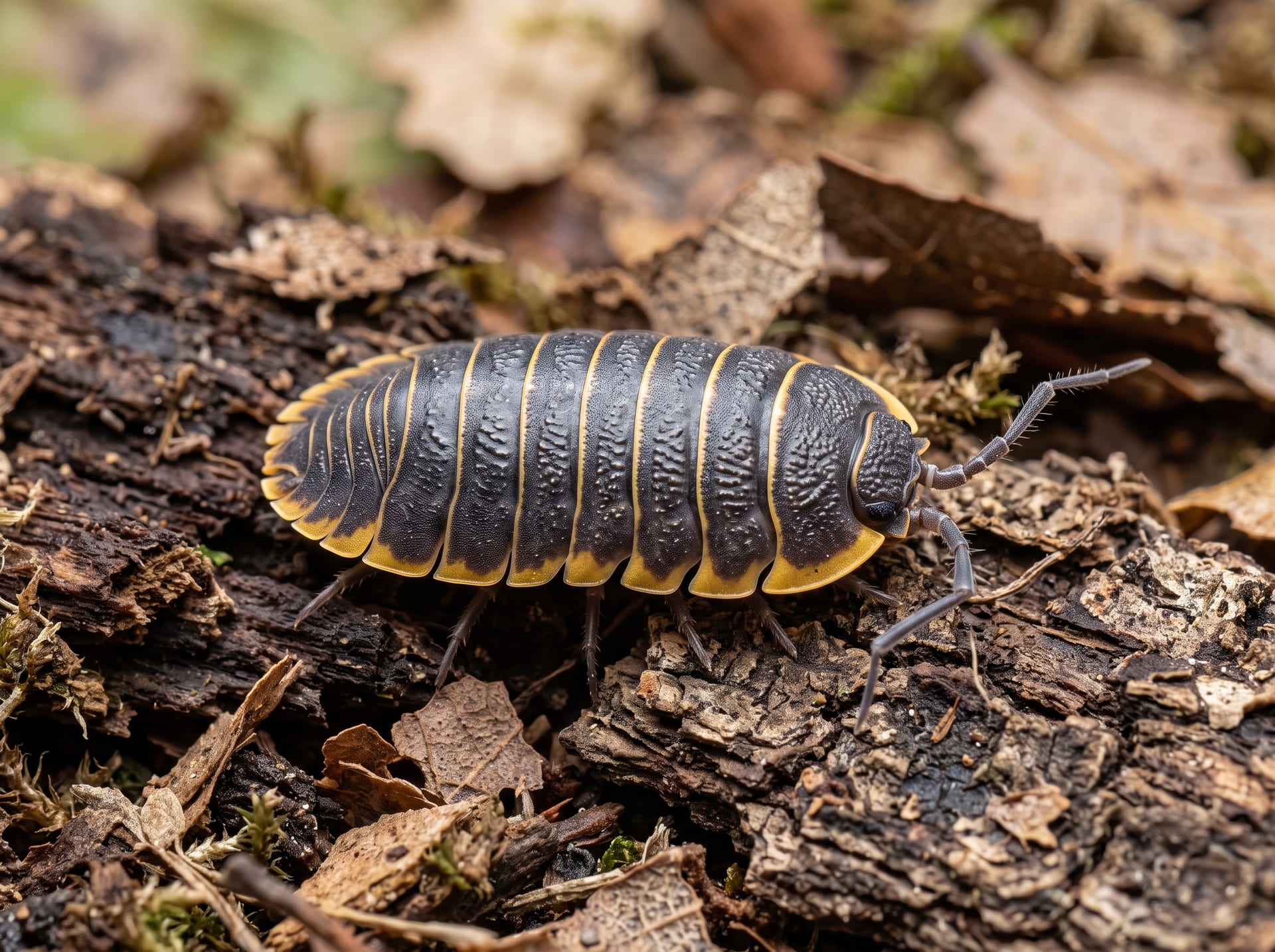
Magnificent Isopod
Porcellio magnificus
A large, rugged-looking Spanish isopod popular for its bold appearance. It favors drier, calcium-rich setups; fast but a harmless detritivore with no bite or venom.
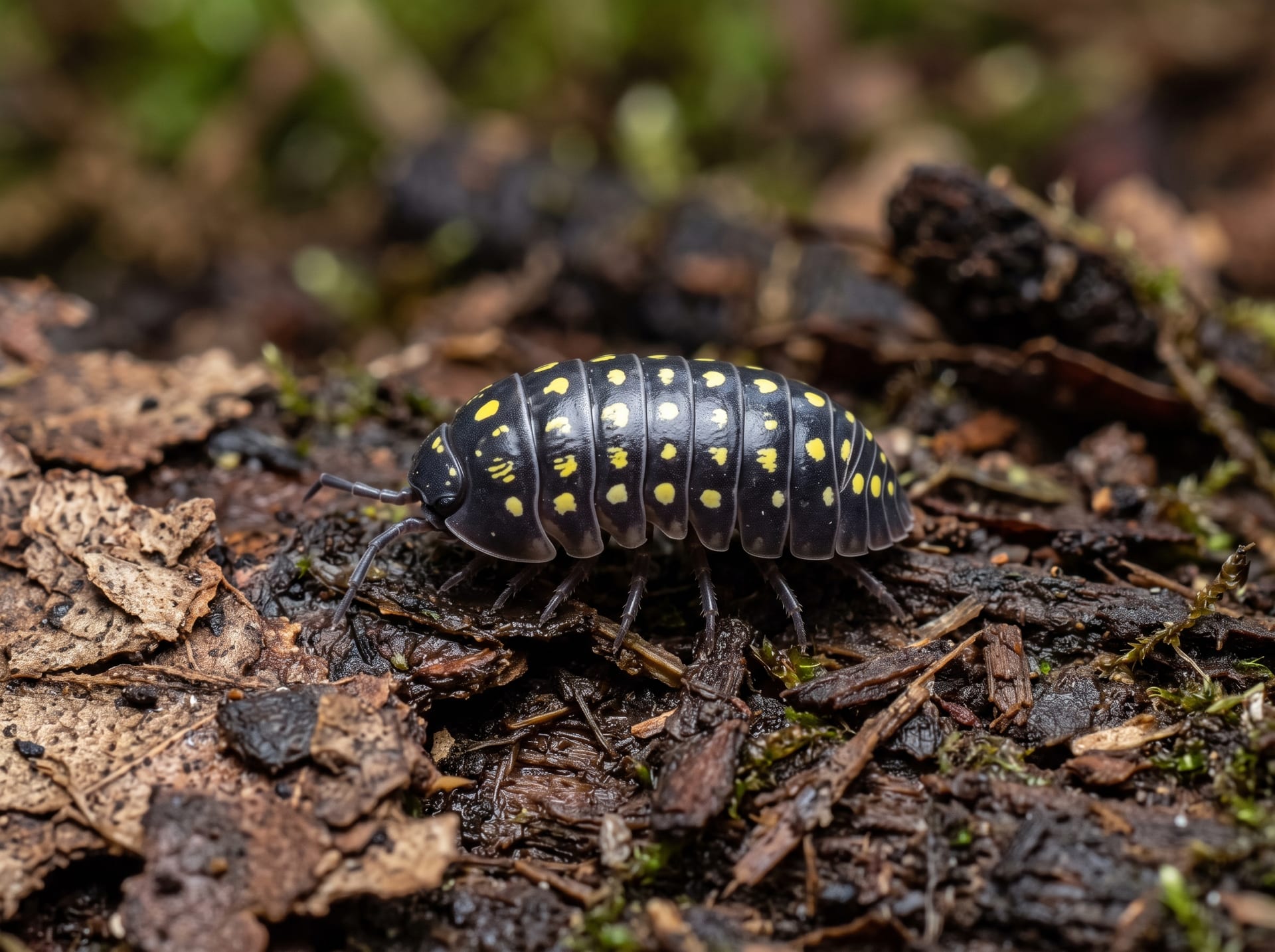
Montenegro Isopod
Armadillidium klugii
A beautiful pill bug, also called the Clown isopod, with yellow-to-orange margins on a dark body. It rolls up and breeds somewhat slowly; a harmless detritivore with no bite or venom.
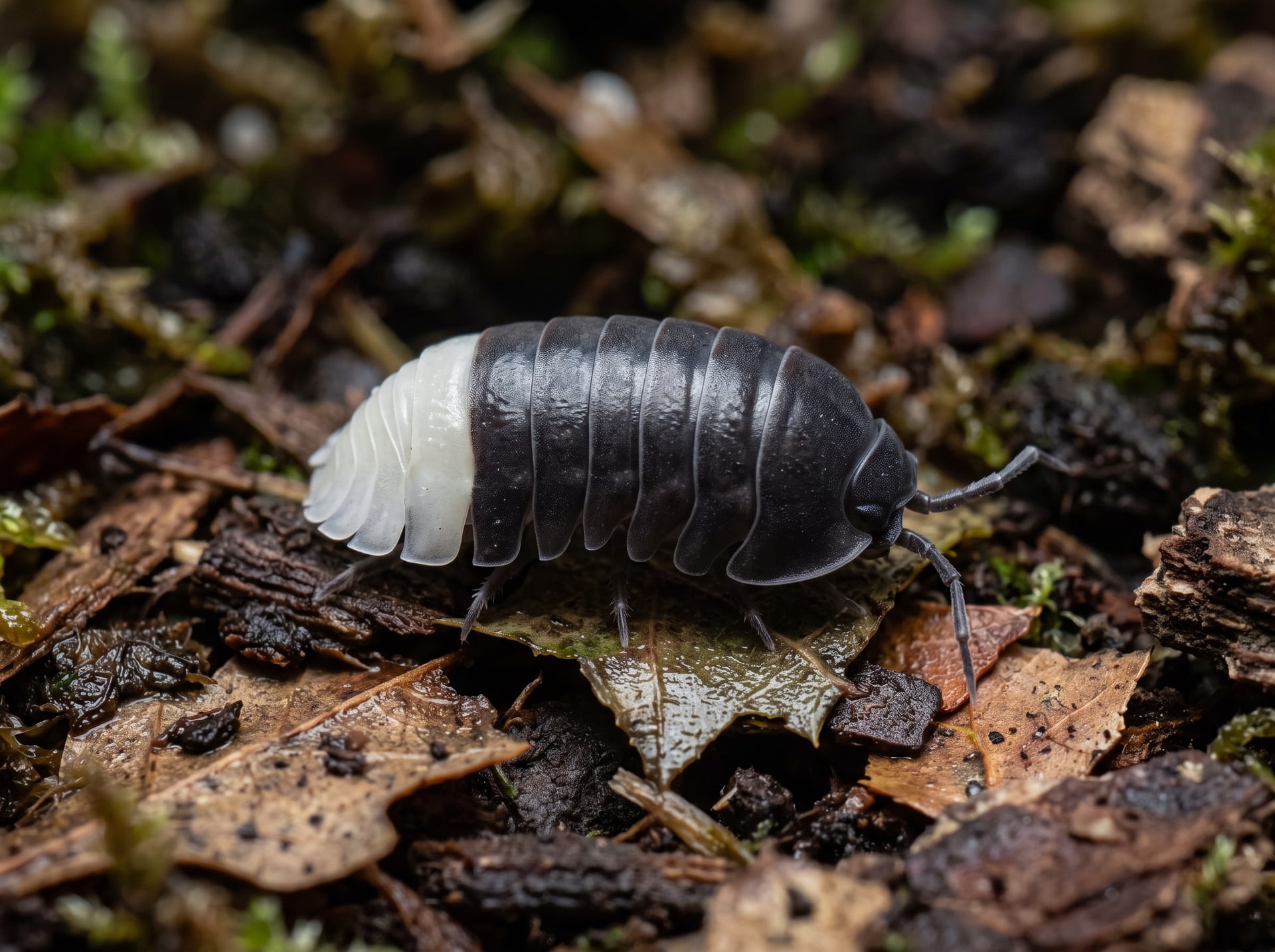
Panda King Isopod
Cubaris sp. "Panda King"
A popular Cubaris with striking black-and-white panda-like coloration. It is scientifically undescribed, so "Cubaris sp." is correct. A harmless detritivore that likes high humidity and calcium-rich substrate and breeds slowly.
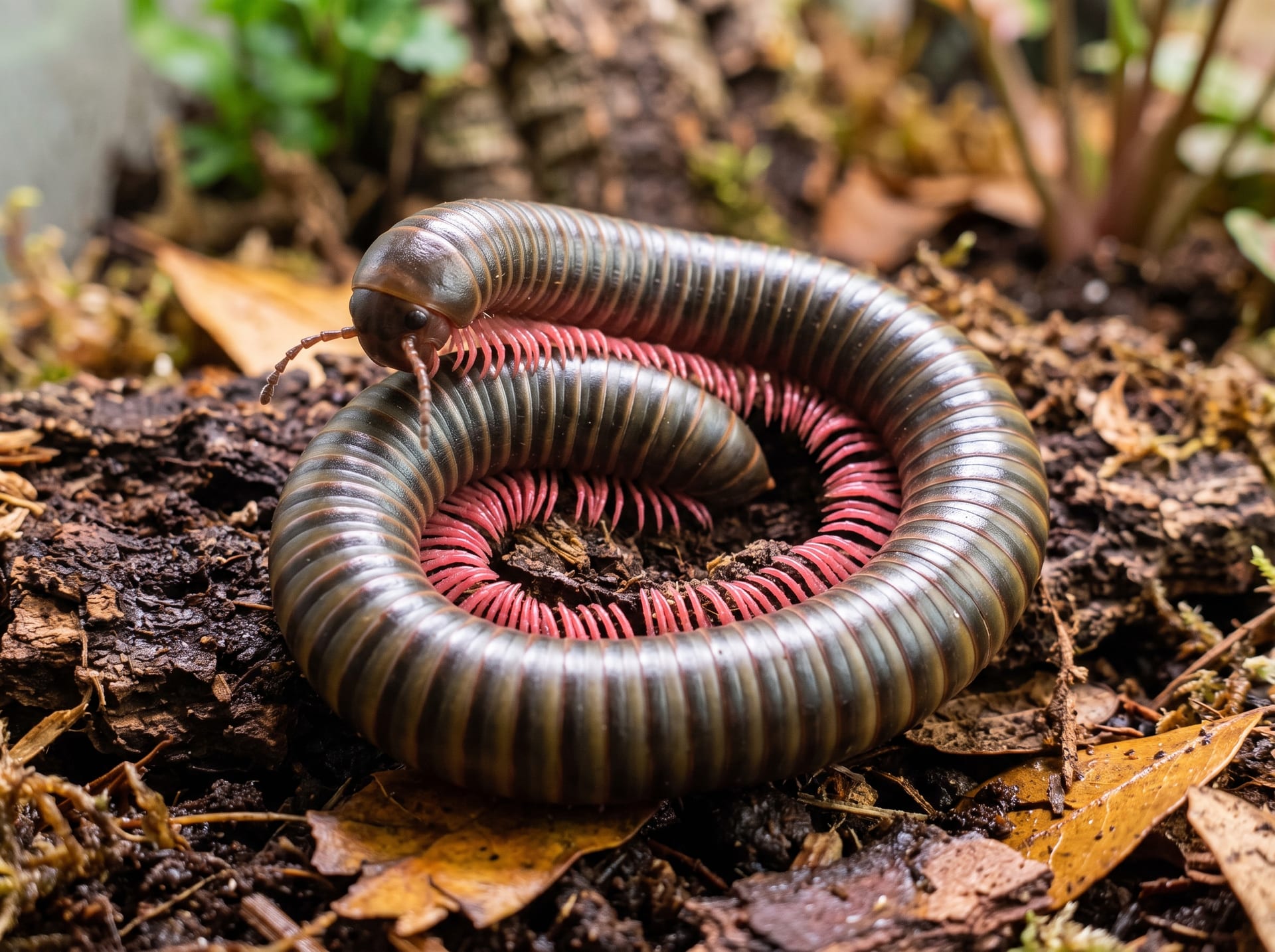
Pink Foot Millipede
Telodeinopus aoutii
A large West-Central African millipede with a dark body and pale pink legs that grows very long, active and a hearty eater needing warm, humid care.
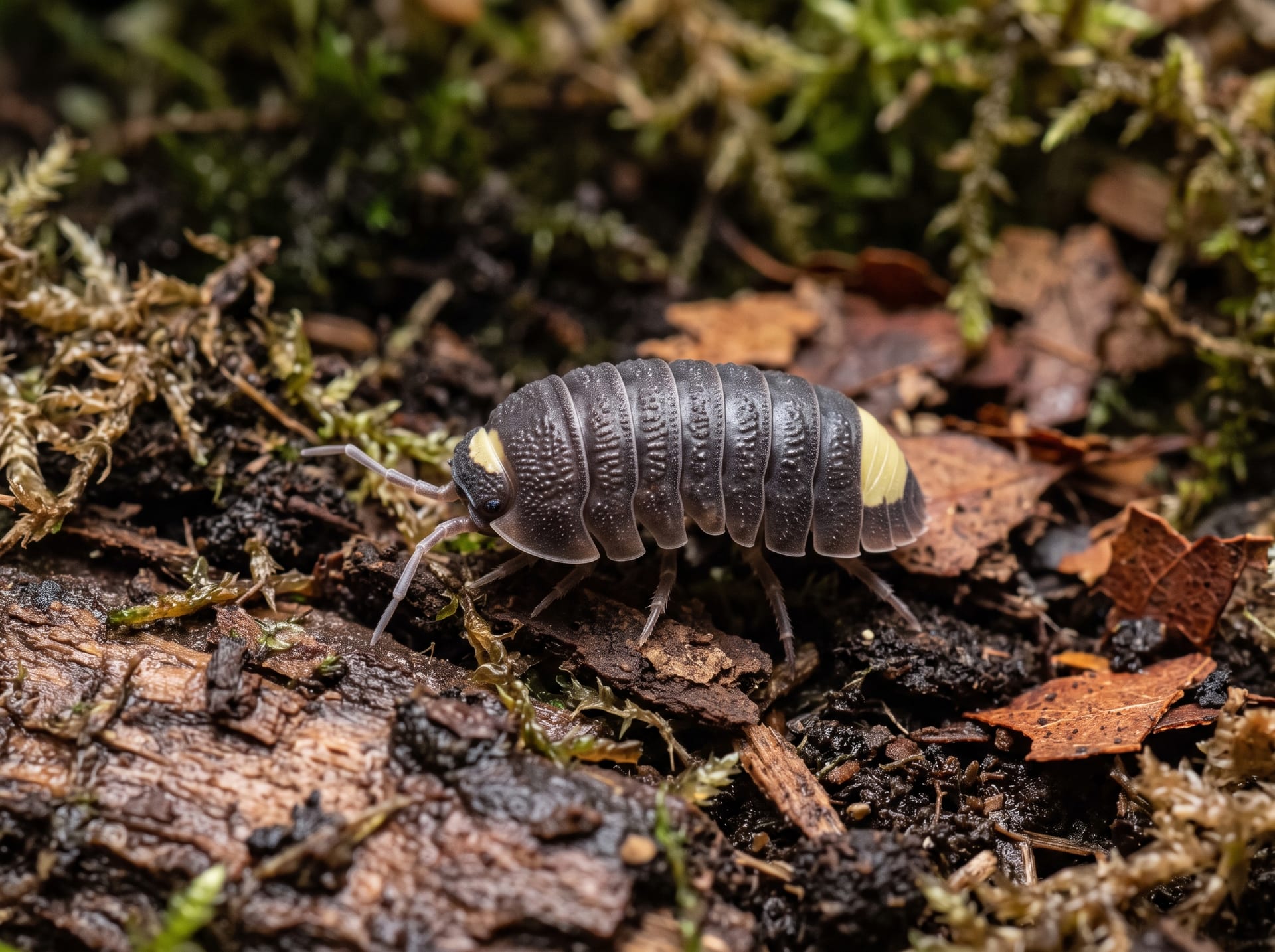
Rubber Ducky Isopod
Cubaris sp. "Rubber Ducky"
A highly sought-after Cubaris isopod whose yellow facial projection resembles a rubber duck. Scientifically undescribed, so "Cubaris sp." is the correct designation. It is a harmless detritivore that prefers high humidity and breeds slowly.
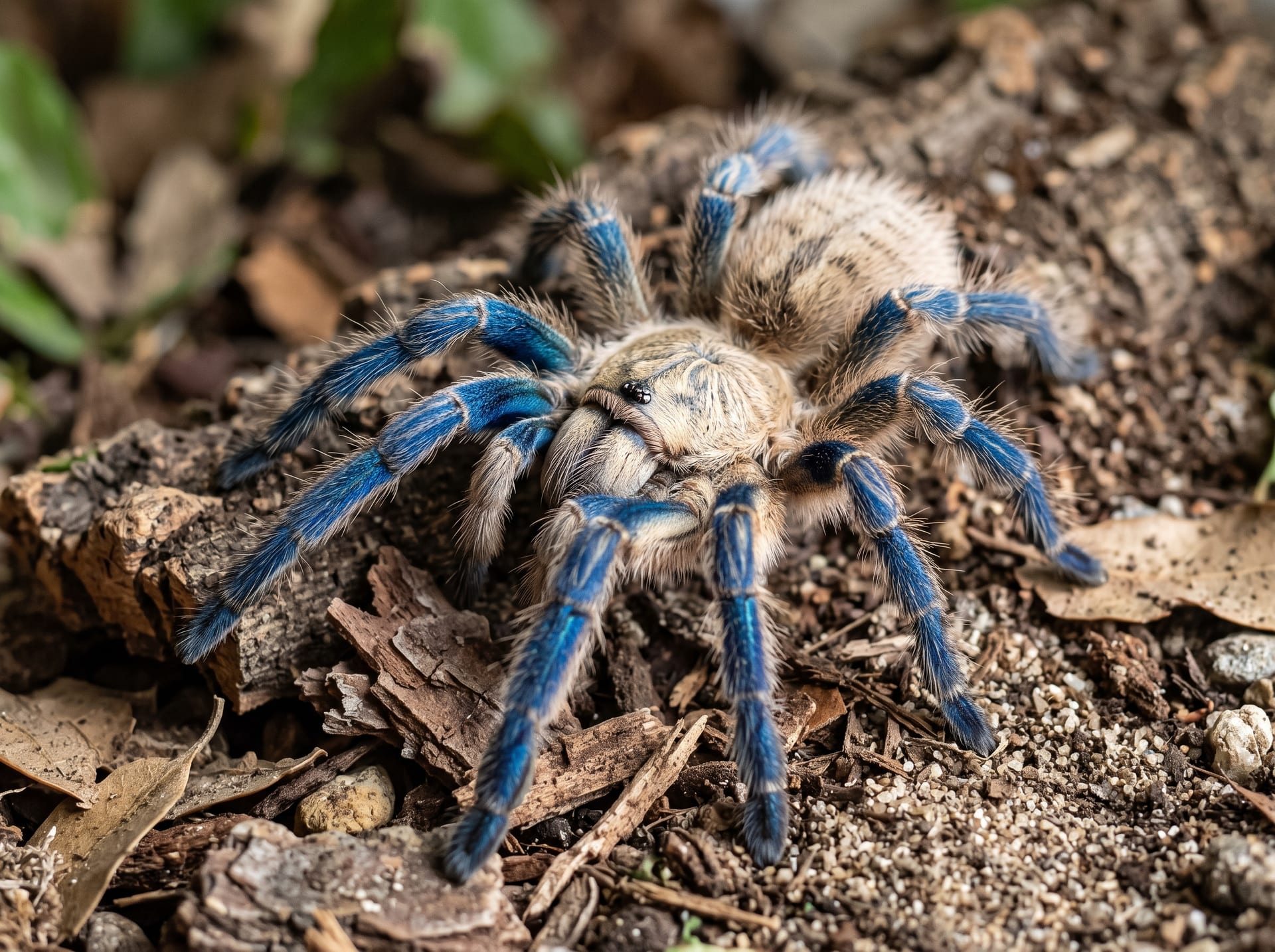
Socotra Island Blue Baboon
Monocentropus balfouri
An Old World species endemic to Socotra Island with bluish legs and a cream carapace. Known for tolerating communal keeping, it is relatively manageable for an Old World tarantula.
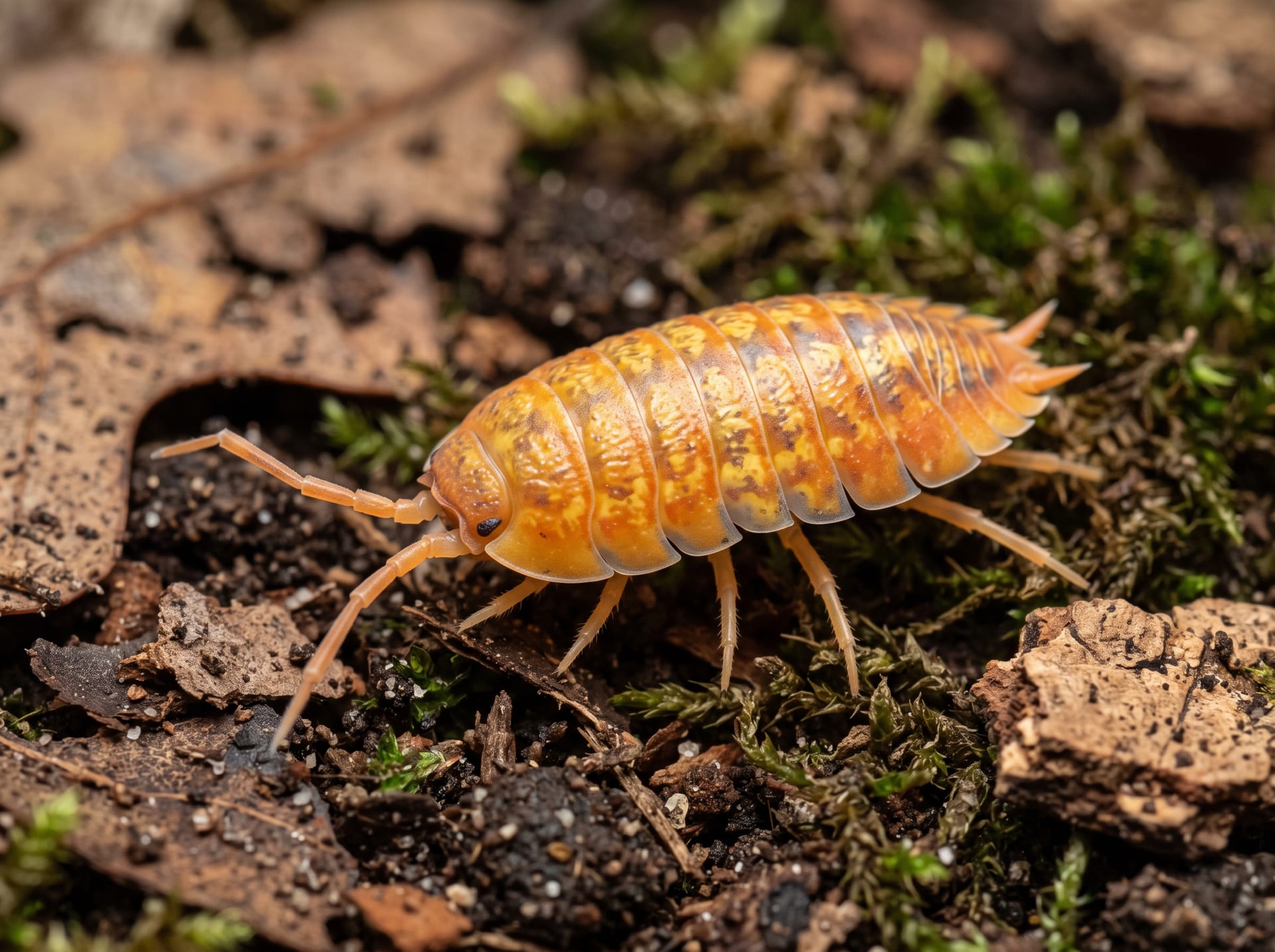
Spanish Orange Isopod
Porcellio hoffmannseggii
A large Spanish isopod prized for its vivid orange color and impressive size. It prefers drier, calcium-rich conditions; fast-moving but a harmless detritivore with no bite or venom.
Related Content
Exotic Invertebrate FAQ
- What are exotic invertebrates? Can beginners keep them?
- It's a general term for invertebrates centered on arachnids and myriapods such as tarantulas, scorpions, millipedes, and whip scorpions. Hardy species like the Chilean rose tarantula and terrestrial millipedes are relatively easy to keep and popular with beginners.
- How much do exotic invertebrates cost?
- Common hardy tarantulas run 3,000-30,000 yen, while rare species exceed tens of thousands. Scorpions are around 2,000-15,000 yen and millipedes 1,000-5,000 yen. Prices vary with rarity, size, and whether the animal is captive-bred (CB).
- How long do exotic invertebrates live?
- Female tarantulas are remarkably long-lived, reaching 10-20+ years depending on species, while males live only 1-3 years after maturity. Scorpions live 5-8 years and millipedes roughly 3-10 years depending on species, with many kept long-term through repeated molts.
- What equipment is needed for exotic invertebrates?
- Basics include a secure enclosure, substrate (moisture-retaining or dry depending on species), a shelter, and a water dish. Many species need heating, so prepare a heat mat and a thermometer-hygrometer. Arboreal tarantulas need height and climbing structures, while burrowing species need deep substrate.
- What safety precautions apply to exotic invertebrates?
- While most tarantulas have mild venom, urticating hairs and bites can trigger allergic reactions. Some scorpions and centipedes are venomous enough to require medical attention, so always research each species' risks in advance. Keep enclosures securely sealed and locked to prevent escapes.