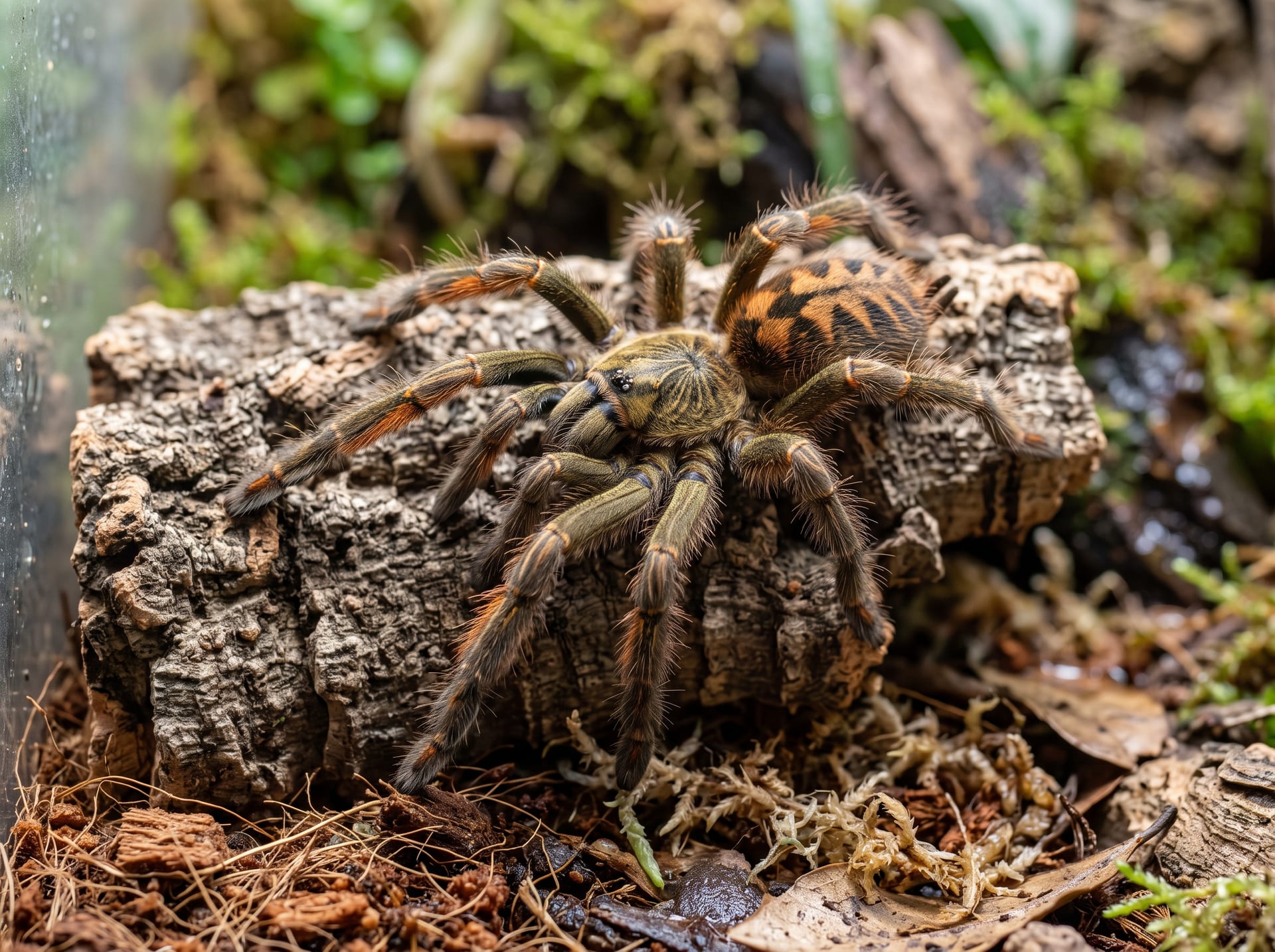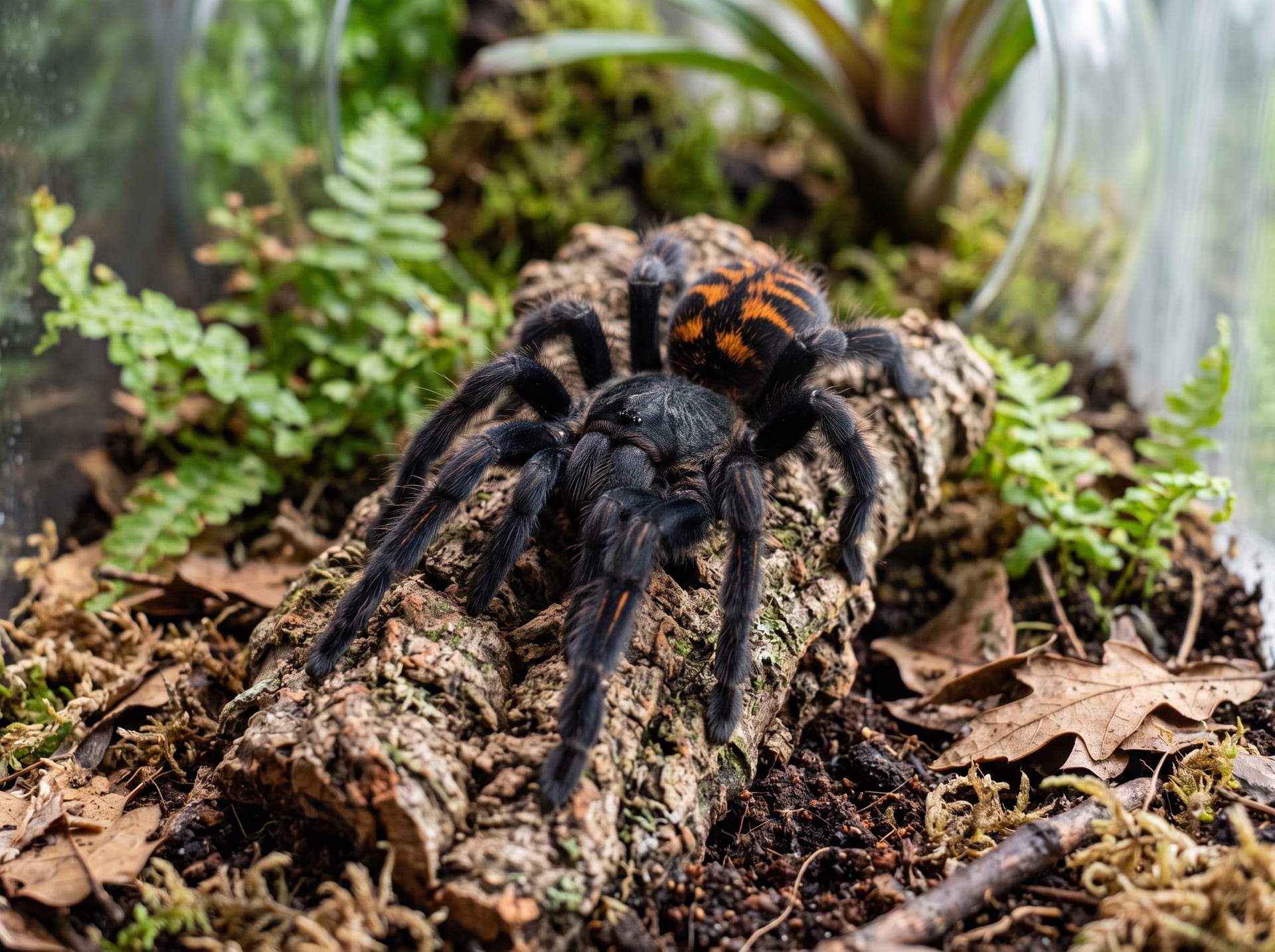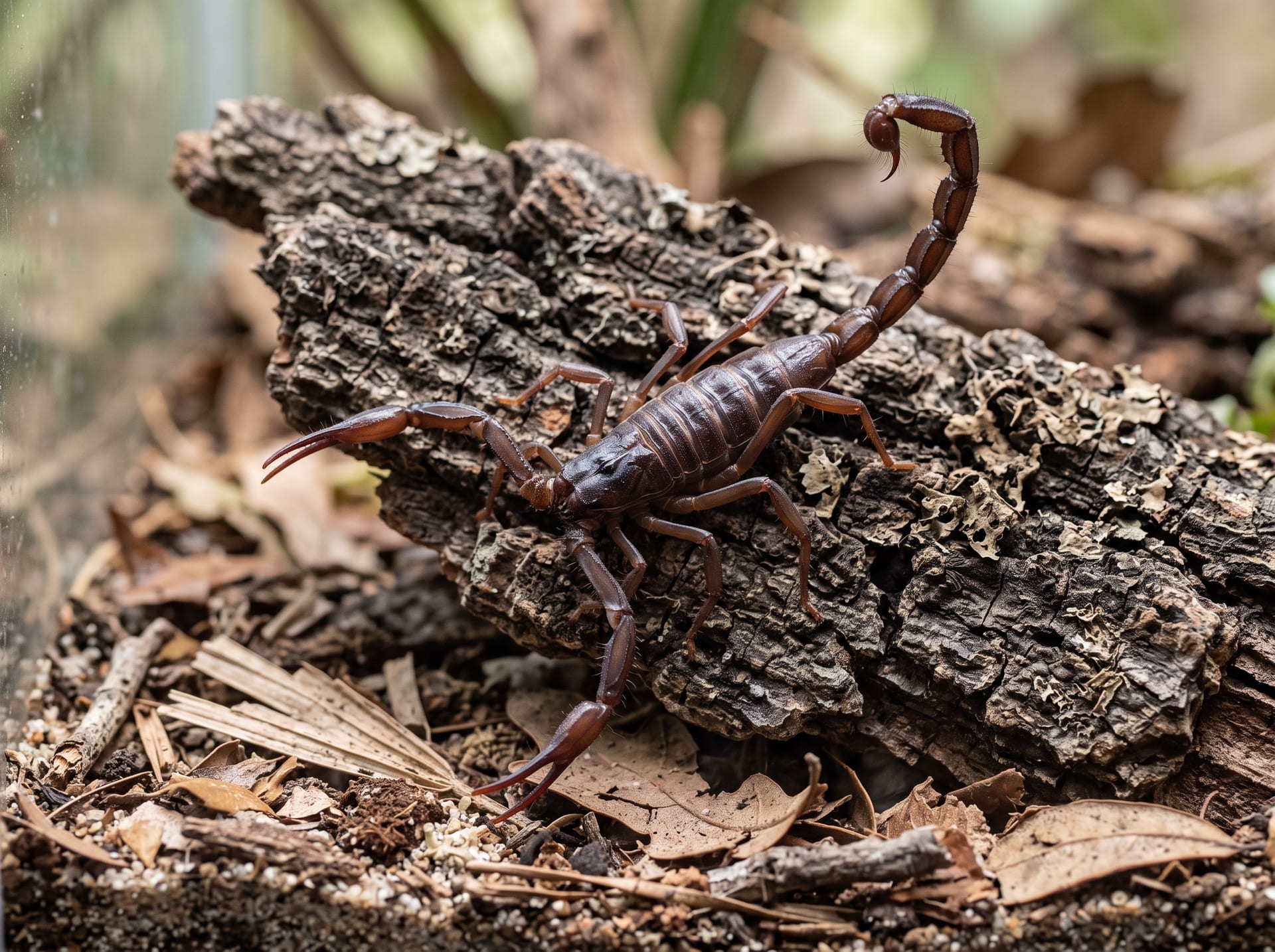
AI-generated image
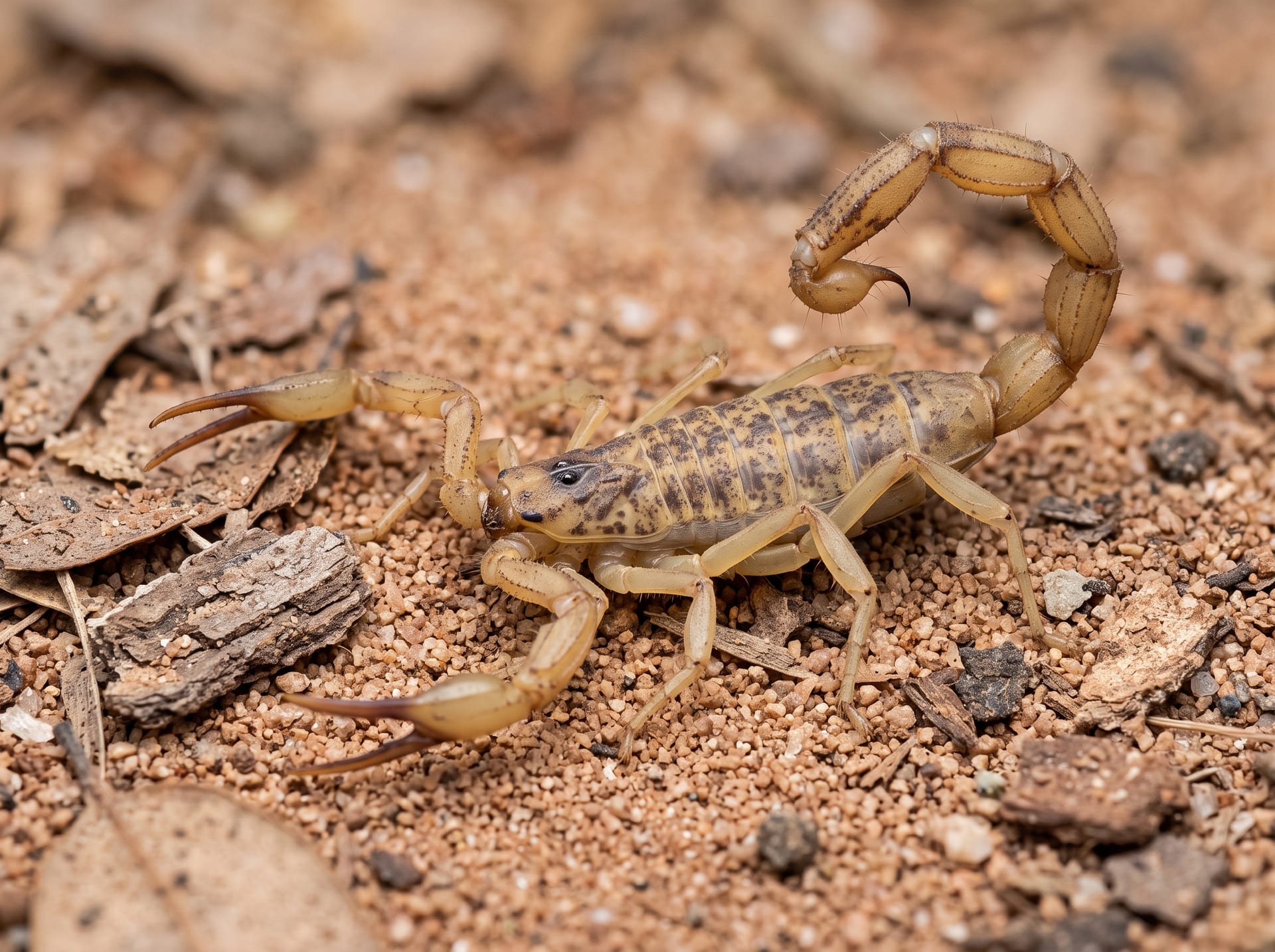
Florida Bark Scorpion
IntermediateCentruroides gracilis
A slender bark-dwelling scorpion native to the Neotropics and established in Florida. Venom in this genus varies; this species is generally moderate, causing a painful but usually non-lethal sting.
Difficulty
Intermediate
Temperature
24〜30℃
Lifespan
About 4-6 years
Size
8-11 cm in length
Humidity
60〜75%
Diet
Live insects such as crickets and roaches
About
The Florida Bark Scorpion (Centruroides gracilis) is a slender 8–11cm bark-dwelling scorpion native to the Neotropics and established in Florida. Venom within this genus varies, but this species is generally moderate, causing a painful though usually non-lethal sting. Kept at 24–30°C and 60–75% humidity on live insects, it lives 4–6 years; its painful sting and quick movements make it an intermediate-level species.
Basic Info
Origin
Native to Central and South America; established in Florida, USA
Lifespan
About 4-6 years
Size
8-11 cm in length
Temperature
24〜30℃
Humidity
60〜75%
Diet
Live insects such as crickets and roaches
Care Guide
Habitat
Provide vertical bark or cork slabs for climbing and hiding.
Temp & Humidity
Maintain 24-30°C and 60-75% humidity.
Feeding
Feed live prey 1-2 times weekly and offer a water dish.
References & Sources
Edited & verified by: br-choku editorial team
The taxonomic, regulatory, and husbandry data on this page are compiled and verified against the authoritative primary sources below.
Florida Bark Scorpion Listings
Loading latest listingsFind listings for this species