Ricordea (Florida & Yuma) Care Guide | How to Keep Colorful Mushroom Anemones
A complete guide to Ricordea florida and Ricordea yuma: characteristics, differences, and care methods. Learn how to grow these colorful corals easily, even as a beginner—covering water flow, lighting, and budding reproduction in detail.
Key Takeaways
A complete guide to Ricordea florida and Ricordea yuma: characteristics, differences, and care methods. Learn how to grow these colorful corals easily, even as a beginner—covering water flow, lighting, and budding reproduction in detail.
Related Species
Ricordea—The Charm of Mushroom Anemones
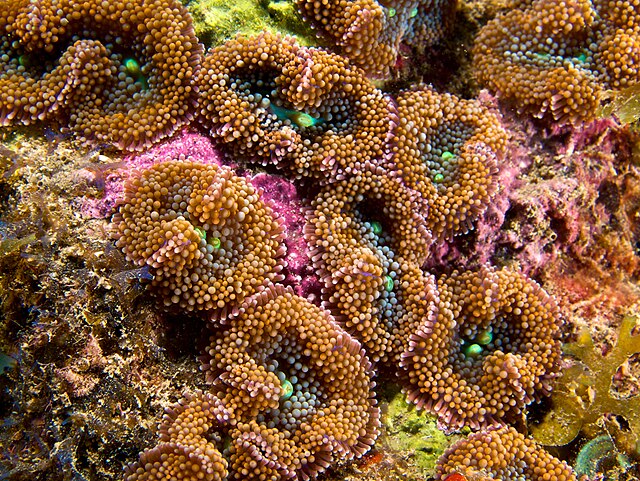
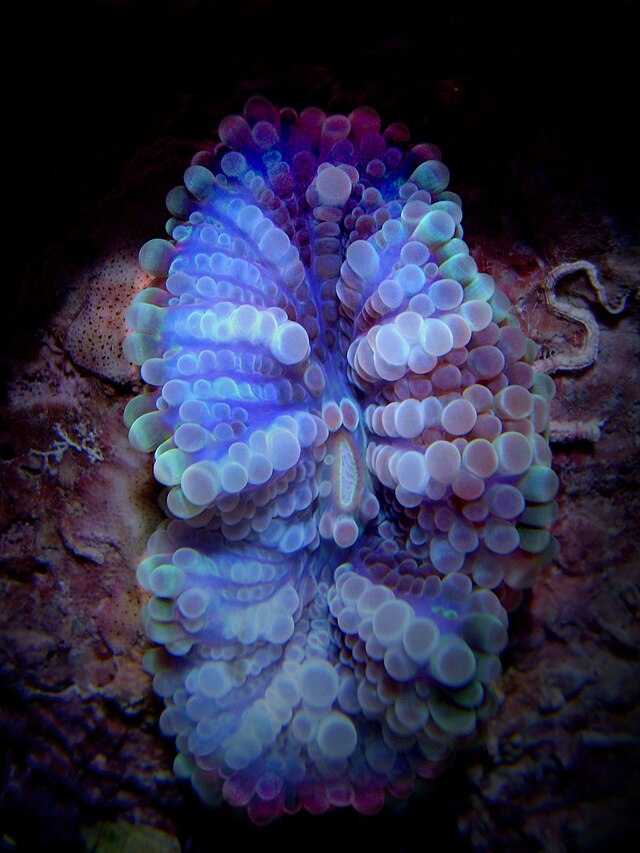
Ricordea belongs to the order of mushroom anemones (Corallimorpharia) and is characterized by its distinctive round, disc-shaped polyps densely packed with plump tentacles called vesicles. In the aquarium, they display vibrant variations in green, orange, purple, and multicolor, earning them high popularity among hobbyists as living works of art on a tiny canvas.
Two species are primarily available. Ricordea florida comes from the Caribbean and is characterized by its rounded form with vesicles arranged uniformly and densely packed. Ricordea yuma is from the Indo-Pacific region, with notably larger vesicles that stand out with their puffy texture. Both species combine ease of care with stunning beauty, making them an excellent choice for anyone starting with soft corals.
Ricordea are photosynthetic corals that harbor zooxanthellae (symbiotic algae) within their tissues, but they do not prefer excessive intense lighting and thrive well under moderate illumination. Compared to many other SPS corals, they are notably stress-resistant and hardy enough to tolerate minor fluctuations in water quality.
Comparing the Two Species and Making Your Choice
Although Florida and Yuma look similar, their different origins result in differences in temperature tolerance and color expression.
| Factor | Ricordea florida | Ricordea yuma |
|---|---|---|
| Origin | Caribbean (off Florida, etc.) | Indo-Pacific (Okinawa, Philippines, etc.) |
| Vesicle Form | Small & densely packed | Large & puffy |
| Color Variations | Predominantly green & orange | Rich in multicolor & rainbow morphs |
| Optimal Temperature | 24–27℃ | 24–27℃ |
| Price Range | Moderate ($15–45 USD approx.) | Slightly expensive ($30–150+ USD approx.) |
Yuma's rainbow individuals and hybrid orange-blue color morphs are highly sought after by collectors. If you're keeping Ricordea for the first time, starting with florida offers better value for money as a beginner.
Setting Up Your Care Environment
Lighting
Ricordea prefer moderate illumination. They do well under white or blue-white LED lighting in the 10,000–14,000K range. A PAR value around 50–150 is ideal; they don't require the high intensity needed for SPS corals. Excessively intense direct light can cause bleaching, so placing them on the side or lower-middle sections of the tank is safest.
When first introducing a newly purchased Ricordea, place it in a low-light area and gradually move it to the appropriate location over 2–3 weeks (acclimation period).
Water Flow
They do not tolerate strong direct water currents. Gentle, indirect flow is ideal. If using a circulation pump, adjust the flow direction so it doesn't strike the Ricordea directly. Insufficient flow can lead to organic matter accumulation, causing polyps to retract; a soft, turbulent current in the placement area is optimal.
Water Parameters
- Salinity: 1.025–1.026 SG
- Temperature: 24–27℃
- pH: 8.1–8.3
- KH (Alkalinity): 8–10 dKH
- Calcium: 380–430 ppm
- Magnesium: 1,250–1,350 ppm
- Nitrate: Tolerable up to 2–10 ppm (extremely low levels are unnecessary)
- Phosphate: 0.02–0.10 ppm
Ricordea do not require the ultra-low nutrient levels demanded by LPS or SPS corals; they thrive well in "richer" water with some organic content. In fact, in ultra-low nutrient tanks where nitrate and phosphate approach zero, color can fade.
Feeding
While Ricordea obtain much of their energy through photosynthesis, supplemental feeding significantly enhances color and growth.
Recommended Feeding Methods:
- Target feeding (using a pipette to deliver food directly to polyps)
- Frozen or dried brine shrimp and copepods
- Coral food (powder or liquid formulations)
- Finely chopped frozen mysis shrimp
Feed 1–2 times per week. After feeding, reduce water flow for 1–2 hours to allow polyps time to consume the food, then resume flow to remove any leftover food.
If polyps remain retracted, check lighting and flow conditions first; ensure they're opening normally before attempting to feed.
Reproduction (Budding) and Propagation
Ricordea reproduce through natural budding when environmental conditions are favorable. There are two patterns: vertical division (tearing vertically) and horizontal division (oral disc separation).
To encourage budding, establish these conditions:
- Stable water quality and moderate nutrition (regular feeding)
- Some space to move (rockwork edges or flat frag bases)
- No crowding from neighboring corals (avoid overcrowding)
The resulting juvenile clones carry identical genetics to the parent, making this an excellent method for propagating rare color morphs. Frag trading and exchange are common among enthusiasts, and these corals are well-suited for marketplace sales.
Troubleshooting
Bleaching Often caused by intense light, high temperature, or sudden water parameter shifts. Move immediately to a shaded area and verify water temperature, salinity, and KH. Allow recovery gradually.
Polyps Remain Retracted Long-Term Consider direct water flow impact, sudden nutrient swings, or allelopathy (chemical competition) from nearby corals. Reposition the coral and increase distance from neighbors.
Melting (Tissue Collapse) RTE-like symptoms may occur. Immediately isolate in a separate tank and perform water changes with activated carbon. In severe cases, brief flushing treatments (iodine solutions like Lugol's) may be effective.
Conclusion
Among soft corals, Ricordea stand out for their spectacular colors and relative ease of care, with particularly high collectibility. Florida is ideal for beginners, while Yuma's abundant color variations appeal to serious collectors—both species offer distinct collecting enjoyment. With moderate lighting, gentle water flow, and stable water conditions, long-term care and budding propagation are entirely achievable. Whether through marketplace exchanges of rare color morphs or personal cultivation, Ricordea are highly rewarding species to explore.