Care Guide for Chalice Corals (Echinophyllia) | Intermediate Guide to Lighting, Water Flow, and Color Enhancement for LPS | ブリちょく
Coral| ✍️ BreederDirect Editorial
Care Guide for Chalice Corals (Echinophyllia) | Intermediate Guide to Lighting, Water Flow, and Color Enhancement for LPS
Detailed guide on caring for Chalice Corals (Echinophyllia/Oxypora). Covers proper lighting intensity, water flow settings, feeding, and fragging—key points for intermediate aquarists to maintain them long-term.
Key Takeaways
Detailed guide on caring for Chalice Corals (Echinophyllia/Oxypora). Covers proper lighting intensity, water flow settings, feeding, and fragging—key points for intermediate aquarists to maintain them long-term.
Care Guide for Chalice Corals (Echinophyllia) | Intermediate Guide to Lighting, Water Flow, and Color Enhancement for LPS
✍️
BreederDirect Editorial
The BreederDirect editorial team specializes in care information for animals, covering veterinary care and breeding to deliver beginner-friendly guides.
Find Coral on BreederDirect
Buy directly from verified breeders
Browse Related Listings
Find Coral listings related to this article on BreederDirect. Buy directly from verified breeders.
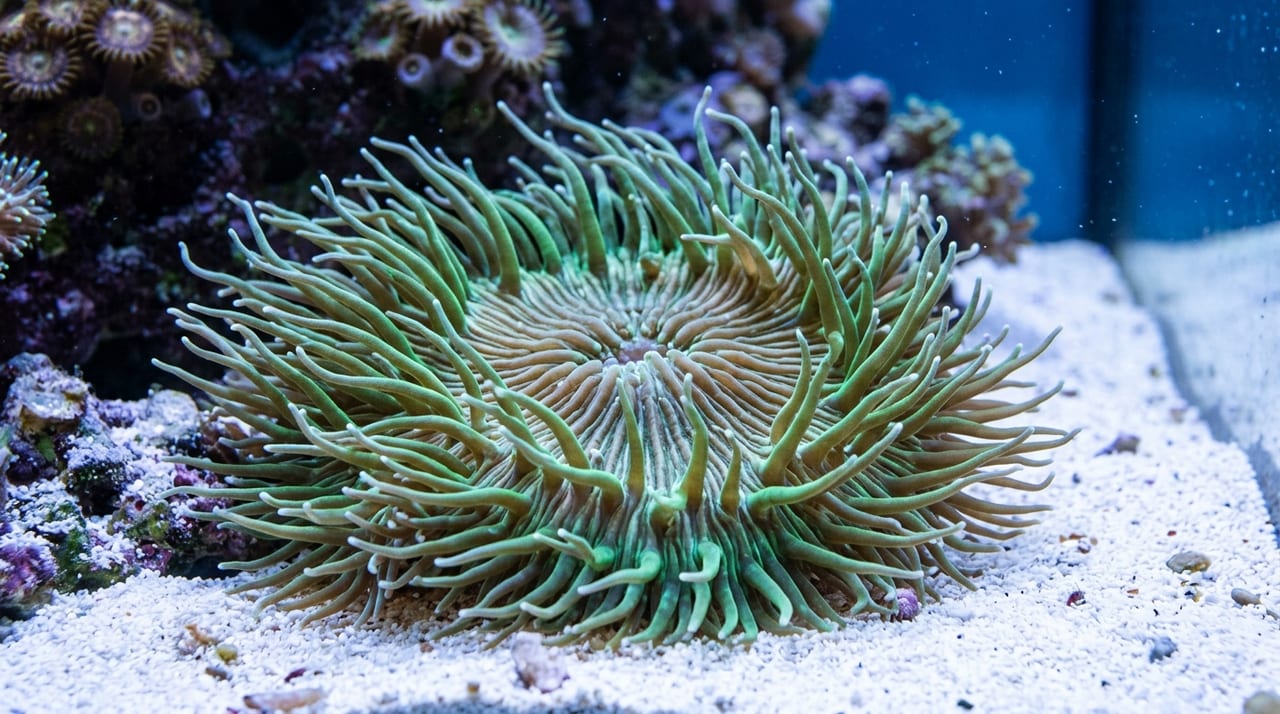
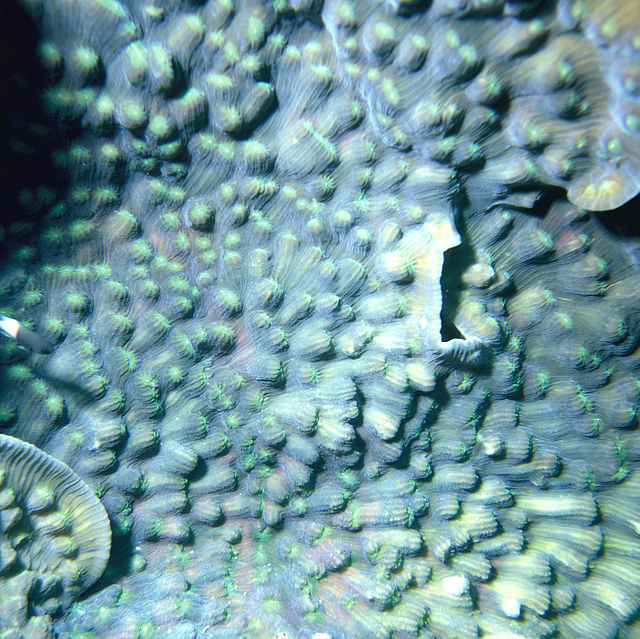
Chalice Corals (Echinophyllia / Oxypora genus) are LPS corals with flat, plate-like to wavy forms. They are highly popular among reef tank enthusiasts due to their abundant color variations (green, blue, red, purple) and distinctive skeletal structure. While they have a slightly higher difficulty level compared to Zoanthids and Hammer Corals, long-term care and propagation are possible with proper environmental conditions.
---
Basic Information
Item
Details
Scientific Name
Echinophyllia spp. / Oxypora spp.
Classification
Cnidaria, Anthozoa, Scleractinia, Caryophylliidae
Common Names
Chalice Coral, Cup Coral
Difficulty Level
Intermediate (★★★☆☆)
Maximum Size
Colonies reach 20–50 cm
Toxicity
Tentacles have mild toxicity; produce digestive filaments upon contact with other species
---
Tank Environment Setup
Water Parameters
Chalice Corals are less sensitive than SPS, but stable water parameters are key to vibrant coloring.
Parameter
Target Range
Temperature
24–26°C
Specific Gravity (Salinity)
1.025–1.026
pH
8.1–8.3
Alkalinity (KH)
8–10 dKH
Calcium (Ca)
400–450 ppm
Magnesium (Mg)
1,250–1,350 ppm
Nitrate (NO₃)
2–10 ppm (risk of bleaching if too low)
Phosphate (PO₄)
0.03–0.10 ppm
Chalice Corals struggle in ultra-low nutrient systems with near-zero nitrate. Modest nutrient levels are essential.
Lighting
Chalice Corals prefer low to moderate light levels.
PAR Target: 50–150 μmol/m²/s
High light (PAR 200+) risks zooxanthellae loss, leading to bleaching and color loss
Best placed in shaded areas, lower on rockwork, or beside/below rocks
With LED lighting, strong blue channels (450 nm) enhance fluorescent coloration
Newly introduced specimens should start in the darkest area of the tank, then gradually acclimate to brighter conditions over 2–3 weeks.
Water Flow
Chalice Corals have small polyps and require gentle, indirect turbulent flow.
Avoid strong, direct flow (causes polyp retraction and stress)
Use powerheads angled at walls or rocks to create reflected, diffuse flow
Target flow rate: 5–10x tank volume per hour
Reducing flow at night compared to daytime aids feeding
---
Placement and Aquascaping
Recommended Positioning
Bottom to lower-middle section: Place at the base or on the lower portions of rockwork
Rather than sitting flat on rocks, angling them on rock slopes allows polyps to extend fully
Maintain at least 10 cm distance from neighboring corals (digestive filament aggression)
Compatibility with Other Species
Aggression Level: Moderate. They extend digestive filaments to attack nearby corals
Zoanthids, Soft Corals, and Hammer Corals require adequate spacing
Placing on opposite sides of rock or using rock barriers for separation ensures safety
---
Feeding
Chalice Corals derive primary energy from symbiotic zooxanthellae photosynthesis, but supplemental feeding improves condition.
Feeding Method
Turn powerheads off for 30 minutes to 1 hour
Use a pipette or syringe to directly target polyps with frozen plankton (copepods, artemia)
Add commercial coral food solutions (AB+, CoralAmino, etc.) to the entire tank
Keep flow off for 1–2 hours post-feeding to allow absorption
Feeding Frequency: Once to twice weekly. Overfeeding raises nitrate and phosphate levels.
---
Color Enhancement Tips
Chalice Coral coloration is determined by several factors:
Factor
Details
Lighting Spectrum
Strong blue LED (420–470 nm) enhances fluorescent coloration
Cause: Excess nutrients or insufficient light causing zooxanthellae overgrowth
Solution: Lower nitrate and phosphate levels, increase light intensity slightly
---
Tips for Selling as a Breeder
Photograph under fluorescent or blue-spectrum LED lighting to showcase true coloration
3–5 cm frags are the standard market size for ease of shipping
Use double bagging and heating packs for 8–12 hour transport (essential in summer/winter)
Inform buyers in advance that "polyps may not extend for 2 weeks after introduction" to prevent complaints
---
Summary
Chalice Corals (Echinophyllia) are colorful LPS corals that prefer low to moderate light and gentle water flow. While less demanding than SPS, they thrive when nitrate is kept at safe levels (2–10 ppm), lighting is adjusted with blue spectrum LEDs, and feeding occurs 1–2 times weekly. They propagate readily, making them ideal for breeders. ブリちょく features numerous Chalice Coral frags from domestic breeders—be sure to check them out.