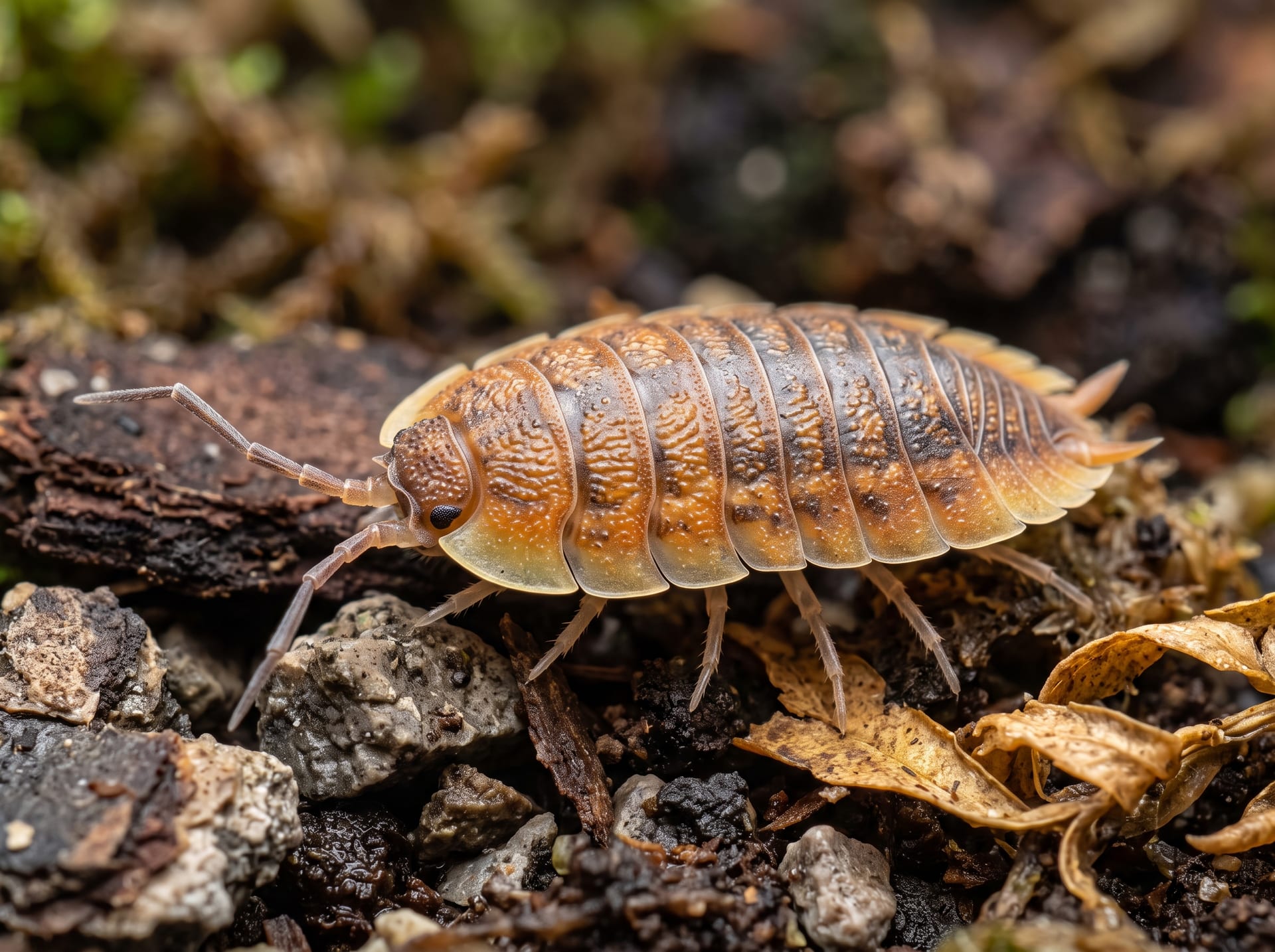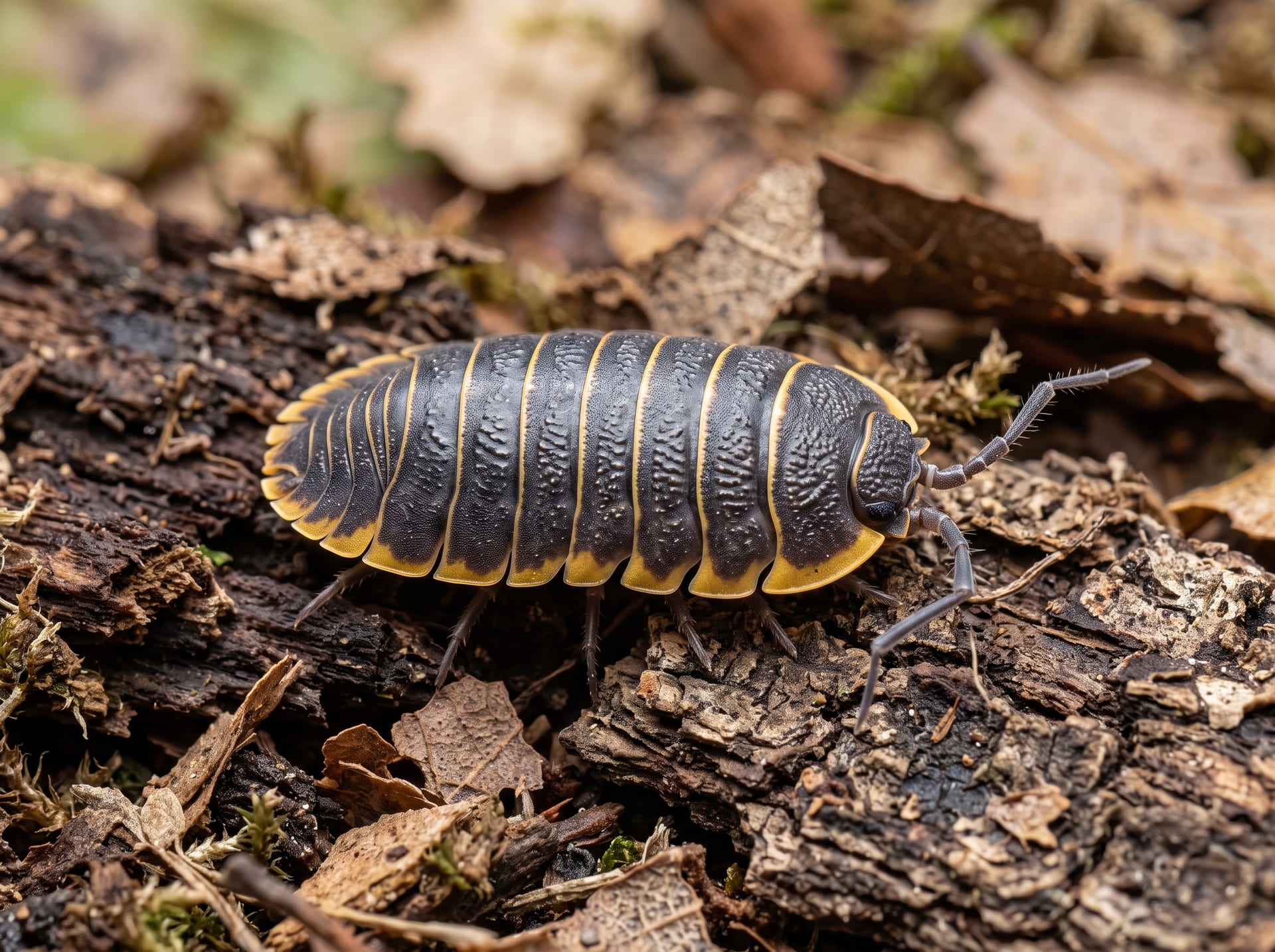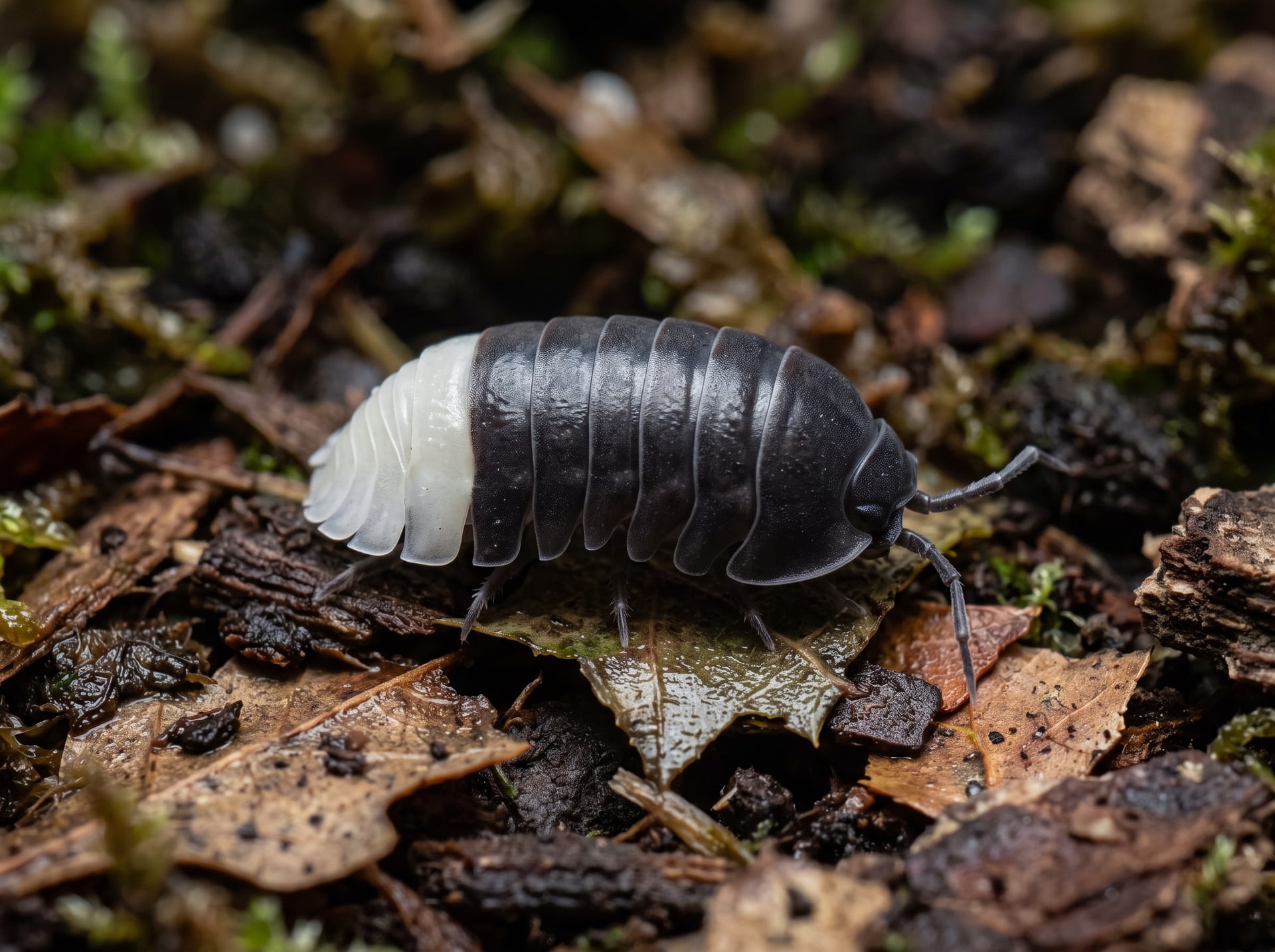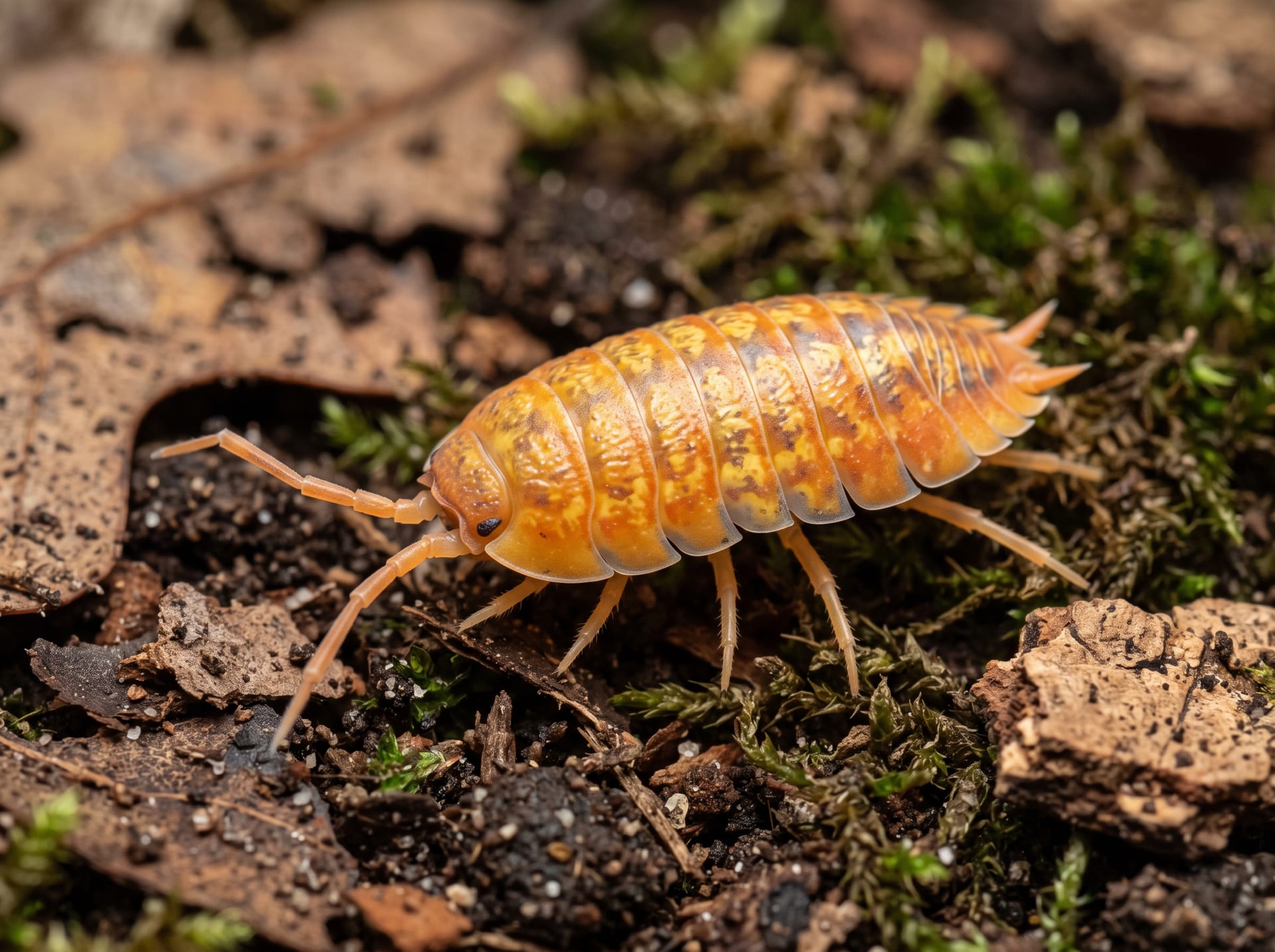
AI-generated image
Bolivari Isopod
IntermediatePorcellio bolivari
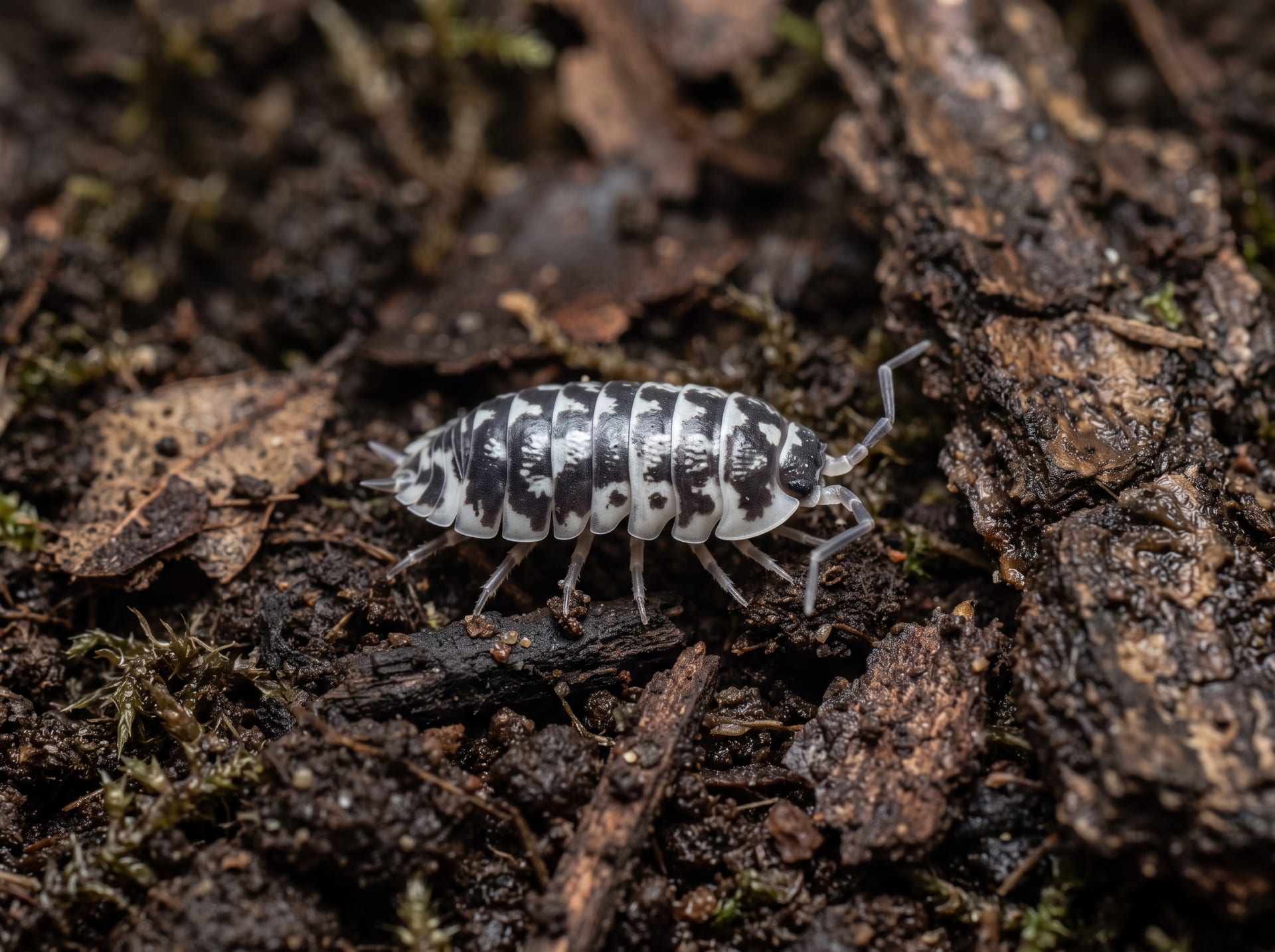
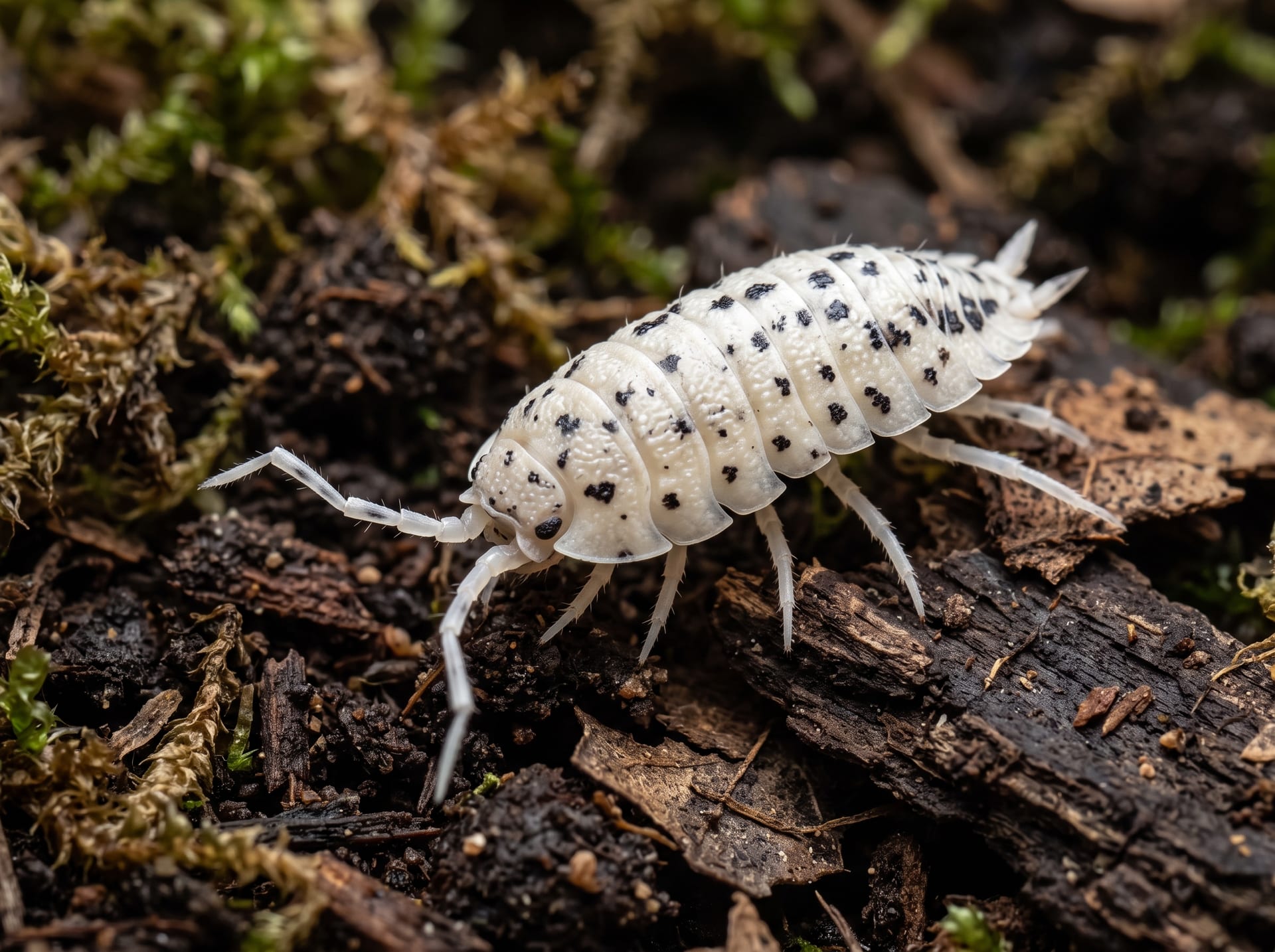
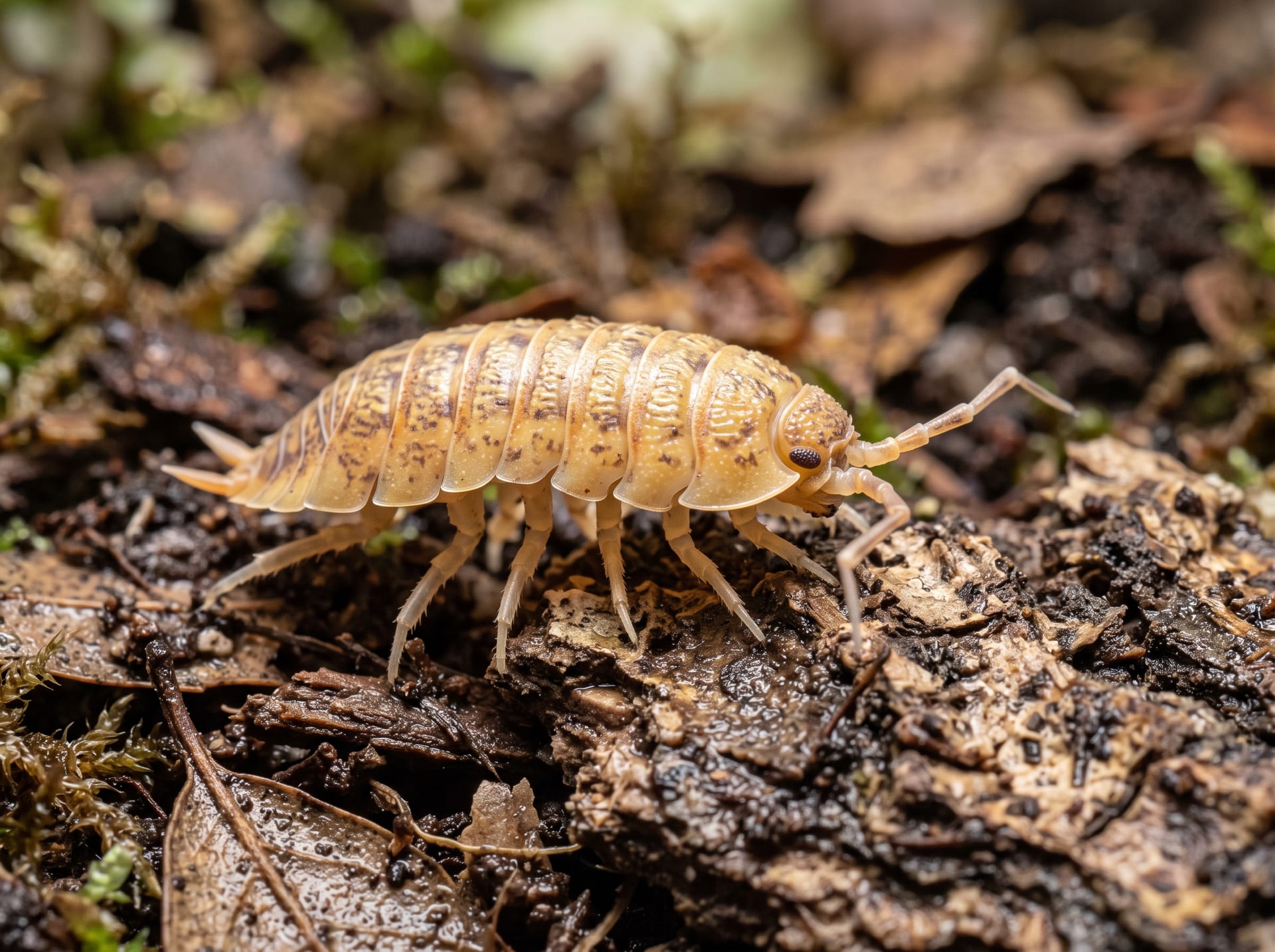
A Spanish isopod popular for its contrasting patterning. It prefers drier, calcium-rich setups; fast but a harmless detritivore with no bite or venom.
Difficulty
Intermediate
Temperature
20〜26℃
Lifespan
About 2-3 years
Size
About 1.5-2 cm
Humidity
50〜70%
Diet
Leaf litter base supplemented with protein and calcium.
About
The Bolivari Isopod (Porcellio bolivari) is a Spanish species popular for its bold, contrasting patterning. Native to the Iberian Peninsula of Spain, it reaches about 1.5–2 cm and lives roughly 2–3 years. Fast-moving but a harmless detritivore with no bite or venom, it prefers drier, calcium-rich setups at 20–26°C and 50–70% humidity. Feeding mainly on decaying plant matter with supplemental protein and calcium keeps this attractive intermediate-level isopod in good condition.
Lifespan of the Bolivari Isopod
The Bolivari Isopod lives About 2-3 years.
Size of the Bolivari Isopod
The Bolivari Isopod grows to About 1.5-2 cm.
Basic Info
Origin
Native to Spain (Iberian Peninsula)
Lifespan
About 2-3 years
Size
About 1.5-2 cm
Temperature
20〜26℃
Humidity
50〜70%
Diet
Leaf litter base supplemented with protein and calcium.
Care Guide
References & Sources
Edited & verified by: BreederDirect editorial team
The taxonomic, regulatory, and husbandry data on this page are compiled and verified against the authoritative primary sources below.
Bolivari Isopod Listings
Loading latest listingsFind listings for this species