Exotic Invertebrate Encyclopedia — 70 Species Directory
Encyclopedia of popular exotic invertebrates—tarantulas, scorpions, centipedes and more—with care guides, traits, and difficulty levels.
Showing 26 of 70 species(1–24)
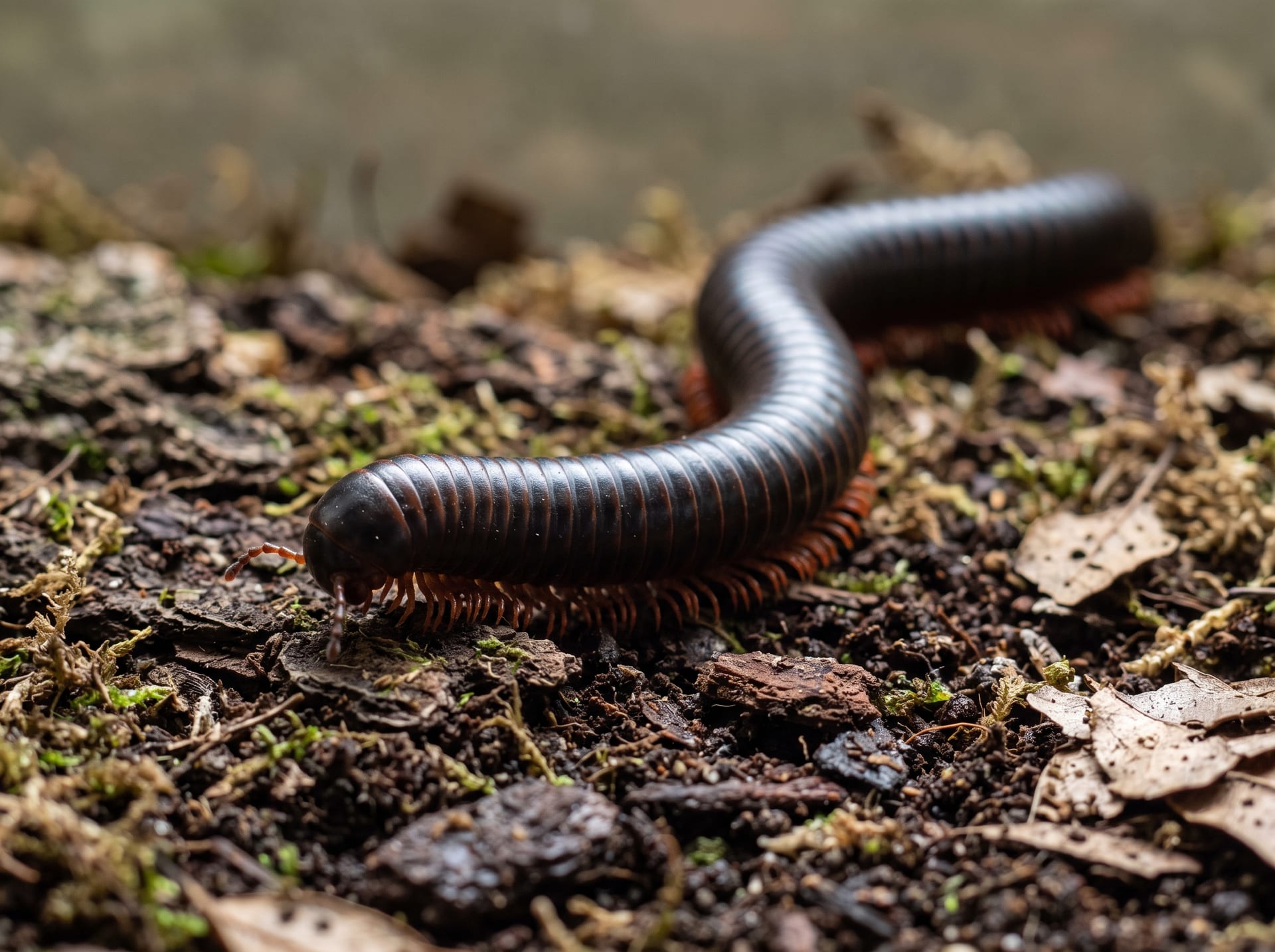
African Giant Millipede
Archispirostreptus gigas
One of the world's largest millipedes, reaching 30cm+. Slow-moving with many legs. Non-venomous and docile — popular as a handleable exotic. Detritivore eating decaying matter.
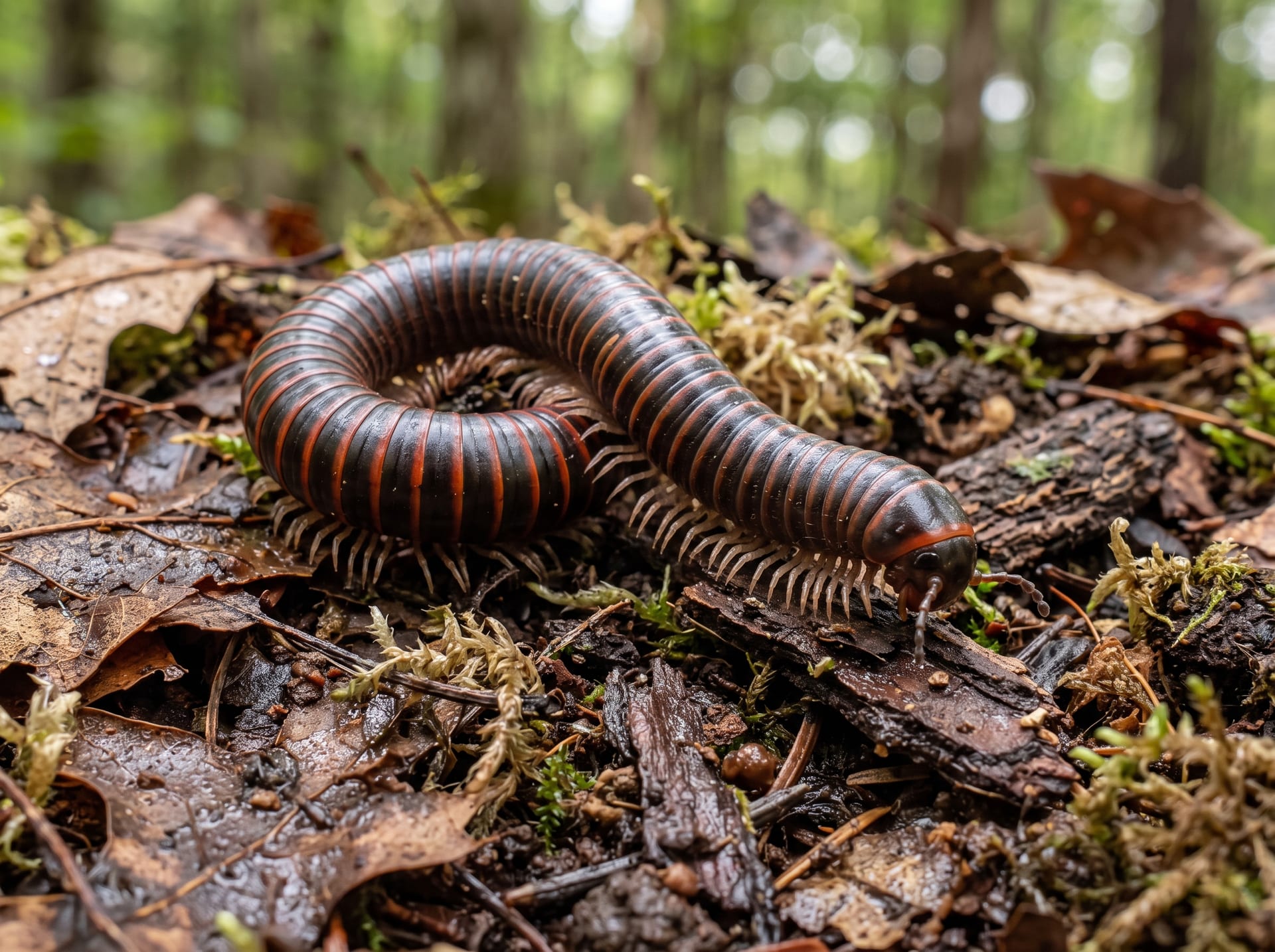
American Giant Millipede
Narceus americanus
A large, hardy millipede from eastern North America with a brown body ringed in red, and a gentle detritivore that is one of the best beginner species.
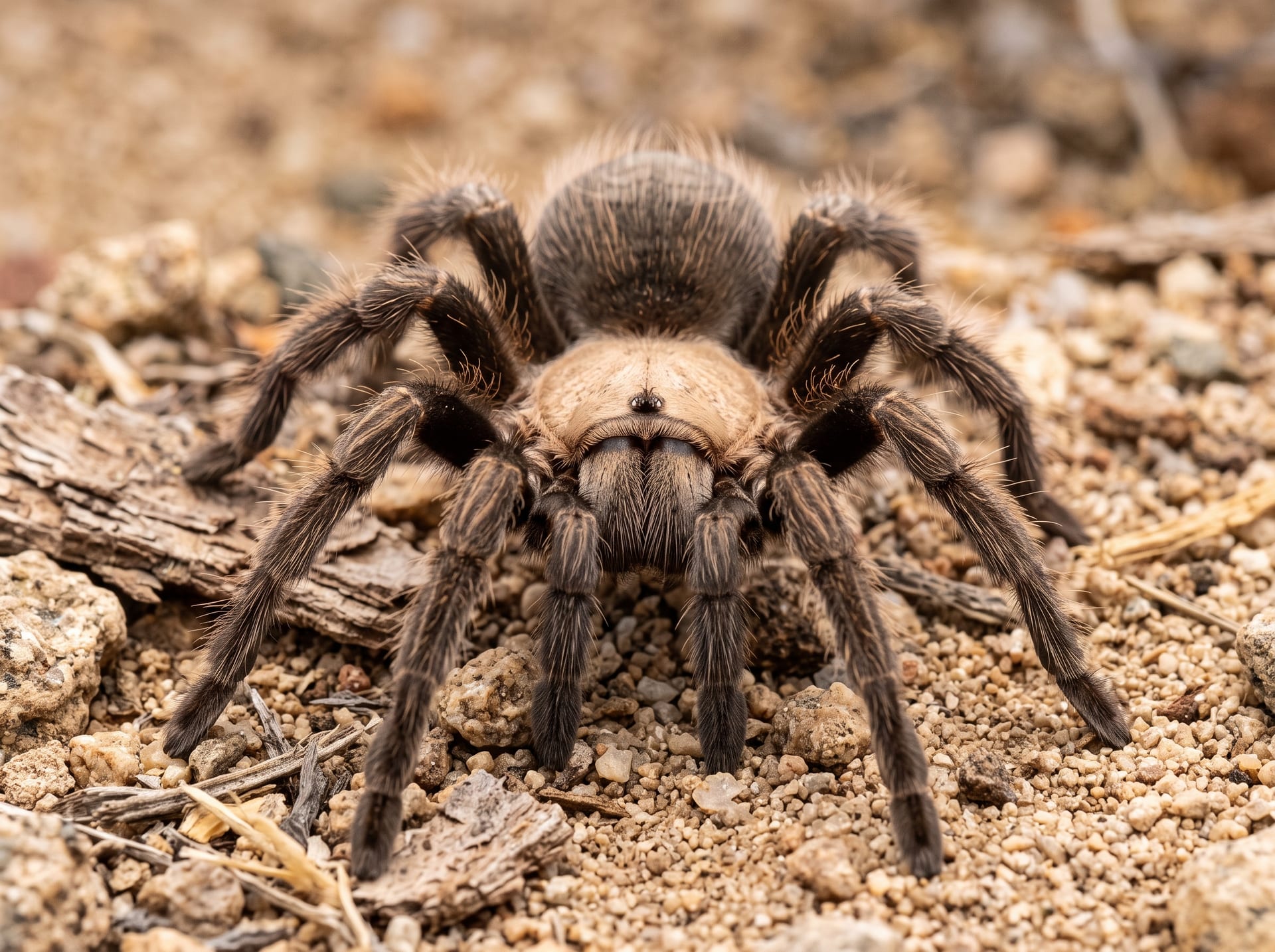
Arizona Blonde
Aphonopelma chalcodes
A North American desert terrestrial species clad in pale blonde hair. Very docile, drought-hardy and long-lived, though famously slow-growing.
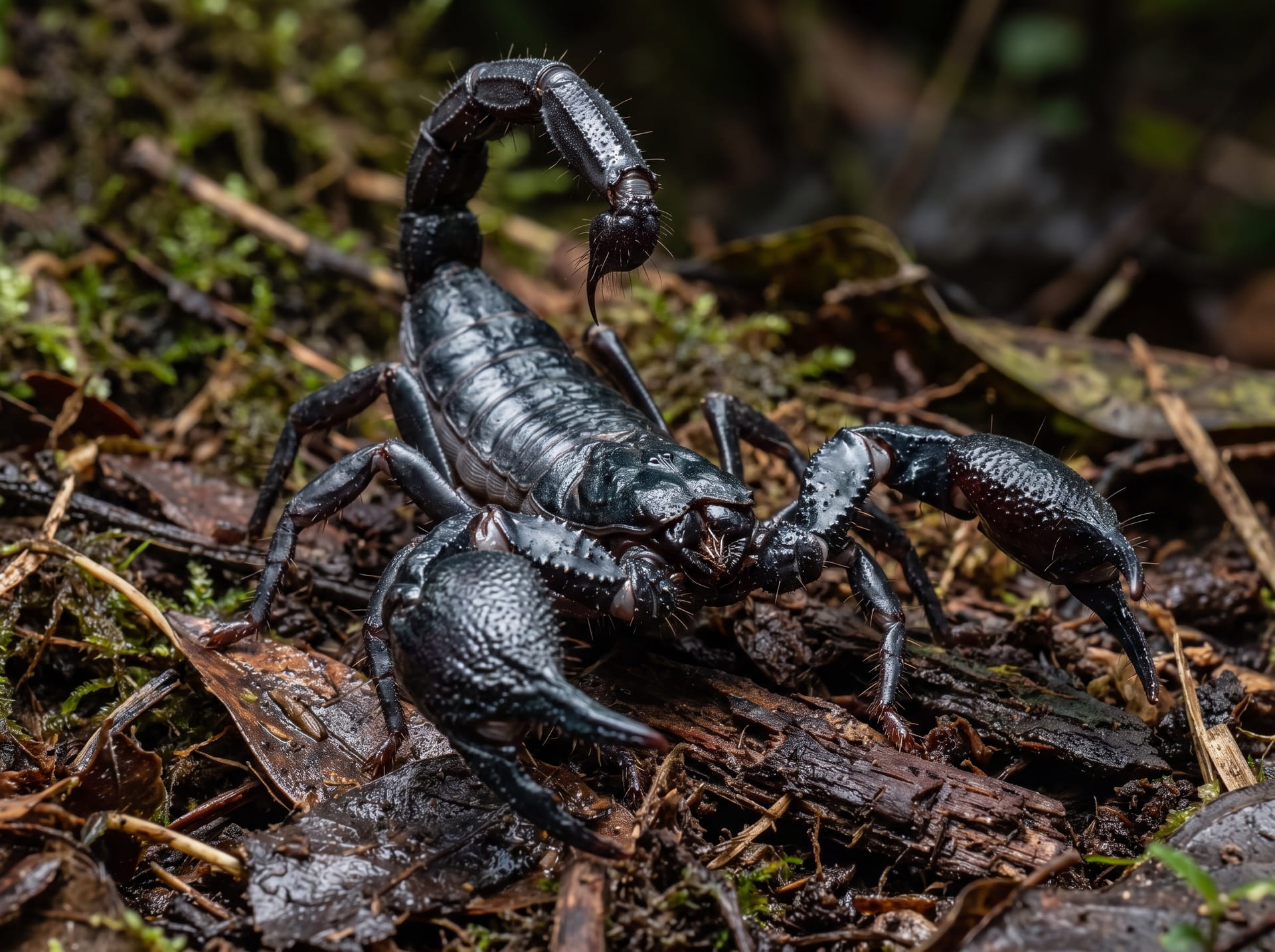
Asian Forest Scorpion
Heterometrus spinifer
A large glossy-black scorpion from Southeast Asian rainforests. Its venom is mild (bee-sting-like) but it is defensive with powerful pincers, and it thrives in high humidity.
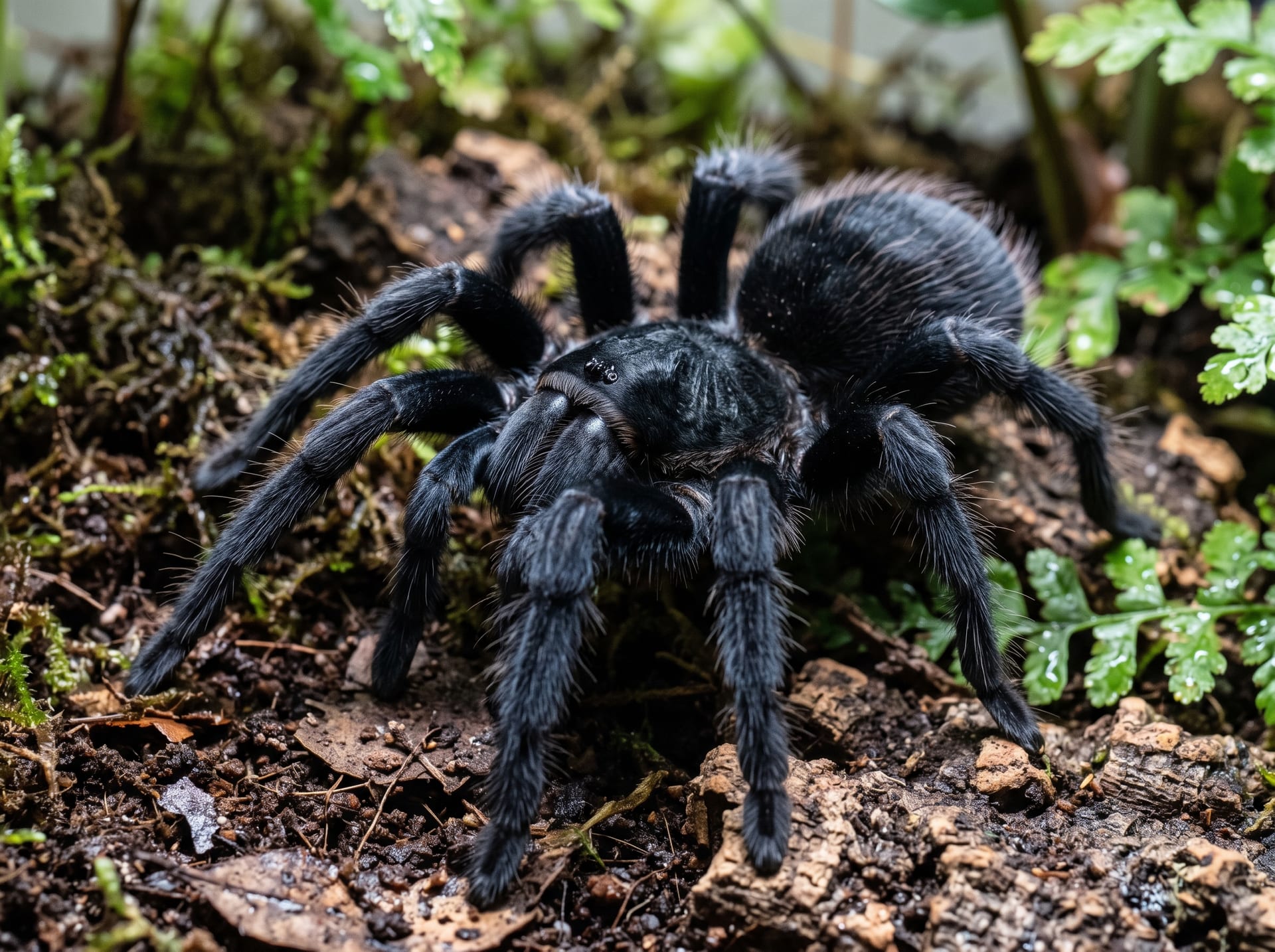
Brazilian Black
Grammostola pulchra
A South American terrestrial species cloaked in jet-black velvety hair. Prized for its calm temperament and rich color, it is hardy and long-lived.
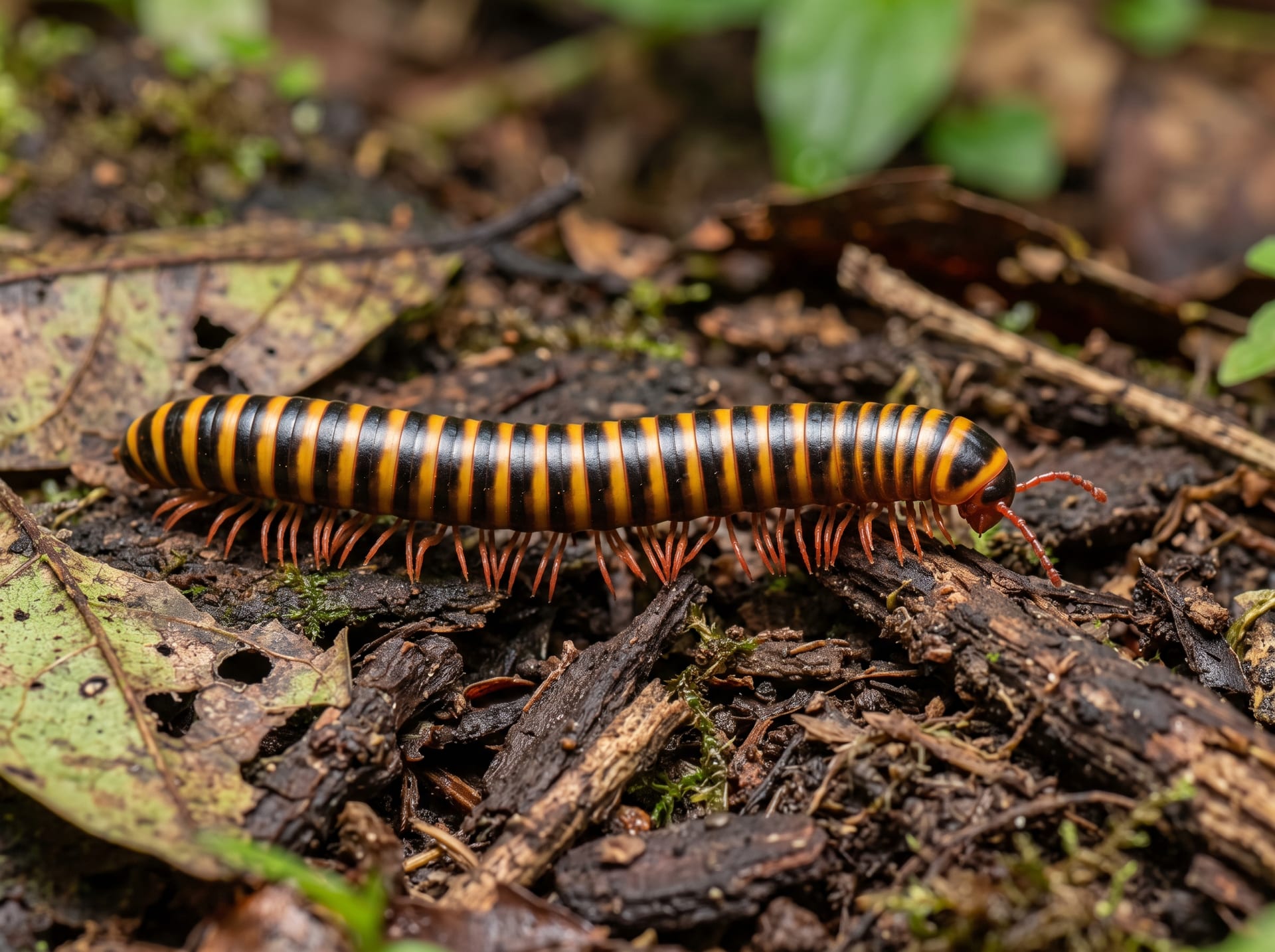
Bumble Bee Millipede
Anadenobolus monilicornis
A small Caribbean species whose yellow-and-black banding recalls a bumblebee, compact and readily breeding in colonies, ideal as a starter millipede.
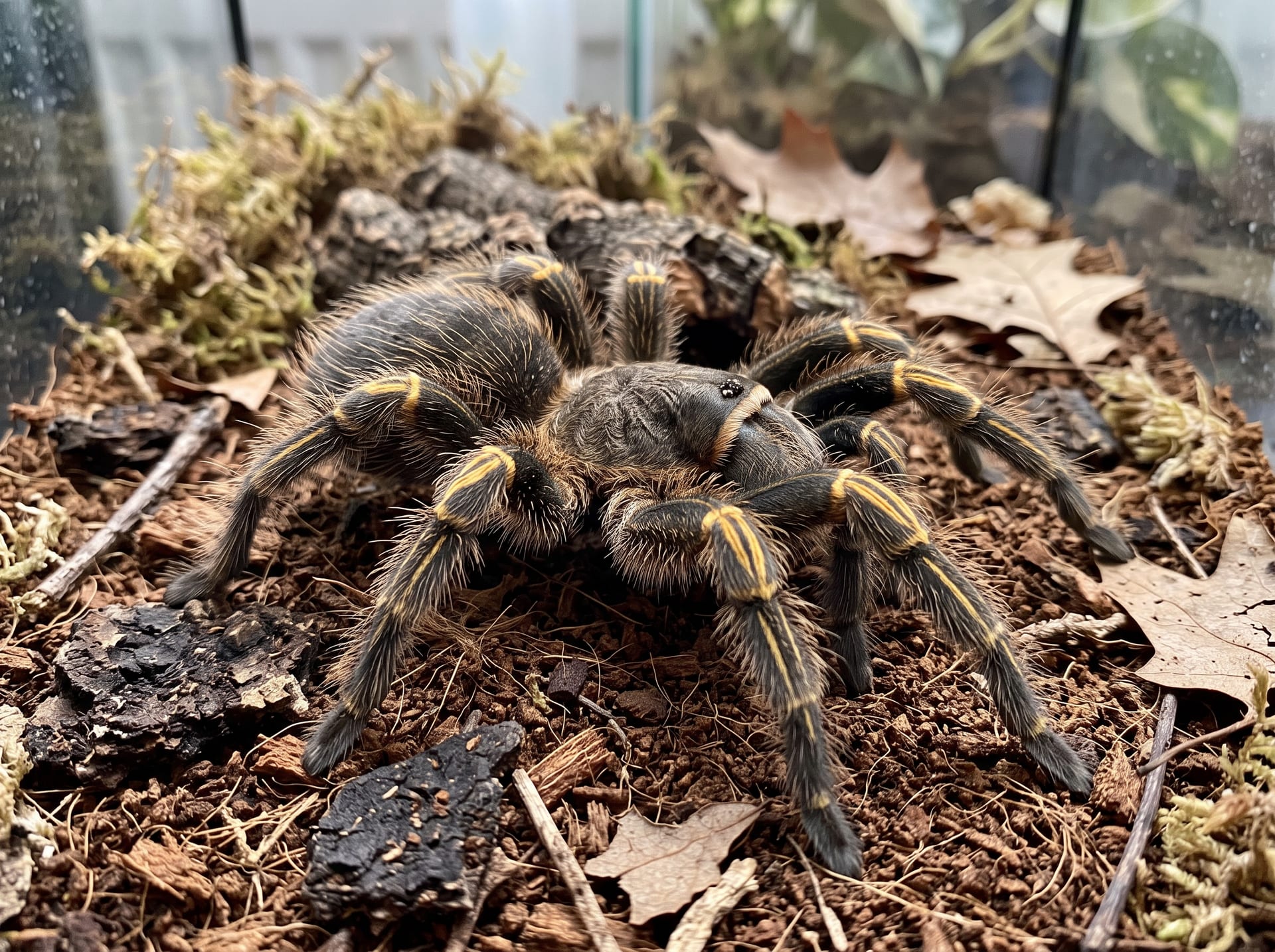
Chaco Golden Knee
Grammostola pulchripes
A large South American terrestrial species with golden knee stripes on a dark body. Docile, showy and a relatively quick grower, making it a popular larger beginner species.
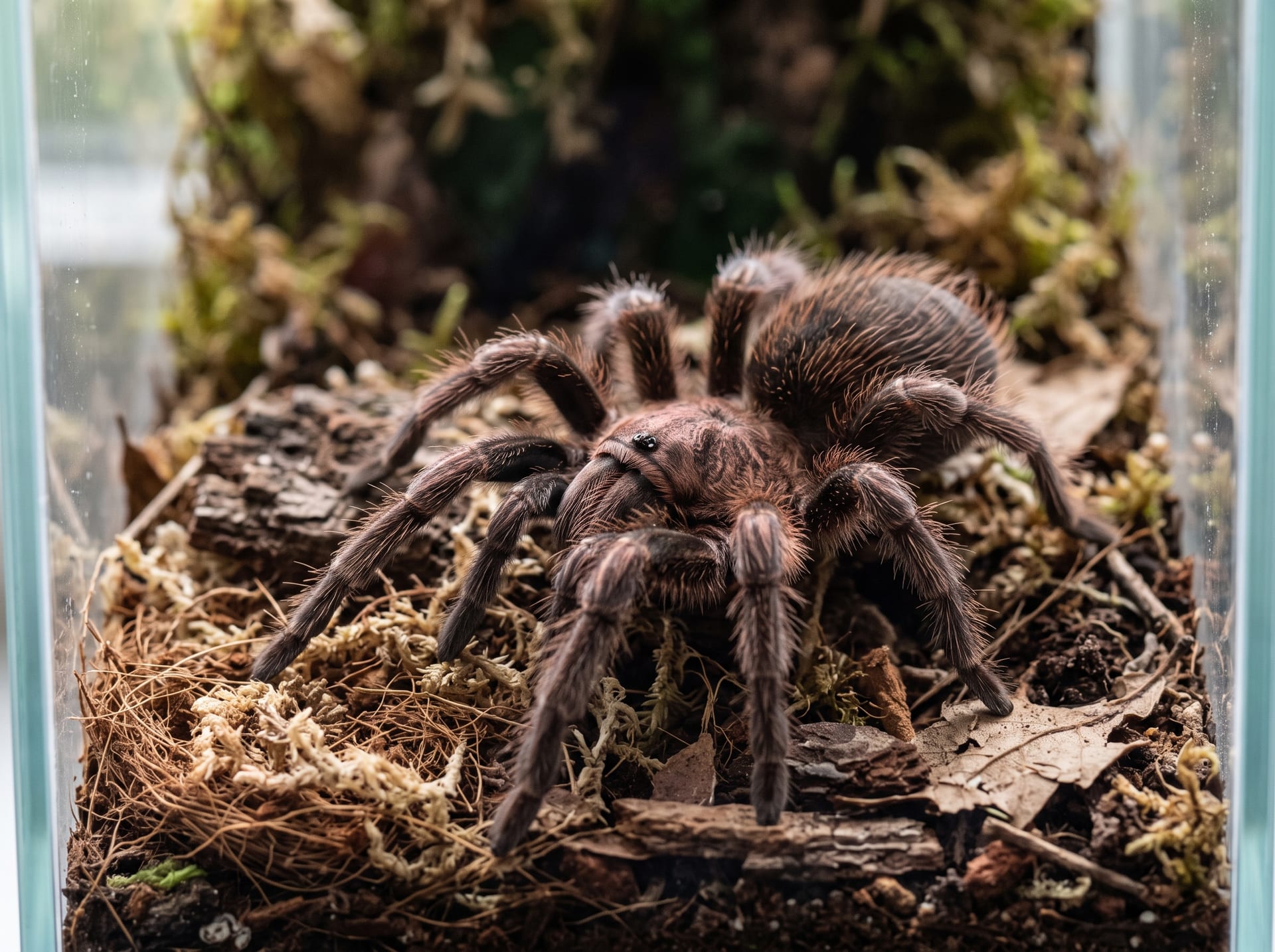
Chilean Rose Tarantula
Grammostola rosea
A Chilean terrestrial species with a soft rose tint. Tolerant of dry conditions, long-lived and one of the oldest classic beginner tarantulas.
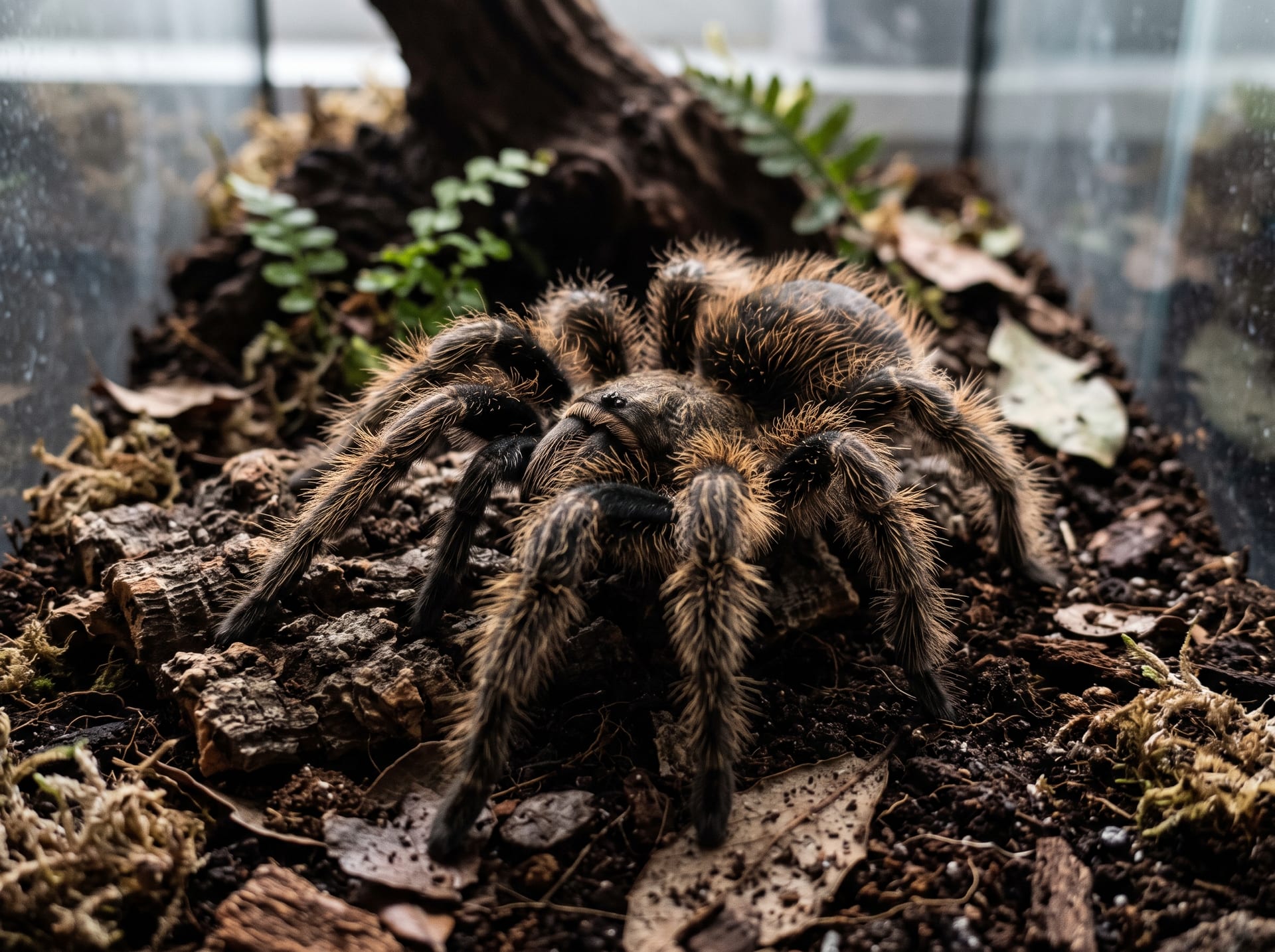
Curly Hair Tarantula
Tliltocatl albopilosus
A Central American terrestrial species covered in distinctive curly, gold-tipped hairs. Very hardy, docile and fast-growing, it is a widely recommended beginner tarantula.
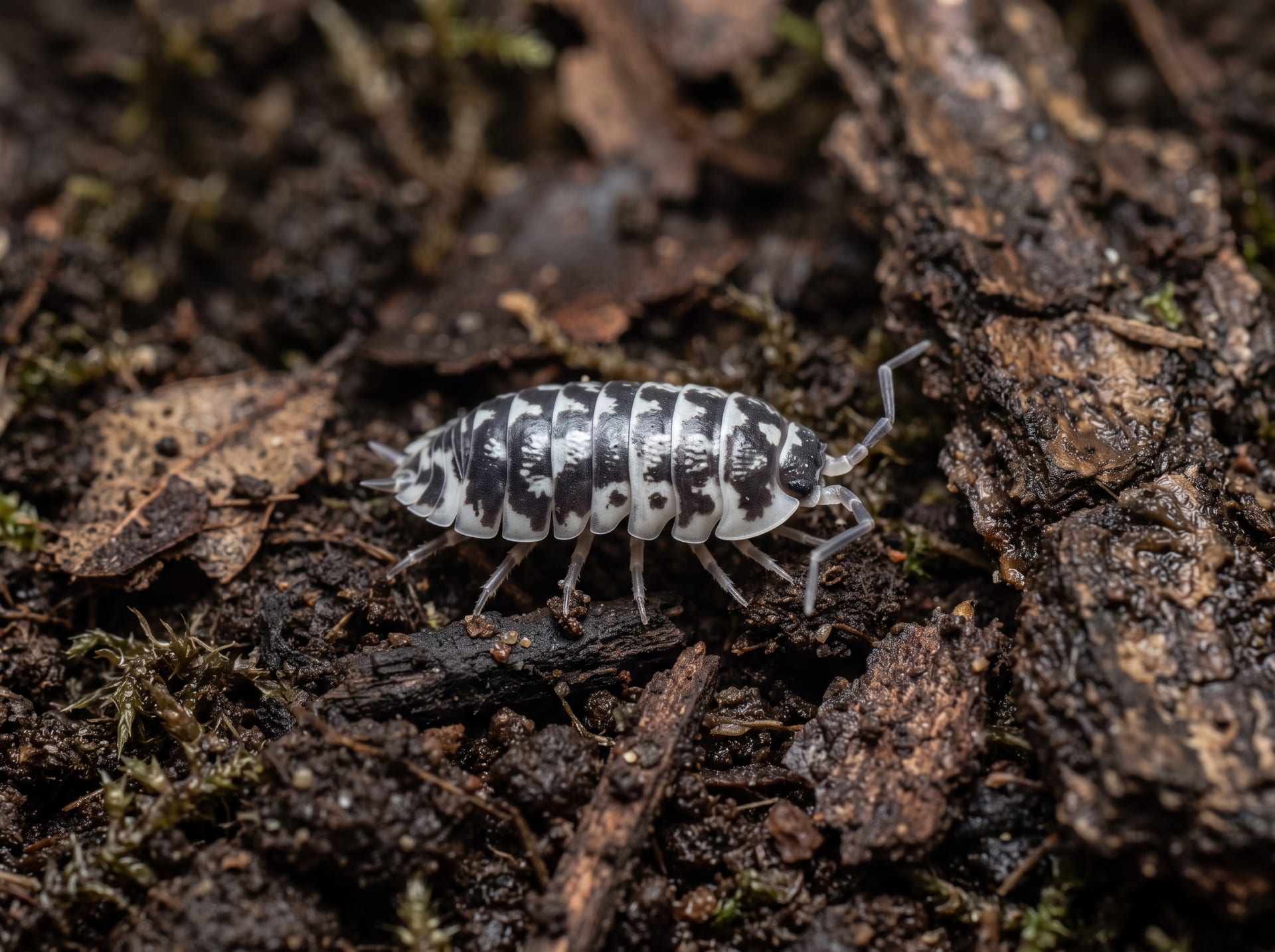
Dairy Cow Isopod
Porcellio laevis
A popular morph of Porcellio laevis whose black-on-white markings recall a dairy cow. Fast-growing, prolific, and hardy, it is great for beginners and an excellent harmless clean-up crew.
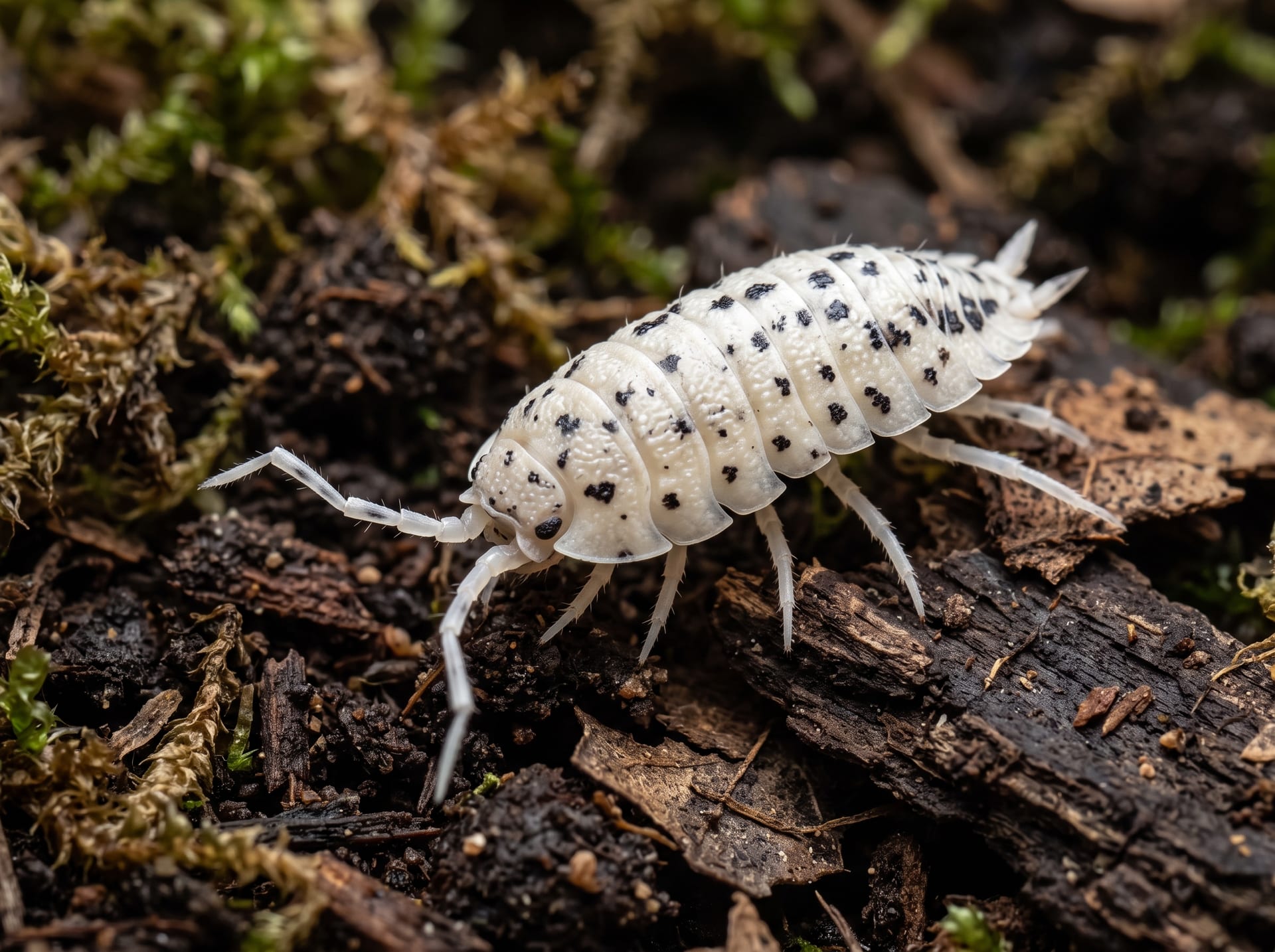
Dalmatian Isopod
Porcellio scaber
A popular spotted morph of Porcellio scaber resembling a Dalmatian dog. Hardy and easy to breed, it is a harmless detritivore widely kept as clean-up crew.
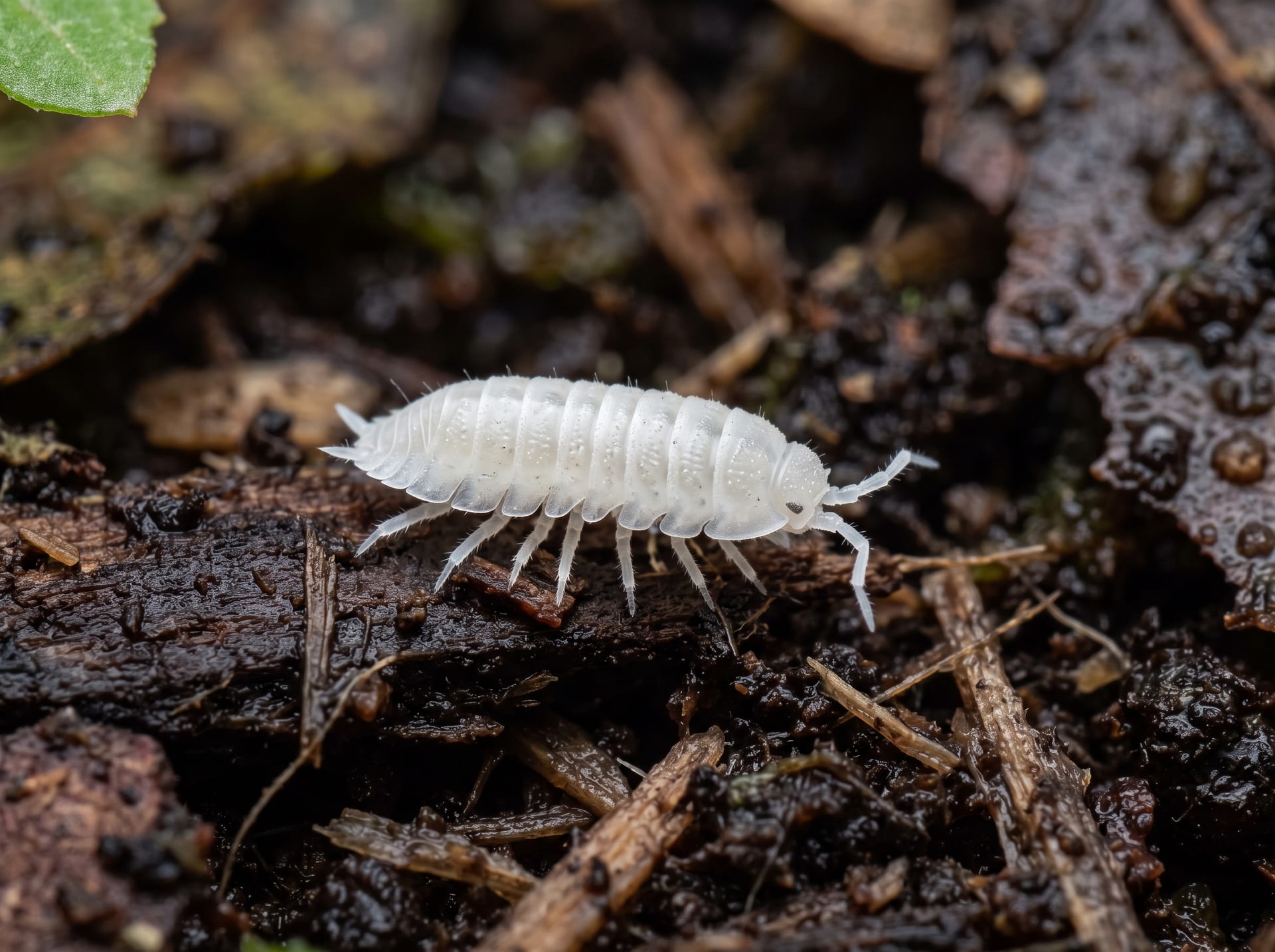
Dwarf White Isopod
Trichorhina tomentosa
A tiny white isopod that reproduces parthenogenetically and multiplies rapidly. A staple microfauna clean-up crew and feeder culture; a harmless detritivore with no bite or venom.
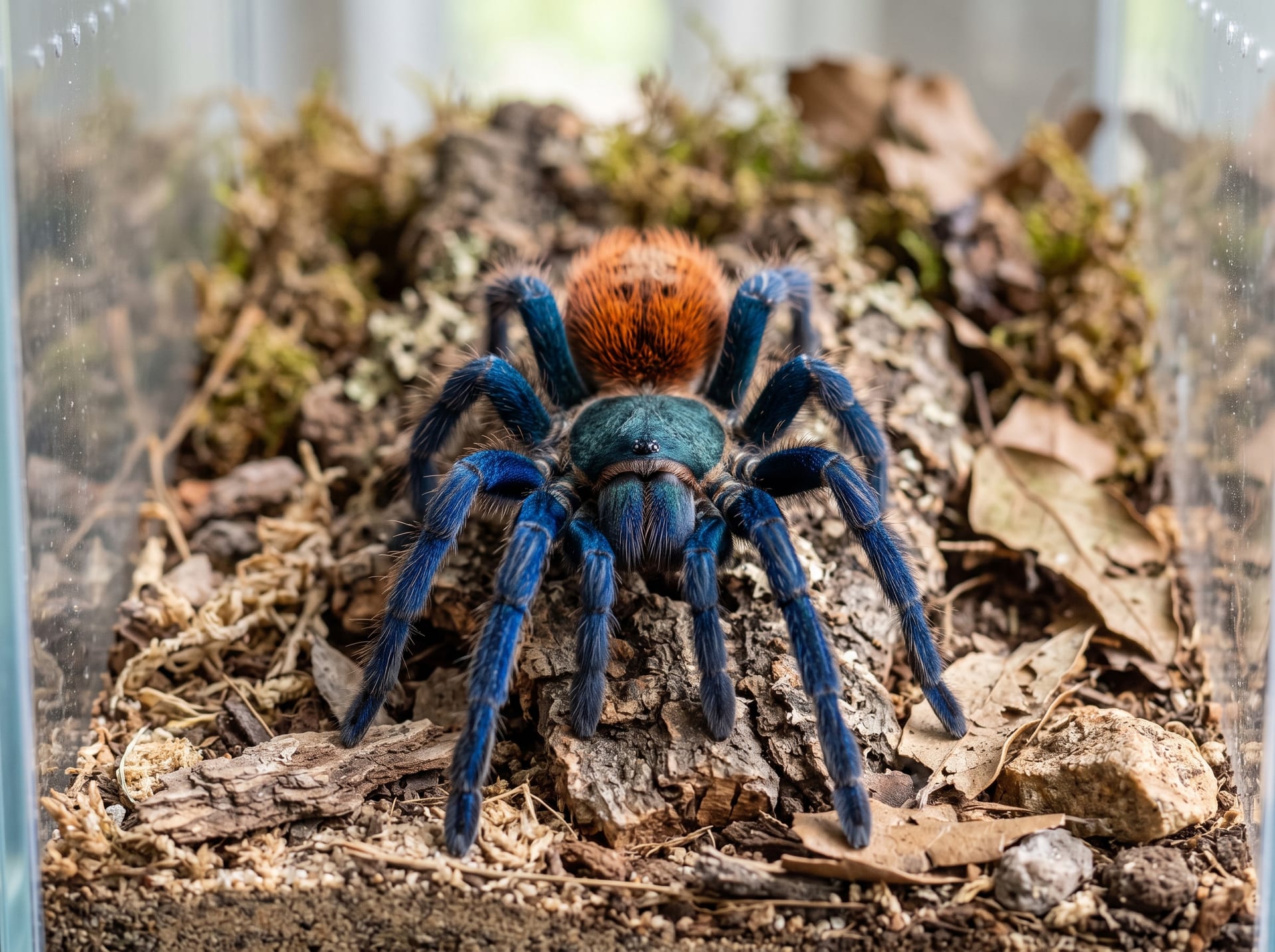
Green Bottle Blue
Chromatopelma cyaneopubescens
A Venezuelan species famous for metallic blue legs, a green carapace and orange abdomen. A prolific webber, tolerant of dry conditions and easy to keep.
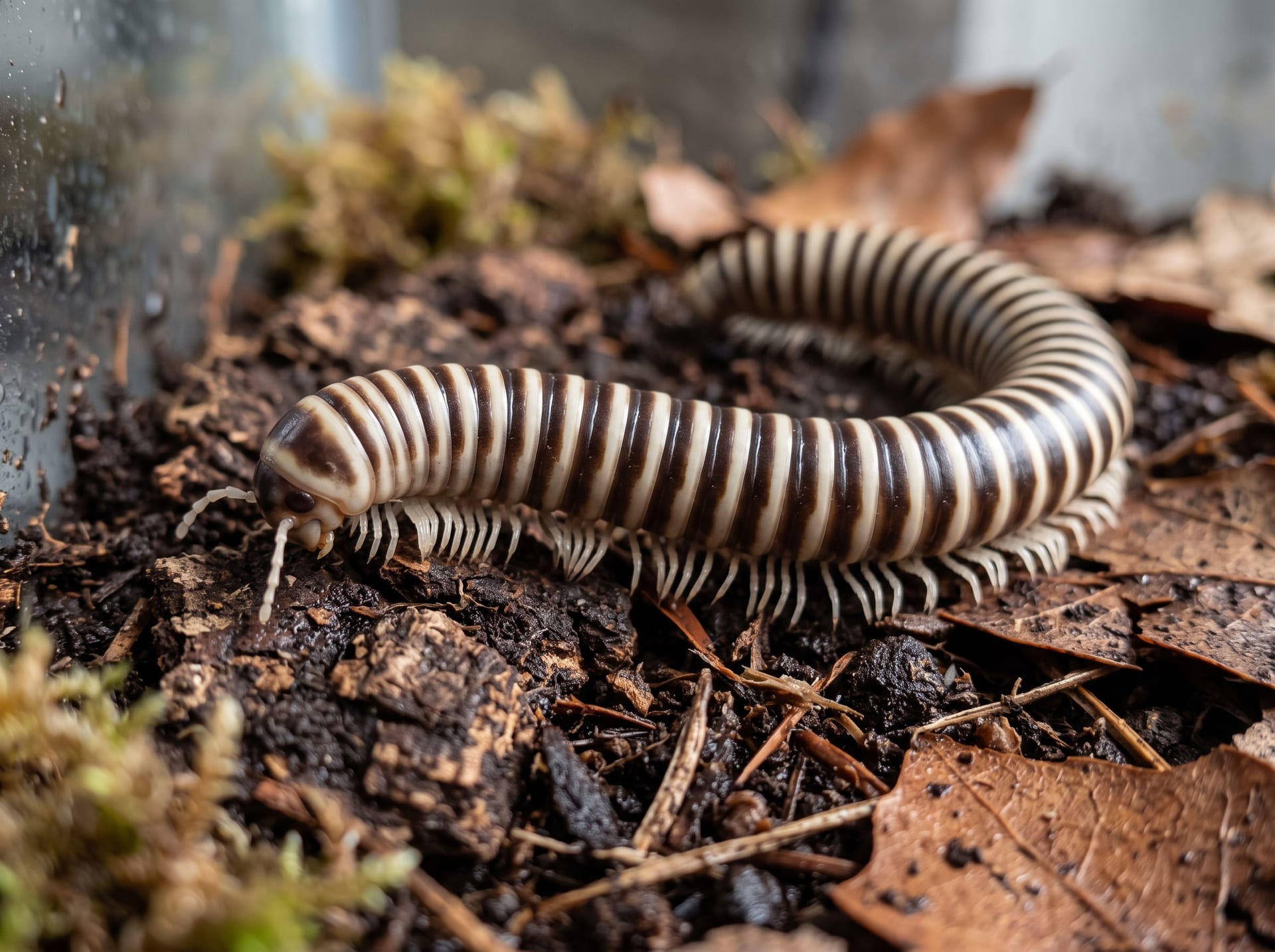
Ivory Millipede
Chicobolus spinigerus
A subtly attractive species from the southeastern USA with a dark body banded by cream, ivory rings, hardy and gentle and good for beginners.
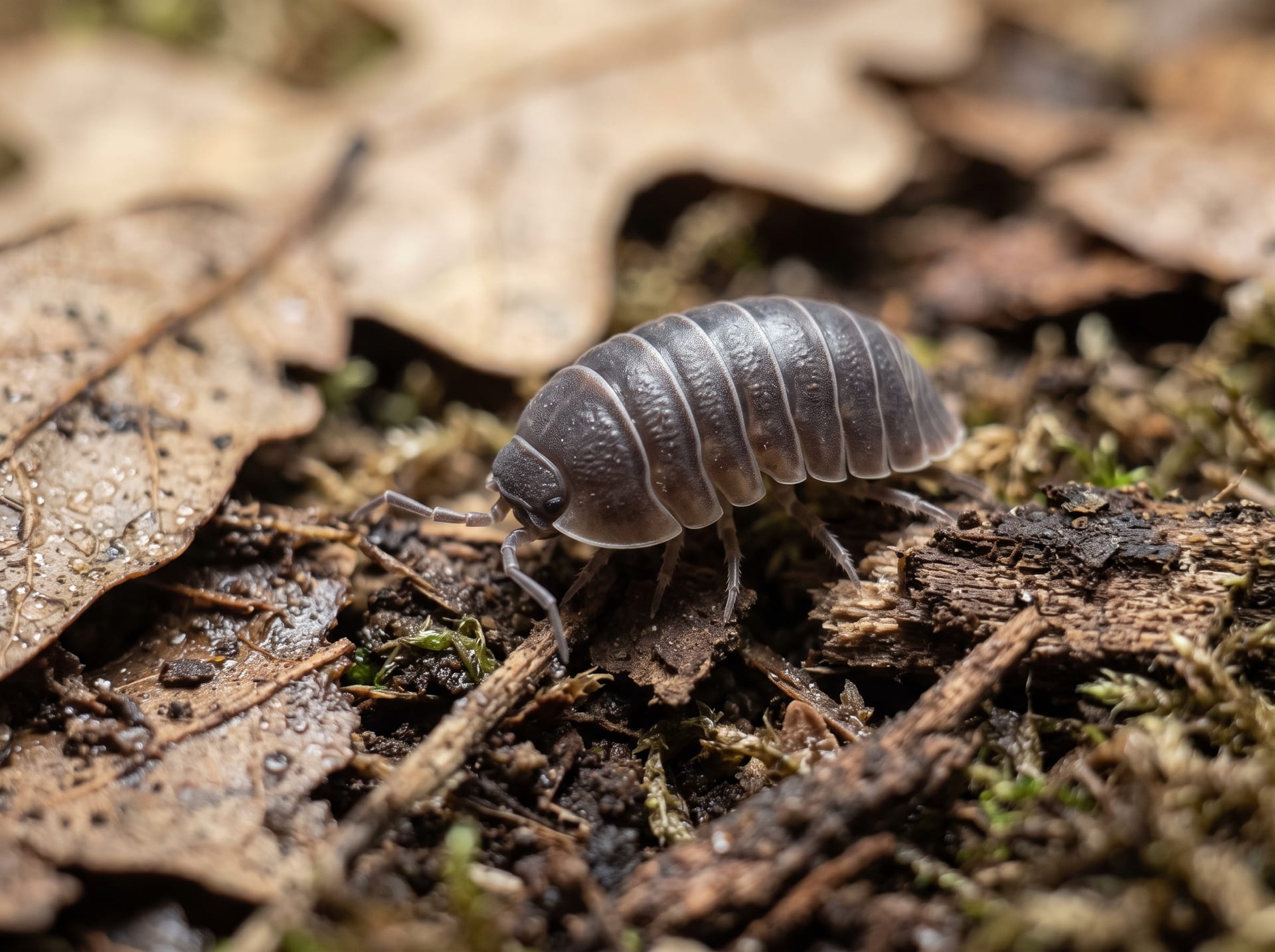
Little Sea Isopod
Cubaris murina
A small Cubaris regarded as a good beginner species. It rolls into a ball, breeds readily, and is a harmless detritivore popular as bioactive clean-up crew.
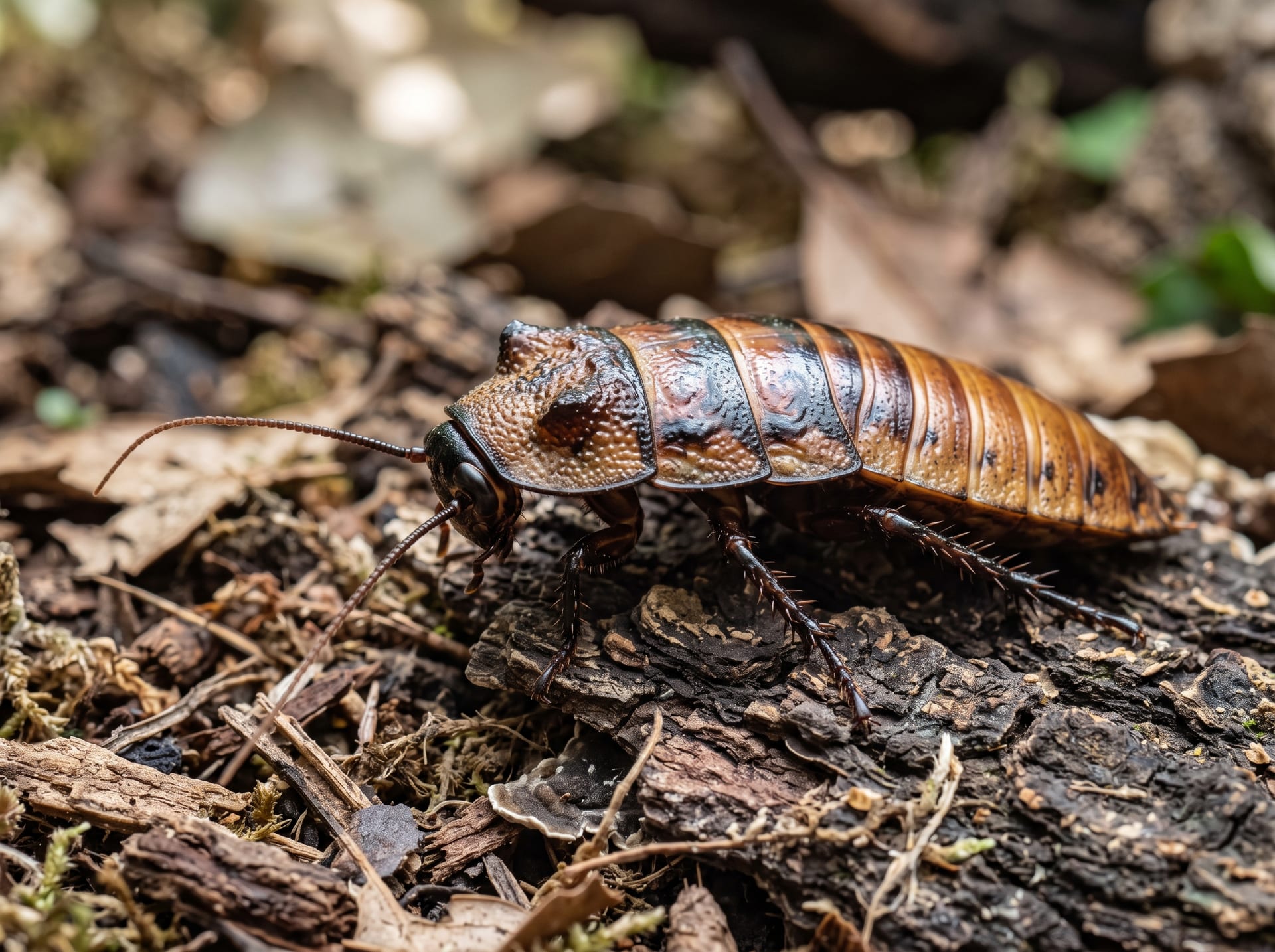
Madagascan Hissing Cockroach
Gromphadorhina portentosa
Large wingless cockroach endemic to Madagascar. Known for hissing sound as defense. Completely different from household roaches — clean species. Kept worldwide as pets and feeders.
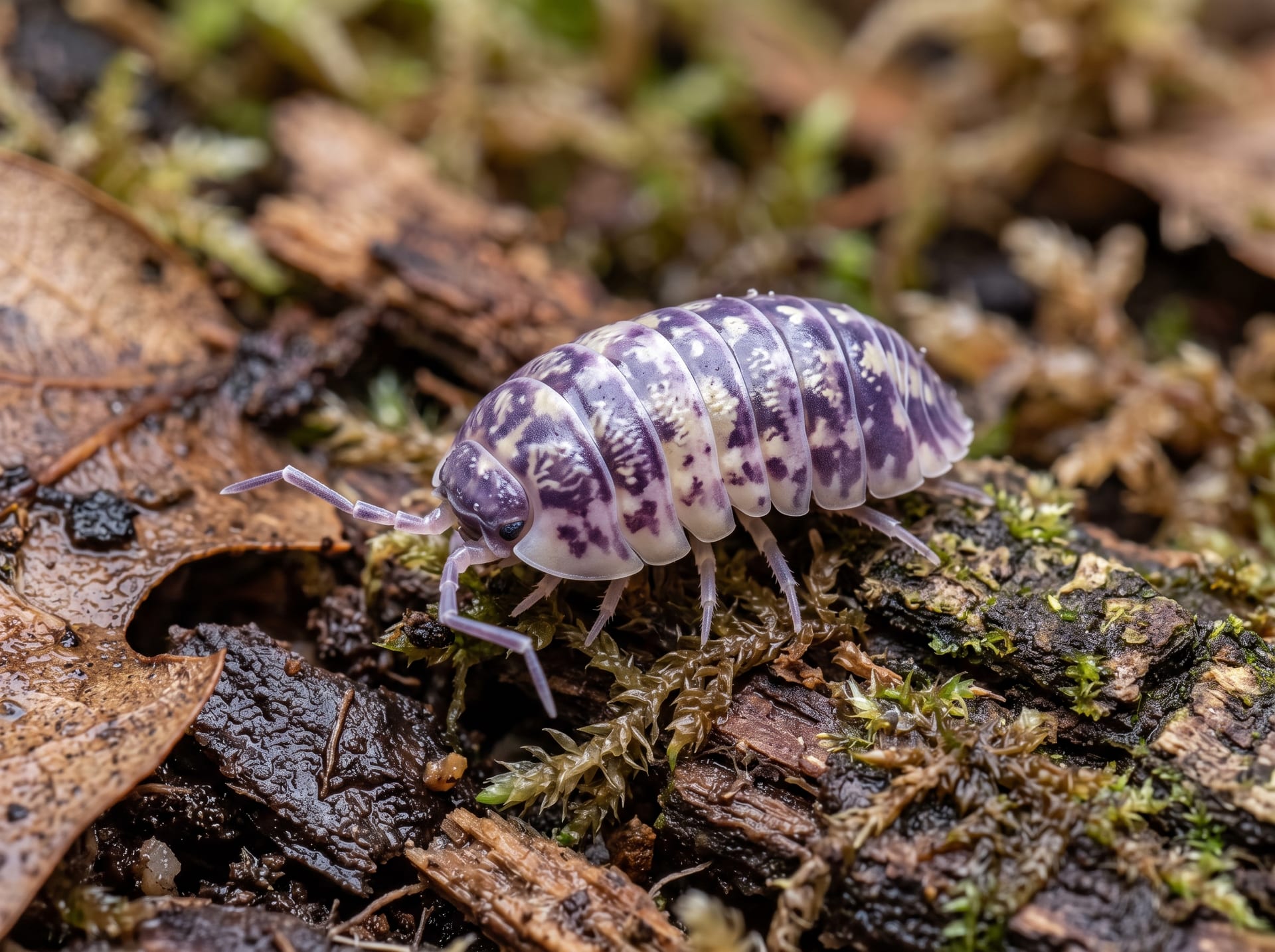
Magic Potion Isopod
Armadillidium vulgare
A popular morph of the common pill bug (A. vulgare) named for its purplish coloration. It rolls into a perfect ball, is hardy and easy to breed, and is a harmless detritivore with no bite or venom.
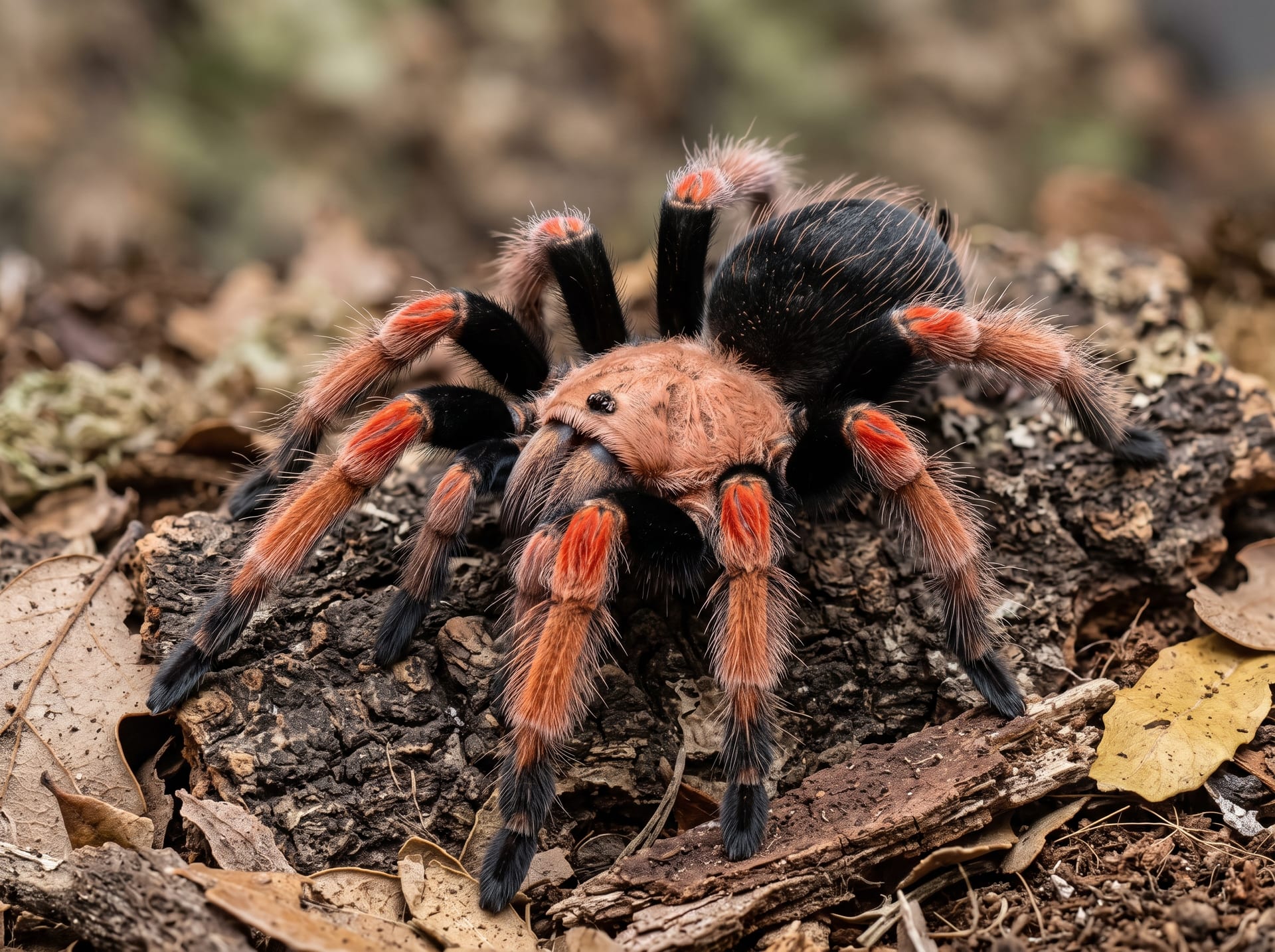
Mexican Fireleg
Brachypelma boehmei
A striking Mexican terrestrial species with flame-orange legs. A little skittish and quick to flick hairs, but hardy and beginner-friendly.
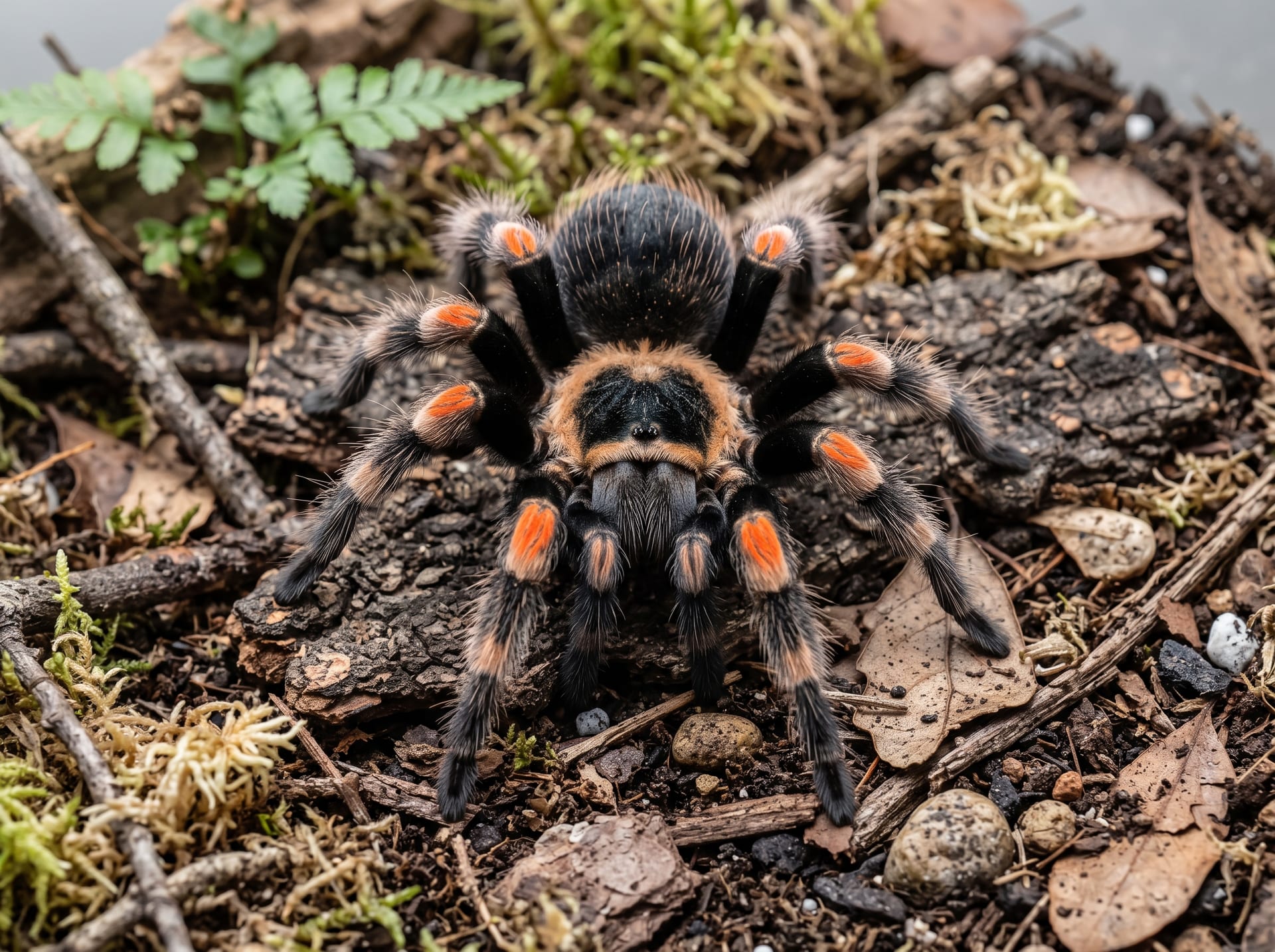
Mexican Redknee
Brachypelma hamorii
A classic terrestrial tarantula from Mexico with iconic red-orange leg markings. Docile, slow-moving, hardy and long-lived, it is one of the most popular beginner species worldwide.
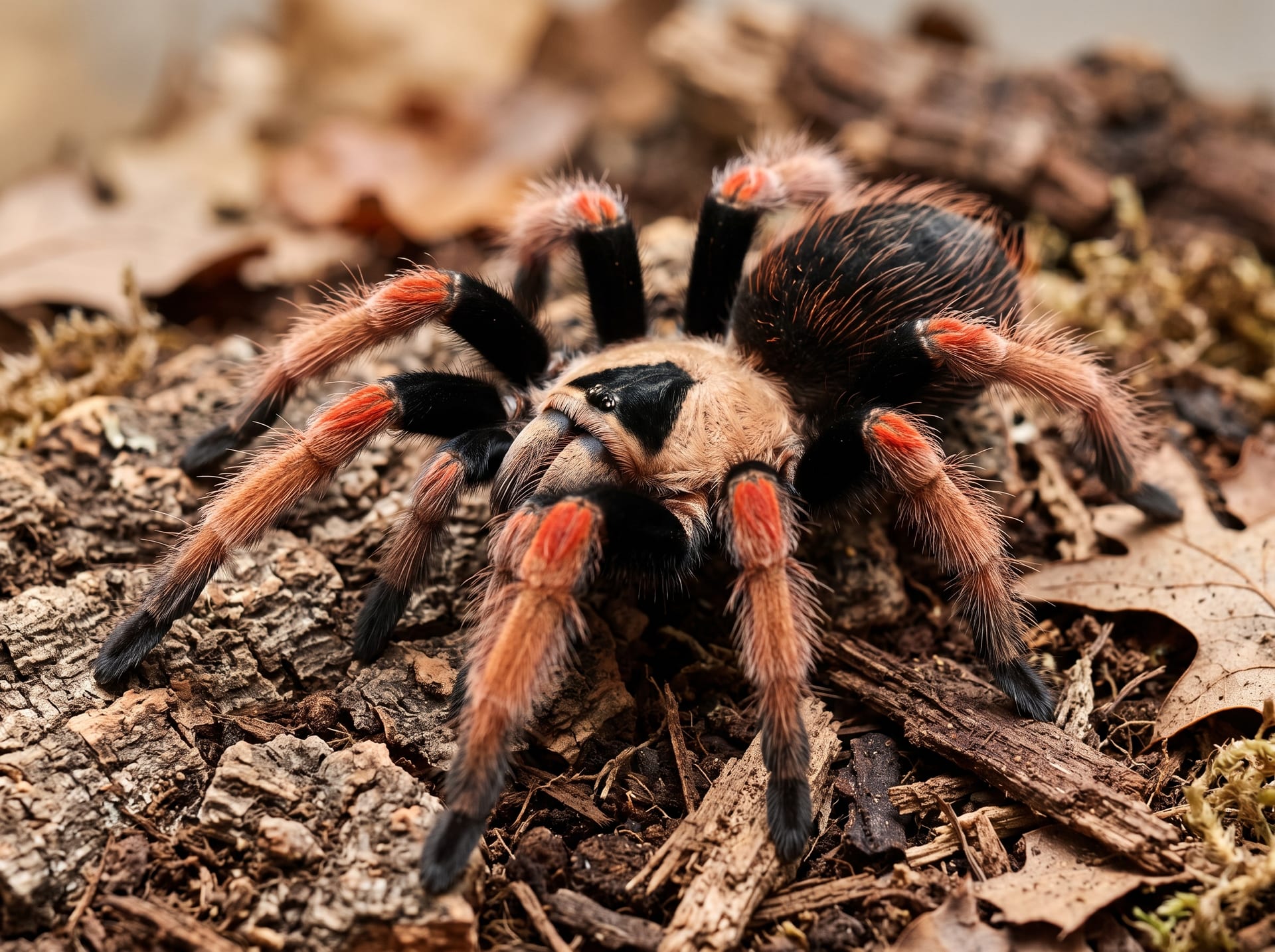
Mexican Redleg
Brachypelma emilia
A Mexican terrestrial species with red legs and a distinctive black triangle on the carapace. Slow-growing but docile and hardy, it is a long-time hobby favorite.
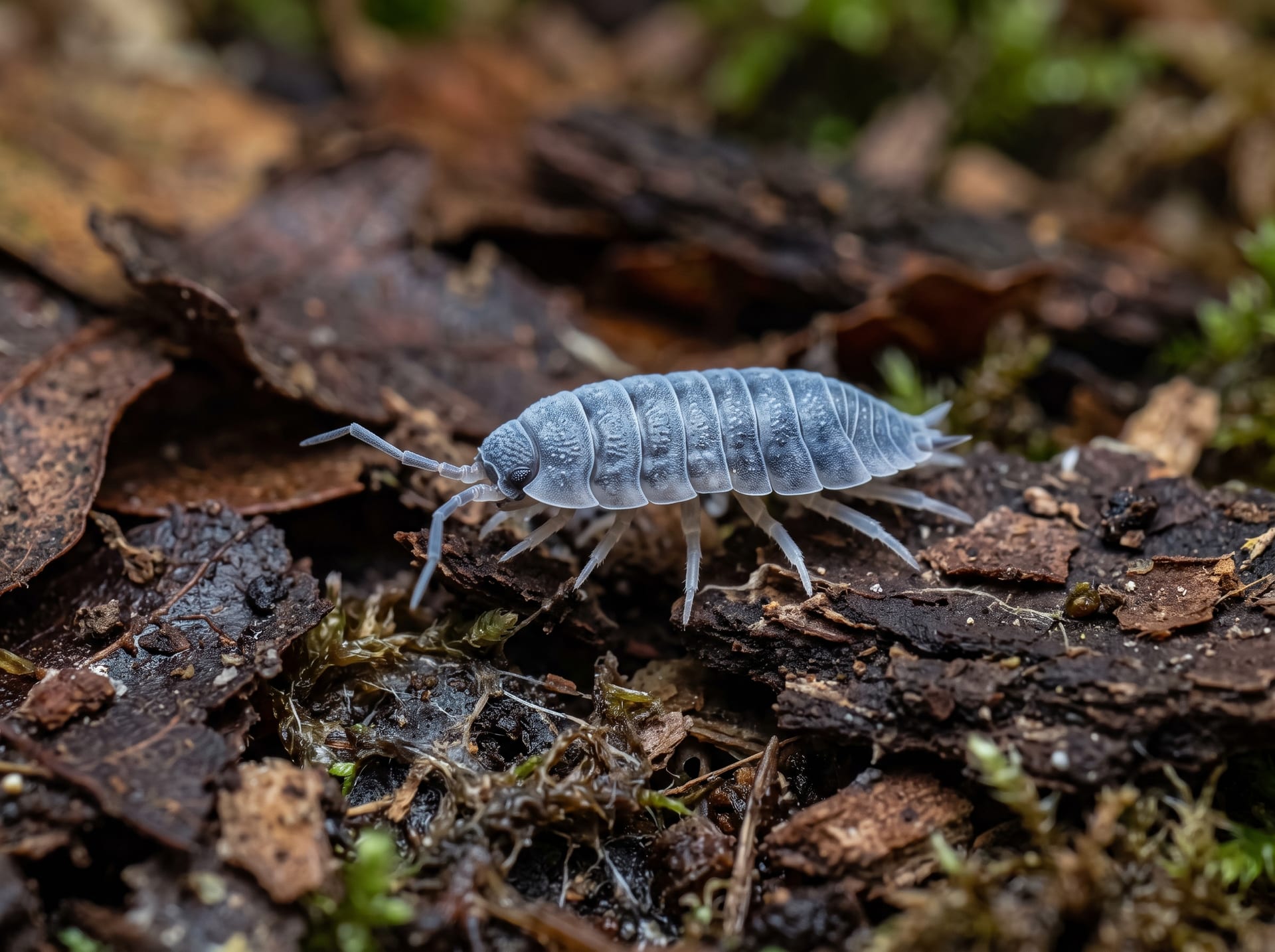
Powder Blue Isopod
Porcellionides pruinosus
A small isopod with an attractive powdery blue-gray sheen. Fast-moving and a very rapid breeder, it is a beginner staple as clean-up crew and feeder, and is harmless with no bite or venom.
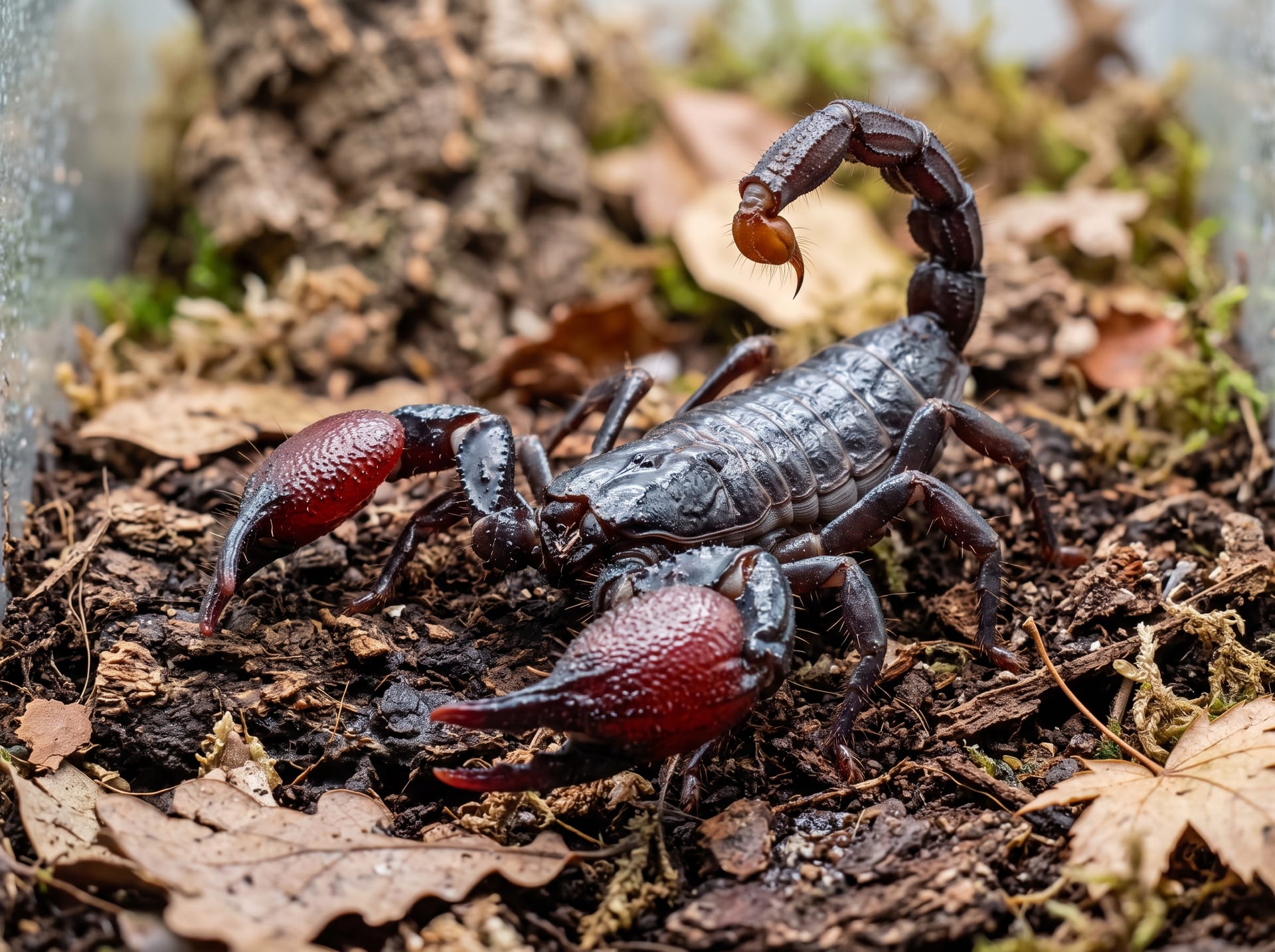
Red Claw Scorpion
Pandinoides cavimanus
A large scorpion from East African rainforests with reddish pincers. Its venom is mild (bee-sting-like); it can be feisty with strong pincers but is hardy in high humidity.
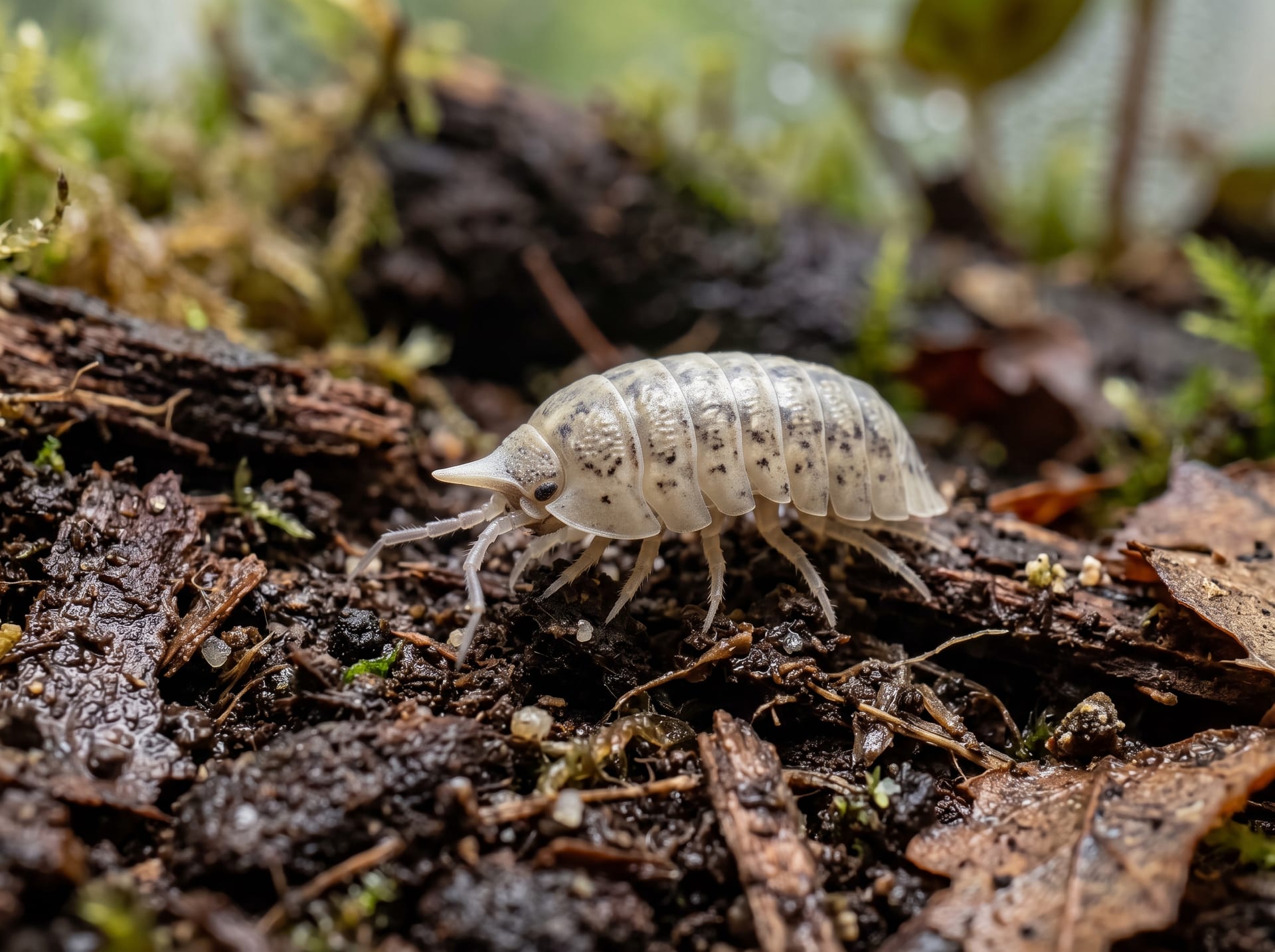
Spotted Pill Isopod
Armadillidium nasatum
A pill bug recognized by a small projection on the head margin, with spotted morphs popular in the hobby. It rolls up, is hardy and easy to breed, and is a harmless detritivore with no bite or venom.
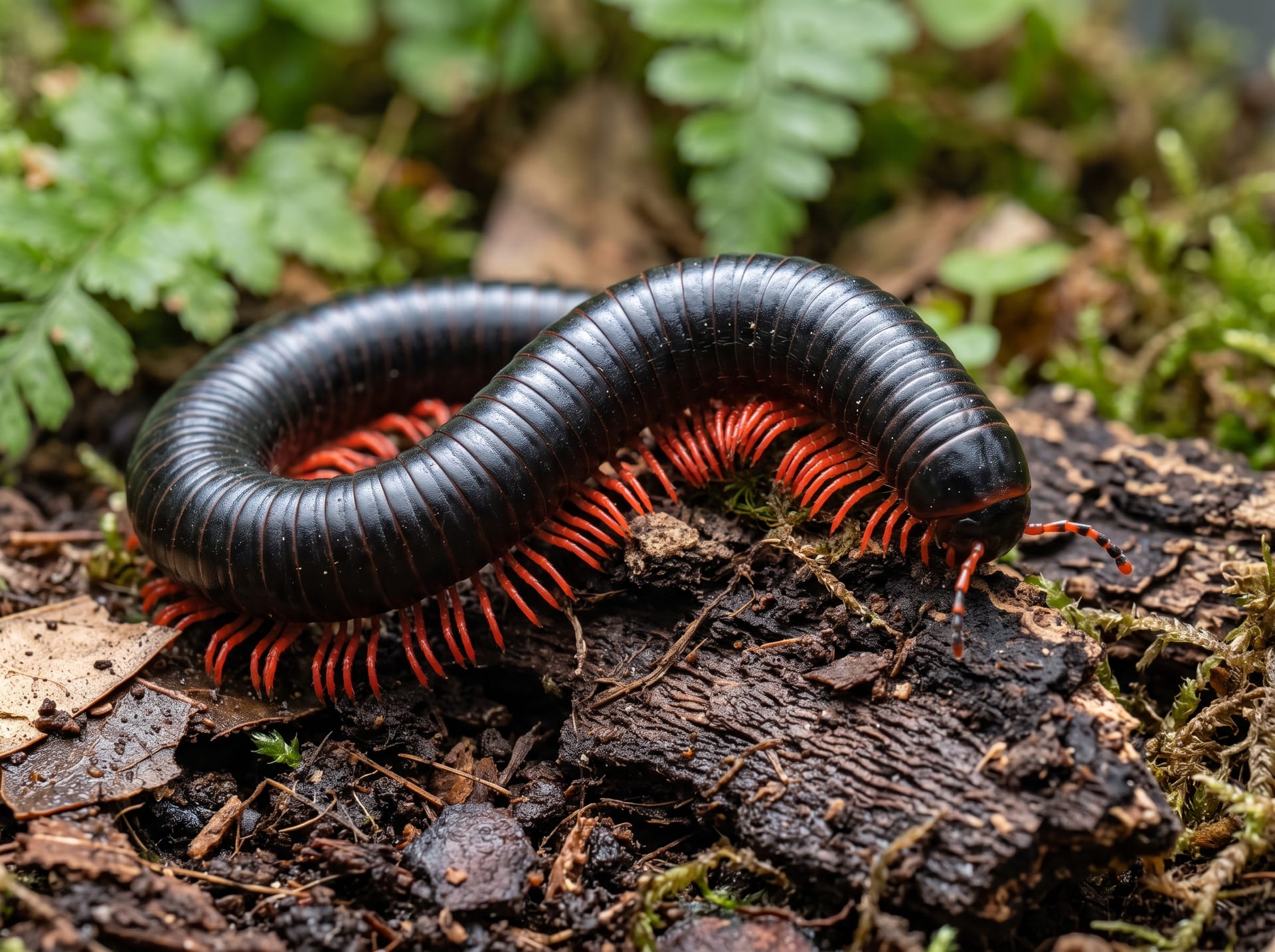
Tanzanian Red Leg Millipede
Epibolus pulchripes
A popular East African species with a glossy black body and striking red legs, docile and hardy when kept warm and humid.
Related Content
Exotic Invertebrate FAQ
- What are exotic invertebrates? Can beginners keep them?
- It's a general term for invertebrates centered on arachnids and myriapods such as tarantulas, scorpions, millipedes, and whip scorpions. Hardy species like the Chilean rose tarantula and terrestrial millipedes are relatively easy to keep and popular with beginners.
- How much do exotic invertebrates cost?
- Common hardy tarantulas run 3,000-30,000 yen, while rare species exceed tens of thousands. Scorpions are around 2,000-15,000 yen and millipedes 1,000-5,000 yen. Prices vary with rarity, size, and whether the animal is captive-bred (CB).
- How long do exotic invertebrates live?
- Female tarantulas are remarkably long-lived, reaching 10-20+ years depending on species, while males live only 1-3 years after maturity. Scorpions live 5-8 years and millipedes roughly 3-10 years depending on species, with many kept long-term through repeated molts.
- What equipment is needed for exotic invertebrates?
- Basics include a secure enclosure, substrate (moisture-retaining or dry depending on species), a shelter, and a water dish. Many species need heating, so prepare a heat mat and a thermometer-hygrometer. Arboreal tarantulas need height and climbing structures, while burrowing species need deep substrate.
- What safety precautions apply to exotic invertebrates?
- While most tarantulas have mild venom, urticating hairs and bites can trigger allergic reactions. Some scorpions and centipedes are venomous enough to require medical attention, so always research each species' risks in advance. Keep enclosures securely sealed and locked to prevent escapes.