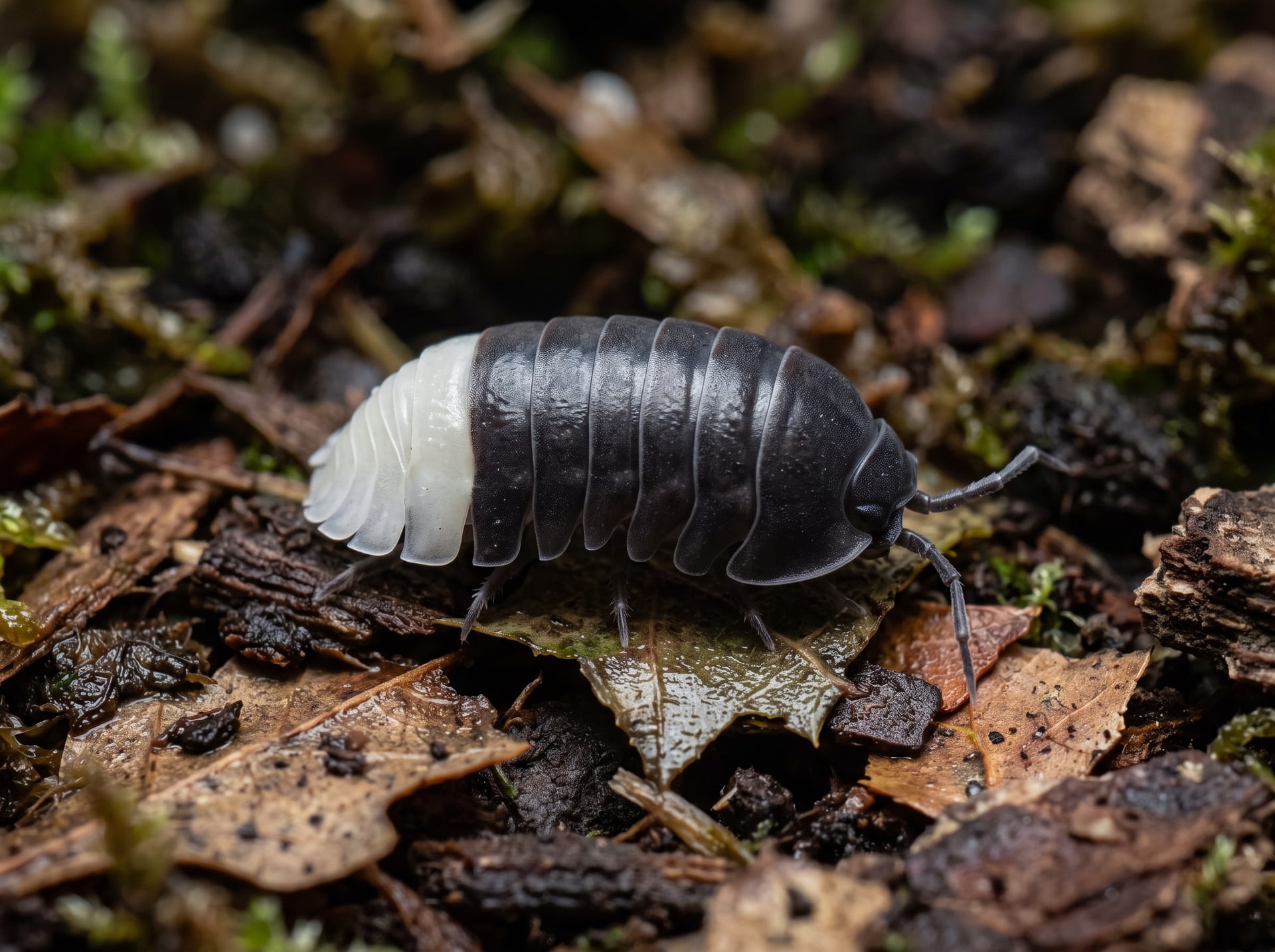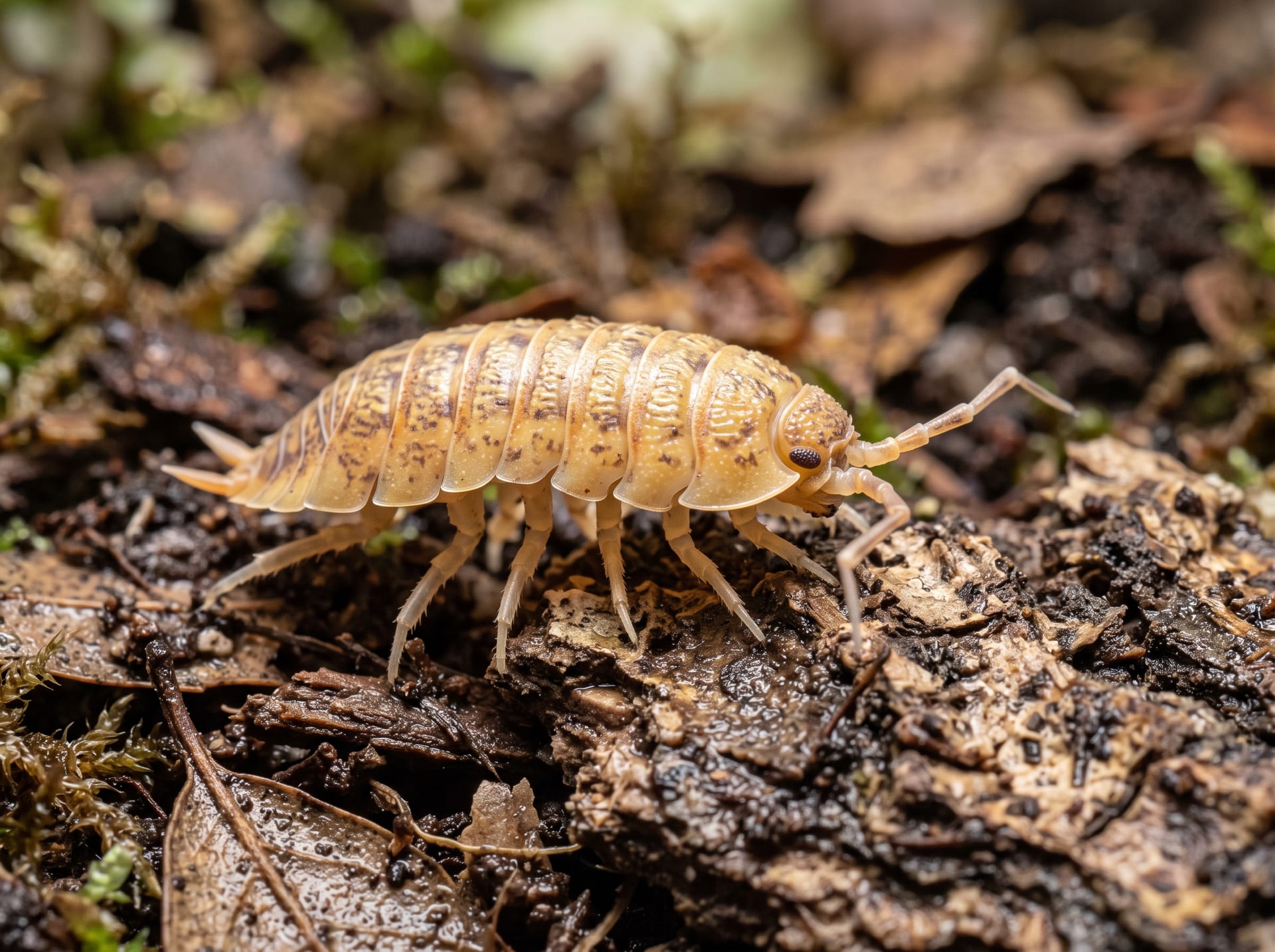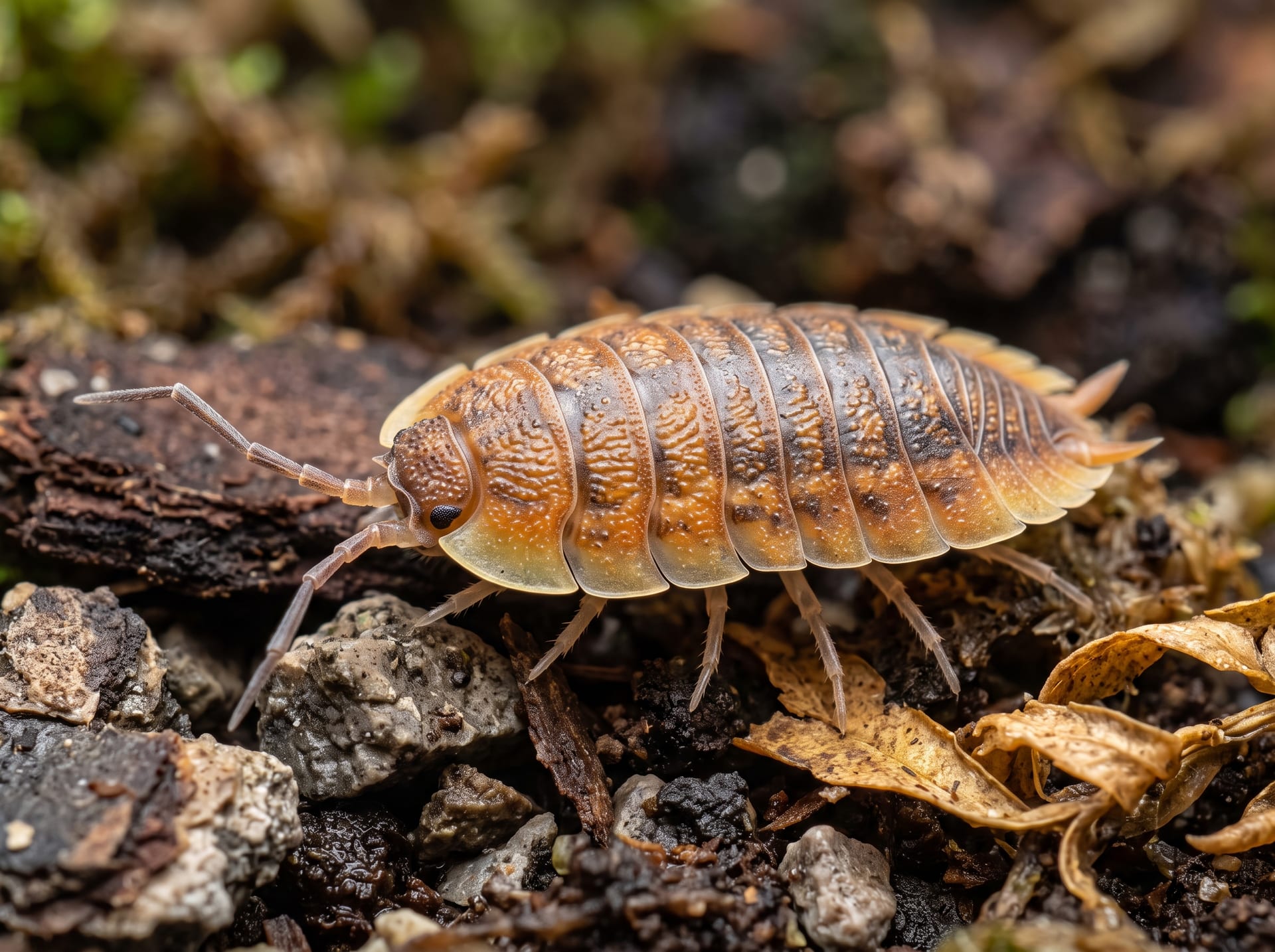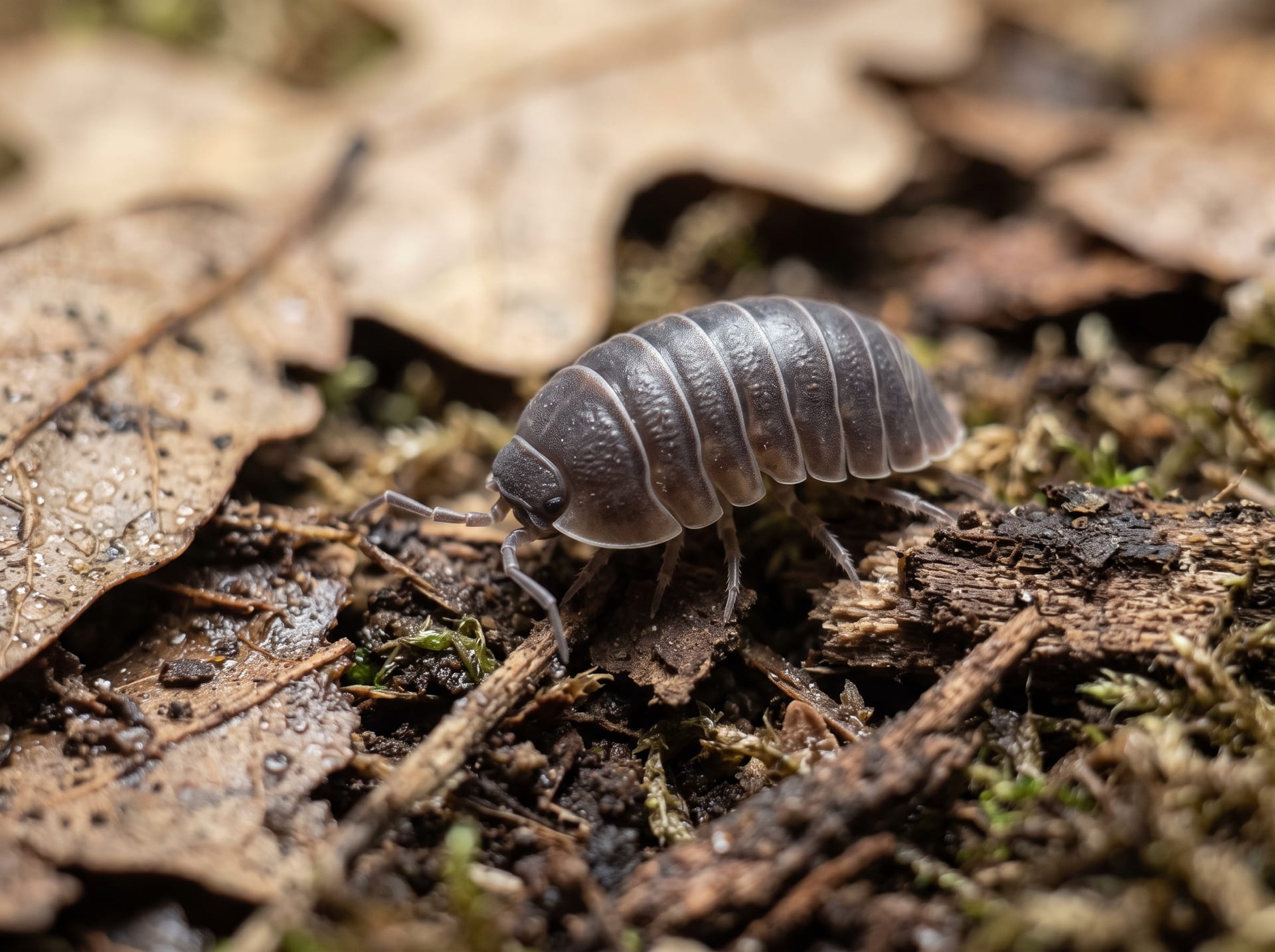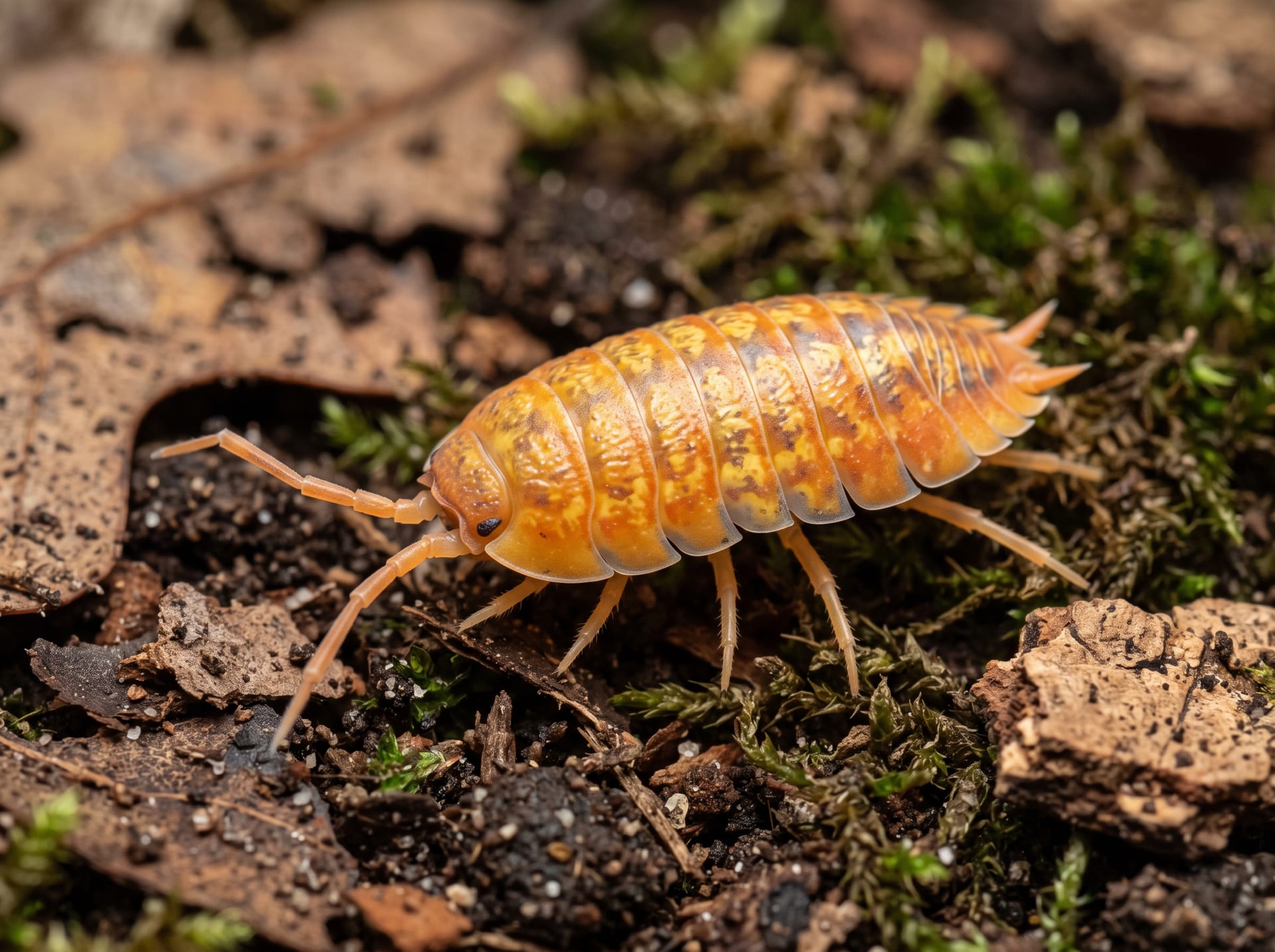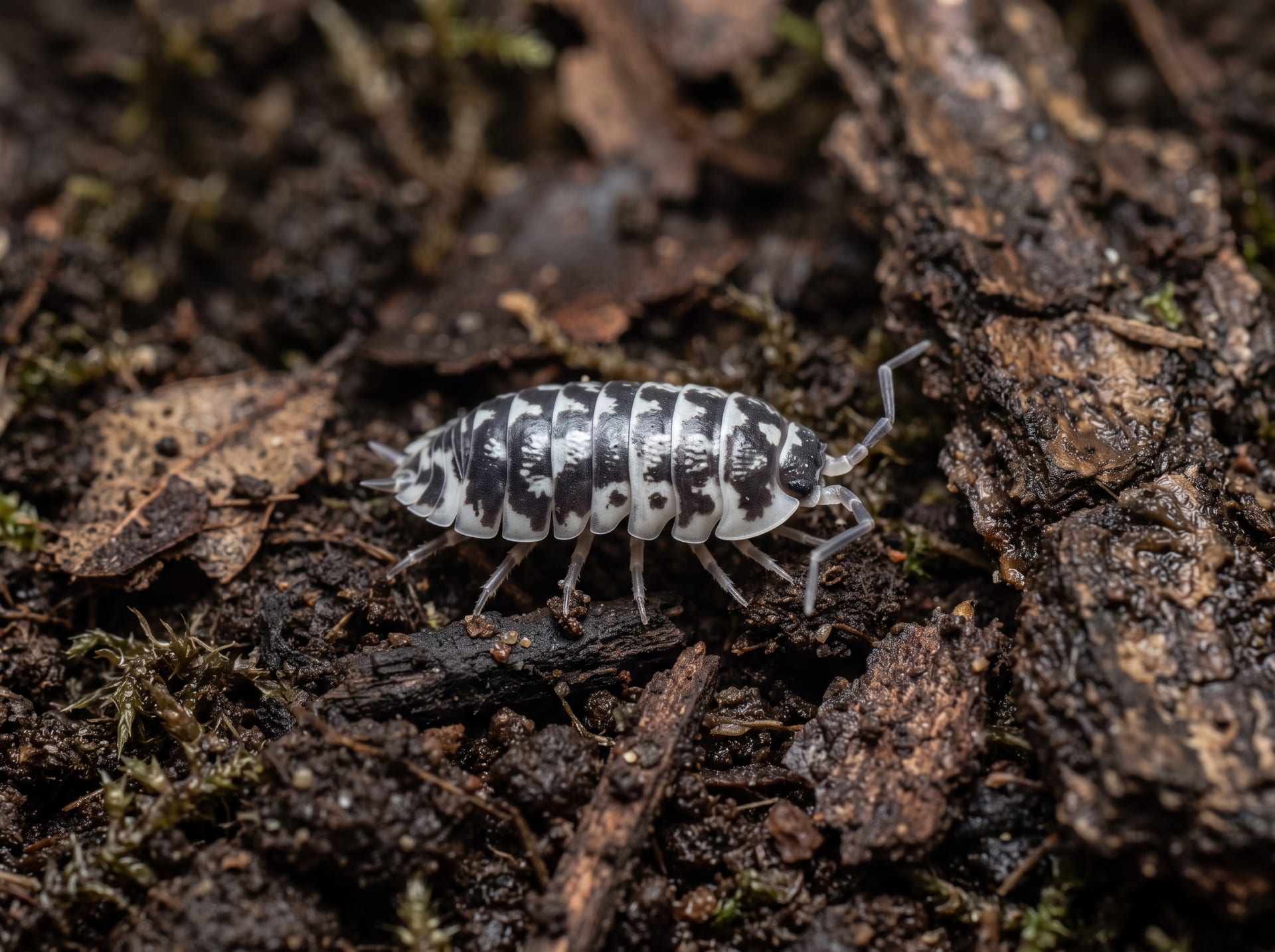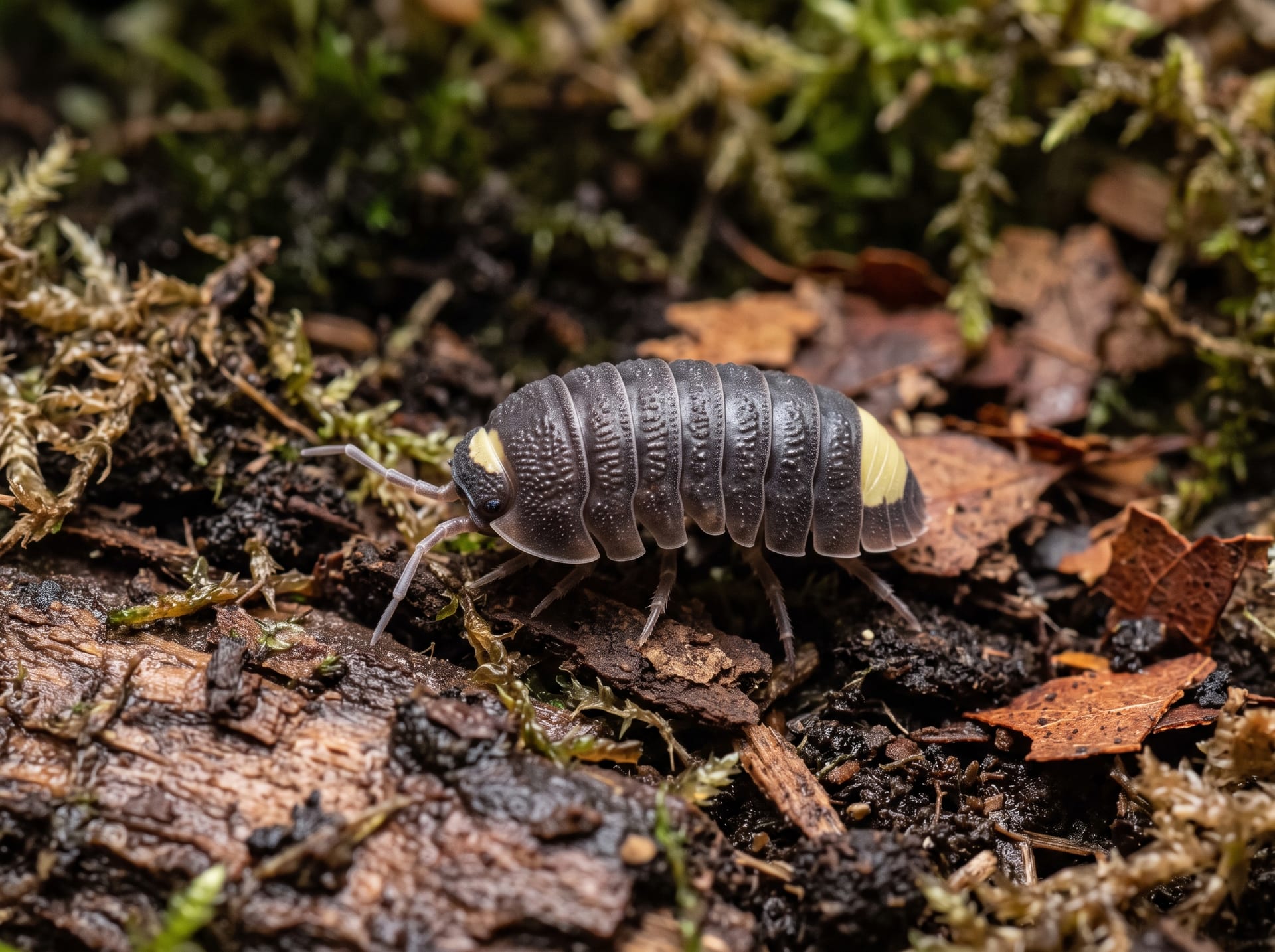
AI-generated image
Rubber Ducky Isopod
IntermediateCubaris sp. "Rubber Ducky"
A highly sought-after Cubaris isopod whose yellow facial projection resembles a rubber duck. Scientifically undescribed, so "Cubaris sp." is the correct designation. It is a harmless detritivore that prefers high humidity and breeds slowly.
Difficulty
Intermediate
Temperature
21〜26℃
Lifespan
About 2-3 years
Size
About 1-1.5 cm
Humidity
70〜85%
Diet
Mainly decaying leaf litter and rotten wood, supplemented with vegetable scraps, occasional protein (e.g., fish flakes), and a calcium source such as cuttlebone or eggshell.
About
The Rubber Ducky Isopod is a highly sought-after Cubaris whose yellow facial projection resembles a rubber duck. It is scientifically undescribed, so "Cubaris sp." is the correct designation, with origins in the limestone regions of Southeast Asia. A small (about 1-1.5cm) harmless detritivore that does not bite, it prefers high humidity (70-85%) at 21-26C and breeds slowly, suiting more patient intermediate keepers.
Basic Info
Origin
Believed to originate from limestone areas of Southeast Asia (Thailand/Vietnam)
Lifespan
About 2-3 years
Size
About 1-1.5 cm
Temperature
21〜26℃
Humidity
70〜85%
Diet
Mainly decaying leaf litter and rotten wood, supplemented with vegetable scraps, occasional protein (e.g., fish flakes), and a calcium source such as cuttlebone or eggshell.
Care Guide
Habitat
A ventilated tub with leaf litter, rotten wood, and limestone, plus plenty of hides.
Temp & Humidity
Keep 21-26C with high humidity, dampening one side to create a moisture gradient.
References & Sources
Edited & verified by: br-choku editorial team
The taxonomic, regulatory, and husbandry data on this page are compiled and verified against the authoritative primary sources below.
Rubber Ducky Isopod Listings
Loading latest listingsFind listings for this species