Exotic Invertebrate Encyclopedia — 70 Species Directory
Encyclopedia of popular exotic invertebrates—tarantulas, scorpions, centipedes and more—with care guides, traits, and difficulty levels.
Showing 11 of 70 species
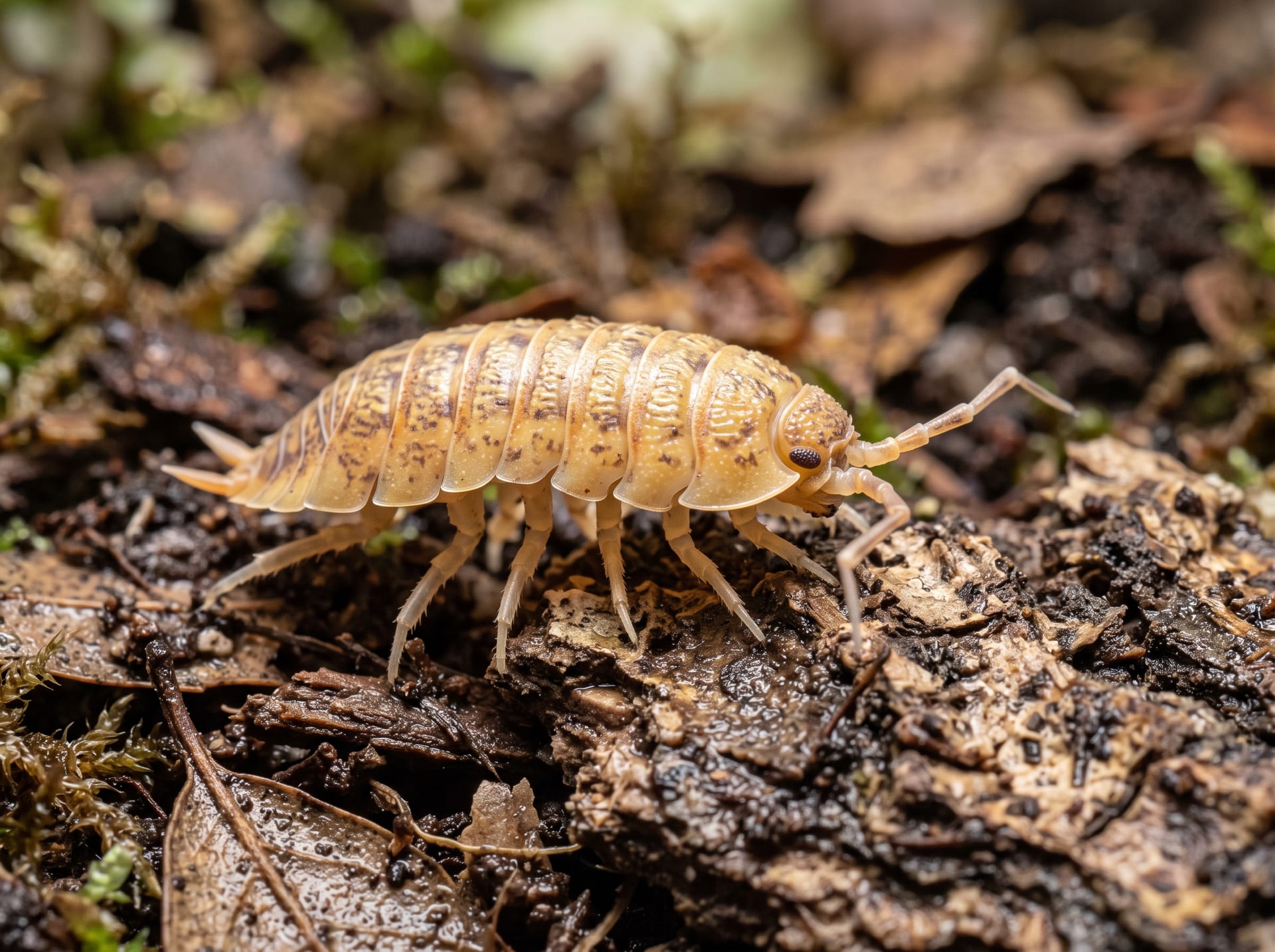
Bolivari Isopod
Porcellio bolivari
A Spanish isopod popular for its contrasting patterning. It prefers drier, calcium-rich setups; fast but a harmless detritivore with no bite or venom.
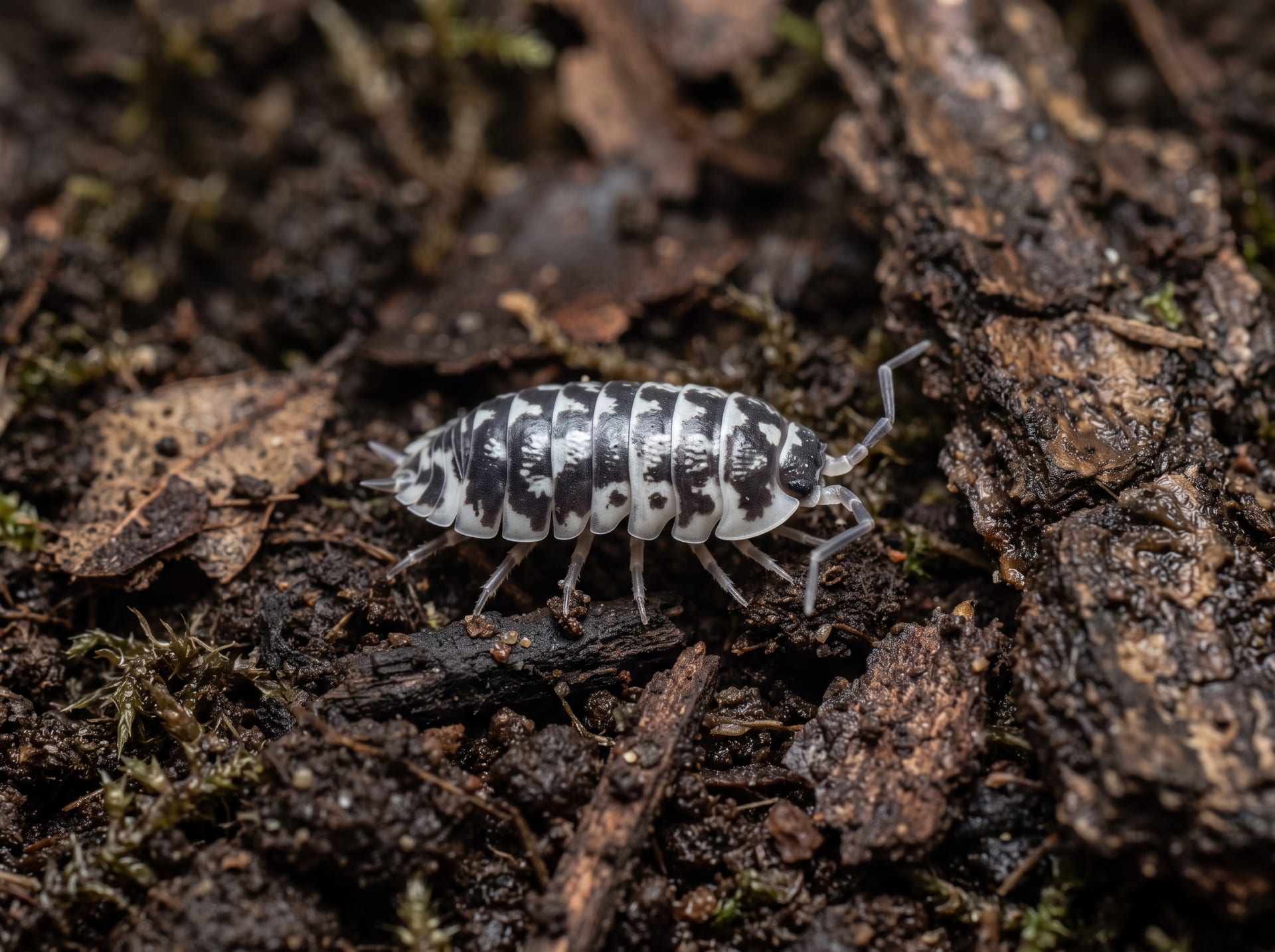
Dairy Cow Isopod
Porcellio laevis
A popular morph of Porcellio laevis whose black-on-white markings recall a dairy cow. Fast-growing, prolific, and hardy, it is great for beginners and an excellent harmless clean-up crew.
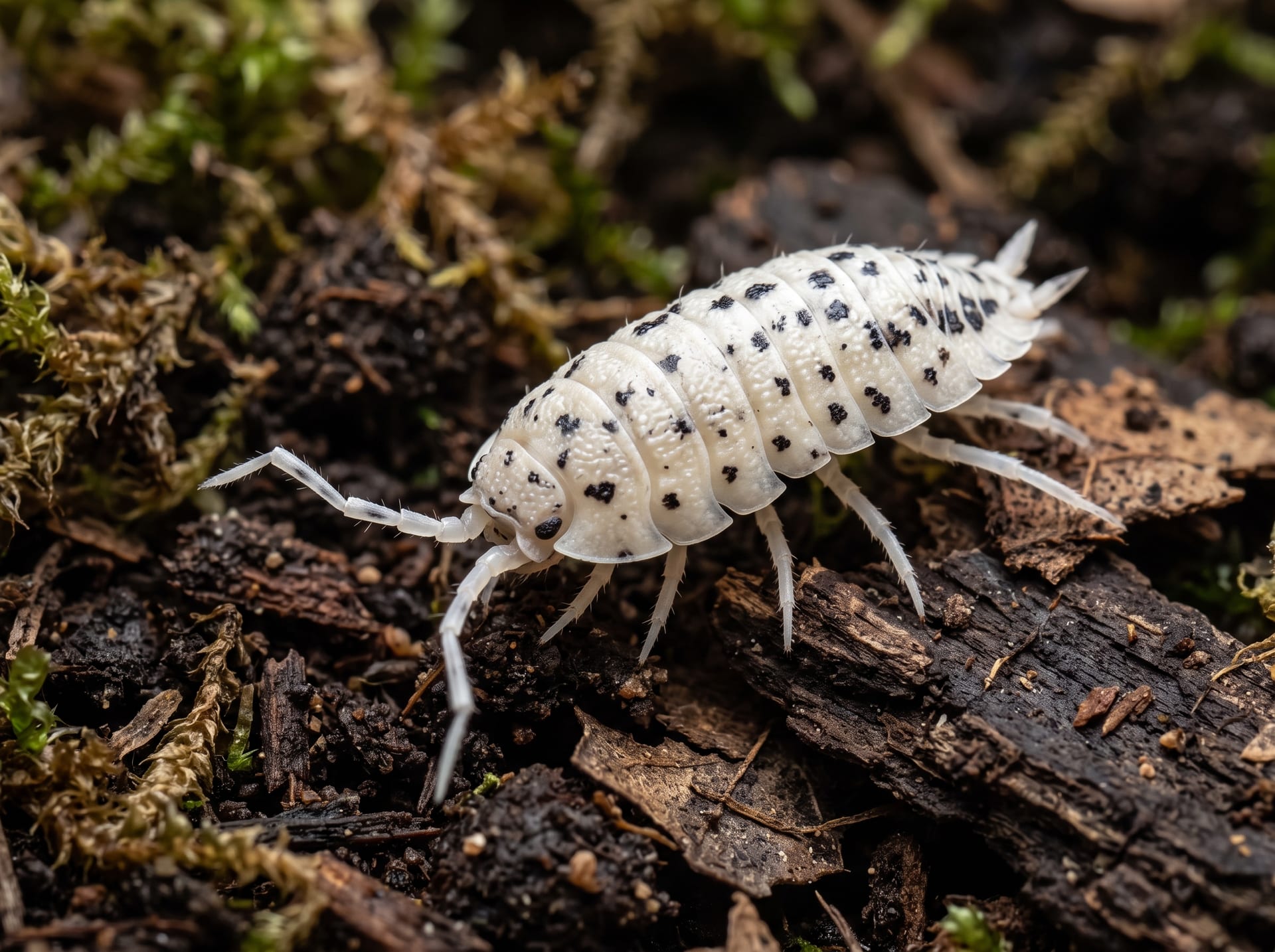
Dalmatian Isopod
Porcellio scaber
A popular spotted morph of Porcellio scaber resembling a Dalmatian dog. Hardy and easy to breed, it is a harmless detritivore widely kept as clean-up crew.
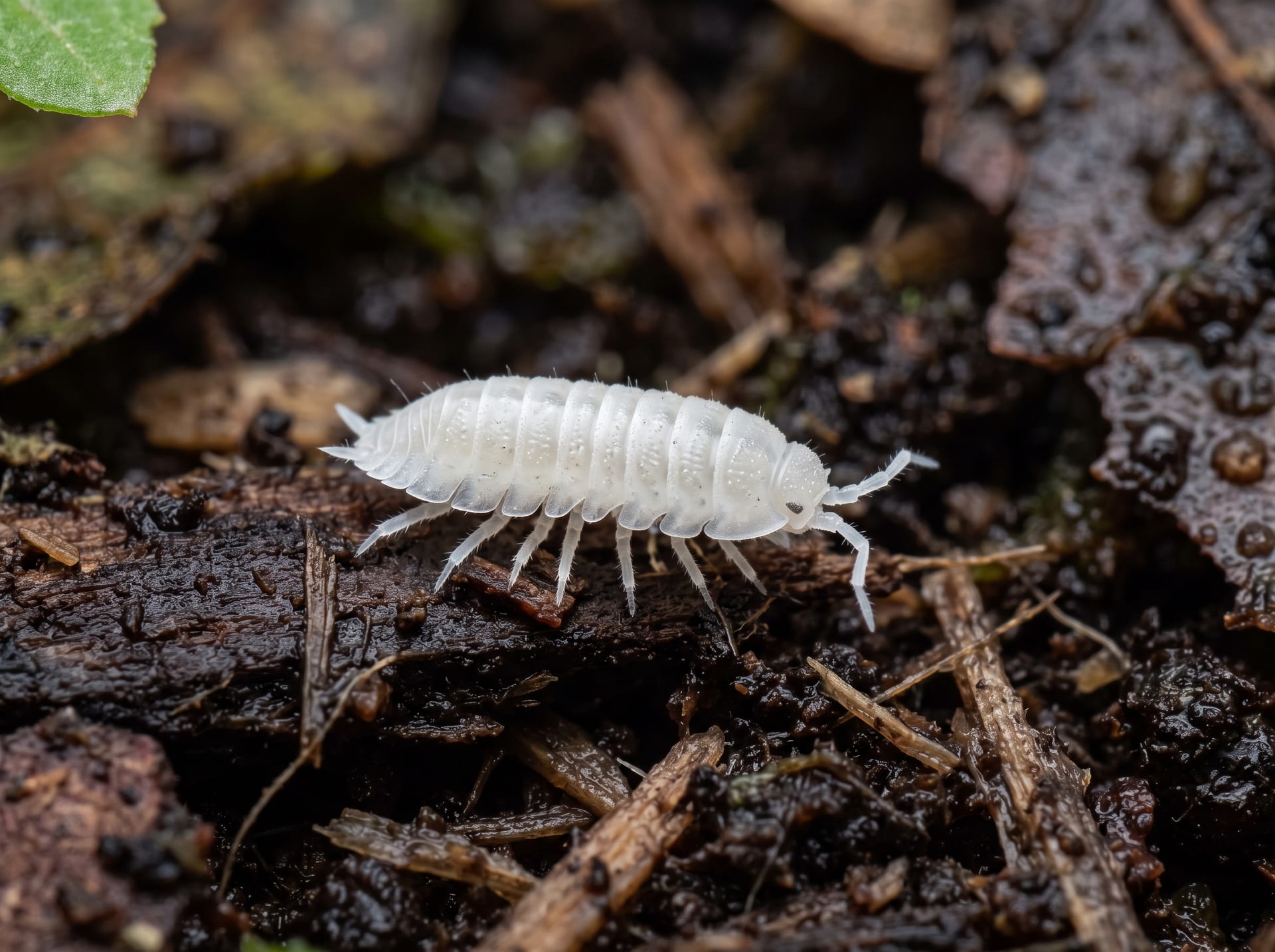
Dwarf White Isopod
Trichorhina tomentosa
A tiny white isopod that reproduces parthenogenetically and multiplies rapidly. A staple microfauna clean-up crew and feeder culture; a harmless detritivore with no bite or venom.
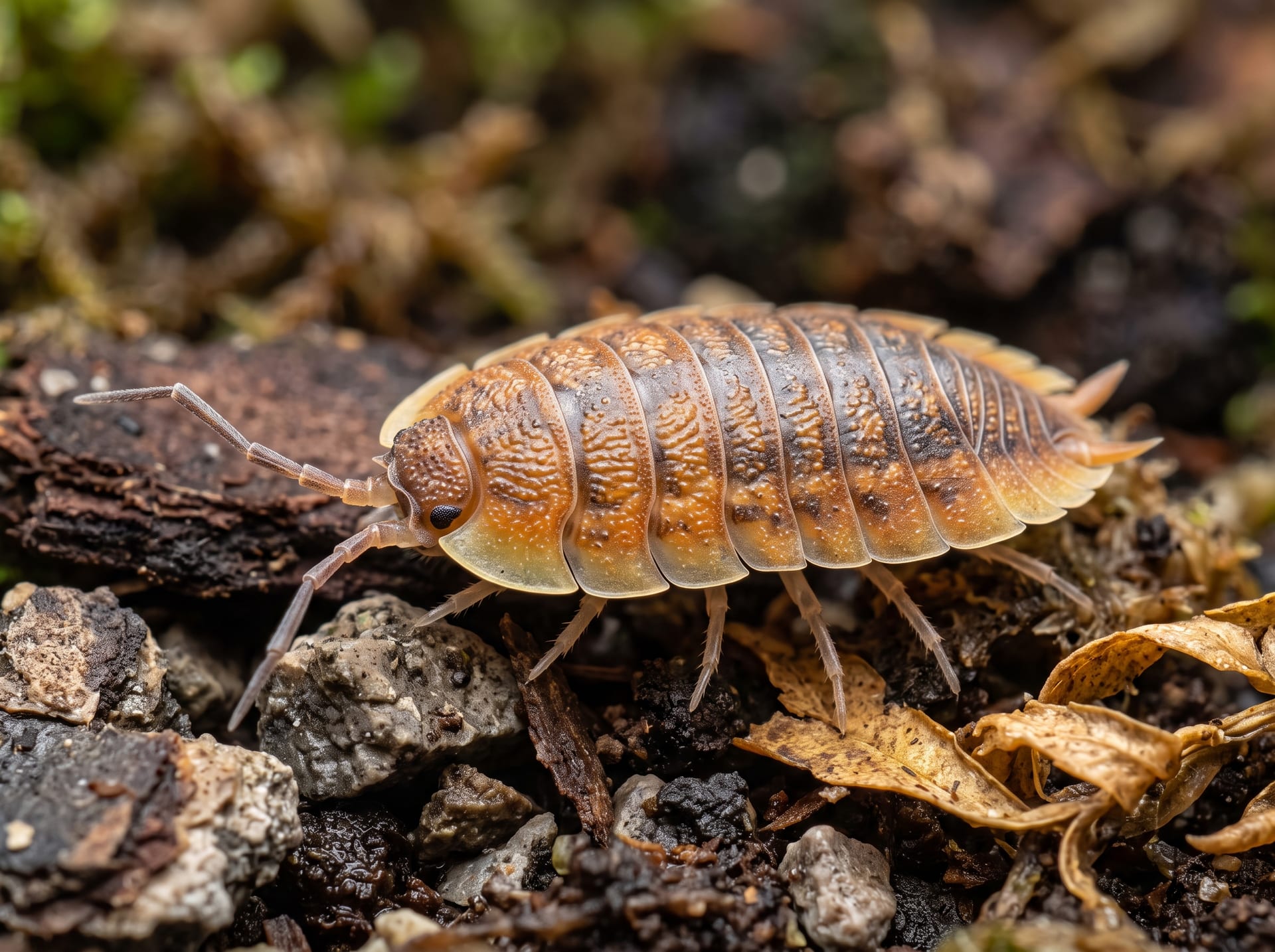
Expansus Isopod
Porcellio expansus
A large Spanish isopod notable for its broad, flared body margins. It prefers drier, calcium-rich conditions; fast but a harmless detritivore with no bite or venom.
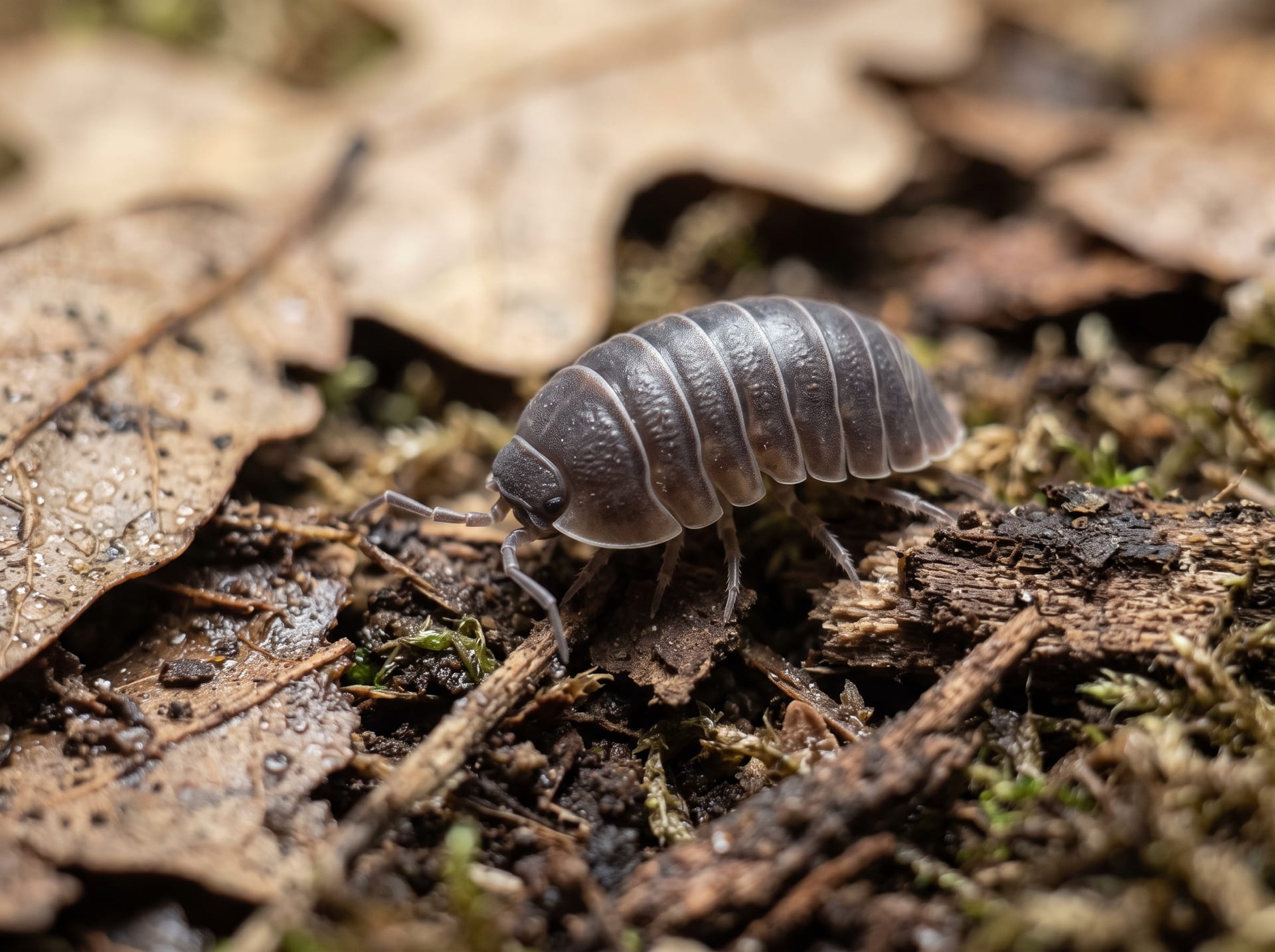
Little Sea Isopod
Cubaris murina
A small Cubaris regarded as a good beginner species. It rolls into a ball, breeds readily, and is a harmless detritivore popular as bioactive clean-up crew.
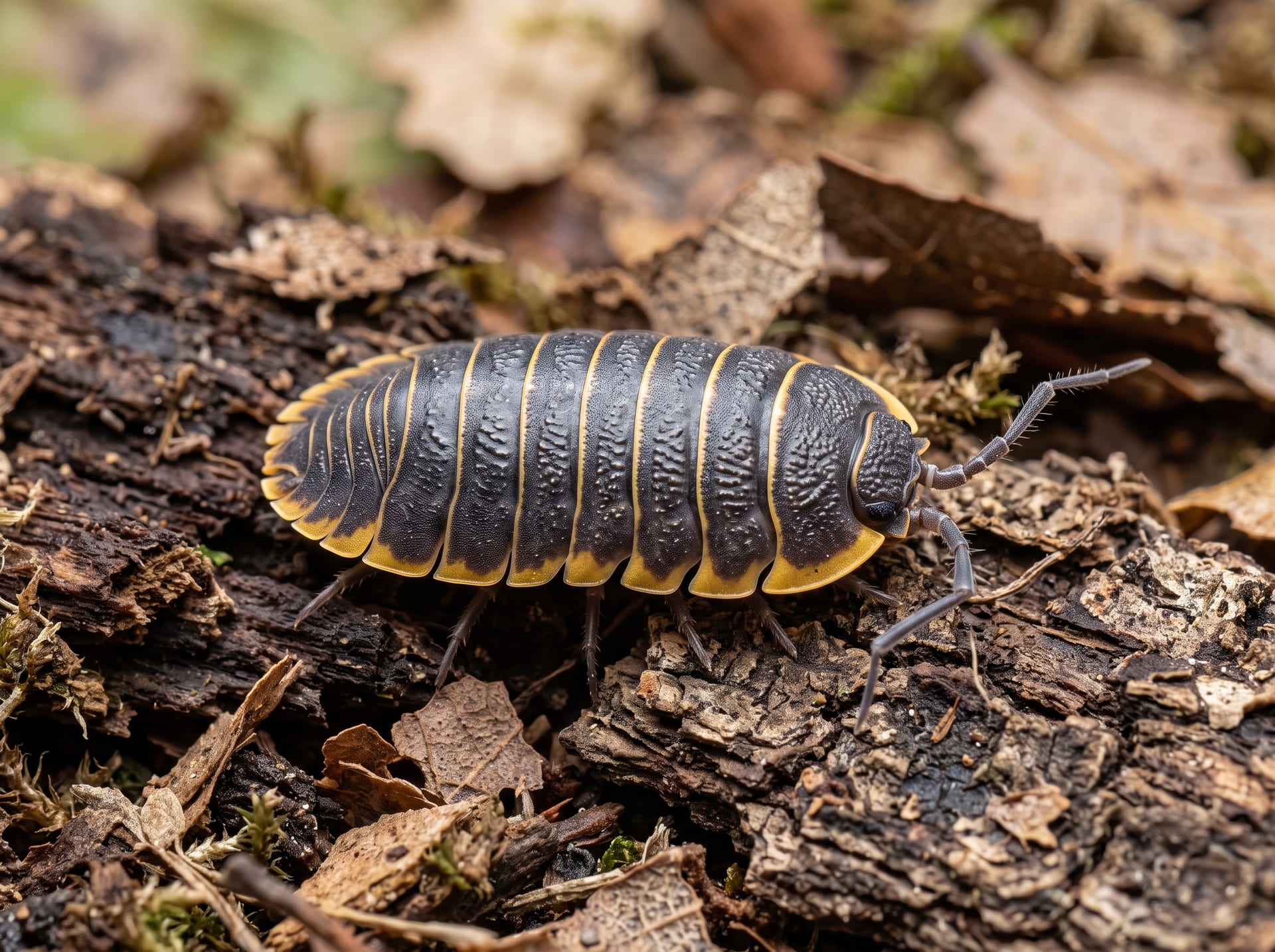
Magnificent Isopod
Porcellio magnificus
A large, rugged-looking Spanish isopod popular for its bold appearance. It favors drier, calcium-rich setups; fast but a harmless detritivore with no bite or venom.
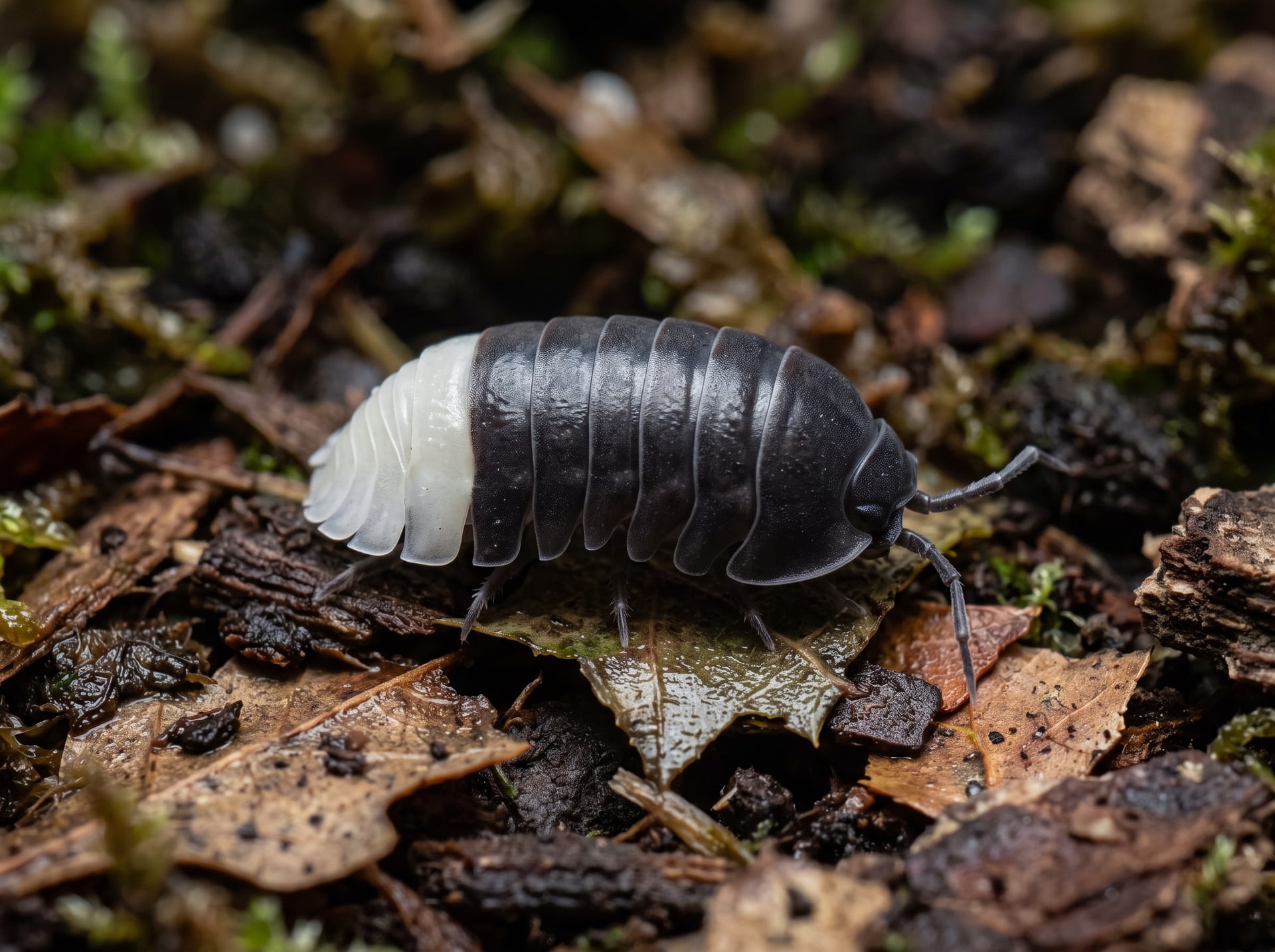
Panda King Isopod
Cubaris sp. "Panda King"
A popular Cubaris with striking black-and-white panda-like coloration. It is scientifically undescribed, so "Cubaris sp." is correct. A harmless detritivore that likes high humidity and calcium-rich substrate and breeds slowly.
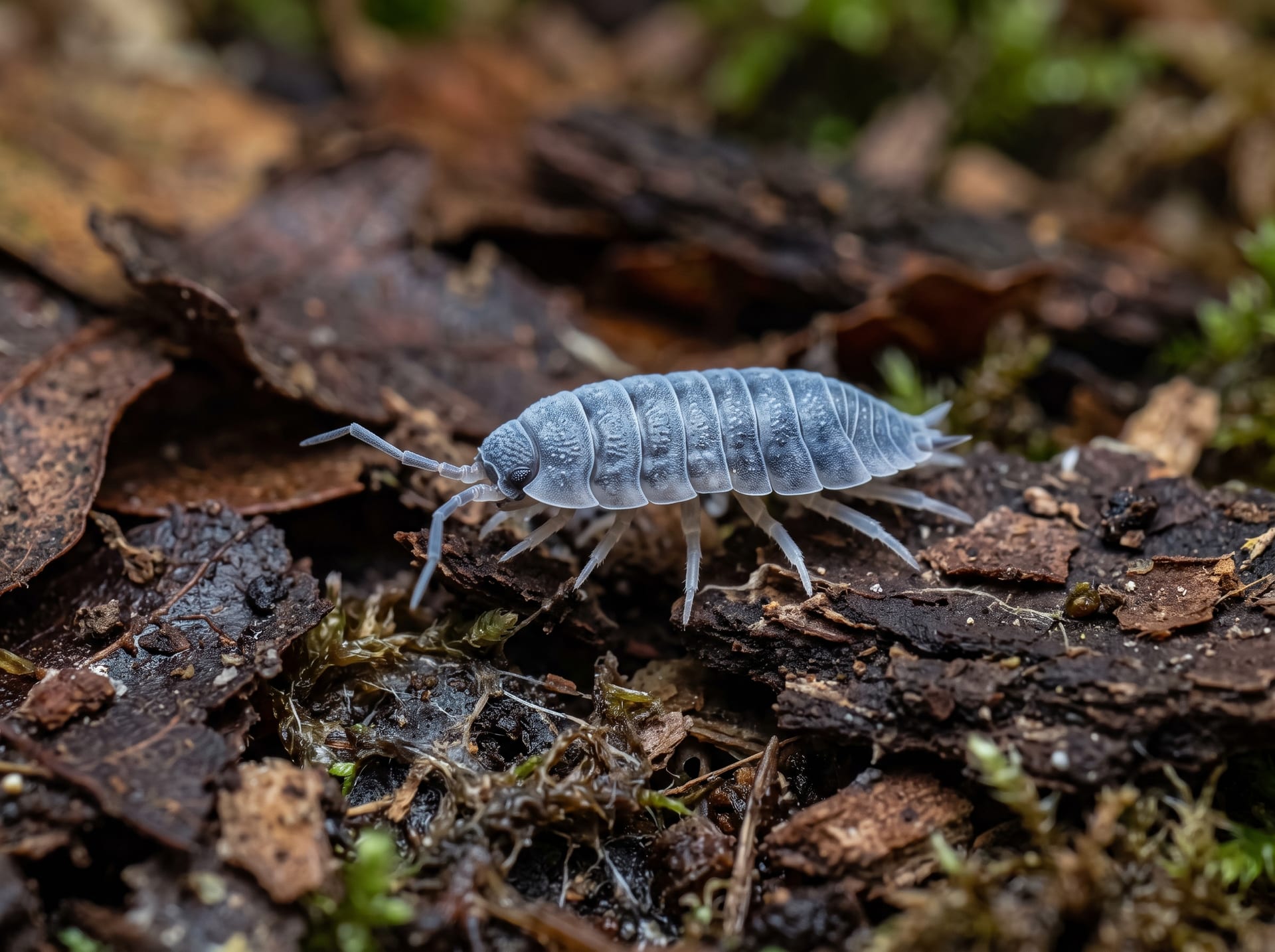
Powder Blue Isopod
Porcellionides pruinosus
A small isopod with an attractive powdery blue-gray sheen. Fast-moving and a very rapid breeder, it is a beginner staple as clean-up crew and feeder, and is harmless with no bite or venom.
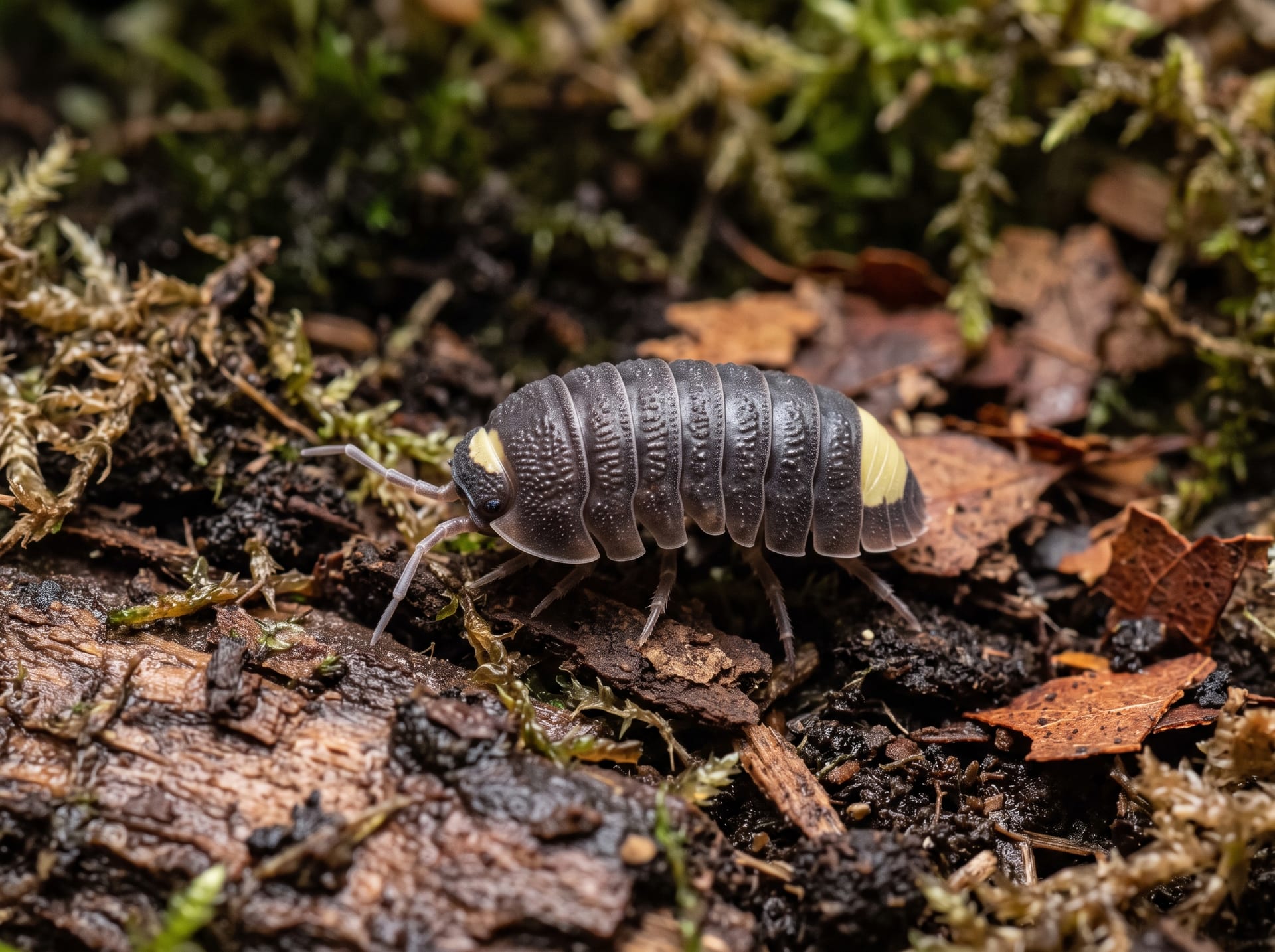
Rubber Ducky Isopod
Cubaris sp. "Rubber Ducky"
A highly sought-after Cubaris isopod whose yellow facial projection resembles a rubber duck. Scientifically undescribed, so "Cubaris sp." is the correct designation. It is a harmless detritivore that prefers high humidity and breeds slowly.
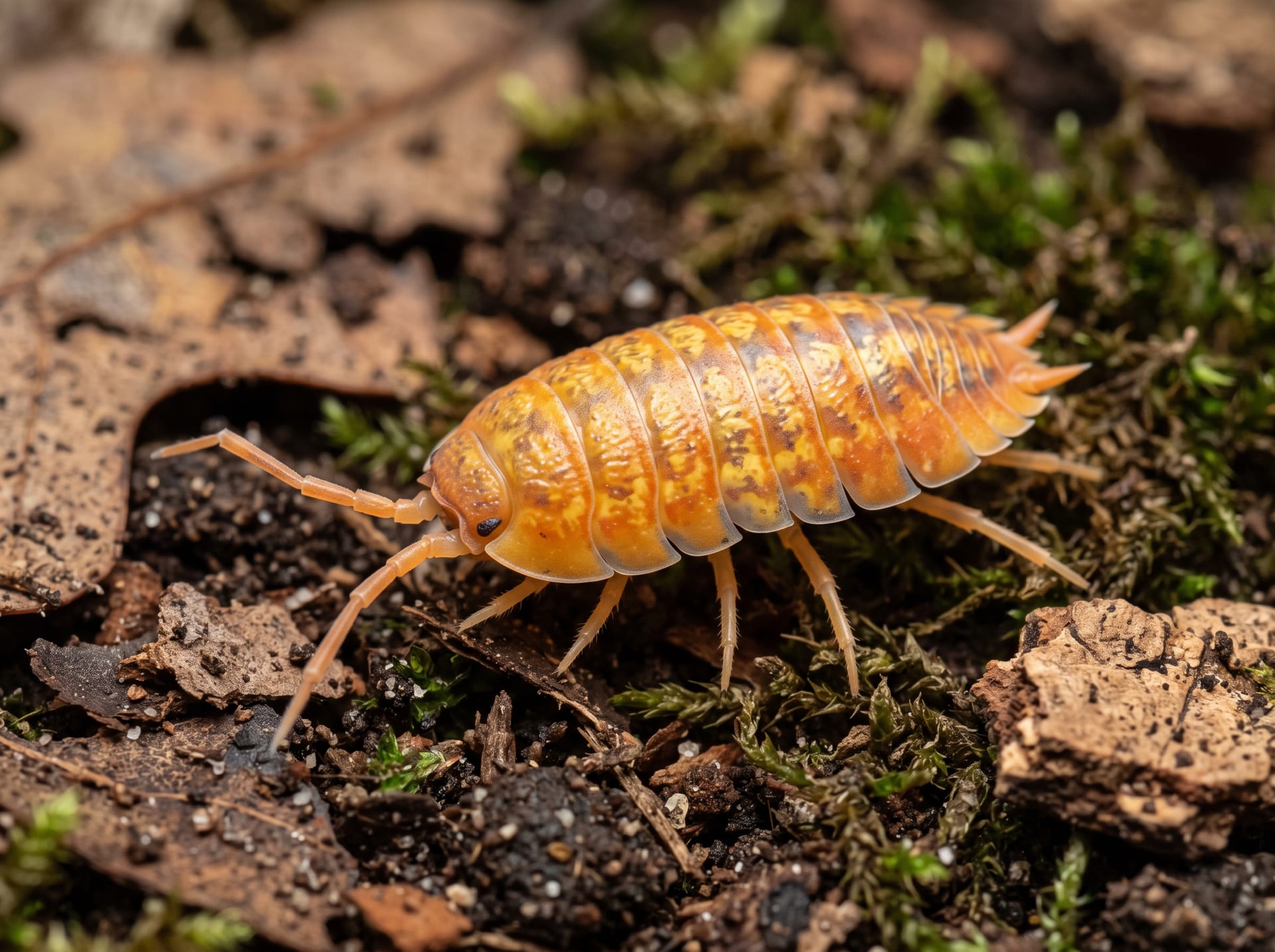
Spanish Orange Isopod
Porcellio hoffmannseggii
A large Spanish isopod prized for its vivid orange color and impressive size. It prefers drier, calcium-rich conditions; fast-moving but a harmless detritivore with no bite or venom.
Related Content
Exotic Invertebrate FAQ
- What are exotic invertebrates? Can beginners keep them?
- It's a general term for invertebrates centered on arachnids and myriapods such as tarantulas, scorpions, millipedes, and whip scorpions. Hardy species like the Chilean rose tarantula and terrestrial millipedes are relatively easy to keep and popular with beginners.
- How much do exotic invertebrates cost?
- Common hardy tarantulas run 3,000-30,000 yen, while rare species exceed tens of thousands. Scorpions are around 2,000-15,000 yen and millipedes 1,000-5,000 yen. Prices vary with rarity, size, and whether the animal is captive-bred (CB).
- How long do exotic invertebrates live?
- Female tarantulas are remarkably long-lived, reaching 10-20+ years depending on species, while males live only 1-3 years after maturity. Scorpions live 5-8 years and millipedes roughly 3-10 years depending on species, with many kept long-term through repeated molts.
- What equipment is needed for exotic invertebrates?
- Basics include a secure enclosure, substrate (moisture-retaining or dry depending on species), a shelter, and a water dish. Many species need heating, so prepare a heat mat and a thermometer-hygrometer. Arboreal tarantulas need height and climbing structures, while burrowing species need deep substrate.
- What safety precautions apply to exotic invertebrates?
- While most tarantulas have mild venom, urticating hairs and bites can trigger allergic reactions. Some scorpions and centipedes are venomous enough to require medical attention, so always research each species' risks in advance. Keep enclosures securely sealed and locked to prevent escapes.