Exotic Invertebrate Encyclopedia — 70 Species Directory
Encyclopedia of popular exotic invertebrates—tarantulas, scorpions, centipedes and more—with care guides, traits, and difficulty levels.
Showing 8 of 70 species
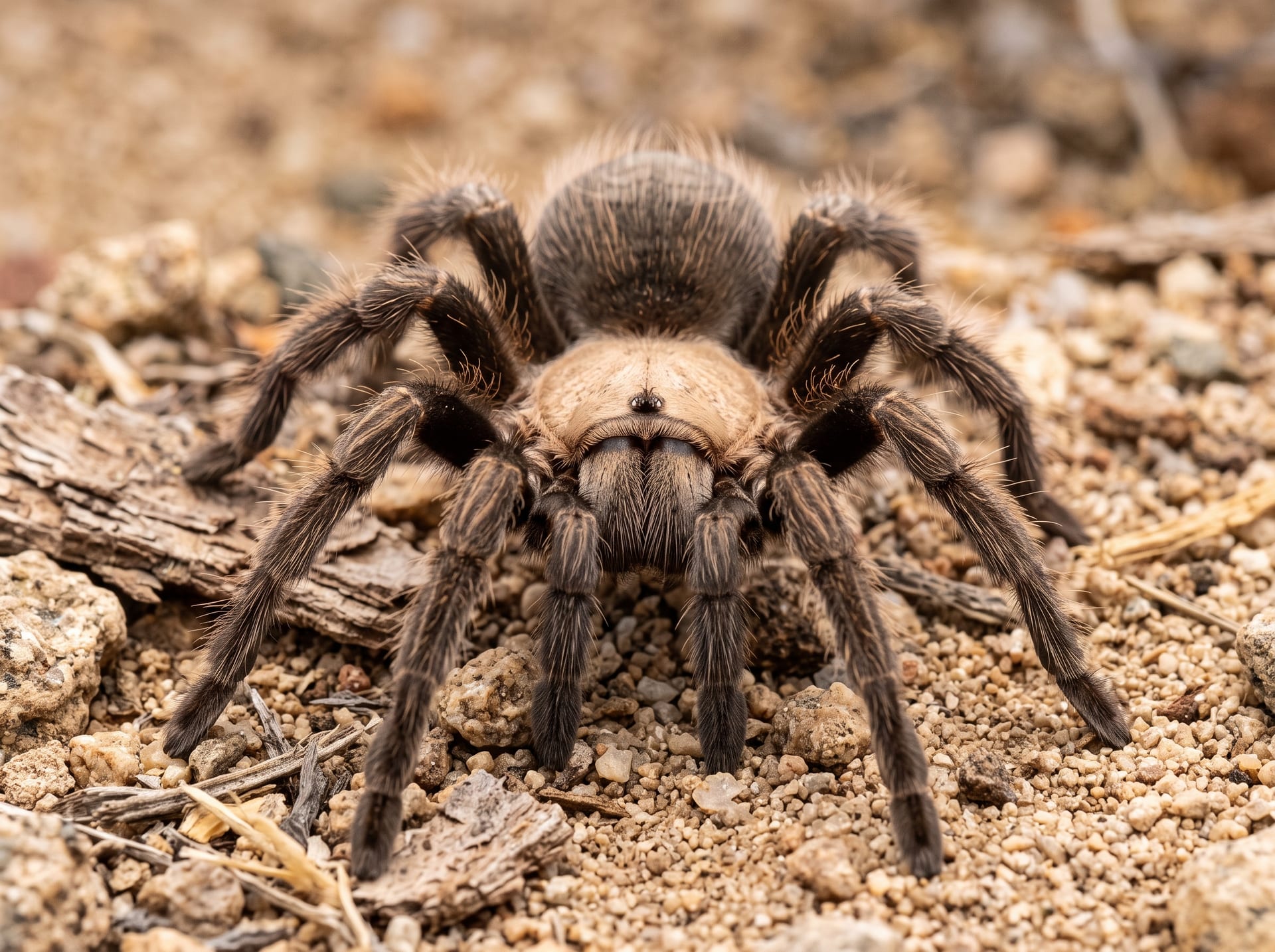
Arizona Blonde
Aphonopelma chalcodes
A North American desert terrestrial species clad in pale blonde hair. Very docile, drought-hardy and long-lived, though famously slow-growing.
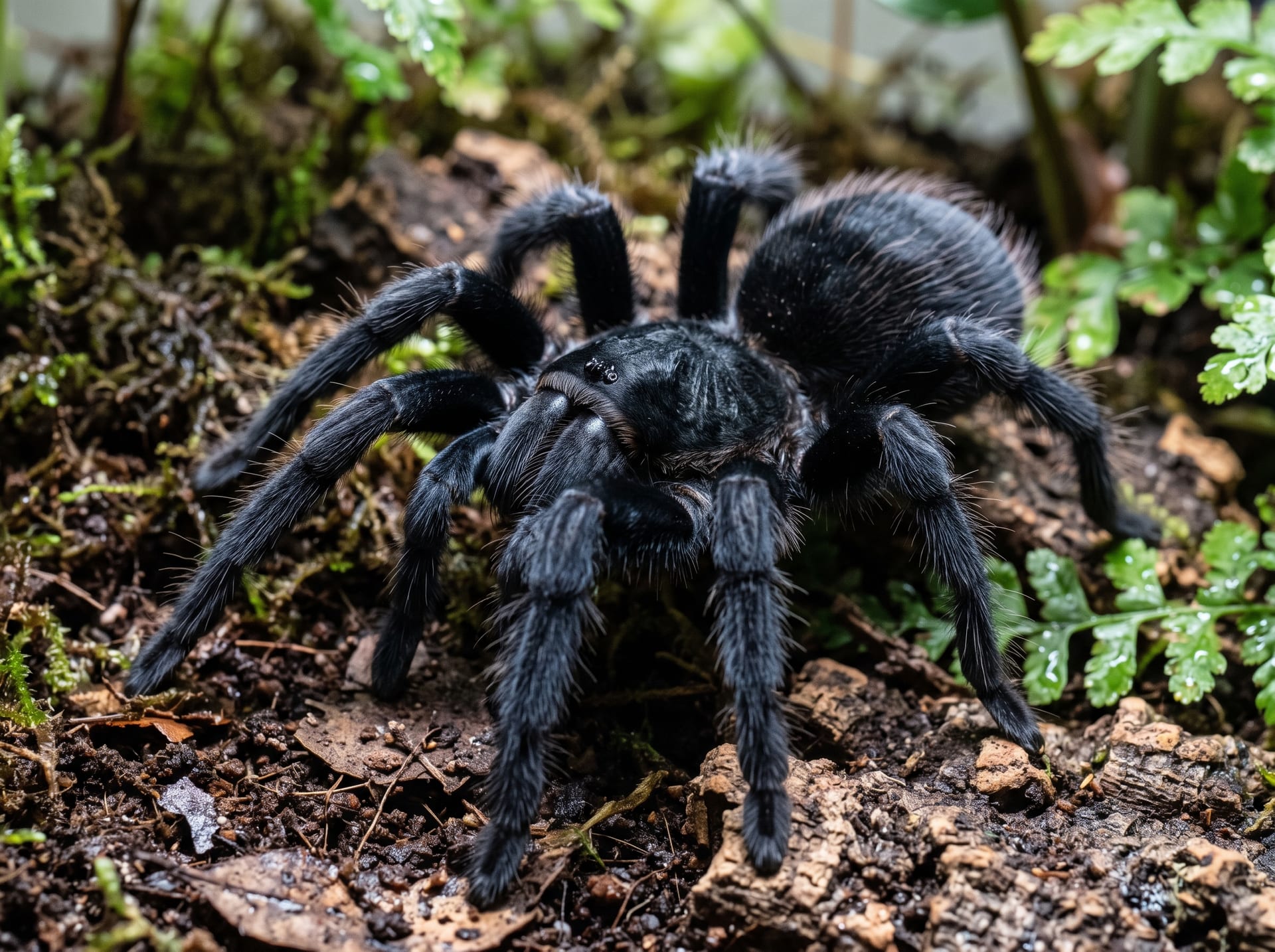
Brazilian Black
Grammostola pulchra
A South American terrestrial species cloaked in jet-black velvety hair. Prized for its calm temperament and rich color, it is hardy and long-lived.
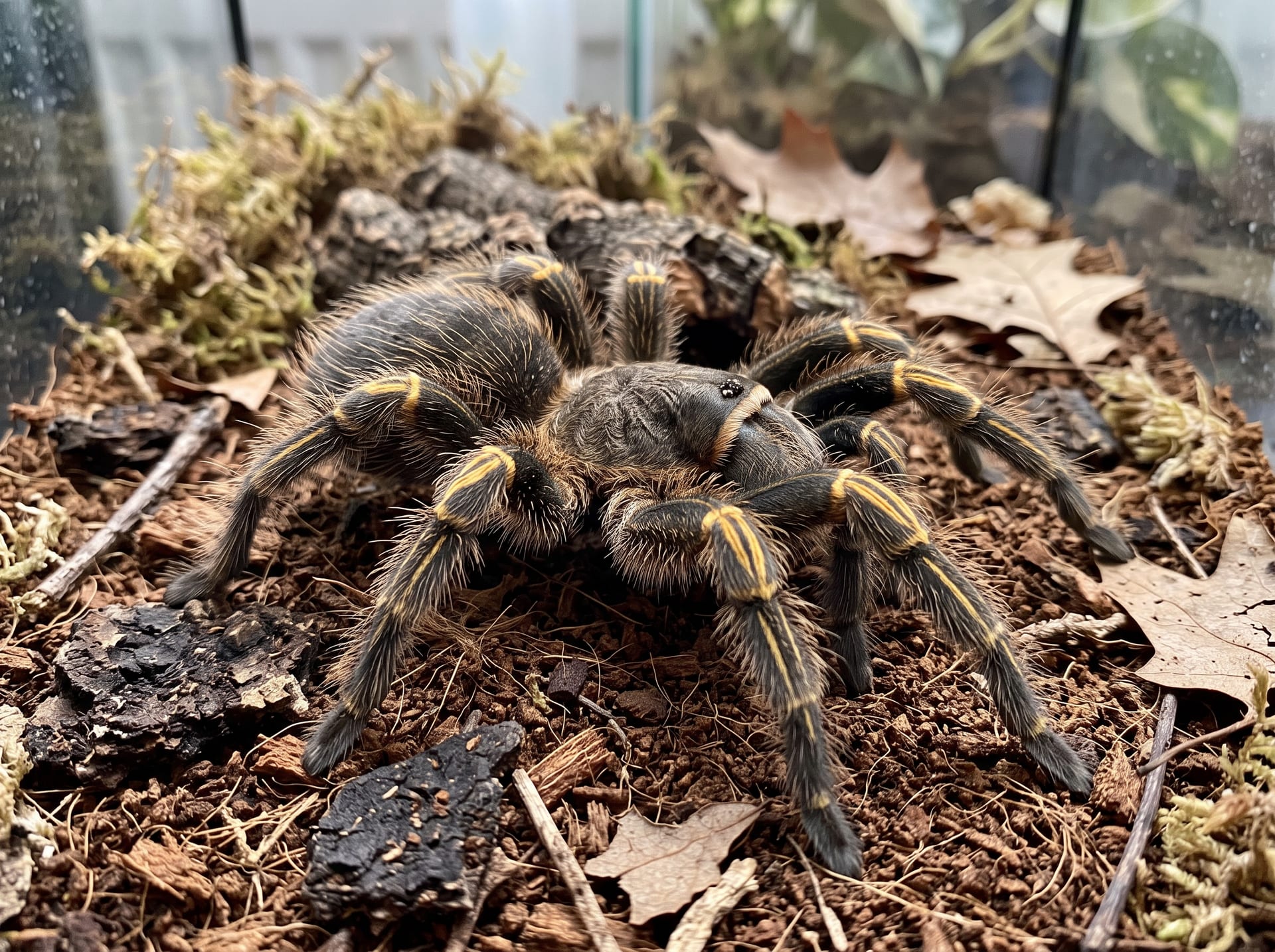
Chaco Golden Knee
Grammostola pulchripes
A large South American terrestrial species with golden knee stripes on a dark body. Docile, showy and a relatively quick grower, making it a popular larger beginner species.
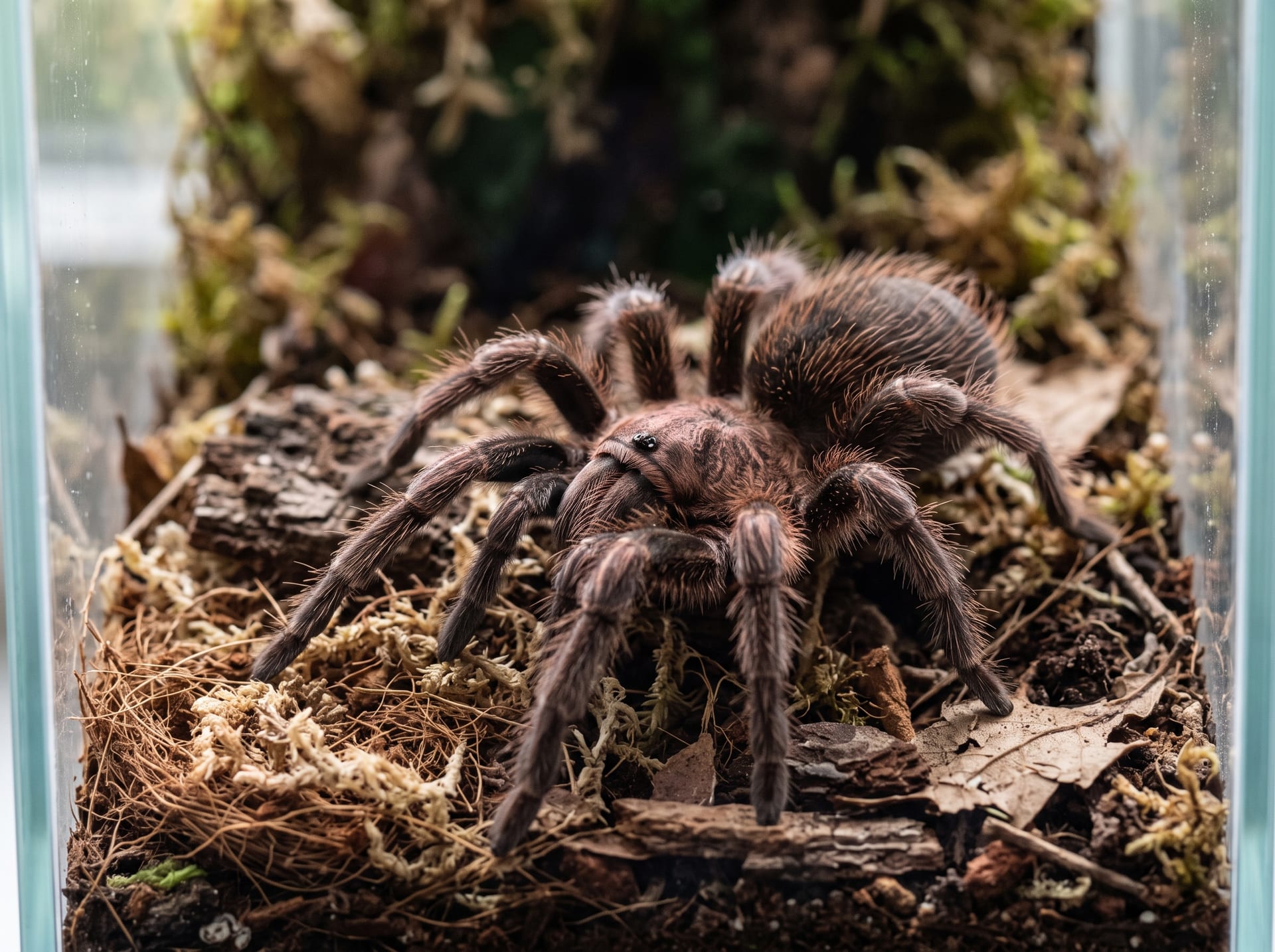
Chilean Rose Tarantula
Grammostola rosea
A Chilean terrestrial species with a soft rose tint. Tolerant of dry conditions, long-lived and one of the oldest classic beginner tarantulas.
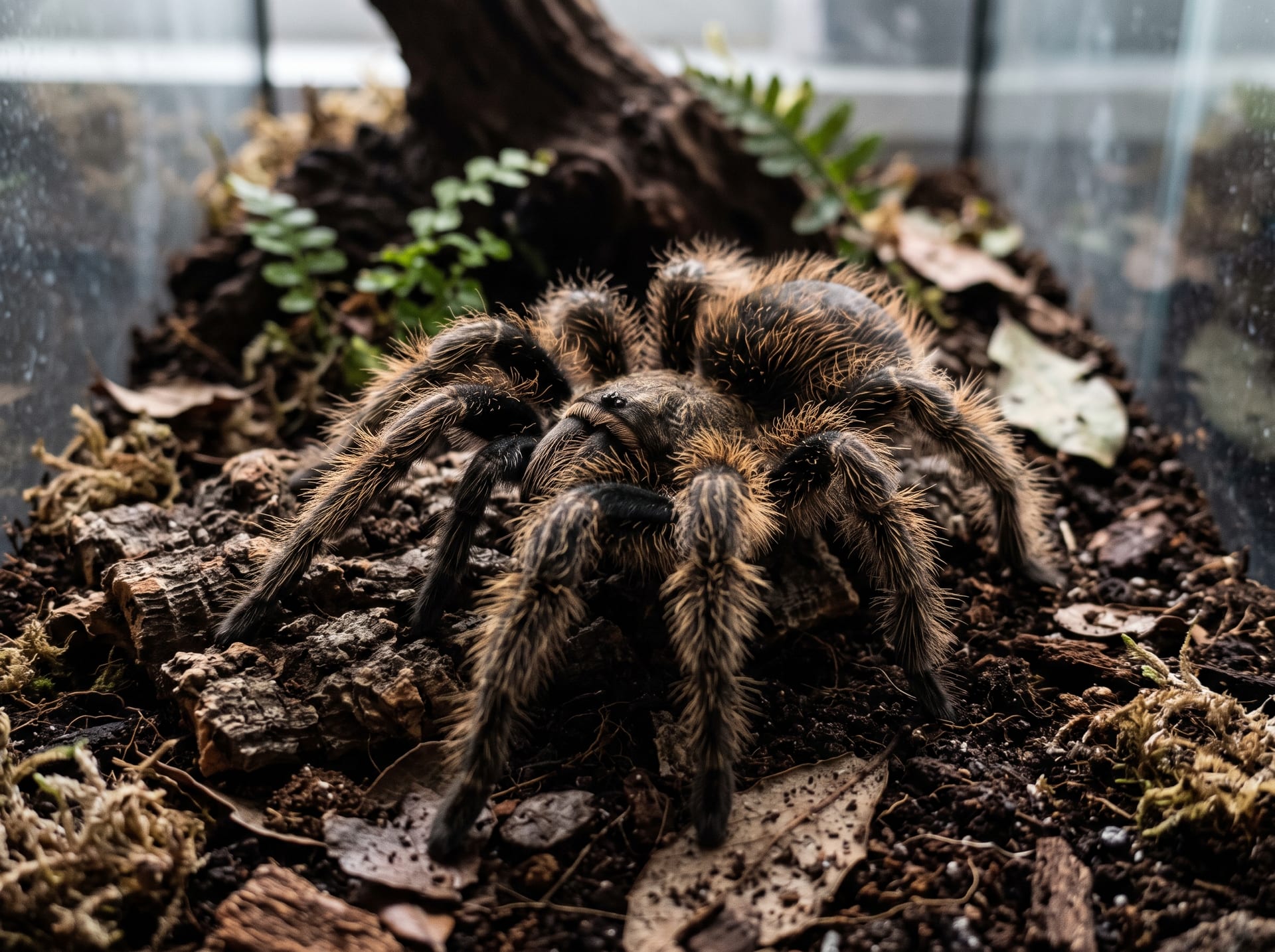
Curly Hair Tarantula
Tliltocatl albopilosus
A Central American terrestrial species covered in distinctive curly, gold-tipped hairs. Very hardy, docile and fast-growing, it is a widely recommended beginner tarantula.
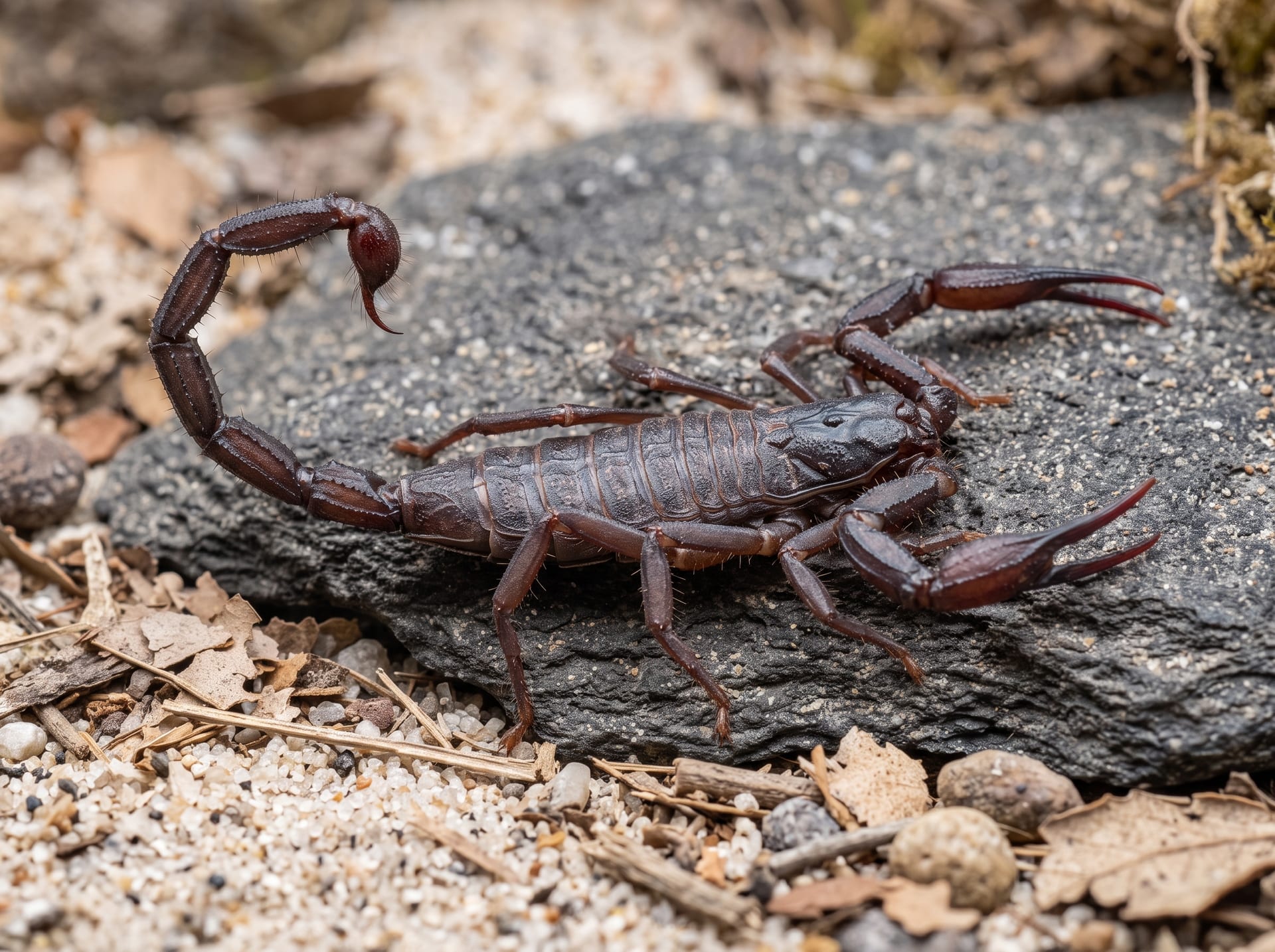
Flat Rock Scorpion
Hadogenes troglodytes
An extremely flattened scorpion from rocky outcrops of southern Africa that hides in crevices. Its venom is mild (bee-sting-like) and it is known for exceptional longevity.
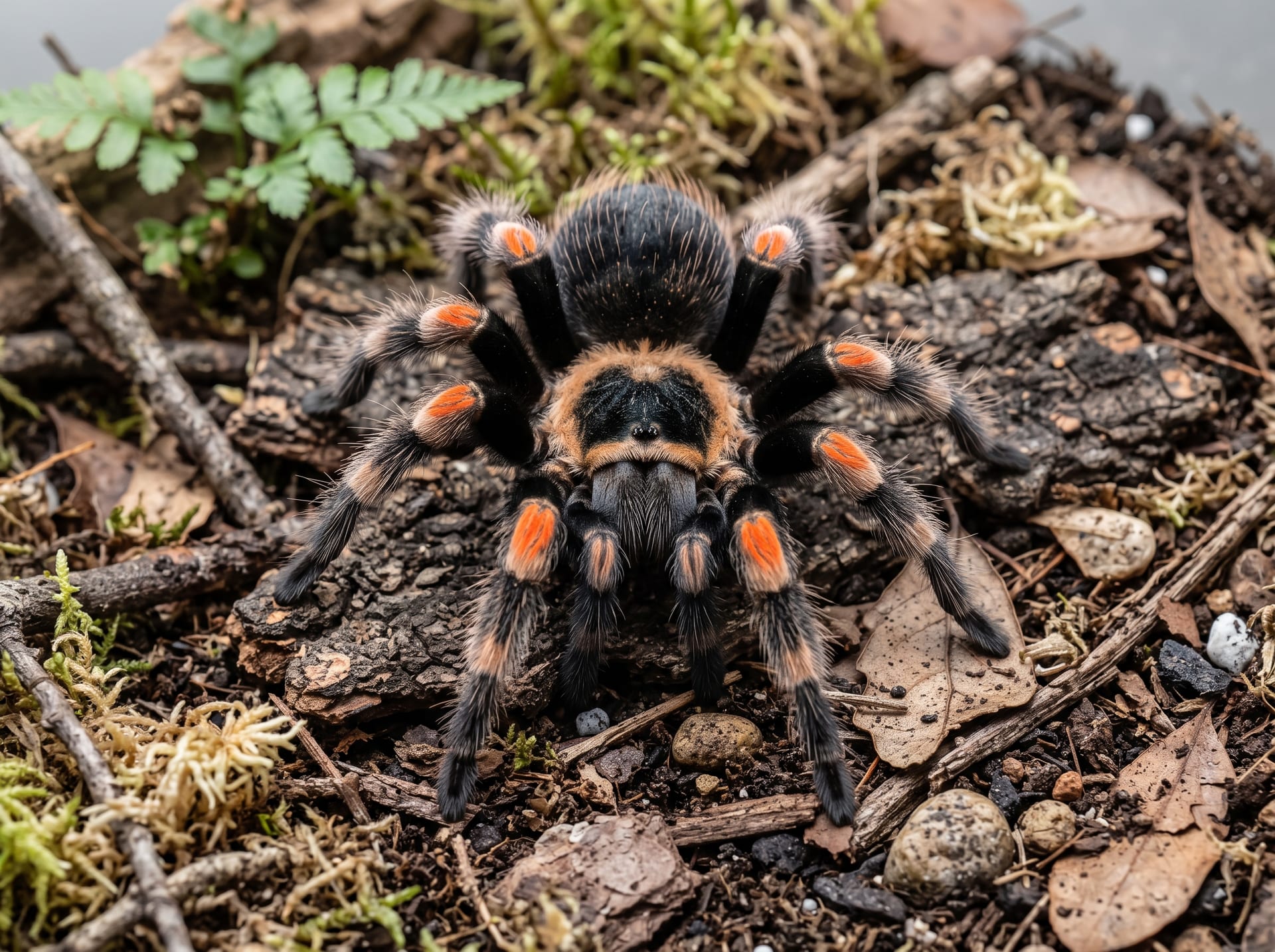
Mexican Redknee
Brachypelma hamorii
A classic terrestrial tarantula from Mexico with iconic red-orange leg markings. Docile, slow-moving, hardy and long-lived, it is one of the most popular beginner species worldwide.
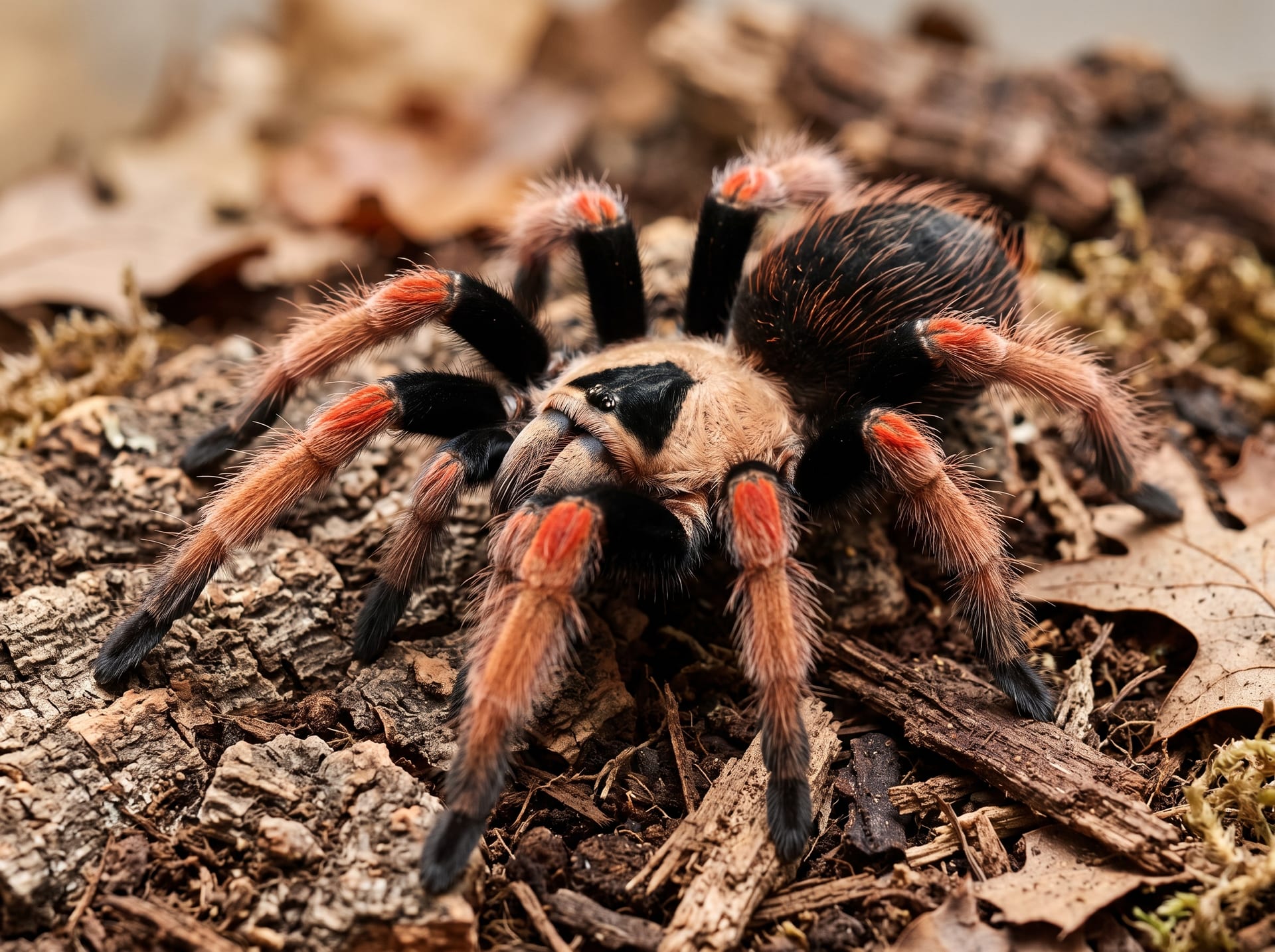
Mexican Redleg
Brachypelma emilia
A Mexican terrestrial species with red legs and a distinctive black triangle on the carapace. Slow-growing but docile and hardy, it is a long-time hobby favorite.
Related Content
Exotic Invertebrate FAQ
- What are exotic invertebrates? Can beginners keep them?
- It's a general term for invertebrates centered on arachnids and myriapods such as tarantulas, scorpions, millipedes, and whip scorpions. Hardy species like the Chilean rose tarantula and terrestrial millipedes are relatively easy to keep and popular with beginners.
- How much do exotic invertebrates cost?
- Common hardy tarantulas run 3,000-30,000 yen, while rare species exceed tens of thousands. Scorpions are around 2,000-15,000 yen and millipedes 1,000-5,000 yen. Prices vary with rarity, size, and whether the animal is captive-bred (CB).
- How long do exotic invertebrates live?
- Female tarantulas are remarkably long-lived, reaching 10-20+ years depending on species, while males live only 1-3 years after maturity. Scorpions live 5-8 years and millipedes roughly 3-10 years depending on species, with many kept long-term through repeated molts.
- What equipment is needed for exotic invertebrates?
- Basics include a secure enclosure, substrate (moisture-retaining or dry depending on species), a shelter, and a water dish. Many species need heating, so prepare a heat mat and a thermometer-hygrometer. Arboreal tarantulas need height and climbing structures, while burrowing species need deep substrate.
- What safety precautions apply to exotic invertebrates?
- While most tarantulas have mild venom, urticating hairs and bites can trigger allergic reactions. Some scorpions and centipedes are venomous enough to require medical attention, so always research each species' risks in advance. Keep enclosures securely sealed and locked to prevent escapes.