AI-generated image
Common Pink Bloom
IntermediatePamphobeteus nigricolor
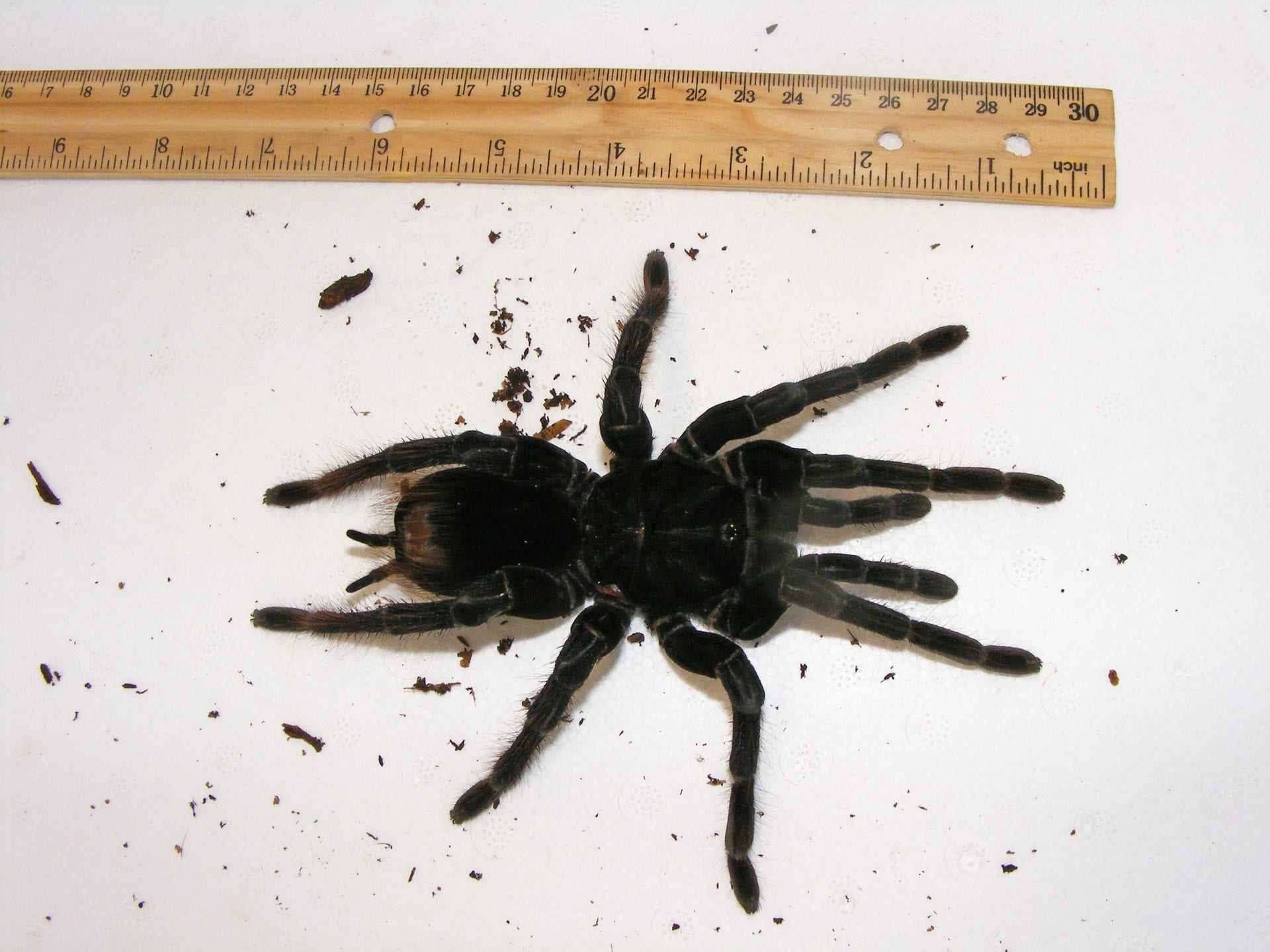
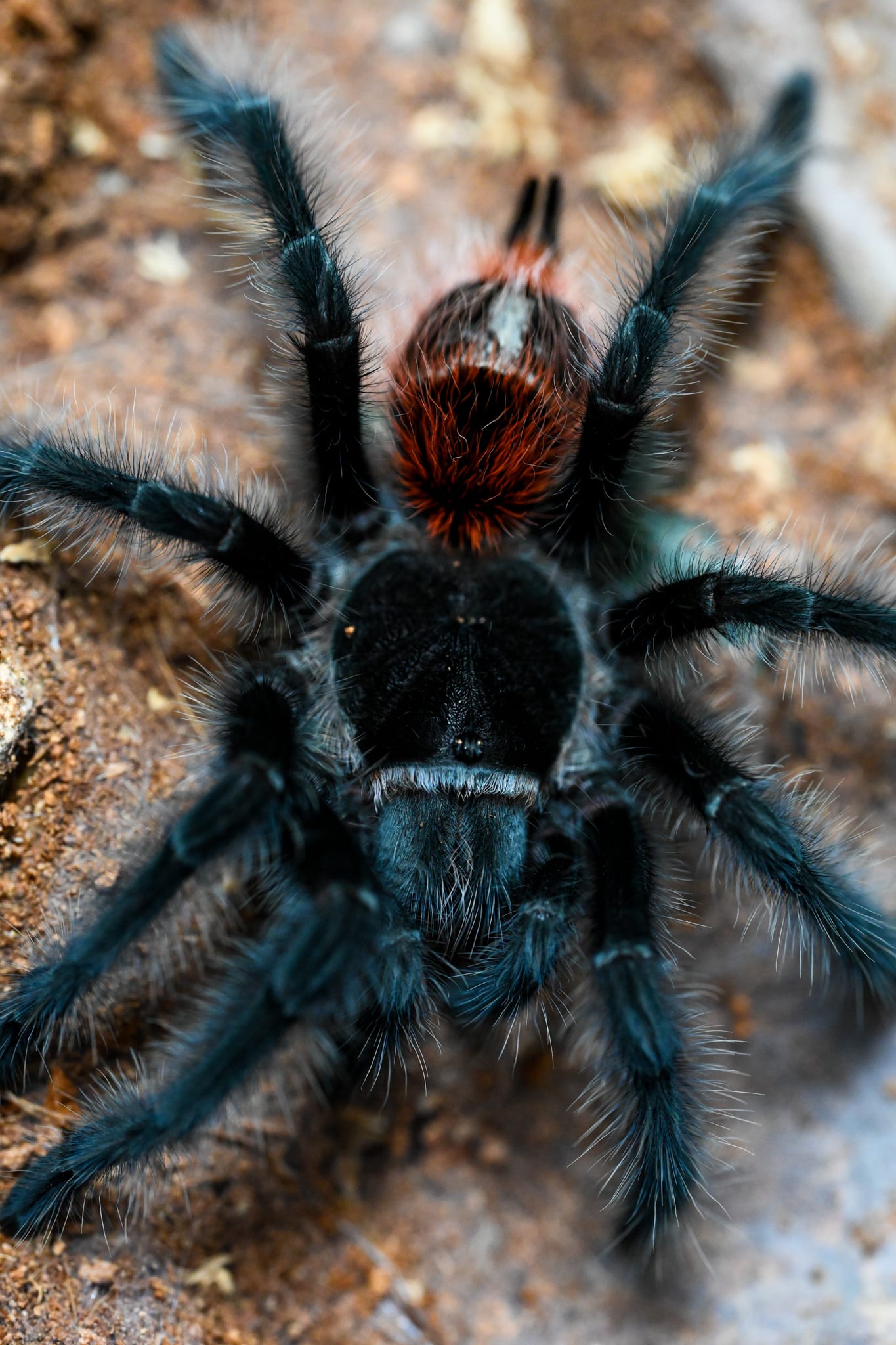
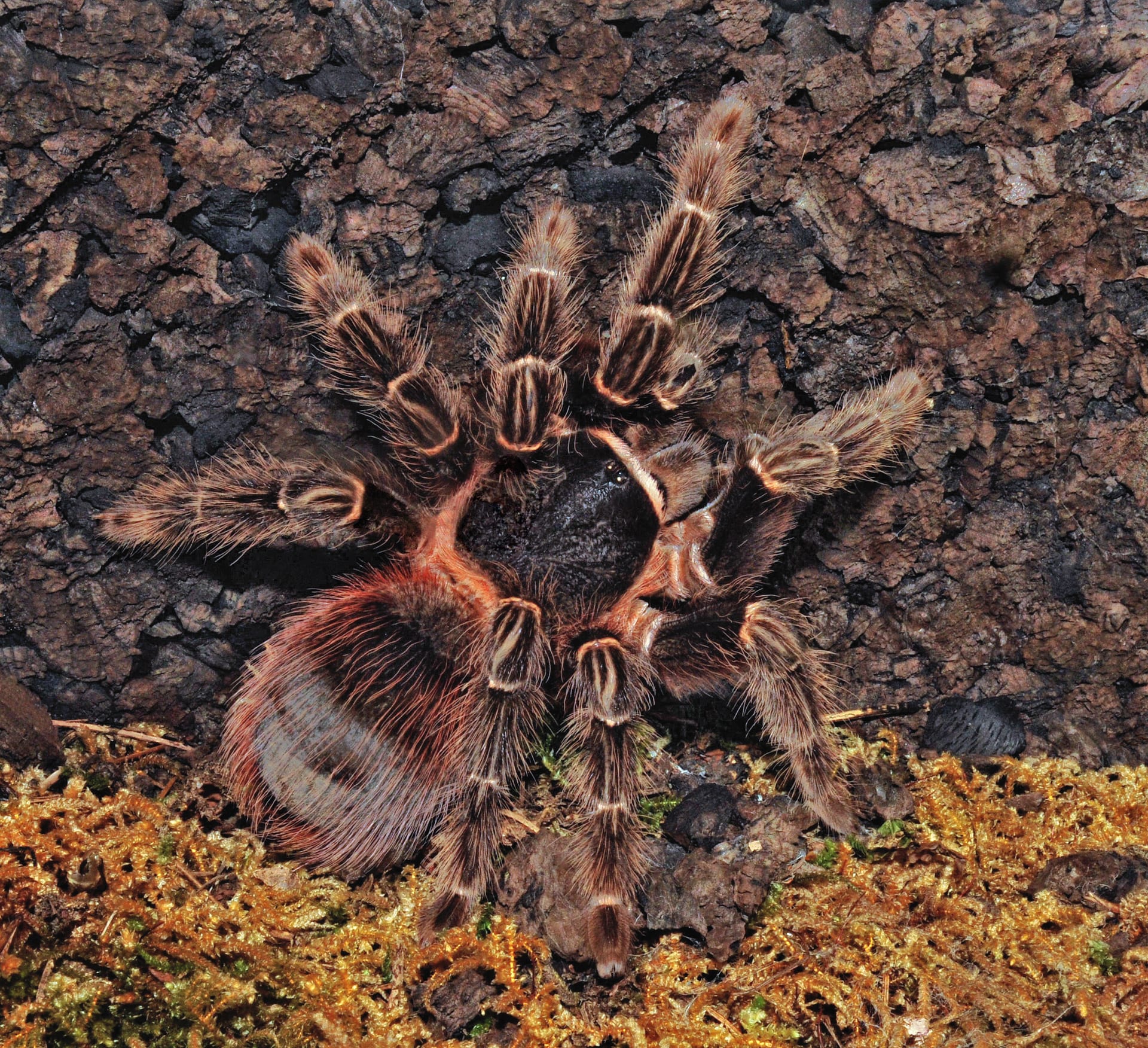
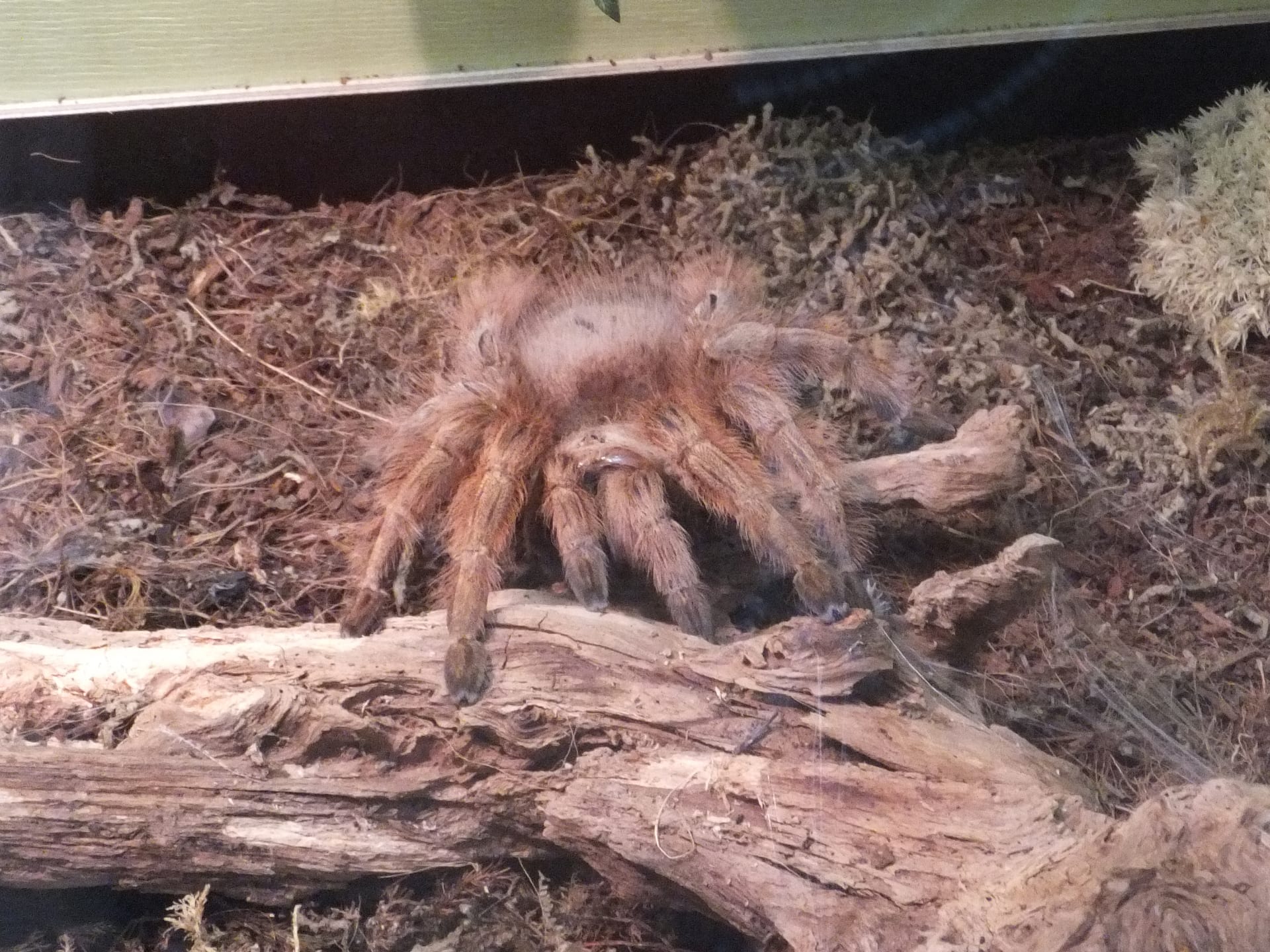
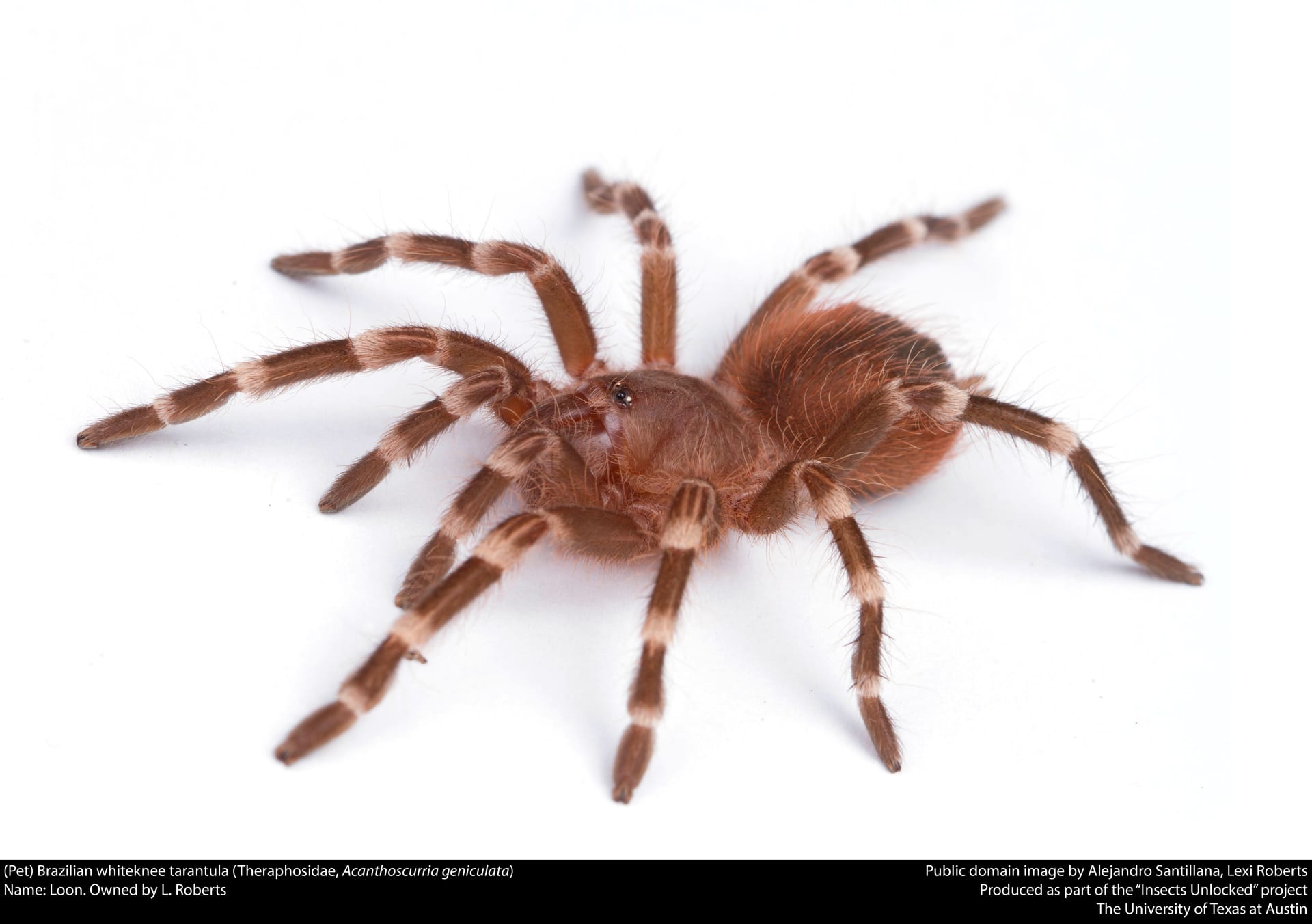
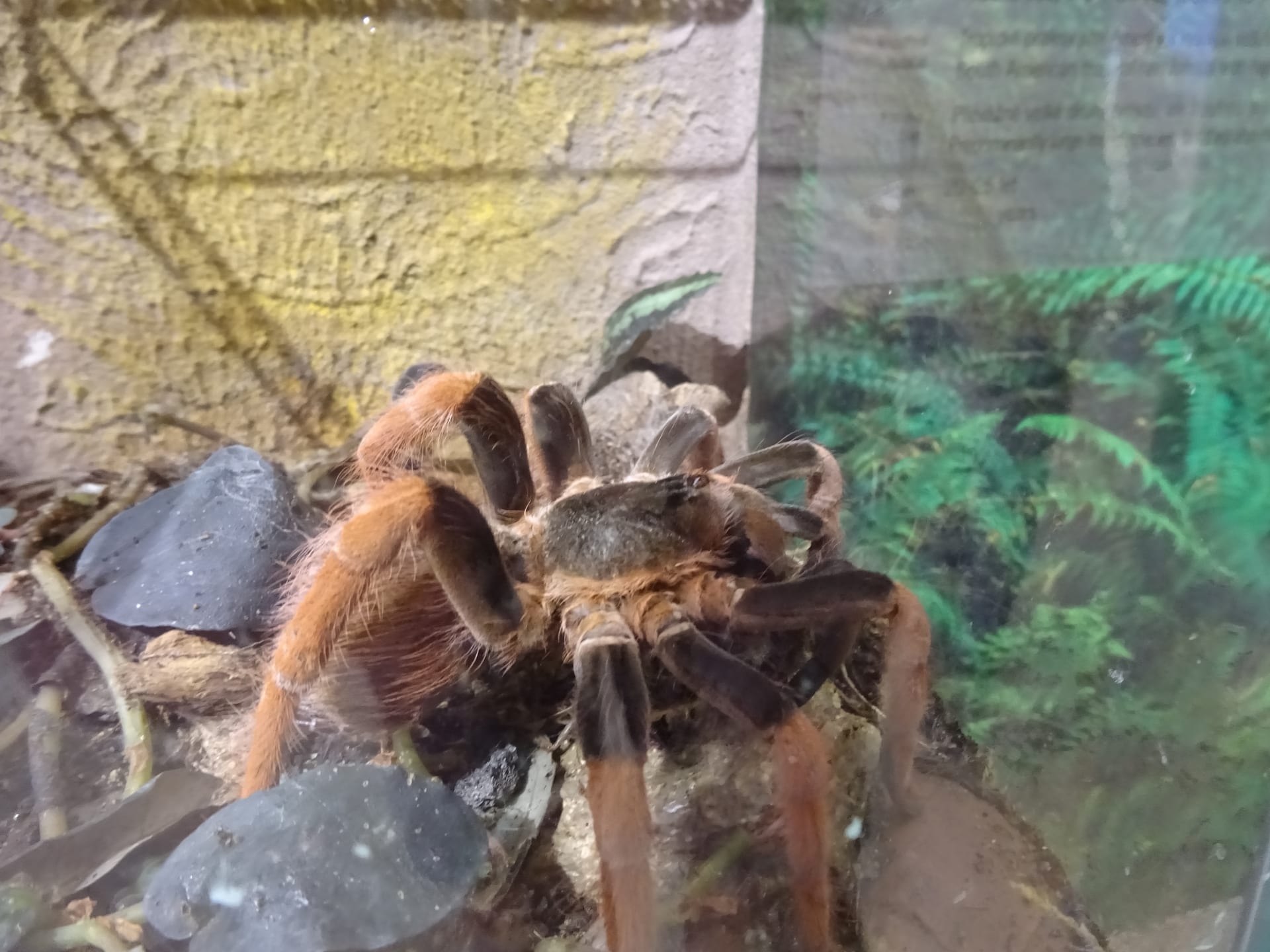
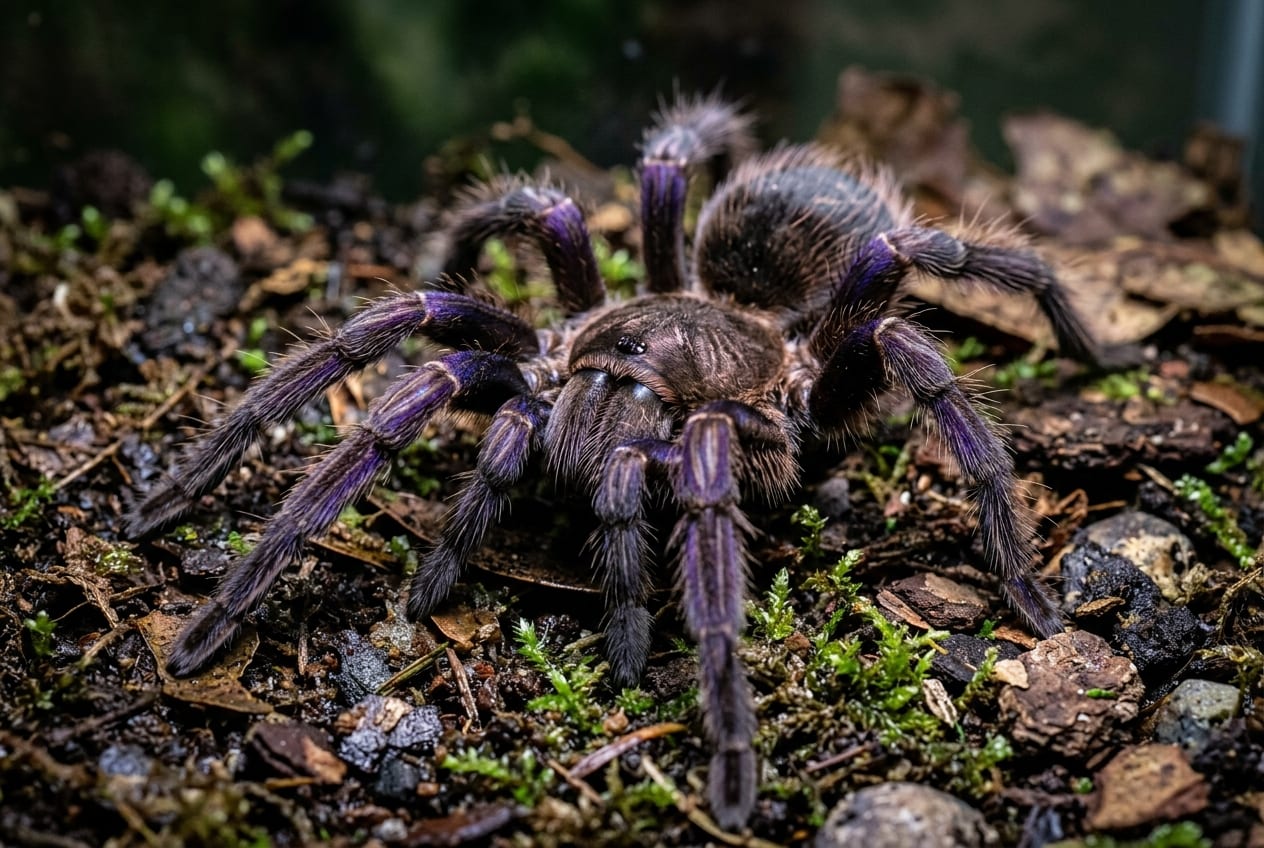
A large terrestrial tarantula, brownish black to blue-black, sometimes with a violet sheen on the legs. It is the type species of Pamphobeteus and reaches a leg span of about 25cm. Juveniles show a red and black pattern on the abdomen.
Difficulty
Intermediate
Lifespan
Females 10-15 years
Size
Body 7-8cm, leg span about 25cm
Diet
Large live insects such as crickets and roaches
About
Pamphobeteus nigricolor was described by Ausserer in 1875 as Lasiodora nigricolor and moved by Pocock in 1901 to the genus Pamphobeteus, of which it is the type species. It occurs in rainforest from Ecuador, Colombia, Bolivia and Peru as far as Amazonas state in Brazil. It has stridulatory organs on the third and fourth pairs of legs and defends itself by flicking urticating hairs. It digs silk-lined burrows on the ground and will also adopt existing cavities. Although nocturnal, it also leaves its retreat by day to hunt. When disturbed it first tries to flee, but if pressed it responds with a threat posture, stridulation and then a barrage of urticating hairs. Juveniles have a red abdomen with a black christmas-tree marking down the centre, a feature shared with related species and therefore not diagnostic. Females live 10-15 years.
Source: Wikipedia (CC BY-SA 4.0)
Lifespan of the Common Pink Bloom
The Common Pink Bloom lives Females 10-15 years.
Size of the Common Pink Bloom
The Common Pink Bloom grows to Body 7-8cm, leg span about 25cm.
It is a large species with a body length of 7-8cm and a leg span of about 25cm, brownish black to blue-black, sometimes with a violet sheen on the legs.
Basic Info
Origin
Rainforest in northwestern South America (Ecuador, Colombia, Bolivia, Peru and as far as Amazonas state in Brazil)
Lifespan
Females 10-15 years
Size
Care Specifications
Semi-aggressiveSolitary
Sources: German Wikipedia: Pamphobeteus nigricolor / Wikipedia: Pamphobeteus nigricolor / GBIF
References & Sources
Edited & verified by: BreederDirect editorial team
The taxonomic, regulatory, and husbandry data on this page are compiled and verified against the authoritative primary sources below.
Taxonomy & Authority
Accepted name: Pamphobeteus nigricolor (Ausserer, 1875)
Synonyms: Lasiodora nigricolor Ausserer, 1875
Authority databases: GBIF
Nomenclature follows global taxonomic authority databases.
Regulations & Conservation Status
Not CITES-listed
Sources: CITES Appendices (species not listed)
Regulations may change. Always verify the latest information with the relevant authorities.
Common Pink Bloom Listings
Loading latest listingsFind listings for this species