Source: Wikimedia Commons
Entre Rios Tarantula
IntermediateGrammostola iheringi
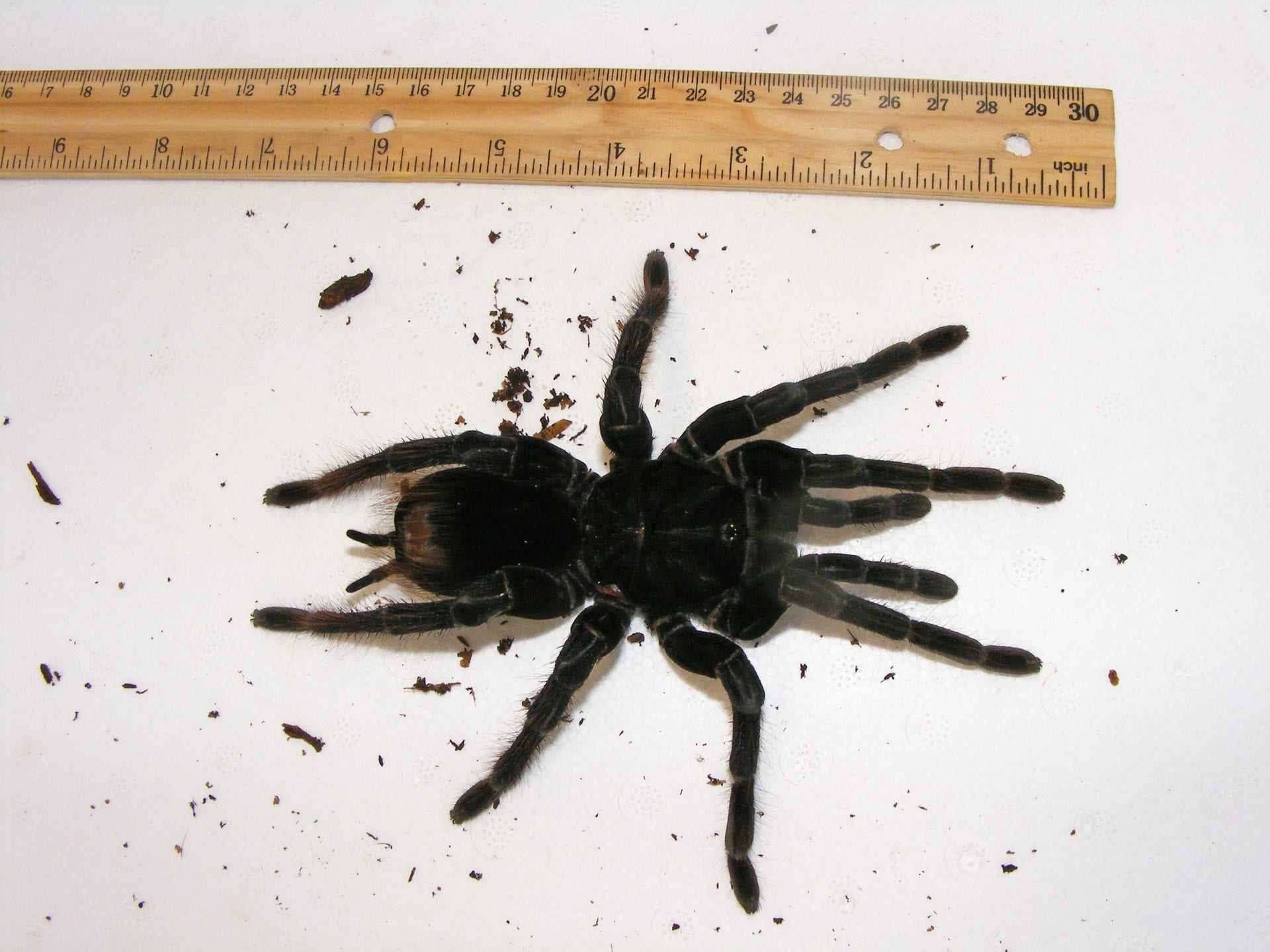
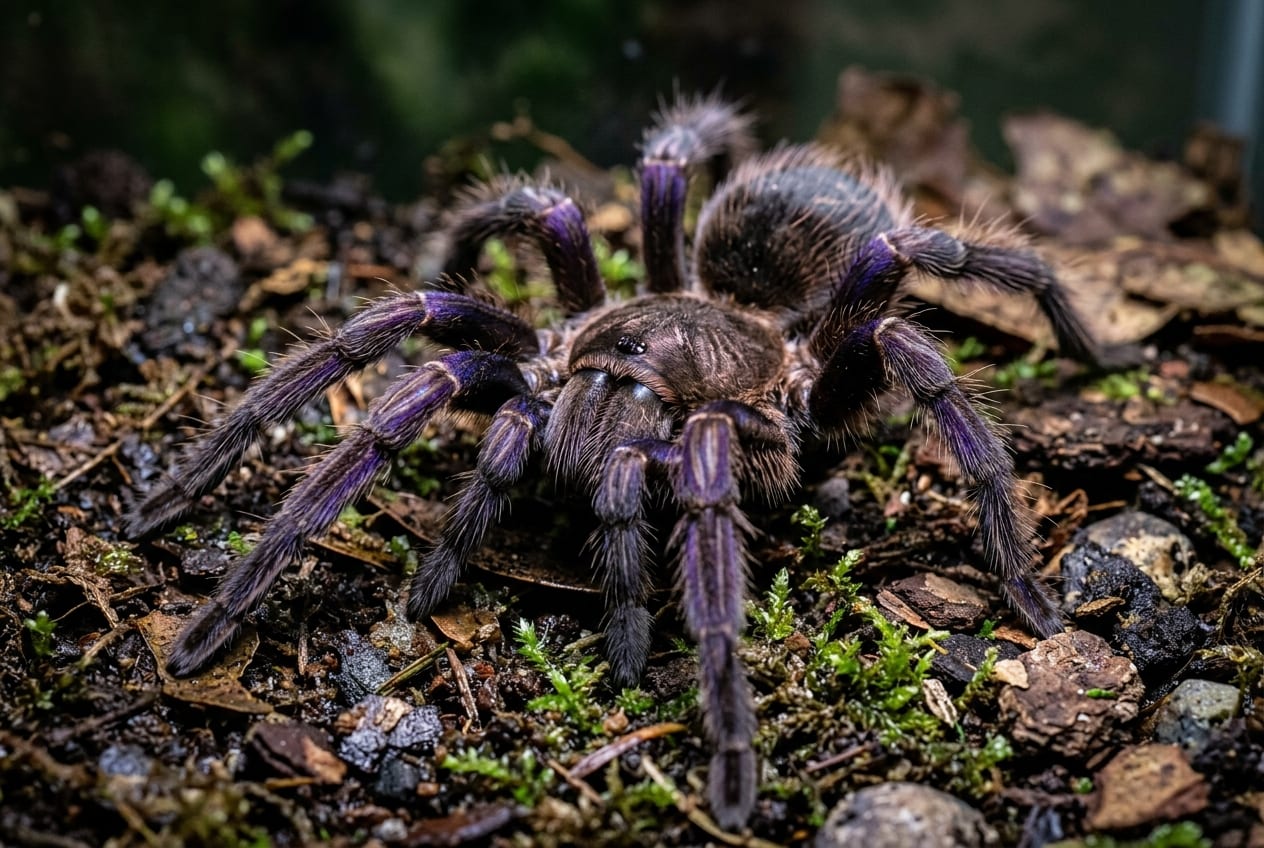
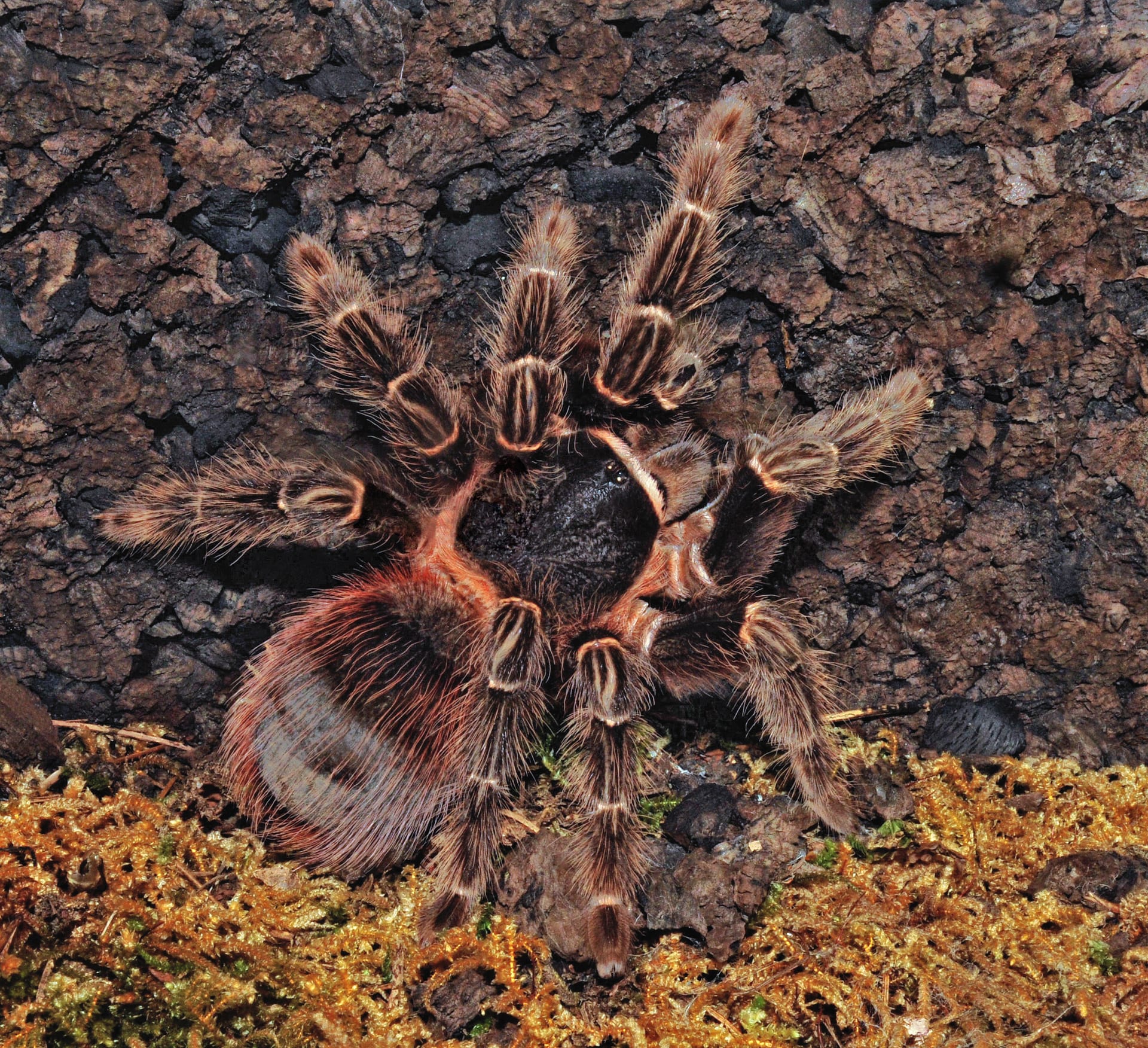
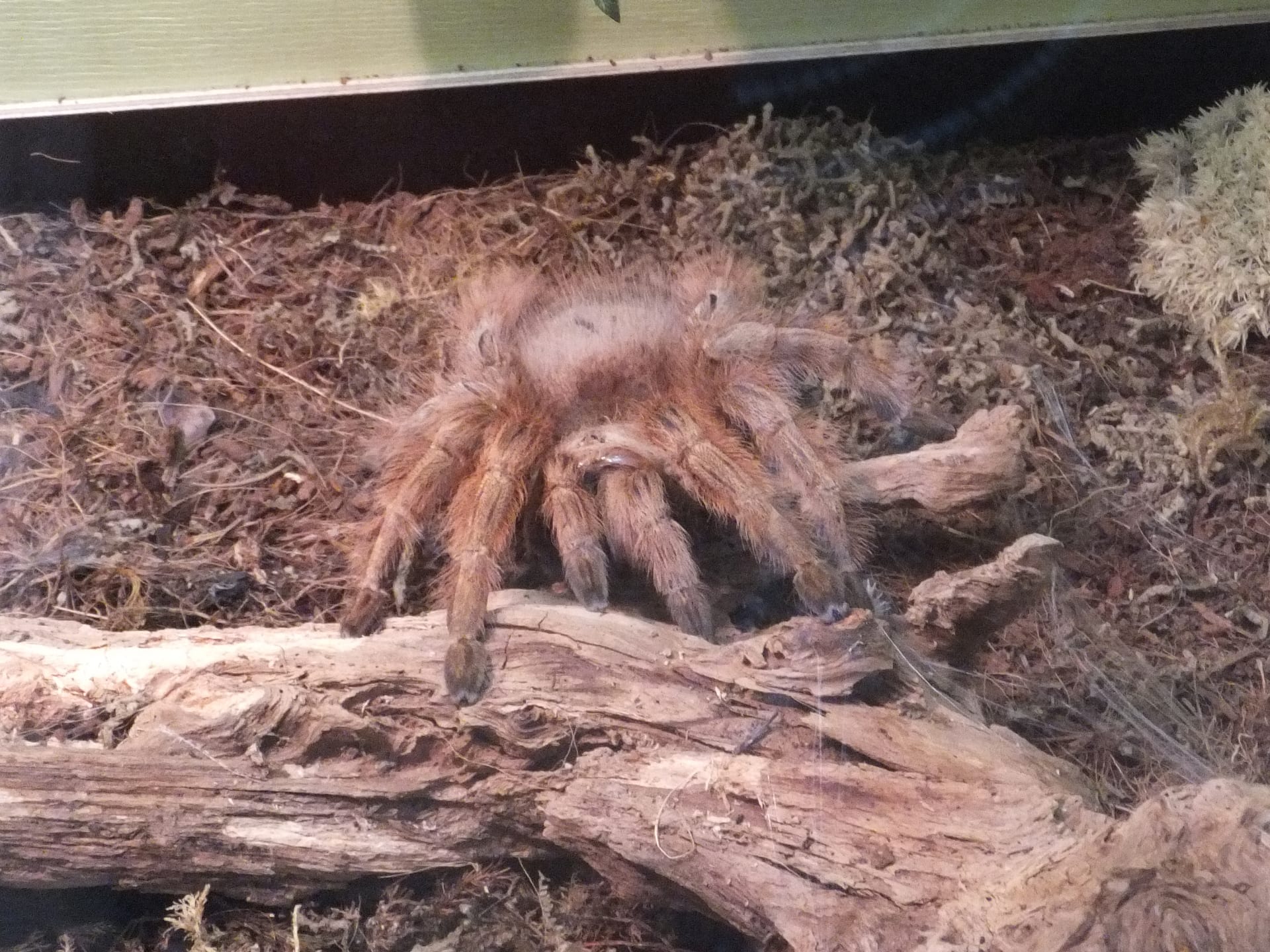
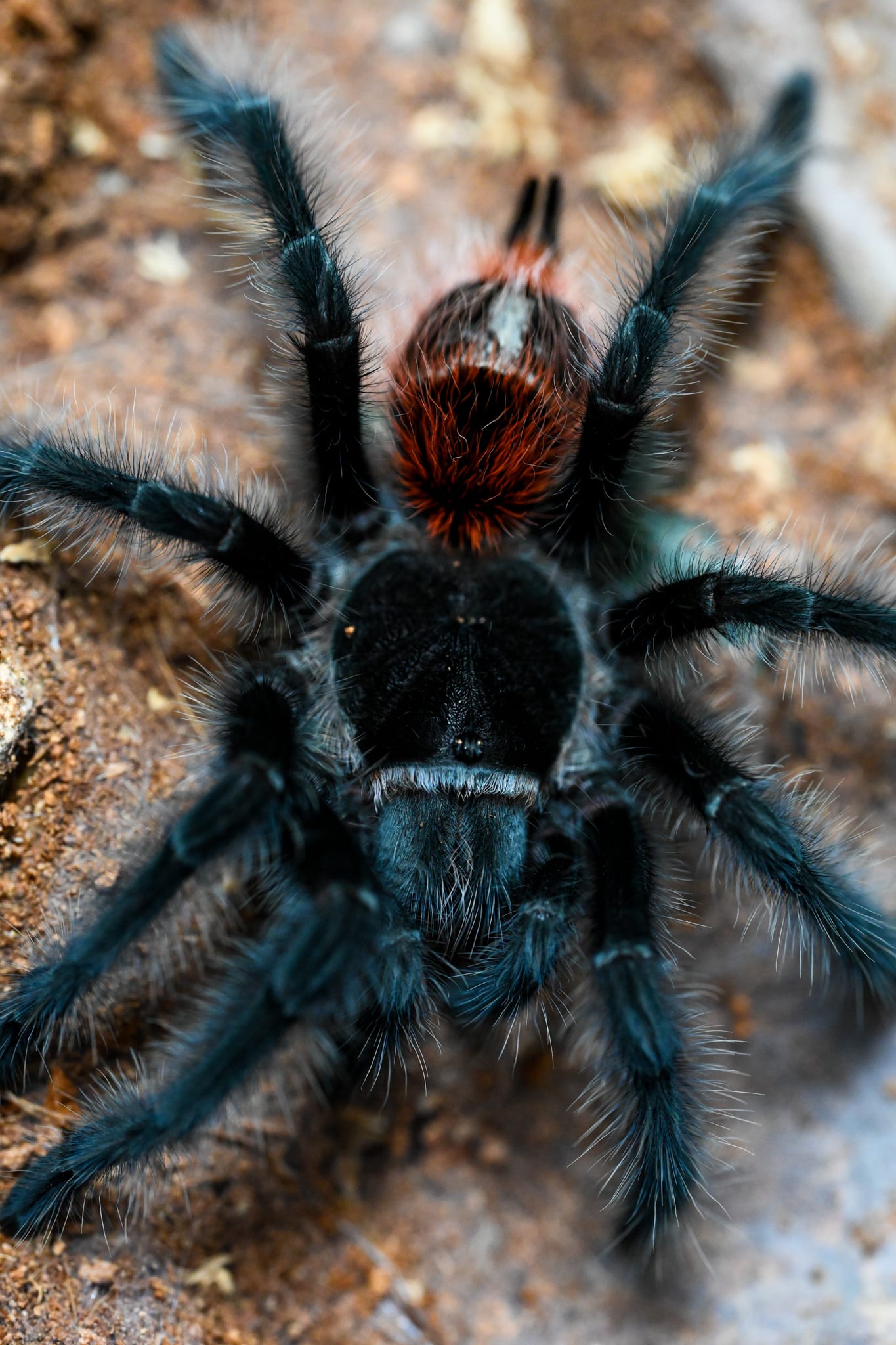
Regarded as the largest species in Grammostola. It has velvety black legs with a bluish cast, a black carapace edged in orange and a dark red abdomen. Unusually for the genus it is active and fast.
Difficulty
Intermediate
Temperature
22〜26℃
Lifespan
Females over 20 years
Size
18-23cm leg span
Humidity
70〜80%
Diet
Live insects such as crickets and roaches
About
Grammostola iheringi, described by Keyserling in 1891, is a large terrestrial tarantula regarded as the biggest in its genus. Its velvety black legs carry a faint bluish cast, the black carapace is edged in orange and the abdomen is dark red. It is leggier than its congeners and looks different from the outset. Its temperament is also an outlier: keepers used to the placid G. rosea or G. pulchripes are often caught off guard. It is fast and skittish and will sometimes adopt a defensive posture. Its appetite is voracious, and it stalks and charges prey rather than ambushing it. Growth is moderate by the standards of the genus, and females live over twenty years. Care is straightforward, requiring dry substrate, a large water dish and a hide. A toxin named Gitx1 has been isolated from its venom, but the species is not considered dangerous to people.
Source: Wikipedia (CC BY-SA 4.0)
Lifespan of the Entre Rios Tarantula
The Entre Rios Tarantula lives Females over 20 years.
Size of the Entre Rios Tarantula
The Entre Rios Tarantula grows to 18-23cm leg span.
Temperature & humidity for the Entre Rios Tarantula
The ideal temperature for the Entre Rios Tarantula is 22〜26℃. Ideal humidity is 70〜80%.
Basic Info
Origin
Brazil and Uruguay
Lifespan
Females over 20 years
Care Specifications
Semi-aggressiveSolitary
Sources: The Spider Shop: Grammostola iheringi / Tom's Big Spiders: Grammostola iheringi (Entre Rios) / Wikipedia: Grammostola iheringi / Tarantupedia: Grammostola iheringi / GBIF
References & Sources
Edited & verified by: BreederDirect editorial team
The taxonomic, regulatory, and husbandry data on this page are compiled and verified against the authoritative primary sources below.
Taxonomy & Authority
Accepted name: Grammostola iheringi (Keyserling, 1891)
Synonyms: Eurypelma iheringii
Authority databases: GBIF
Nomenclature follows global taxonomic authority databases.
Regulations & Conservation Status
Not CITES-listed
Sources: CITES Appendices (species not listed)
Regulations may change. Always verify the latest information with the relevant authorities.
Entre Rios Tarantula Listings
Loading latest listingsFind listings for this species