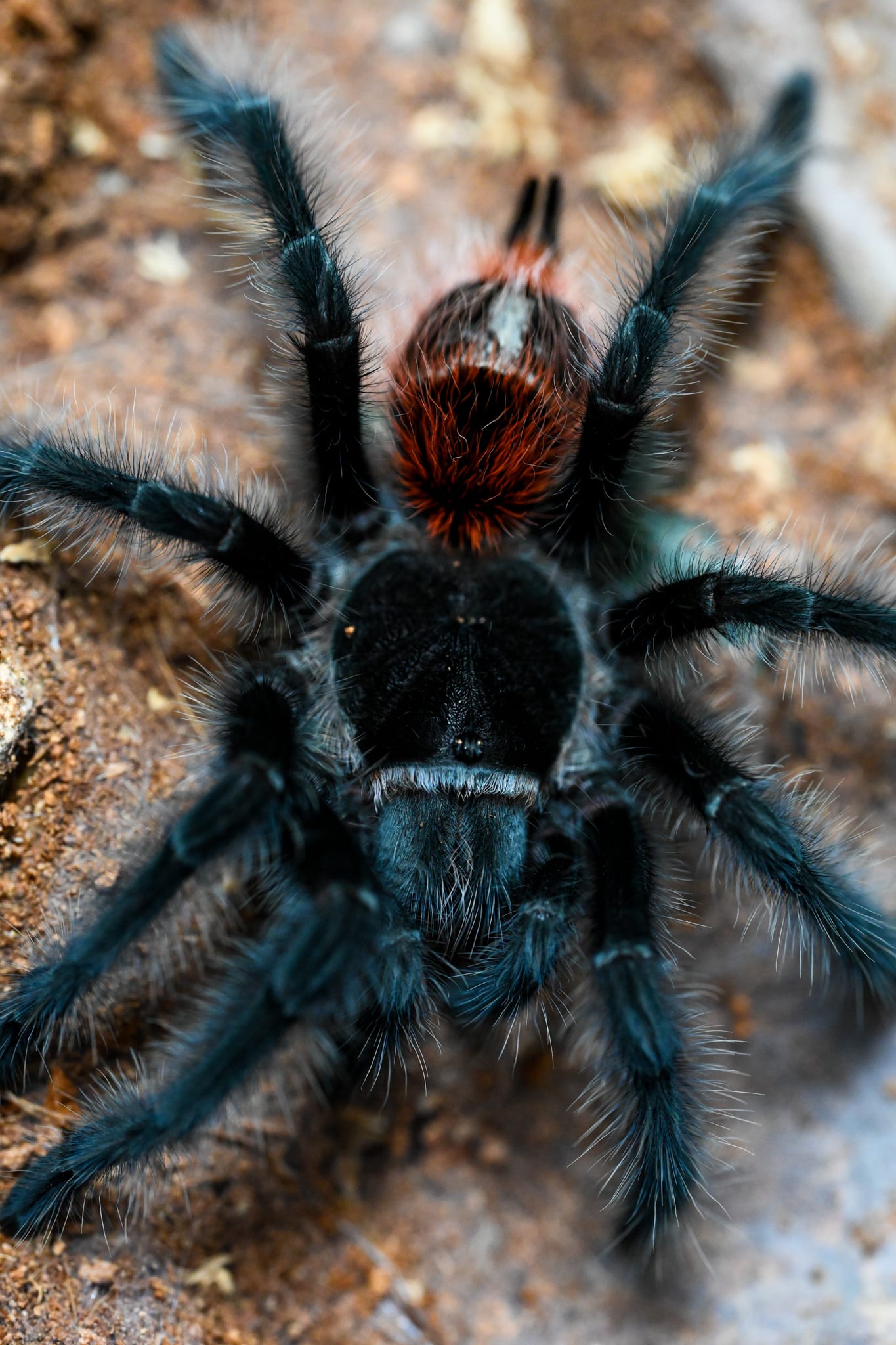
 © Burntclaw15 / CC BY 4.0
Entre Rios Tarantula
The Entre Rios Tarantula is a striking spider considered one of the largest species in the genus Grammostola. Its bluish-black velvety legs, orange-rimmed black carapace, and dark reddish abdomen make for a dramatic look. Unlike many of its slower relatives, it is unusually active and quick-moving, giving keepers more to observe than a typically sedentary tarantula. Suited to keepers with some prior experience, females can live 20 years or more, making this a long-term companion for those ready to move beyond beginner species.
View Entre Rios Tarantula encyclopedia →0% commission on your first sales!Register by September 30, 2026 and your first 2 sales are commission-free!
Breeder Wanted!
List on BreederDirect and sell directly to customers nationwide!
5 Transparency Standards You Can Trust
When listing Exotic Invertebrates, Breeders disclose the following. We guarantee transparency on growth stage and breeding unit.
- Real Photos
- Breeding Unit
- Generation Info
- Body Length (mm)
- Country of Origin
Browse all 249 breeds
Verified breeders wanted for Exotic Invertebrates
Breeders are signing up now ahead of launch. Subscribe to be notified when new listings go live.
Getting alerts is free with a member account. When new listings match your saved search, we'll notify you by email and in-app.
Browse other categories
Verified breeders (preview)
Are you raising exotic invertebrates?
Register as a breeder and connect with buyers directly.
Apply as a breederAbout Entre Rios Tarantula
The Entre Rios Tarantula is one of the largest Grammostola species, known for velvety black legs and unusually active movement. A guide for intermediate keepers.
7 things to know before welcoming a Entre Rios Tarantula
1Provide Ample Enclosure Space
As an adult, this species reaches a leg span of 18–23cm, so plan for an enclosure with room to grow. Since it is a ground-dwelling species, prioritize floor space over height when setting up the habitat.
2Be Aware of Its Quick Movements
This species is unusually active and fast-moving for its genus. It may dart unexpectedly when the enclosure is opened for maintenance, so handle access carefully, especially before you're familiar with its behavior.
3Intermediate Care Level
This species is classified as suitable for keepers with some prior experience rather than absolute beginners. It's best to have some familiarity with temperature and humidity management before taking one on.
4Plan for a Long-Term Commitment
Females are known to live 20 years or more, making this a remarkably long-lived pet. Before bringing one home, consider whether your living situation can accommodate such a long-term commitment.
5Minimize Disturbance Around Molting
As with tarantulas generally, this species becomes especially delicate before and after molting. If you notice signs like reduced appetite or sluggish movement, hold off on feeding or disturbing the enclosure.
6Keep Individually
Tarantulas are territorial and pose a cannibalism risk to one another, so they should be kept one per enclosure. If you want to keep multiple individuals, prepare a separate enclosure for each.
7Research Before You Bring One Home
While its coloring and activity level are major draws, the same quickness can make handling and maintenance trickier than with calmer species. It's worth picturing your daily care routine in advance to make sure it fits comfortably into your life.
Frequently asked questions about Entre Rios Tarantula
- Q.Is this species suitable for first-time tarantula keepers?
- A.This species is classified as suitable for intermediate keepers. It's best suited to those with some prior tarantula-keeping knowledge and experience, and may be more challenging as a first tarantula.
- Q.I've heard it's fast-moving — is that dangerous?
- A.It is unusually active and quick-moving for its genus, but this doesn't indicate danger. It may move unexpectedly when the enclosure is opened, so it's important to work calmly and carefully until you're used to its behavior.
- Q.How large does it grow?
- A.Adults reach a leg span of about 18–23cm. As one of the largest species in the genus Grammostola, you'll need to plan for an enclosure sized for its eventual growth.
- Q.How long does it live?
- A.Females are reported to live 20 years or more, making this a very long-lived species. Since keeping one is a long-term commitment, it's worth weighing this against your own life plans before bringing one home.
- Q.Is this species subject to any regulations?
- A.This species is not subject to CITES.
Learn more about Entre Rios Tarantula in the encyclopedia
View Entre Rios Tarantula encyclopedia entry →
Care difficulty, lifespan, size and diet — all basics covered.
More in this category
Can't find the one you're looking for?
Post your wishes for free and breeders with matching animals will contact you with introductions.