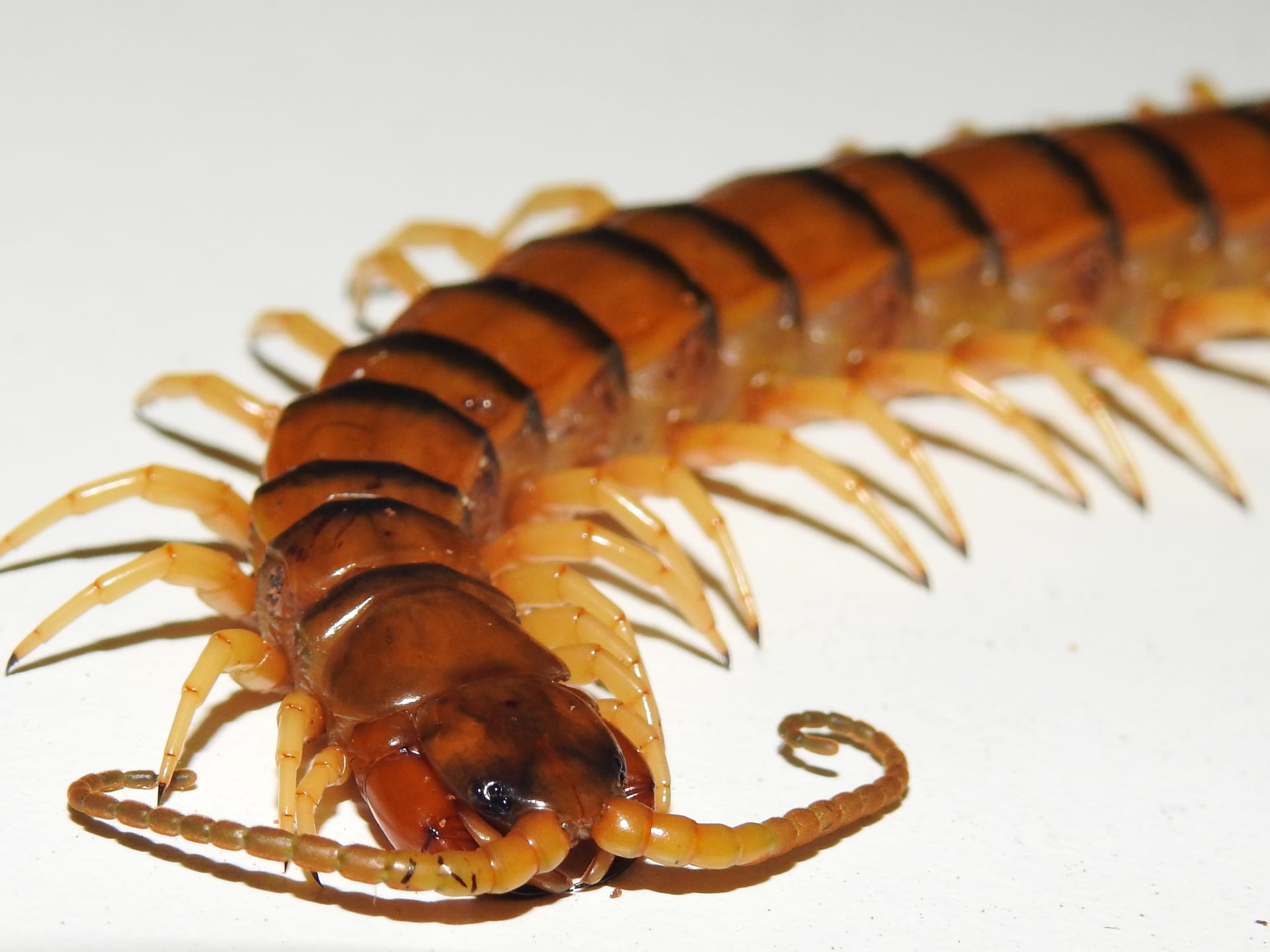
 © Jackson Nugent / CC BY 2.0
Giant Ethmostigmus Centipede
The Giant Ethmostigmus Centipede is a large member of the Scolopendrinae subfamily, native across a wide range from Australia to Southeast Asia. Individual coloration varies widely between brown, green, orange, and yellow, and the bright yellow legs paired with long antennae make it a striking species to watch. It's a hardy animal that tolerates both dry and humid conditions well, which makes day-to-day care more forgiving. Adults can reach up to 16cm, giving it real visual presence in an enclosure. Considered an intermediate-level species, it's a natural next step for keepers who already have some centipede-keeping experience.
View Giant Ethmostigmus Centipede encyclopedia →0% commission on your first sales!Register by September 30, 2026 and your first 2 sales are commission-free!
Breeder Wanted!
List on BreederDirect and sell directly to customers nationwide!
5 Transparency Standards You Can Trust
When listing Exotic Invertebrates, Breeders disclose the following. We guarantee transparency on growth stage and breeding unit.
- Real Photos
- Breeding Unit
- Generation Info
- Body Length (mm)
- Country of Origin
Browse all 249 breeds
Verified breeders wanted for Exotic Invertebrates
Breeders are signing up now ahead of launch. Subscribe to be notified when new listings go live.
Getting alerts is free with a member account. When new listings match your saved search, we'll notify you by email and in-app.
Browse other categories
Verified breeders (preview)
Are you raising exotic invertebrates?
Register as a breeder and connect with buyers directly.
Apply as a breederGiant Ethmostigmus Centipede key facts
- Care level
- Intermediate
- Lifespan
- 5-7 years
- Size
- Up to 16cm
- Temperature
- 23〜29℃
- Humidity
- 50%
- Diet
- Crickets, dubia roaches and other insects
- Temperature & Humidity
- 23-29 C (26 C as base) and humidity above 50%. Tolerates dry and moist conditions, but keep the substrate moist.
- Enclosure
- A lidded enclosure with coco fibre, a bark hide and a shallow water dish.
- Diet & Feeding
- Crickets or dubia once or twice a week. In the wild it also eats snails and worms.
- Temperament & Venom
- Bites if disturbed and the pain can last for days. Do not handle.
- Notes
- House singly. Southeast Asian stock is usually sold as young animals of 6-12 cm.
About Giant Ethmostigmus Centipede
A large Scolopendrinae centipede native from Australia to Southeast Asia, with brown, green, orange, or yellow coloration and distinctive yellow legs. Hardy in both dry and humid conditions, reaching up to 16cm; suited to intermediate keepers.
7 things to know before welcoming a Giant Ethmostigmus Centipede
1Highly Variable Coloration
This species shows wide individual variation in body color, ranging from brown and green to orange and yellow. Checking the specific individual's coloration before bringing it home helps avoid surprises later.
2Tolerates Both Dry and Humid Setups
This species handles both dry and humid conditions well, but sudden environmental swings can still stress it. Keep substrate moisture consistent and use a well-ventilated enclosure.
3Best Suited to Intermediate Keepers
This is a species for keepers already familiar with centipede basics — handling around its venomous bite, escape prevention, and feeding management. First-time centipede keepers may want to start with an easier species.
4A Large Species Up to 16cm
Adults can grow to roughly 16cm, making this a sizeable centipede. Choose an enclosure with enough floor space and a secure, escape-proof lid.
5Notable Legs and Antennae
The yellow legs and long antennae make watching this centipede forage and move a rewarding part of keeping it. Because of the risk of a venomous bite, handling should generally be avoided — use tools instead.
6House Individually
Centipedes carry a risk of cannibalism, so this species should be kept singly rather than in groups. Prepare a separate enclosure for each individual before bringing them home.
7Prepare the Setup in Advance
Have a temperature- and humidity-controlled enclosure, substrate with hiding spots, and feeding tools ready before arrival. Give the centipede time to settle in once it arrives.
Frequently asked questions about Giant Ethmostigmus Centipede
- Q.Can beginners keep a Giant Ethmostigmus Centipede?
- A.This species is considered intermediate-level. It's best suited to keepers who already understand the basics of centipede care.
- Q.Is its bite dangerous?
- A.Like other centipedes, it has venom that can cause pain and swelling if it bites. Avoid handling it by hand and use tools instead.
- Q.How much does coloration vary?
- A.Individuals can range from brown and green to orange and yellow. This variation is part of what makes each individual distinctive.
- Q.How large does it grow?
- A.Adults can reach up to about 16cm, making it a fairly large centipede. Make sure the enclosure provides enough space.
- Q.Can multiple individuals be kept together?
- A.Because centipedes carry a risk of cannibalism, single housing is generally recommended. Provide a separate enclosure for each individual.
Learn more about Giant Ethmostigmus Centipede in the encyclopedia
View Giant Ethmostigmus Centipede encyclopedia entry →
Care difficulty, lifespan, size and diet — all basics covered.
More in this category
Can't find the one you're looking for?
Post your wishes for free and breeders with matching animals will contact you with introductions.