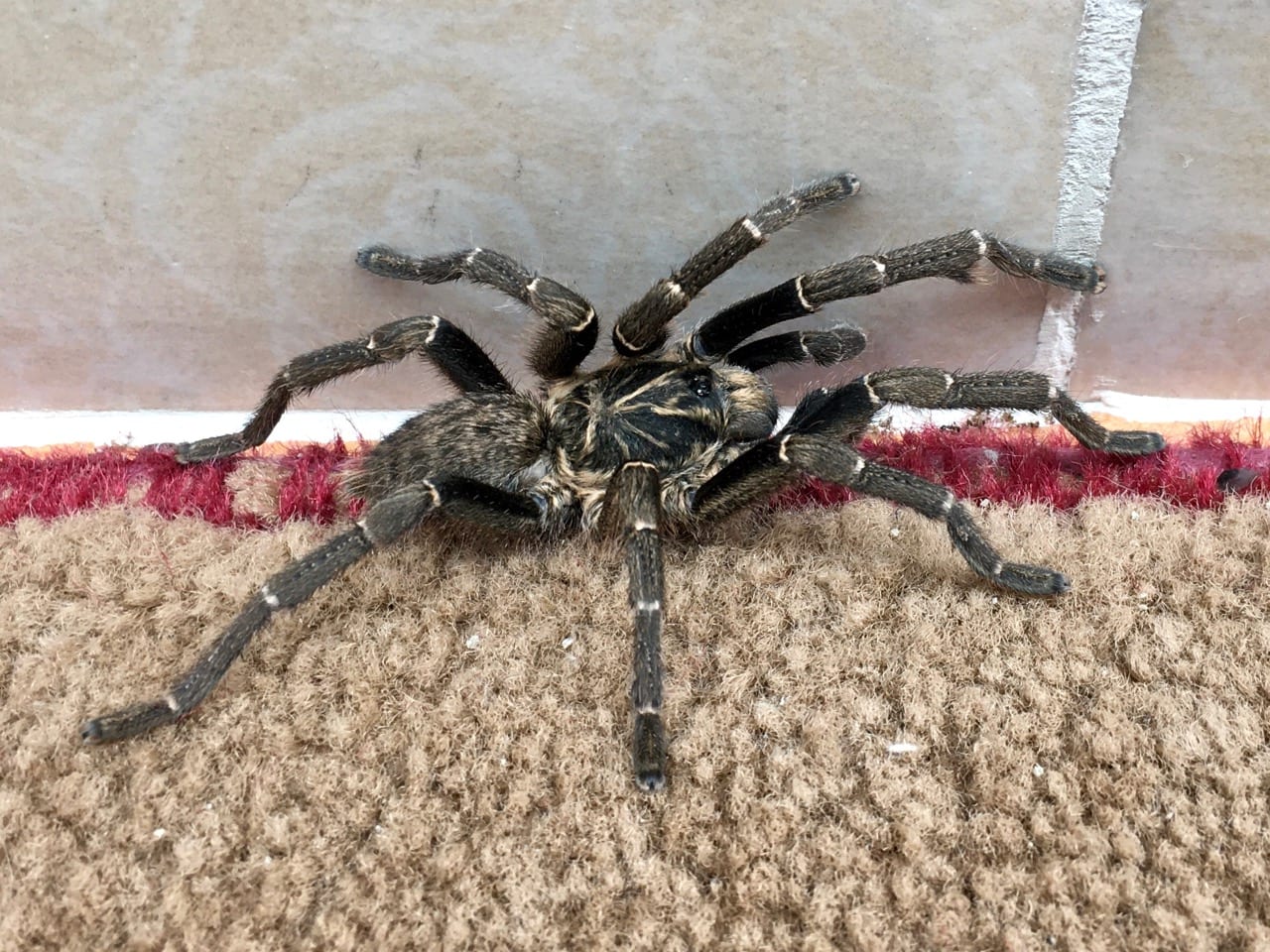
 © ChriKo / CC BY-SA 4.0
Kilimanjaro Mustard Baboon
The Kilimanjaro Mustard Baboon is a fossorial tarantula native to East Africa. Juveniles display a golden-brown coloration that gradually shifts to a muted gray with each successive molt, a transformation that makes watching them grow especially rewarding. They tend to be skittish and highly alert, bolting quickly when startled, so handling calls for care. As a burrowing species, they need deep substrate and a secure hide to feel settled. Combining visual appeal with a more demanding temperament, this species is generally considered suitable for keepers with some prior tarantula experience rather than absolute beginners.
View Kilimanjaro Mustard Baboon encyclopedia →0% commission on your first sales!Register by September 30, 2026 and your first 2 sales are commission-free!
Breeder Wanted!
List on BreederDirect and sell directly to customers nationwide!
BreederDirect's 5 Transparency Commitments
When listing Exotic Invertebrates, Breeders disclose the following. We guarantee transparency on growth stage and breeding unit.
- Real Photos
- Breeding Unit
- Generation Info
- Body Length (mm)
- Country of Origin
Browse all 286 breeds
Verified breeders wanted for Exotic Invertebrates
Breeders are signing up now ahead of launch. Subscribe to be notified when new listings go live.
Getting alerts is free with a member account. When new listings match your saved search, we'll notify you by email and in-app.
Browse other categories
Verified breeders (preview)
Are you raising exotic invertebrates?
Register as a breeder and connect with buyers directly.
Apply as a breederKilimanjaro Mustard Baboon key facts
- Care level
- Intermediate
- Lifespan
- Females 12-15 years / males 3-4 years
- Size
- Body 3.9-5.4cm (female), leg span 14-15cm
- Temperature
- 24〜28℃
- Humidity
- 50〜60%
- Diet
- Live insects such as crickets and roaches
- Temperature & Humidity
- Aim for 24-28C and 50-60% humidity, keeping it on the dry side to match the East African savanna climate.
- Enclosure
- Provide deep diggable substrate with cork bark to start a burrow, a permanent water dish and good ventilation.
- Diet & Feeding
- Offer live crickets and roaches. Prey is dragged into the burrow, so remove leftovers within a day.
- Temperament & Venom
- Less aggressive than its congeners but very nervous and prone to bolting. A bite is not dangerous but is extremely painful, so it is not handled.
- Notes
- Juveniles and adults differ greatly in colour, so do not mistake the golden brown of a juvenile for a different species.
About Kilimanjaro Mustard Baboon
An East African fossorial tarantula whose juveniles are golden-brown and mature to gray. Skittish and fast-moving, best suited to keepers with some experience.
7 things to know before welcoming a Kilimanjaro Mustard Baboon
1Deep substrate for a burrowing species
This species digs and lives in burrows, so it needs a cage with plenty of substrate depth. Providing a starter hide helps encourage natural burrowing behavior.
2Skittish and quick to flee
They are sensitive to noise and vibration and can dart away very quickly when startled. Move slowly when opening the enclosure or handling maintenance tasks, and stay alert to prevent escapes.
3Coloration shifts as they grow
Juveniles start out golden-brown and gradually turn gray with successive molts. Watching this color change unfold is one of the distinct pleasures of keeping this species.
4Avoid direct handling
Given its skittish, fast-moving nature, direct handling is not recommended. Use tools such as tongs for maintenance and keep a comfortable distance to avoid stressing the animal.
5An intermediate-level species
This species is generally rated as suitable for intermediate keepers. It's best suited to those already comfortable with tarantula care basics such as temperature and humidity management, feeding, and handling molts.
6Know the adult size
Adult females reach a body length of about 3.9–5.4 cm with a leg span of roughly 14–15 cm. Choose an enclosure size with this eventual size in mind.
7Prepare the setup before bringing one home
Substrate depth for burrowing, a hide, and appropriate temperature and humidity should all be set up before the animal arrives. Having the environment ready in advance reduces stress on the new arrival.
Frequently asked questions about Kilimanjaro Mustard Baboon
- Q.Is the Kilimanjaro Mustard Baboon suitable for beginners?
- A.It is generally rated as an intermediate-level species. Given its skittish, fast-moving temperament, it's best approached after gaining some prior tarantula-keeping experience.
- Q.Why does its coloration change over time?
- A.Juveniles start out golden-brown, and their coloration gradually shifts to gray with each molt. This is a natural part of the species' growth process.
- Q.Can this tarantula be handled?
- A.Direct handling is not recommended due to its skittish, fast-moving nature. Using tools such as tongs for maintenance is the safer approach.
- Q.How large does it grow as an adult?
- A.Adult females reach a body length of about 3.9–5.4 cm, with a leg span of roughly 14–15 cm.
- Q.Is this species subject to any regulations?
- A.This species is not subject to CITES.
Learn more about Kilimanjaro Mustard Baboon in the encyclopedia
View Kilimanjaro Mustard Baboon encyclopedia entry →
Care difficulty, lifespan, size and diet — all basics covered.
More in this category
Can't find the one you're looking for?
Post your wishes for free and breeders with matching animals will contact you with introductions.