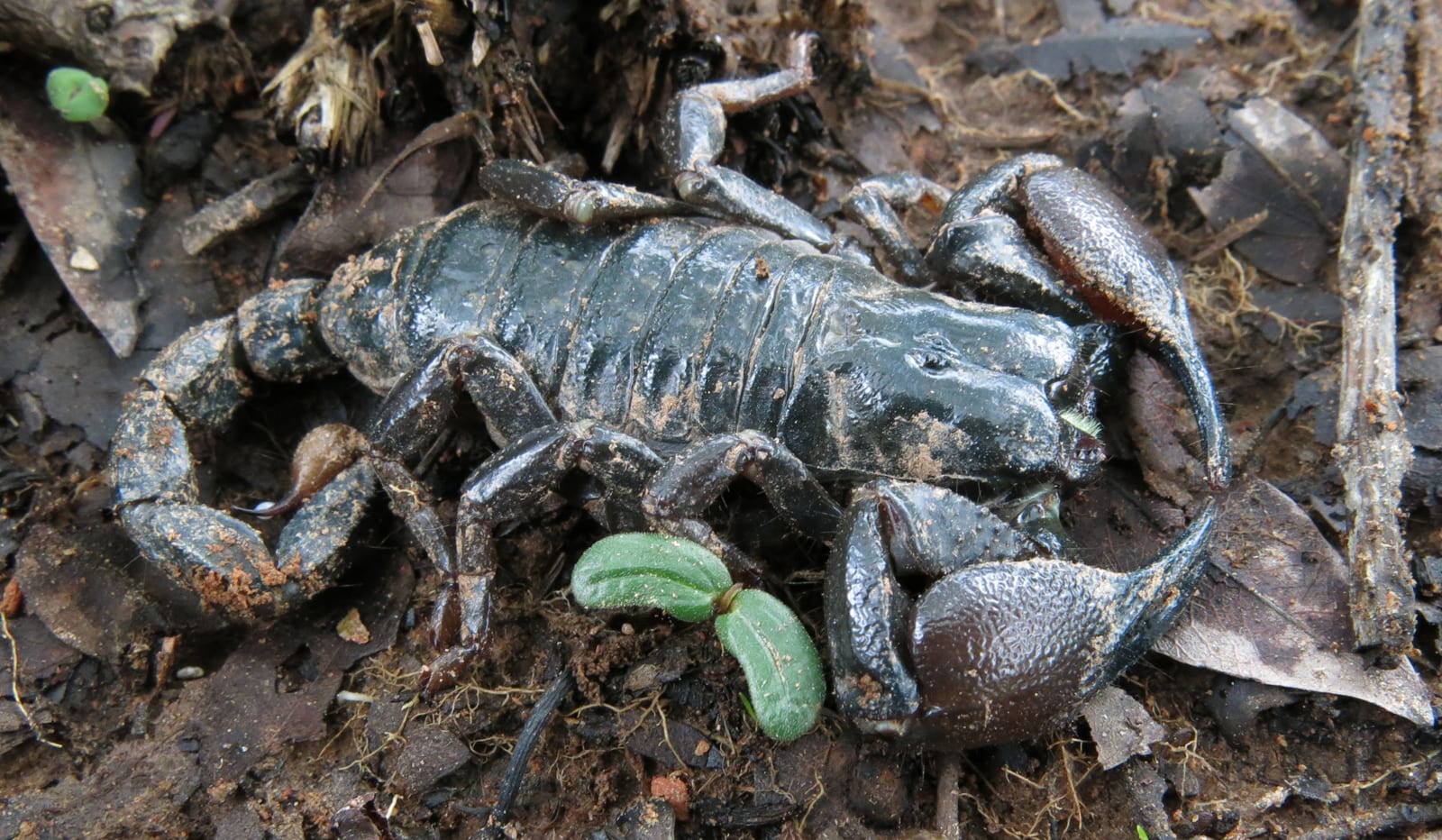
 © Ryanvanhuyssteen / CC BY-SA 4.0
Cave claw scorpion
The cave claw scorpion (Pandipalpus) is an African scorpion of the family Scorpionidae, known for its large pincers. It was once placed in the same genus, Pandinus, as the emperor scorpions, and is now classified in Pandipalpus, a genus that contains only two species. Like many scorpions, it spends much of its time tucked away in a hiding place, and watching it grip prey with its claws is part of the appeal. Care is rated intermediate, and reliable information on lifespan and adult size is limited. Before bringing one home, ask the seller about the setup and the animal's condition, and get comfortable with basic scorpion husbandry first.
View Cave claw scorpion encyclopedia →0% commission on your first sales!Register by September 30, 2026 and your first 2 sales are commission-free!
Breeder Wanted!
List on BreederDirect and sell directly to customers nationwide!
BreederDirect's 5 Transparency Commitments
When listing Exotic Invertebrates, Breeders disclose the following. We guarantee transparency on growth stage and breeding unit.
- Real Photos
- Breeding Unit
- Generation Info
- Body Length (mm)
- Country of Origin
Browse all 286 breeds
Verified breeders wanted for Exotic Invertebrates
Breeders are signing up now ahead of launch. Subscribe to be notified when new listings go live.
Getting alerts is free with a member account. When new listings match your saved search, we'll notify you by email and in-app.
Browse other categories
Verified breeders (preview)
Are you raising exotic invertebrates?
Register as a breeder and connect with buyers directly.
Apply as a breederCave claw scorpion key facts
- Care level
- Intermediate
- Lifespan
- Little data
- Size
- Little data
- Diet
- Carnivorous (live insects such as crickets and roaches)
- Enclosure
- Provide a deep substrate with hides under flat stones or bark, and a water dish. Keep singly.
- Temperature & Humidity
- Little data on keeping temperature or humidity exist for this species. Avoid winter cold and keep part of the substrate moist with a drier area as well.
- Diet & Feeding
- Live prey such as crickets and roaches sized to the scorpion. Hold off feeding around moults.
- Temperament & Venom
- Most of the family are considered relatively harmless and this species is not on the list of medically important scorpions. It is still venomous and its large claws pinch hard, so never handle it bare-handed.
- Notes
- Scorpions escape through small gaps and loose lids, so use a container with a lockable lid. It may also be labelled under older names such as Pandinus viatoris or Pandinurus viatoris. Never release captive animals.
About Cave claw scorpion
The cave claw scorpion is a large-pincered African scorpion in the two-species genus Pandipalpus. Intermediate care; here's what to know first.
7 things to know before welcoming a Cave claw scorpion
1Intermediate care level
Care is rated intermediate, so this is a bit of a step up for anyone new to scorpions. It helps to get comfortable with basic scorpion husbandry first, then bring this species home once you can manage the routine calmly.
2A genus that was reclassified
The species was once placed in the genus Pandinus alongside the emperor scorpions and now belongs to Pandipalpus, a genus with only two species. Older references may use the former genus name, so search under both names when researching care.
3Check lifespan and size
Reliable information on lifespan and adult size is limited, and no firm figures are known. Before committing, ask the seller about the animal's age, current size, and molting history.
4A container with hiding spots
Most scorpions are nocturnal and spend the day out of sight. Provide a shelter it can hide in, and use a container with a lid that locks securely so it cannot escape.
5Ask about temperature and humidity
Information on the ideal temperature and humidity for this species is scarce, so ask the seller how the animal is currently kept and start from the same conditions. Keep the enclosure ventilated, avoid extreme dryness or stuffiness, and change conditions gradually rather than suddenly.
6Watch the claws and stinger
With such large pincers, a pinch is a real possibility, and the tail carries a stinger as well. Use long tweezers for feeding and cleaning, and never handle it bare-handed. If you are stung or feel unwell, consult a medical professional.
7Feeding and molting
Live feeder insects such as crickets or roaches, sized to match the scorpion's body, are the usual choice. Remove uneaten prey promptly, and leave the animal undisturbed before and after a molt.
Frequently asked questions about Cave claw scorpion
- Q.Can a first-time scorpion keeper handle it?
- A.Care is rated intermediate, so it is somewhat demanding for a first scorpion. Get comfortable with basic care first, and ask the seller for the key points of how it is kept before deciding.
- Q.How long does it live and how big does it get?
- A.Information on both lifespan and adult size is limited, and no firm figures are known. Ask the seller about the individual's age and current size.
- Q.Can I keep several in one container?
- A.Scorpions can turn cannibalistic, so keeping each one in its own container is the safer approach. Reliable information on group-keeping this species is scarce, so start with single housing.
- Q.Can I handle it with bare hands?
- A.That is not recommended. It has large pincers and a stinger, so use long tweezers or move it in a container rather than touching it directly.
- Q.Is it kept the same way as an emperor scorpion?
- A.It was once placed in the same genus, but it is now classified separately, so the same care will not necessarily apply. Since care information is limited, use the seller's current setup as a reference and adjust gradually.
Learn more about Cave claw scorpion in the encyclopedia
View Cave claw scorpion encyclopedia entry →
Care difficulty, lifespan, size and diet — all basics covered.
More in this category
Can't find the one you're looking for?
Post your wishes for free and breeders with matching animals will contact you with introductions.