 © Dan Wrench / CC BY 4.0
Werneri Isopod
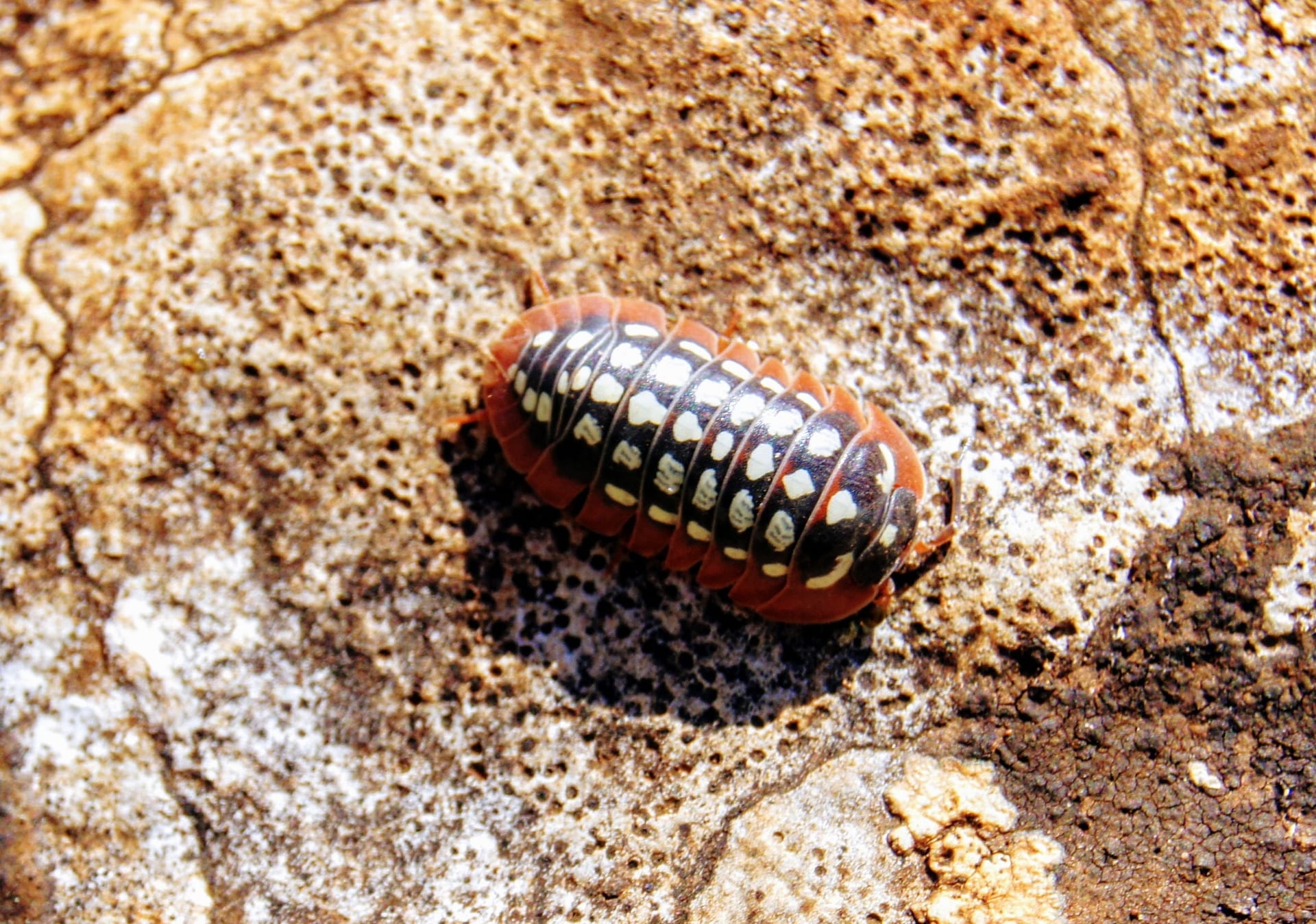
The Werneri Isopod is a terrestrial isopod found only on the Greek island of Corfu and in southern Albania. Its grayish-brown to orange body dotted with white spots gives it a striking, high-contrast look. Reaching about 1.6cm as an adult, it's a compact species that prefers drier conditions than many other isopods, doing well at 50-60% humidity. Werneri Isopods are calm and tend to stay hidden during the day, making them an unobtrusive addition to a terrarium. They're considered beginner-friendly, with a typical lifespan of 2-3 years for the genus. While not widely available, their hardiness and easy care make them a great starting point for anyone new to isopod keeping.
View Werneri Isopod encyclopedia →0% commission on your first sales!Register by September 30, 2026 and your first 2 sales are commission-free!
Breeder Wanted!
List on BreederDirect and sell directly to customers nationwide!
5 Transparency Standards You Can Trust
When listing Exotic Invertebrates, Breeders disclose the following. We guarantee transparency on growth stage and breeding unit.
- Real Photos
- Breeding Unit
- Generation Info
- Body Length (mm)
- Country of Origin
Browse all 249 breeds
Verified breeders wanted for Exotic Invertebrates
Breeders are signing up now ahead of launch. Subscribe to be notified when new listings go live.
Getting alerts is free with a member account. When new listings match your saved search, we'll notify you by email and in-app.
Browse other categories
Verified breeders (preview)
Are you raising exotic invertebrates?
Register as a breeder and connect with buyers directly.
Apply as a breederWerneri Isopod key facts
- Care level
- Beginner-friendly
- Lifespan
- 2-3 years (typical for the genus)
- Size
- About 16mm
- Temperature
- 18〜26℃
- Humidity
- 50〜60%
- Diet
- Leaf litter, rotting wood, vegetables, protein such as dried bloodworm, cuttlebone
- Temperature & Humidity
- 18-26 C and 50-60% humidity. Drier than most isopods; leave just one moist corner.
- Enclosure
- A ventilated container with leaf litter, rotting wood and bark hides. Do not let it get soggy.
- Diet & Feeding
- Leaf litter and rotting wood always available, vegetables and protein several times a week, cuttlebone for calcium.
- Temperament & Venom
- Harmless. Peaceful and colonial.
- Notes
- Keep in groups. Even in pale-producing lines the rate of pale offspring is not guaranteed.
About Werneri Isopod
The Werneri Isopod is a terrestrial isopod from Corfu, Greece and southern Albania, with a gray-brown to orange body marked with white spots. It thrives in drier conditions and is easy for beginners to keep.
7 things to know before welcoming a Werneri Isopod
1Native Range & Habitat
The Werneri Isopod is native only to the island of Corfu in western Greece and southern Albania. Because of this, it's worth setting up its enclosure with its natural habitat in mind rather than assuming standard isopod care applies.
2Distinctive Coloring
Its most recognizable feature is a grayish-brown to orange body scattered with white spots. The pattern varies from individual to individual, which adds to the appeal for keepers who enjoy variation.
3Prefers Drier Conditions
Unlike many isopod species, Werneri Isopods prefer drier conditions, so humidity should be kept around 50-60%. Overly damp setups can actually cause problems, so good ventilation and control of mold or fungus gnats matters more than extra moisture.
4Compact Size
Adults reach only about 1.6cm, making this one of the smaller isopod species. That means they can be kept comfortably in a small enclosure, which is part of their appeal for space-conscious keepers.
5Shy, Secretive Nature
Werneri Isopods spend much of the day hidden under bark or debris and rarely come out in the open. They tend to curl up defensively when disturbed, so it's best to observe them in a quiet, undisturbed setting.
6Lifespan
Typical lifespan for the genus is around 2-3 years. Actual lifespan can vary with care and individual differences, so treat this as a general guideline rather than a guarantee.
7Before You Bring One Home
Prepare a substrate, hiding spots, and a well-ventilated enclosure suited to their preference for drier conditions before bringing them home. Since this species isn't widely available, it helps to keep an eye out so you don't miss a chance to find one.
Frequently asked questions about Werneri Isopod
- Q.Is the Werneri Isopod suitable for beginners?
- A.Yes, it's generally considered beginner-friendly. As long as you account for its preference for drier conditions, it's about as easy to care for as most other isopod species.
- Q.What humidity level does it need?
- A.Werneri Isopods prefer somewhat drier conditions than many other isopods, so aim for around 50-60% humidity. Avoid over-misting and keep the enclosure well-ventilated.
- Q.How big do they get?
- A.Adults reach about 1.6cm, making them one of the smaller isopod species. That compact size means they can be comfortably housed in a small enclosure.
- Q.How long do they live?
- A.The typical lifespan for the genus is around 2-3 years. Actual lifespan can vary depending on care and individual differences.
- Q.Is it normal not to see them much during the day?
- A.Yes, that's completely normal behavior. They tend to hide under debris or substrate and are most active out of sight, which is typical for this species.
Learn more about Werneri Isopod in the encyclopedia
View Werneri Isopod encyclopedia entry →
Care difficulty, lifespan, size and diet — all basics covered.
More in this category
Can't find the one you're looking for?
Post your wishes for free and breeders with matching animals will contact you with introductions.