Porcellio werneri Isopod
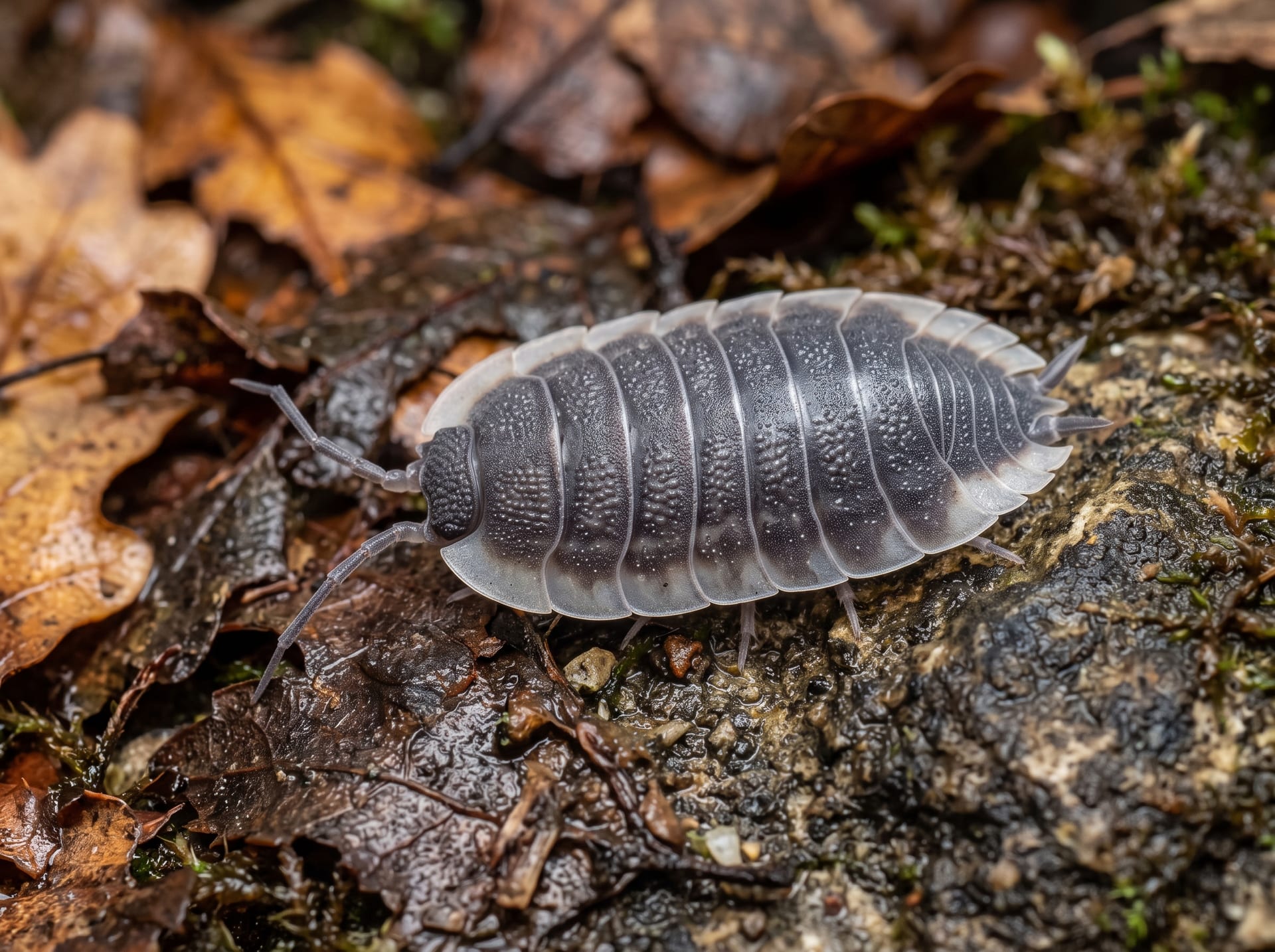
Porcellio werneri is a distinctive isopod species native to Greece, known for its almost perfectly round, extremely flattened body. Its gray coloring is set off by a striking white edge, and when startled, it doesn't roll into a ball but instead freezes in place — a behavior often described as "playing dead." Keeping it well means managing both a dry substrate area and a separate humid, moss-covered zone for molting. As an adult it stays quite small, reaching a maximum of about 2 cm, but its specific care needs make it a species best suited to keepers who already have some isopod-keeping experience.
View Porcellio werneri Isopod encyclopedia →Breeder Wanted!
List on BreederDirect and sell directly to customers nationwide!
BreederDirect's 5 Transparency Commitments
When listing Exotic Invertebrates, Breeders disclose the following. We guarantee transparency on growth stage and breeding unit.
- Real Photos
- Breeding Unit
- Generation Info
- Body Length (mm)
- Country of Origin
Browse all 286 breeds
Verified breeders wanted for Exotic Invertebrates
Breeders are signing up now ahead of launch. Subscribe to be notified when new listings go live.
Getting alerts is free with a member account. When new listings match your saved search, we'll notify you by email and in-app.
Browse other categories
Verified breeders (preview)
Are you raising exotic invertebrates?
Register as a breeder and connect with buyers directly.
Apply as a breederPorcellio werneri Isopod key facts
- Care level
- Advanced
- Lifespan
- 2-3 years
- Size
- Up to about 20mm
- Temperature
- 23〜26℃
- Humidity
- 50〜65%
- Diet
- Leaf litter and rotten wood as staples, with vegetables, protein and a calcium source.
- Temperature & Humidity
- 23-26C and 50-65% humidity. Keep the substrate mostly dry with a damp moss corner for moulting.
- Enclosure
- Start in a well-ventilated tub of about 12 litres, about 25 litres for a large colony, with leaf humus, rotten wood, a thick leaf layer and bark, cork or stones.
- Diet & Feeding
- Keep leaf litter and rotten wood available; supplement with vegetables, protein and calcium.
- Temperament & Venom
- Harmless and shy; plays dead when handled. Adult males may fight over territory.
- Notes
- Declines in constantly wet conditions. An advanced species that fails without a wet/dry balance and airflow.
About Porcellio werneri Isopod
Porcellio werneri is a flat, disc-shaped Greek isopod with gray-and-white coloring and a playing-dead defense, needing both dry and humid zones — best suited to experienced keepers.
7 things to know before welcoming a Porcellio werneri Isopod
1Best Suited to Experienced Keepers
Its delicate, flattened body and specific substrate needs make this a species best suited to keepers with prior isopod experience. It's a good idea to build up some basic isopod-keeping experience before bringing one home.
2Balancing Dry and Humid Zones
The enclosure needs both a dry area and a separate zone with moistened moss for molting. Set up the layout so the isopods can freely move between the two as their needs change.
3The "Playing Dead" Habit
When startled, this isopod freezes in place with its legs tucked in rather than curling into a ball. It is a defensive reaction to being startled, so avoid handling it further and give it a little quiet time to start moving again.
4A Thin, Delicate Body
Its almost circular, very flat body means it likes tucking into tight gaps. Because that thin body is easily damaged by pressure, take care when handling it and when checking ventilation gaps in the enclosure.
5Gray Body with a White Edge
The gray body is bordered by a distinctive white line, giving it a striking two-tone look. How pronounced that edging appears can vary somewhat between individuals and life stages.
6A Small Species, Max ~2cm
Even as an adult, this species stays compact at around 2 cm at most. It can be kept in a small enclosure, but check that the lid and any gaps are secure, since its flat body can slip through small openings.
7Prepare the Layout Beforehand
It helps to set up the enclosure with separate dry and moist-moss areas before bringing your isopods home. Since they like squeezing into tight spaces, it's also worth adding some hiding material in advance.
Frequently asked questions about Porcellio werneri Isopod
- Q.Why does it "play dead" instead of curling up when startled?
- A.When disturbed, Porcellio werneri tends to freeze in place with its legs tucked in rather than rolling into a ball. This is a natural defensive reaction, and it typically resumes moving on its own after a short while.
- Q.Should the substrate be kept dry or humid?
- A.Both are needed. Set up a dry zone alongside a separate area with moistened moss for molting, so the isopods can move between them as needed. Leaning too far toward either extreme can affect their condition.
- Q.How does its appearance differ from other isopods?
- A.Its body is unusually flat and almost circular in outline, giving it a much thinner profile than typical isopods. The gray body outlined in white also gives it a distinctive, high-contrast look.
- Q.Is this a good species for someone new to keeping isopods?
- A.It's generally considered an advanced species because it requires carefully balancing dry and humid zones in the enclosure. It's best to gain some basic isopod-keeping experience before taking one on.
- Q.How big does it get as an adult?
- A.It stays fairly small, reaching a maximum of about 2 cm as an adult. Because its body is so flat, it's worth double-checking that the enclosure lid and any gaps are secure to prevent escapes.
Learn more about Porcellio werneri Isopod in the encyclopedia
View Porcellio werneri Isopod encyclopedia entry →
Care difficulty, lifespan, size and diet — all basics covered.
More in this category
Can't find the one you're looking for?
Post your wishes for free and breeders with matching animals will contact you with introductions.