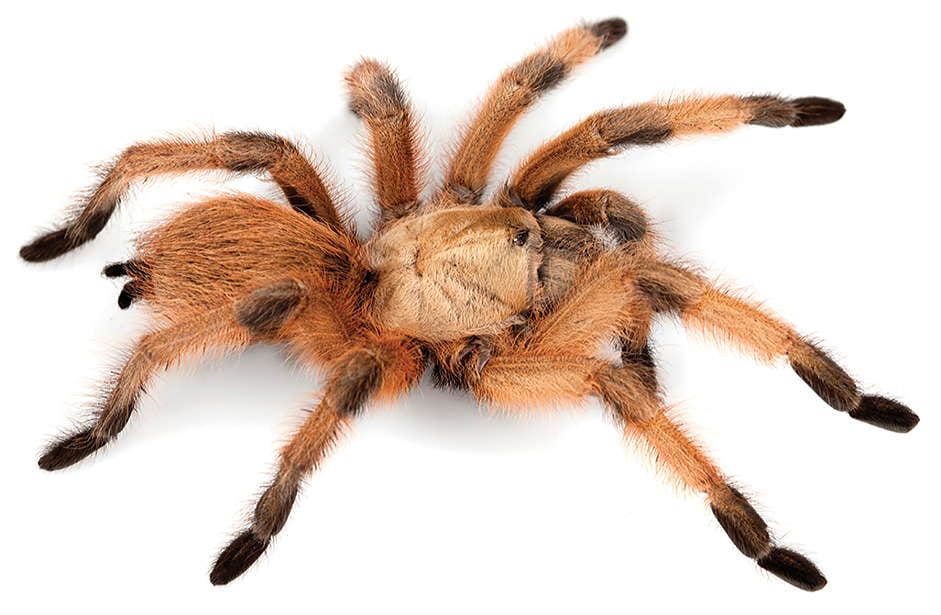
 © Chris A. Hamilton, Brent E. Hendrix / CC BY 4.0
Rio Grande gold tarantula
The Rio Grande gold tarantula is an Aphonopelma species from the Rio Grande basin in Texas, USA. Females have an orange to tan carapace and legs with orange femurs and black patellae and tips, a calm, muted color scheme. They are docile and considered suitable for beginners. Females are said to live 20 years or more, so this can be a very long-term companion, while males live about 5 to 7 years. Adults reach up to about 14 cm in diagonal leg span (DLS), a size that is easy to house.
View Rio Grande gold tarantula encyclopedia →Breeder Wanted!
List on BreederDirect and sell directly to customers nationwide!
BreederDirect's 5 Transparency Commitments
When listing Exotic Invertebrates, Breeders disclose the following. We guarantee transparency on growth stage and breeding unit.
- Real Photos
- Breeding Unit
- Generation Info
- Body Length (mm)
- Country of Origin
Browse all 286 breeds
Verified breeders wanted for Exotic Invertebrates
Breeders are signing up now ahead of launch. Subscribe to be notified when new listings go live.
Getting alerts is free with a member account. When new listings match your saved search, we'll notify you by email and in-app.
Browse other categories
Verified breeders (preview)
Are you raising exotic invertebrates?
Register as a breeder and connect with buyers directly.
Apply as a breederRio Grande gold tarantula key facts
- Care level
- Beginner-friendly
- Lifespan
- Females 20+ years, males 5-7 years
- Size
- Up to about 14 cm diagonal leg span
- Temperature
- 20〜24℃
- Diet
- Carnivorous (live insects such as crickets and roaches)
- Enclosure
- Terrestrial. Fill the enclosure one-half to two-thirds with substrate and add a hide such as half a cork round and a shallow water dish. Keep singly.
- Temperature & Humidity
- Keep at 20-24 C and about 50-60% humidity with good ventilation, lightly moistening one corner about once a week.
- Diet & Feeding
- Live prey such as crickets and roaches sized to the spider. Remove uneaten prey and wait a few days after a moult before feeding.
- Temperament & Venom
- Calm but skittish; it may kick urticating hairs when disturbed, though not often. The venom is mild and not medically significant. Keep the setae away from eyes and airways.
- Notes
- Females live more than 20 years, so plan for long-term care. Use a lockable enclosure and never release captive animals.
About Rio Grande gold tarantula
The Rio Grande gold tarantula is a docile Aphonopelma from Texas, suited to beginners. Females live 20+ years, males 5 to 7. Learn its traits, care basics, and what to know before buying.
7 things to know before welcoming a Rio Grande gold tarantula
1Lifespan differs by sex
Females are said to live 20 years or more, while males live roughly 5 to 7 years. If you want a long-term companion, a female is the better fit, but sexing young spiderlings can be difficult. Ask the seller how the sex was determined.
2Up to about 14 cm
Adults reach up to about 14 cm in diagonal leg span (DLS). As a ground-dweller, it suits a low enclosure with plenty of floor space rather than a tall one. A fall can injure the abdomen, so keep decor and climbing spots low.
3Mind the urticating hairs
This species is docile, but as a New World tarantula it may flick urticating hairs from its abdomen when it feels threatened. The hairs can cause itching or irritation on skin and eyes. Wash your hands after working in the enclosure and avoid touching your face.
4Provide burrowing substrate
This ground-dwelling spider tends to dig and live in a burrow. Use a deep layer of substrate and add a hide such as cork bark or a piece of flowerpot to help it settle in. Expect it to stay out of sight for long stretches, and some days you may not see it at all.
5Keep it on the dry side
Avoid excess moisture, provide good ventilation, and keep the substrate mostly dry. Always offer a clean water dish, and if you add moisture, only dampen a small part of the substrate lightly. If you see stuffy air or mold, review the ventilation and replace the substrate.
6Don't panic over fasting
Feed appropriately sized live prey such as crickets or roaches. It may stop eating before a molt. Do not offer food during or right after a molt while its body is soft, and remove any uneaten prey promptly.
7Prevent escapes, prepare ahead
Choose an enclosure with a lid that locks securely, and be careful of escapes whenever you open it for cleaning or feeding. Have the enclosure, water dish, substrate, hide, and long tweezers ready before the spider arrives. Since females can live 20 years or more, plan for the long term.
Frequently asked questions about Rio Grande gold tarantula
- Q.Is it suitable for beginners?
- A.Its care difficulty is rated beginner-friendly, and it has a docile temperament. Still, make sure you understand tarantula-specific points beforehand, such as urticating hairs, escape risk, and long lifespan.
- Q.How long does it live?
- A.Females live 20 years or more and males about 5 to 7 years, according to The Tarantula Collective. If you want to keep one long term, a female is the better choice.
- Q.How big does it get?
- A.Adults reach up to about 14 cm in diagonal leg span (DLS). Because it lives on the ground, an enclosure with generous floor space suits it better than a tall one.
- Q.Can I handle it?
- A.It is docile, but it is best enjoyed by watching rather than handling. A fall can injure its abdomen, and urticating hairs may get on your skin. Use a cup or similar container when you need to move it.
- Q.Can I keep several together?
- A.Keep each one on its own. Housing them together can lead to aggression or cannibalism.
Learn more about Rio Grande gold tarantula in the encyclopedia
View Rio Grande gold tarantula encyclopedia entry →
Care difficulty, lifespan, size and diet — all basics covered.
More in this category
Can't find the one you're looking for?
Post your wishes for free and breeders with matching animals will contact you with introductions.