Source: Wikimedia Commons
Rio Grande gold tarantula
BeginnerAphonopelma moderatum
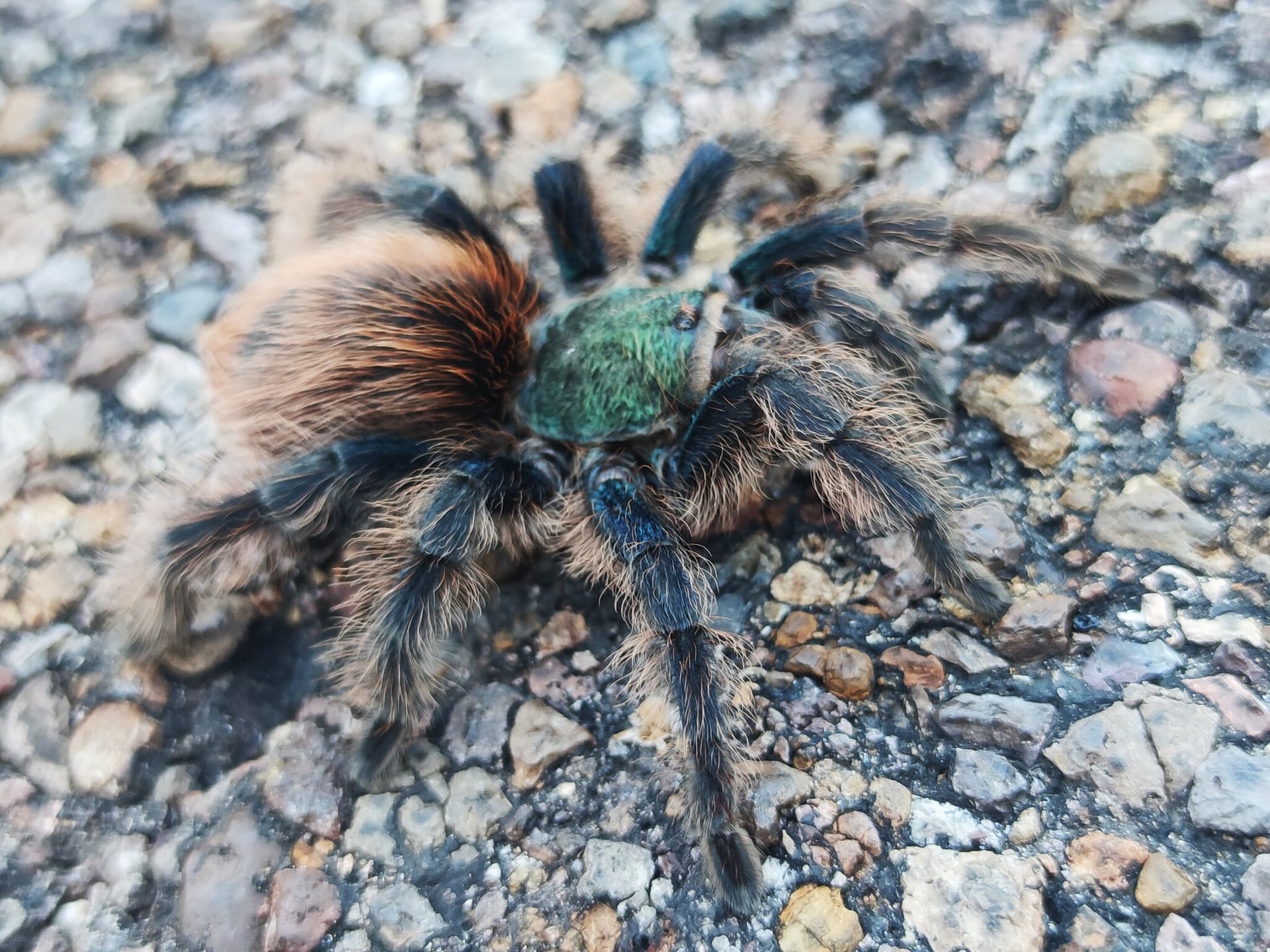
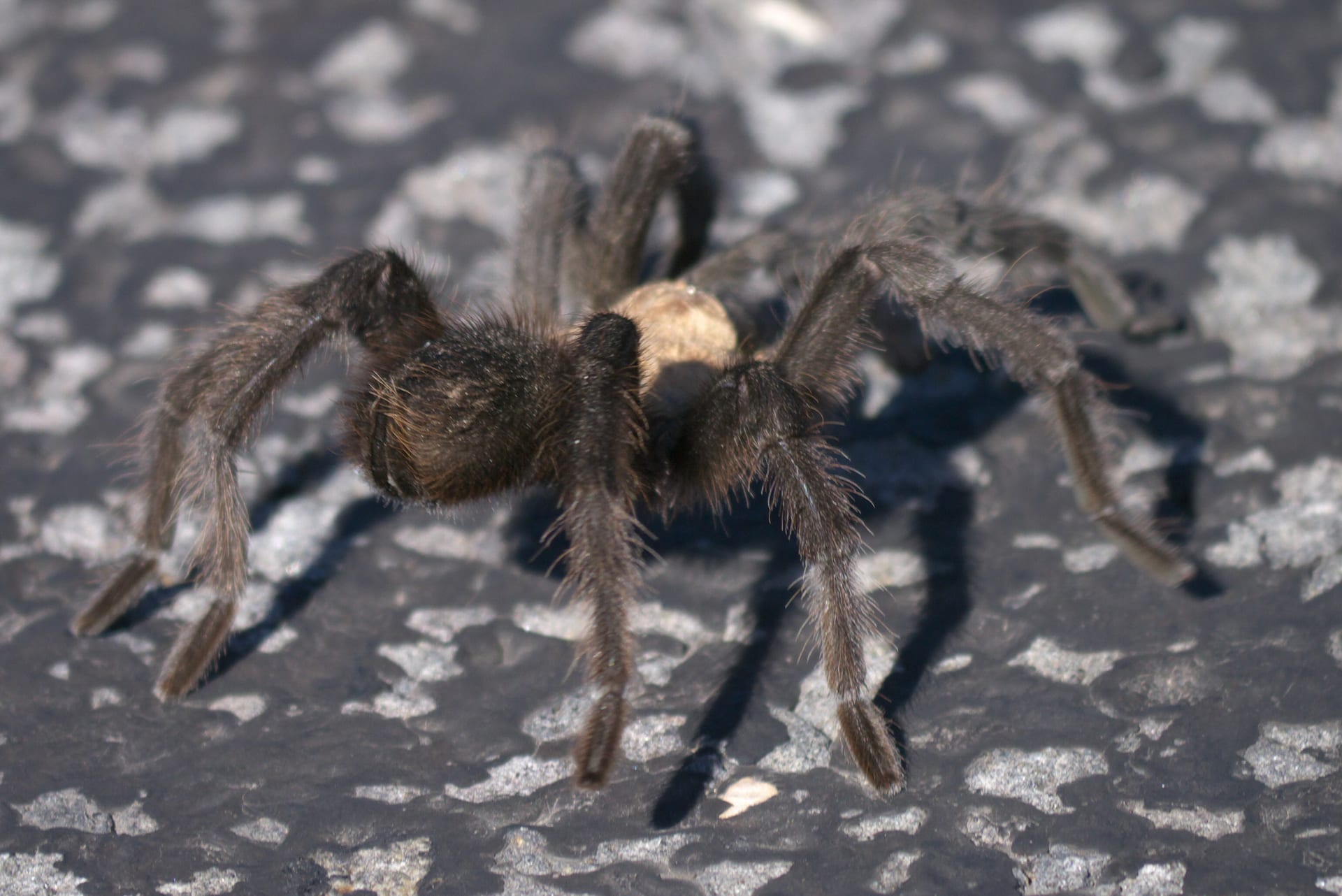
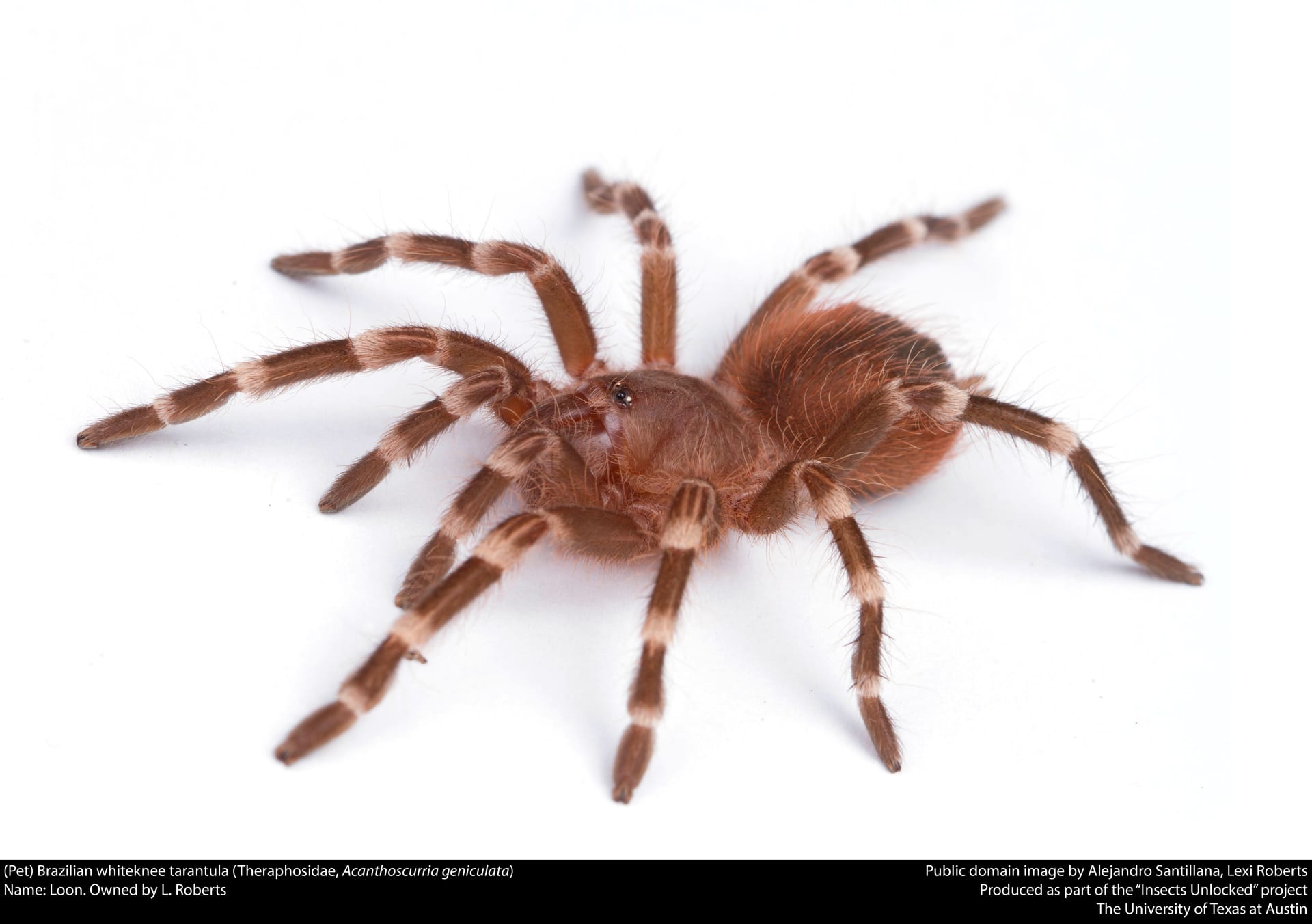
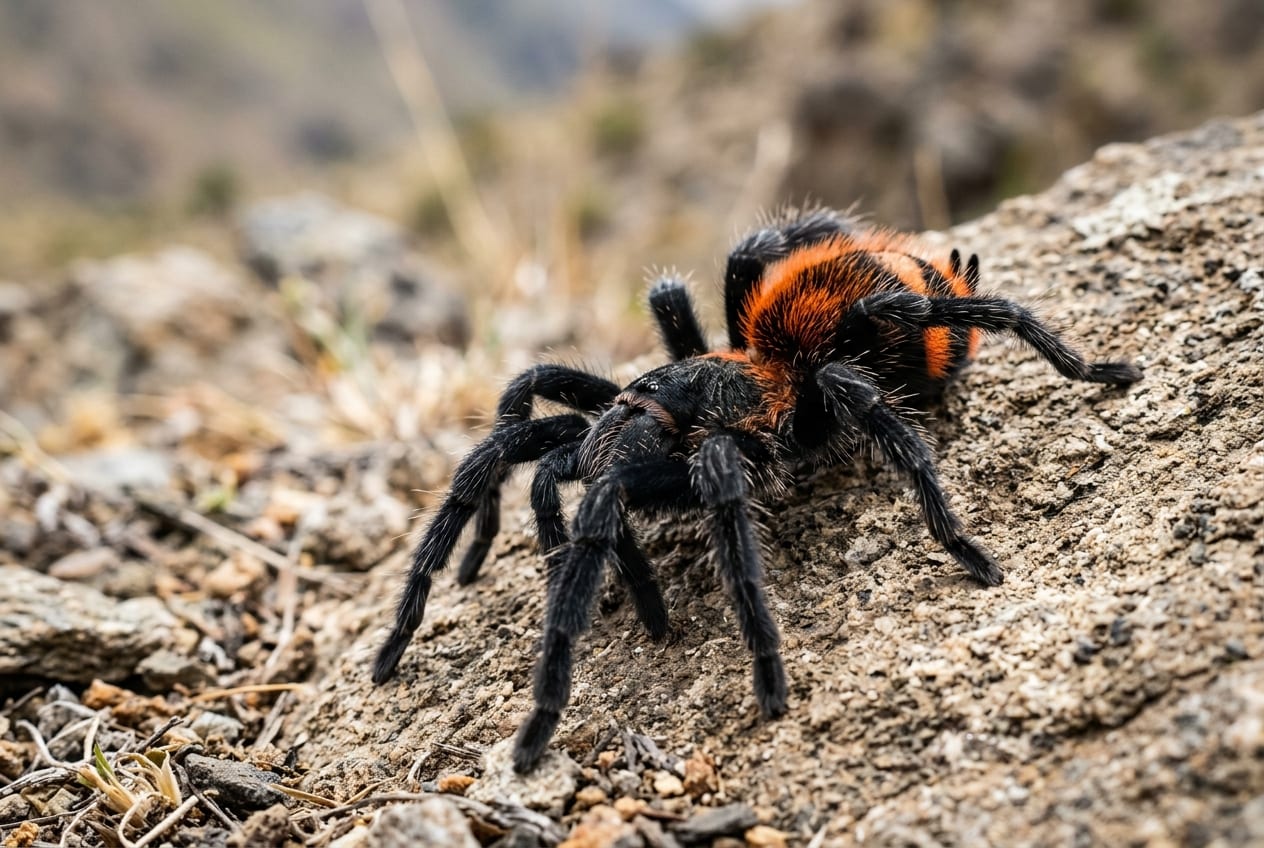
An Aphonopelma from the Rio Grande Valley of Texas. Females have an orange-to-tan carapace and legs with orange femora and black patellae and tips. Docile, with females living over 20 years.
Difficulty
Beginner
Temperature
20〜24℃
Lifespan
Females 20+ years, males 5-7 years
Size
Up to about 14 cm diagonal leg span
Diet
Carnivorous (live insects such as crickets and roaches)
About
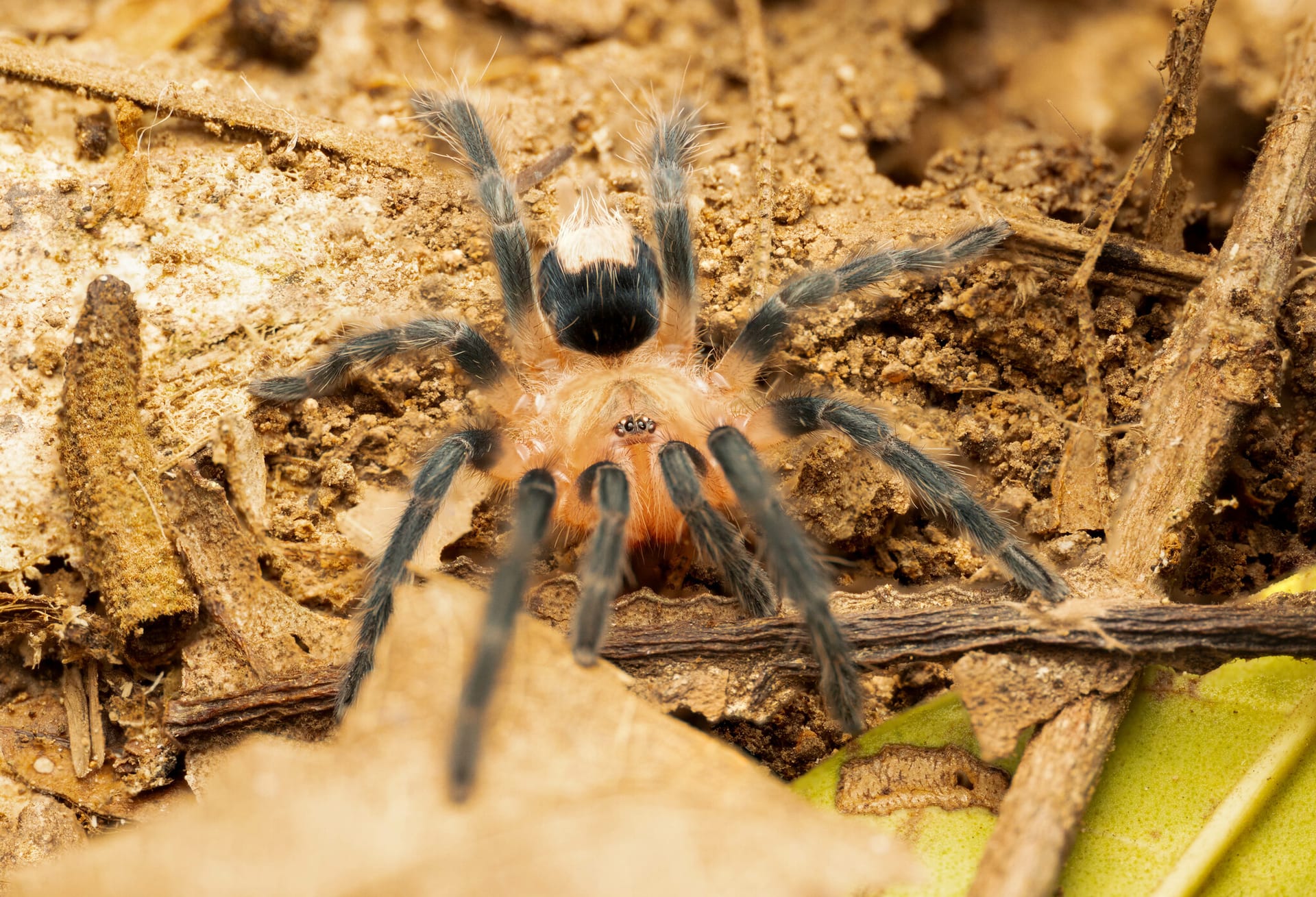
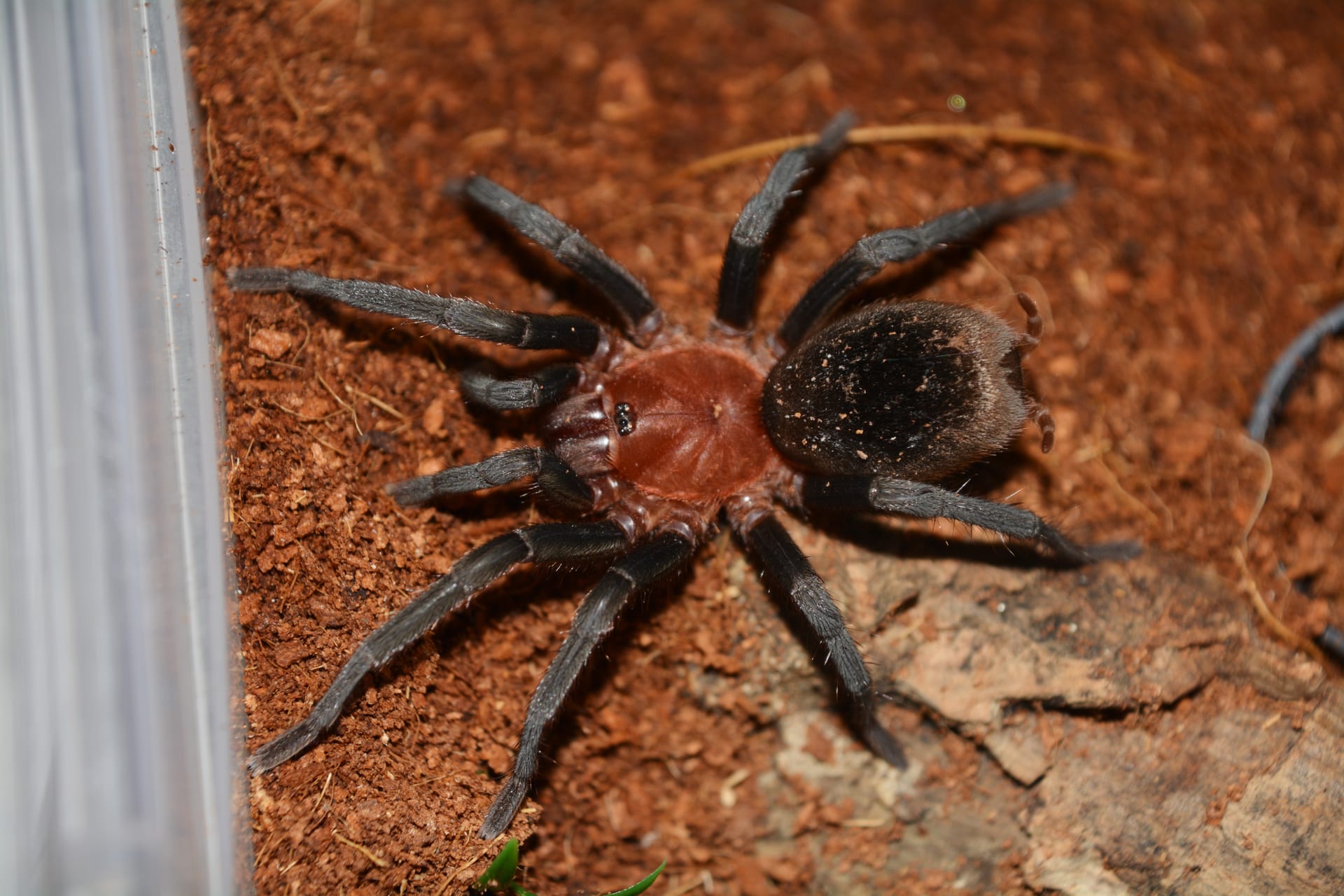
Aphonopelma moderatum (Chamberlin & Ivie, 1939), the Rio Grande gold tarantula, lives in the Rio Grande Valley of Texas, with GBIF records also from Coahuila and Nuevo León, Mexico. Females have an orange-to-tan carapace and slightly darker abdomen, and legs with orange femora, black patellae, orange tibiae and black tips; males have a dark brown carapace, black abdomen and entirely black legs. Care sources give up to 14 cm diagonal leg span, females living 20+ years and males 5-7, with slow-to-medium growth. In captivity it is docile; when frightened it may kick hairs or flee, though rarely. Bites are very rare and the venom is mild and not medically significant. Spiderlings burrow readily, while adults usually use a hide and often sit in the open. It is distinct from the Arizona blond and Texas brown already listed, and is not common in Japan.
Source: Wikipedia (CC BY-SA 4.0)
Lifespan of the Rio Grande gold tarantula
The Rio Grande gold tarantula lives Females 20+ years, males 5-7 years.
Size of the Rio Grande gold tarantula
The Rio Grande gold tarantula grows to Up to about 14 cm diagonal leg span.
Temperature & humidity for the Rio Grande gold tarantula
The ideal temperature for the Rio Grande gold tarantula is 20〜24℃.
Basic Info
Origin
North America (Rio Grande Valley, Texas; northeastern Mexico)
Lifespan
References & Sources
Edited & verified by: BreederDirect editorial team
The taxonomic, regulatory, and husbandry data on this page are compiled and verified against the authoritative primary sources below.
Primary sources
- Wikipedia
- Species+ CITES query (not listed)
- Ministry of the Environment: list of regulated alien species, including taxa needing an identification certificate
- The Tarantula Collective: Aphonopelma moderatum care sheet
- Wikipedia: Tarantula (urticating setae and Old World venom)
- GBIF: Aphonopelma moderatum (Chamberlin & Ivie, 1939)
Taxonomy & Authority
Regulations & Conservation Status
Not CITES-listed
Not listed in the CITES Appendices (checked on Species+). Only A. albiceps and A. pallidum of the genus Aphonopelma are in CITES Appendix II; this species is not. Theraphosidae are neither designated invasive alien species nor taxa requiring an identification certificate on import in Japan (September 2026). Use a lockable enclosure to prevent escapes, and never release captive animals.
Sources: Species+ CITES query (not listed) / Ministry of the Environment: list of regulated alien species, including taxa needing an identification certificate
Regulations may change. Always verify the latest information with the relevant authorities.
Rio Grande gold tarantula Listings
Loading latest listingsFind listings for this species