Source: Wikimedia Commons
Mexican jade tarantula
IntermediateAphonopelma mooreae
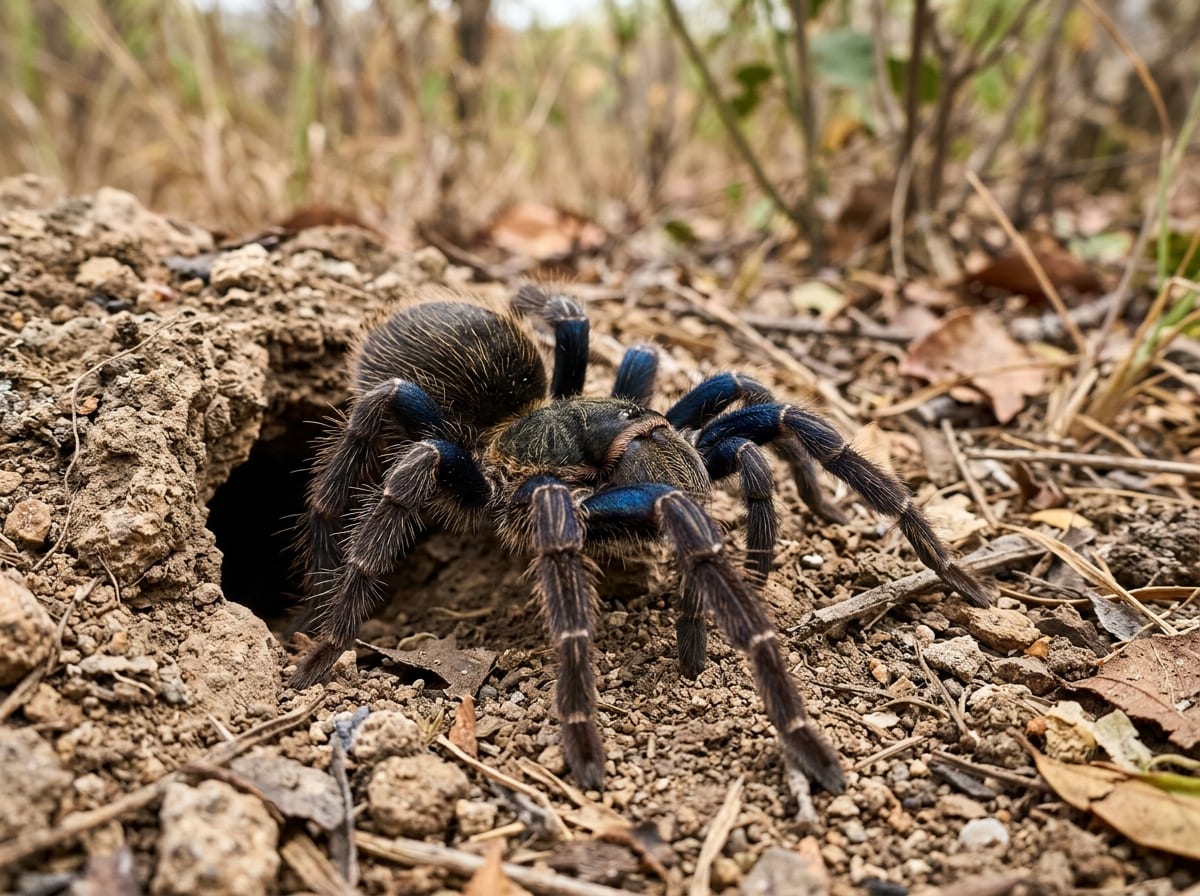
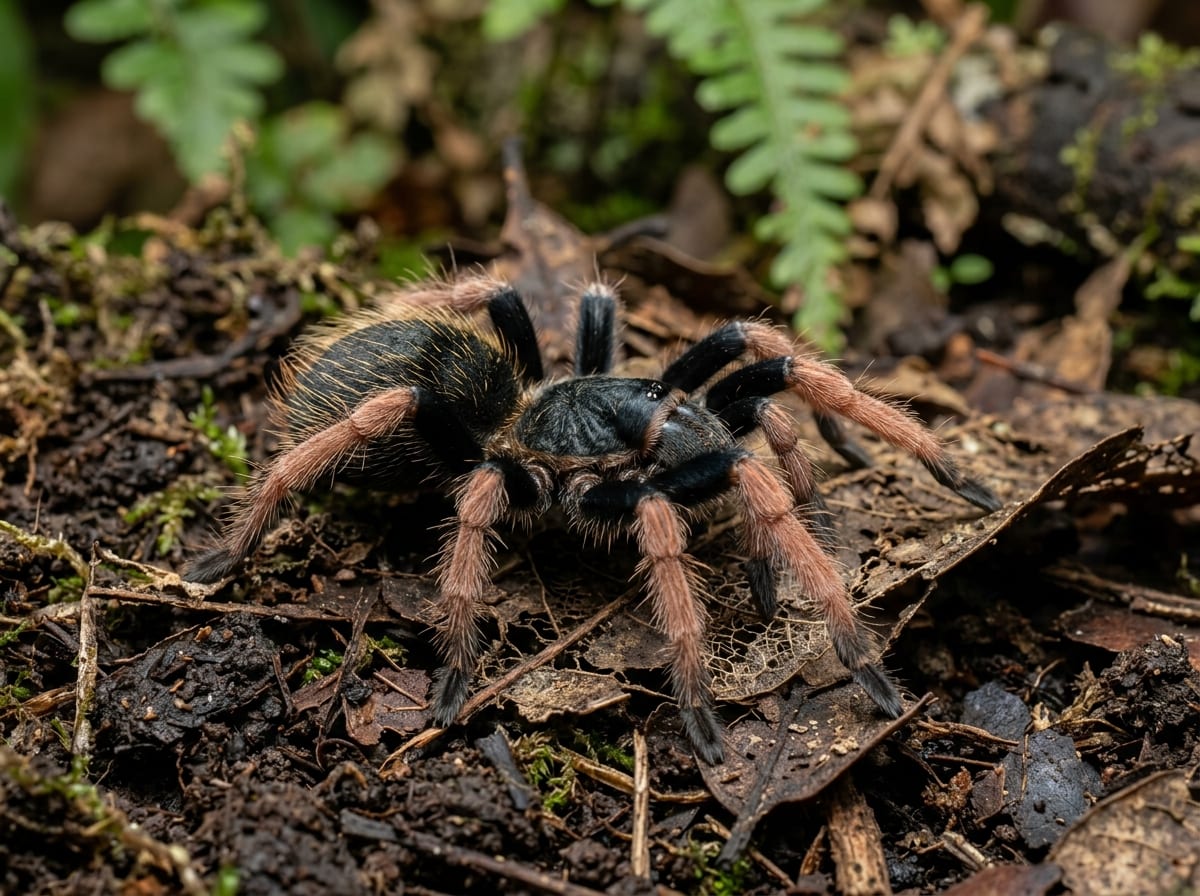
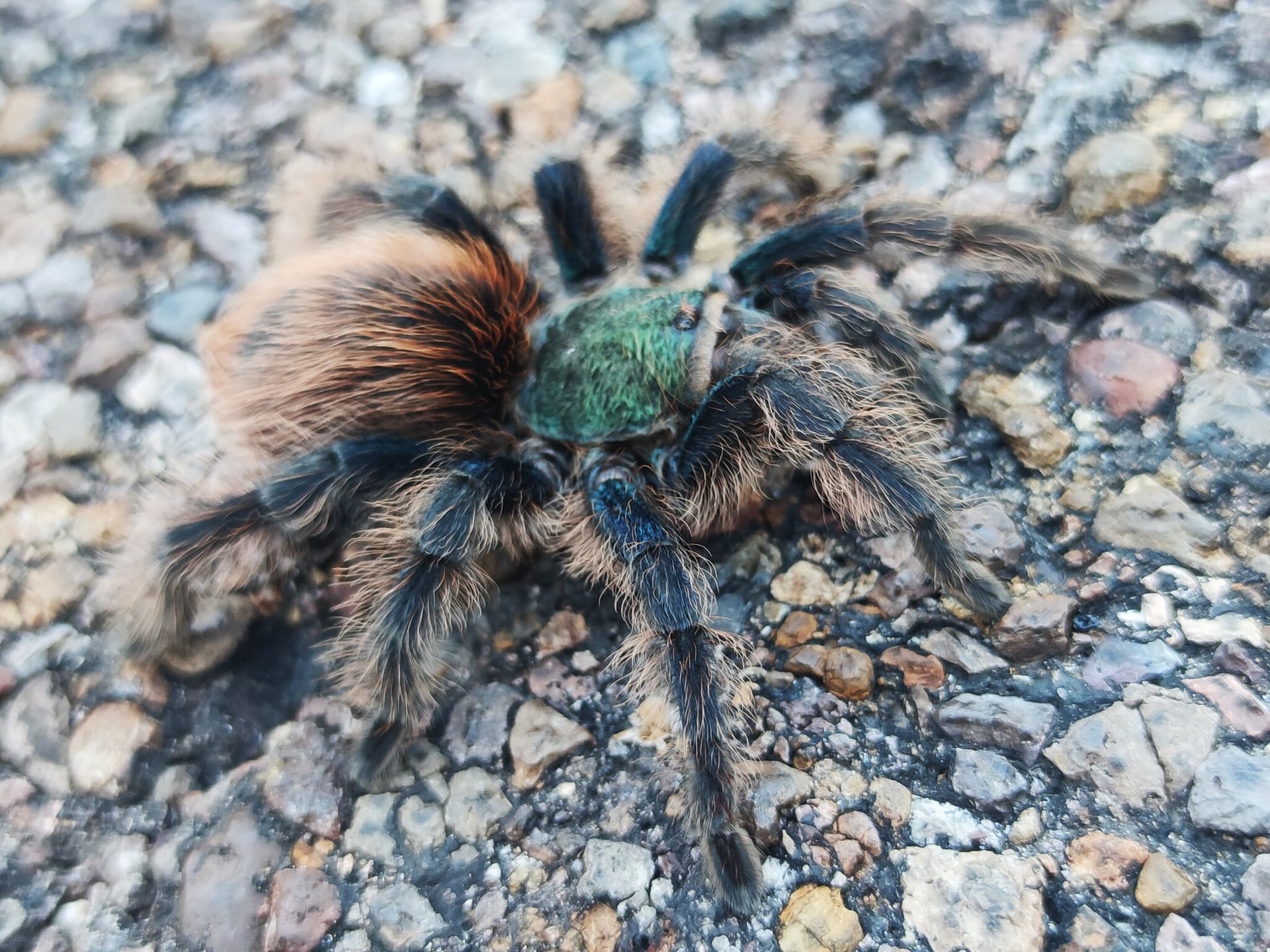
An Aphonopelma from the mountains of northwestern Mexico with metallic blue to blue-green legs and carapace and dense long red-orange hairs — unusual colouring for the genus. Females are long-lived.
Difficulty
Intermediate
Lifespan
Wild females up to 25 years; males typically 5-7 years (Wikipedia)
Size
Adults about 10-13 cm (Wikipedia)
Diet
Carnivorous (live insects such as crickets and roaches)
About
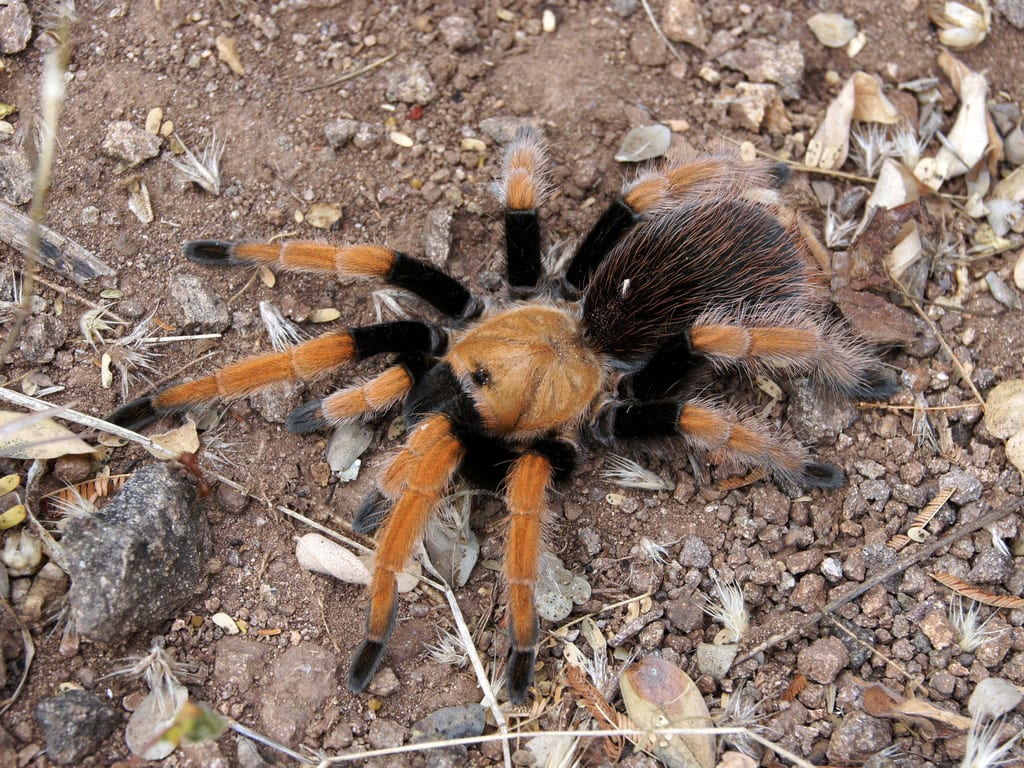
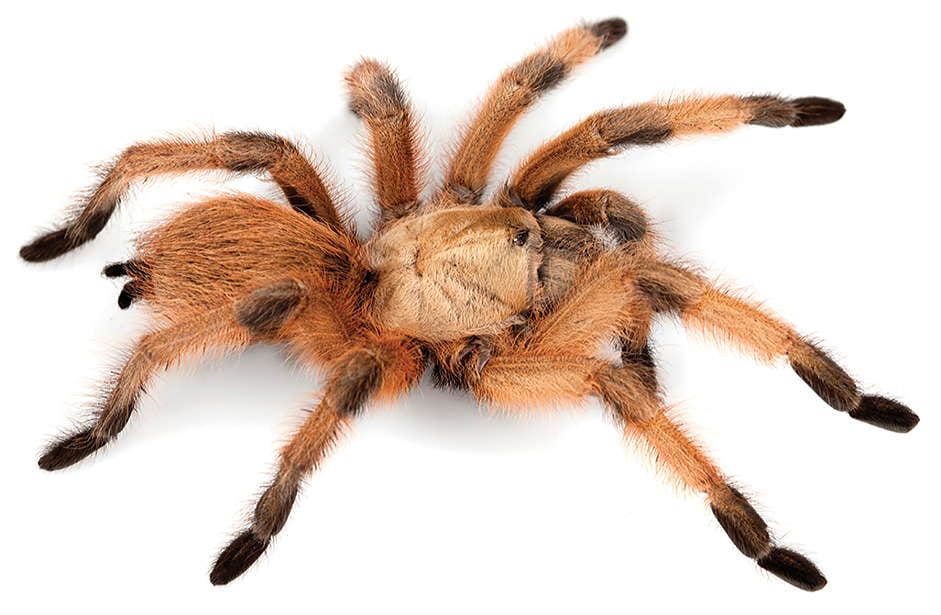
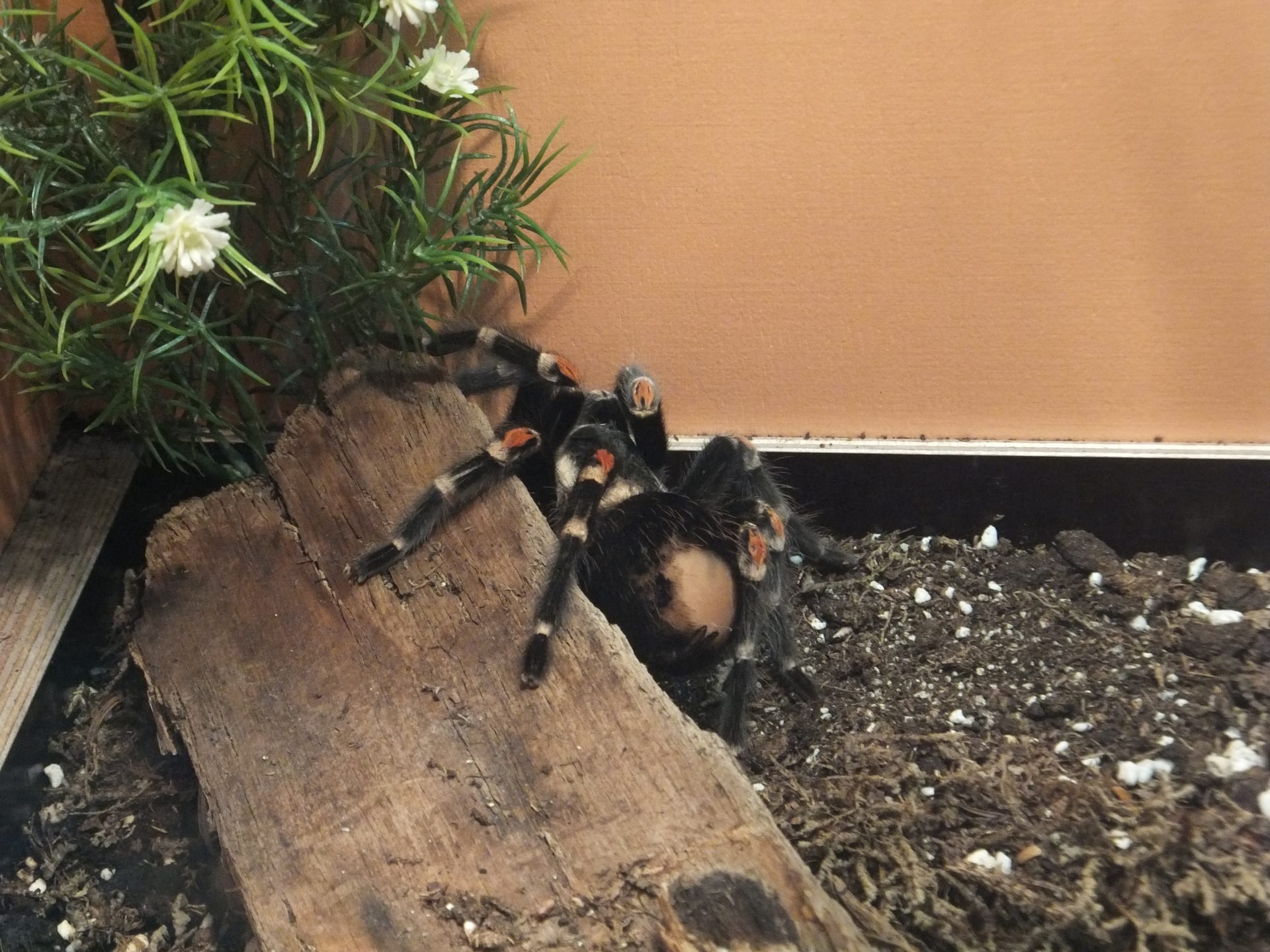
Aphonopelma mooreae Smith, 1995, known as the Mexican jade fuego or North American cobalt tarantula, is named after entomologist Dr Wendy Moore. Its legs grade from metallic blue to black and are covered with long fawn-to-red-orange hairs; the carapace and chelicerae are metallic blue-green and the black abdomen bears long reddish hairs (Wikipedia). 'Fuego' refers to these fiery hairs. It resembles the greenbottle blue (Chromatopelma cyaneopubescens) but is far hairier, with denser, curled hairs. Adults reach about 10-13 cm. Wild females can live up to 25 years; males typically 5-7. It is known mainly from around Yécora, Sonora, in subtropical highland deciduous and pine forest, with GBIF records also from Chihuahua. Terrestrial, it may dig burrows from simple scrapes to more complex tunnels. It looks very different from the three Aphonopelma species already listed.
Source: Wikipedia (CC BY-SA 4.0)
Lifespan of the Mexican jade tarantula
The Mexican jade tarantula lives Wild females up to 25 years; males typically 5-7 years (Wikipedia).
Size of the Mexican jade tarantula
The Mexican jade tarantula grows to Adults about 10-13 cm (Wikipedia).
Basic Info
Origin
Northwestern Mexico (around Yécora, Sonora; Chihuahua)
Lifespan
Wild females up to 25 years; males typically 5-7 years (Wikipedia)
Size
Adults about 10-13 cm (Wikipedia)
References & Sources
Edited & verified by: BreederDirect editorial team
The taxonomic, regulatory, and husbandry data on this page are compiled and verified against the authoritative primary sources below.
Taxonomy & Authority
Regulations & Conservation Status
Not CITES-listed
Not listed in the CITES Appendices (checked on Species+). Only A. albiceps and A. pallidum of the genus Aphonopelma are in CITES Appendix II; this species is not. Theraphosidae are neither designated invasive alien species nor taxa requiring an identification certificate on import in Japan (September 2026). Use a lockable enclosure to prevent escapes, and never release captive animals.
Sources: Species+ CITES query (not listed) / Ministry of the Environment: list of regulated alien species, including taxa needing an identification certificate
Regulations may change. Always verify the latest information with the relevant authorities.
Mexican jade tarantula Listings
Loading latest listingsFind listings for this species