Source: Wikimedia Commons
Mexican bloodleg
BeginnerAphonopelma bicoloratum
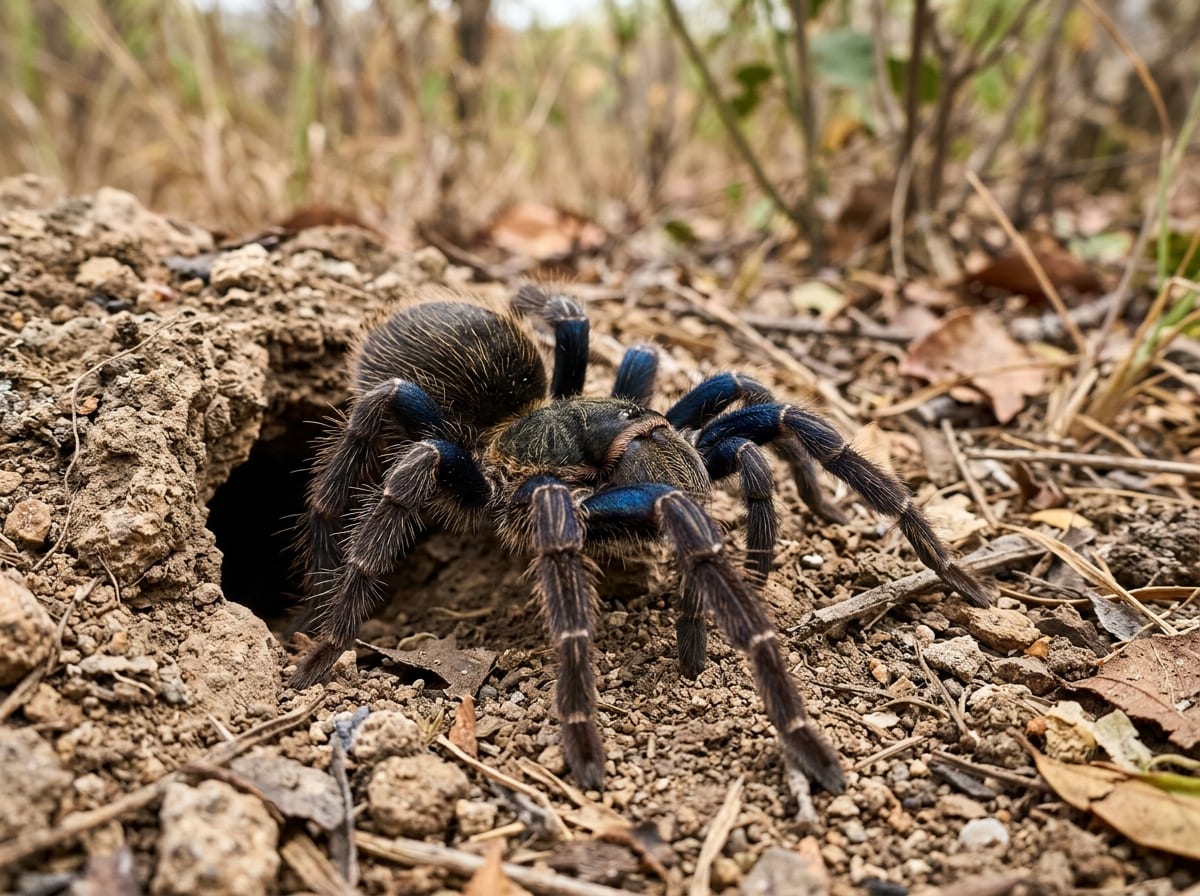
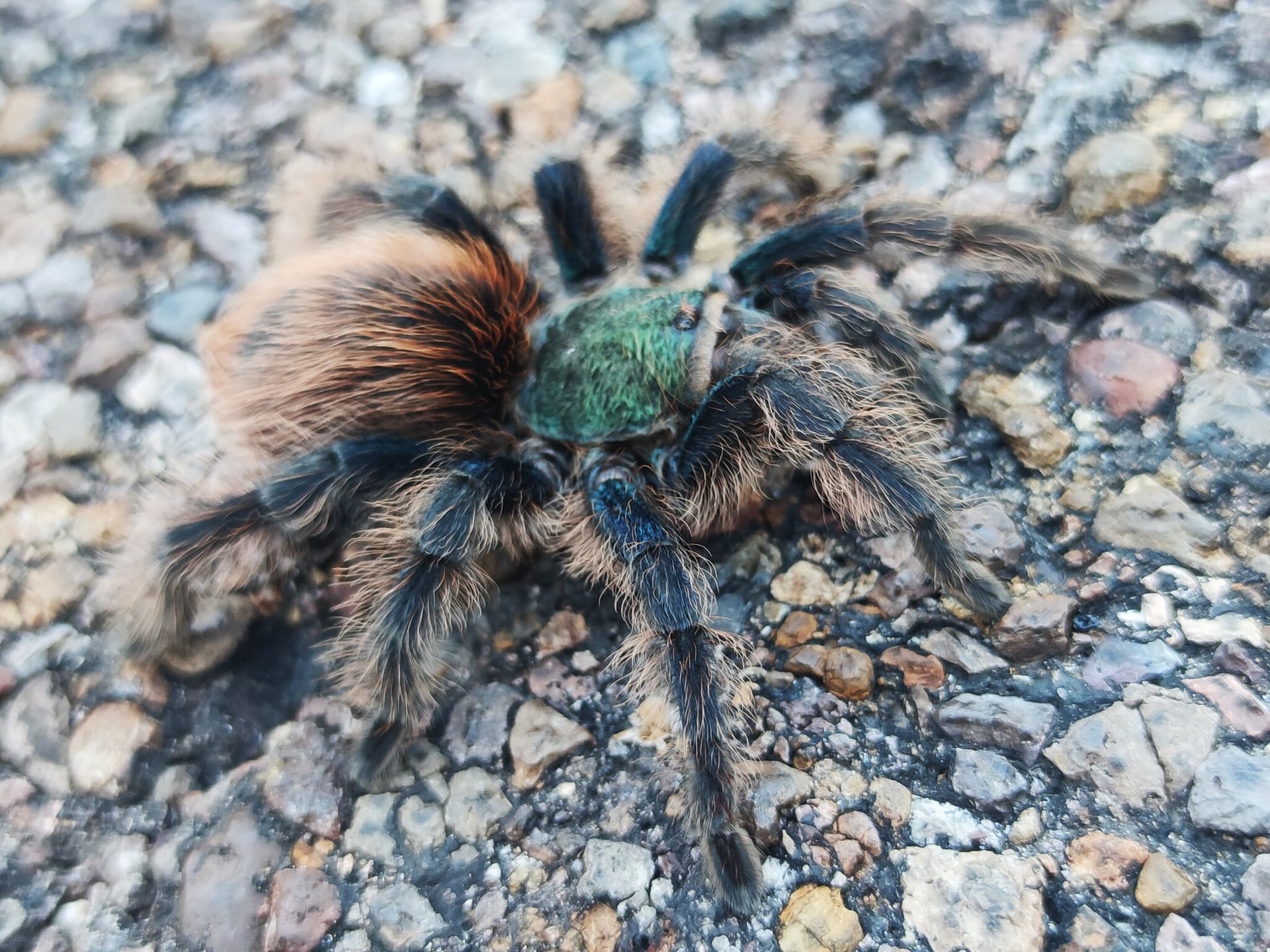
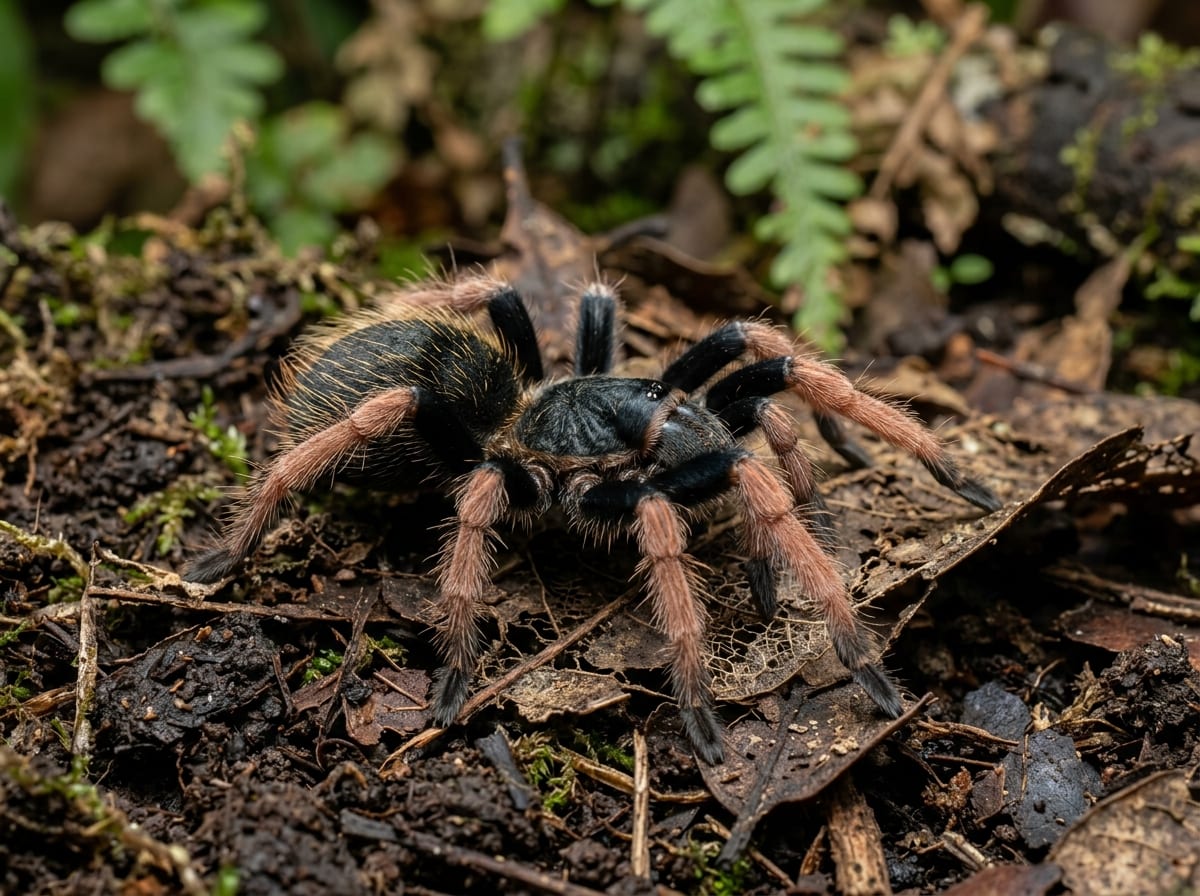
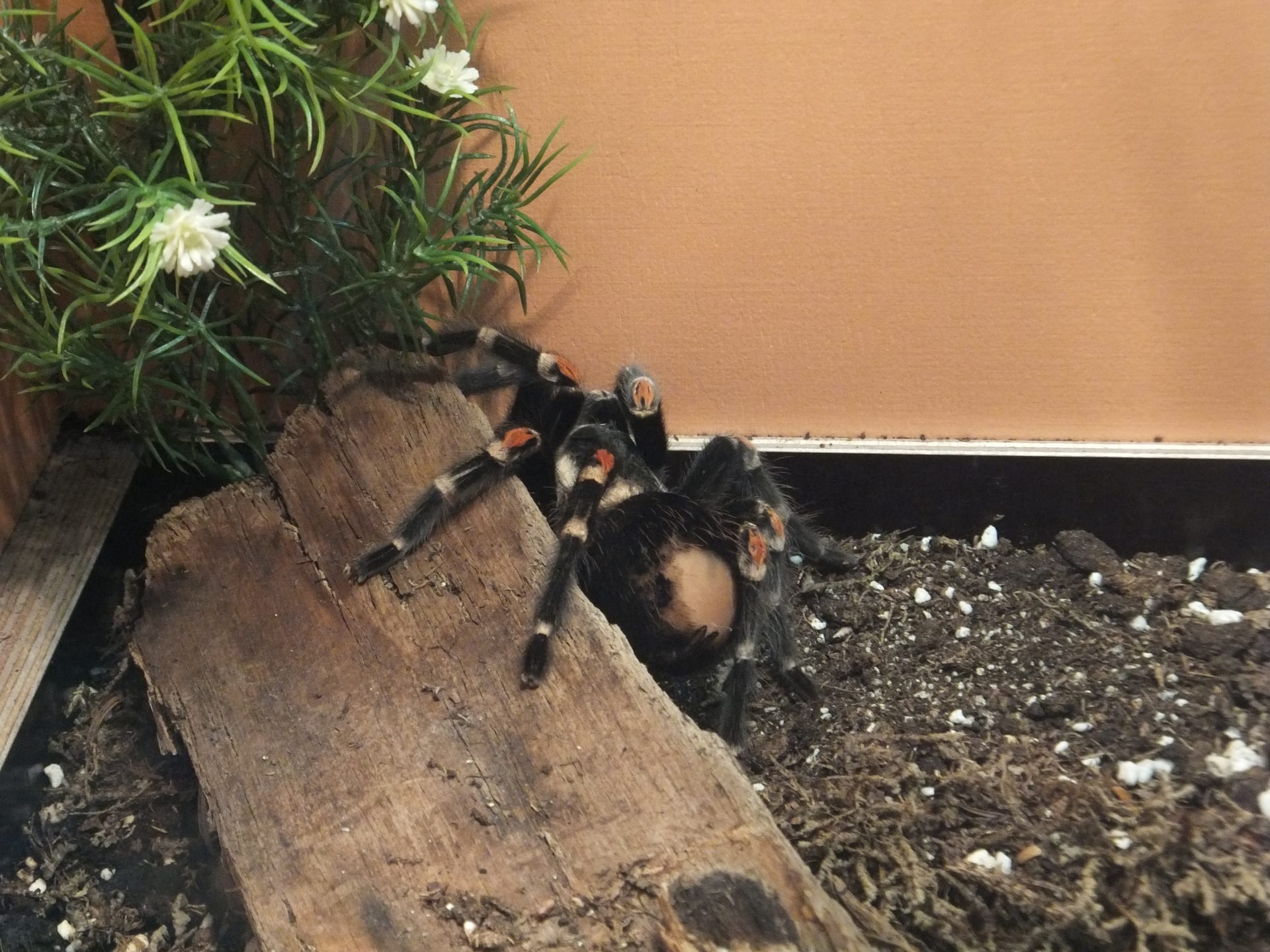
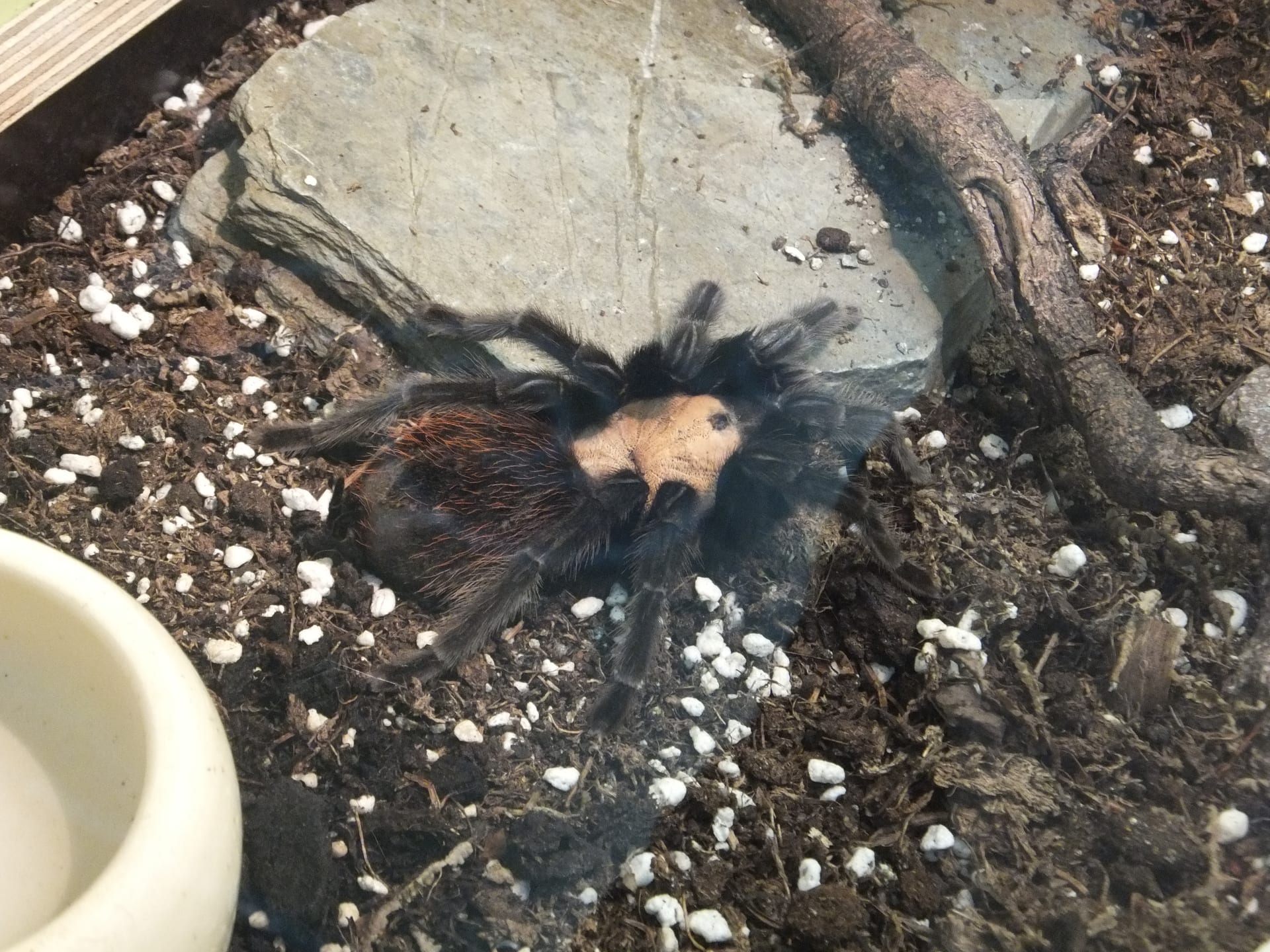
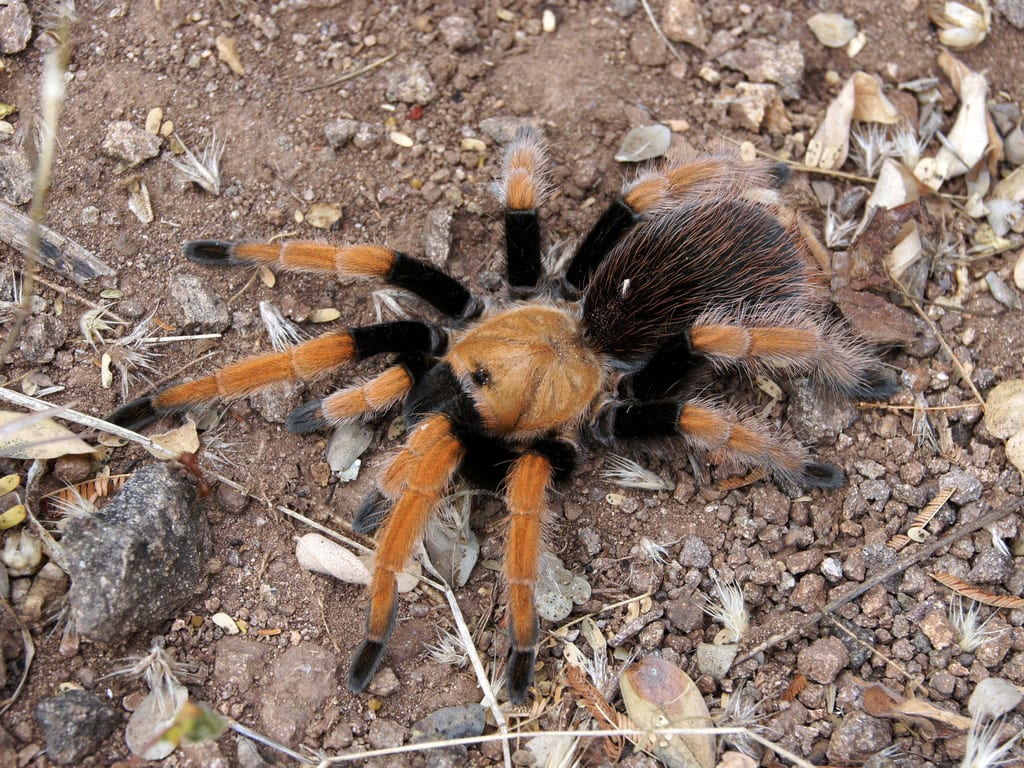
A terrestrial tarantula from south-western Mexico with an orange carapace and legs set against a black abdomen. It is docile and slow-growing, and females are said to live more than 20 years.
Difficulty
Beginner
Temperature
20〜24℃
Lifespan
Females up to 25 years / males about 7 years
Size
Diagonal leg span about 12 cm
Diet
Carnivorous (live insects such as crickets and roaches)
About
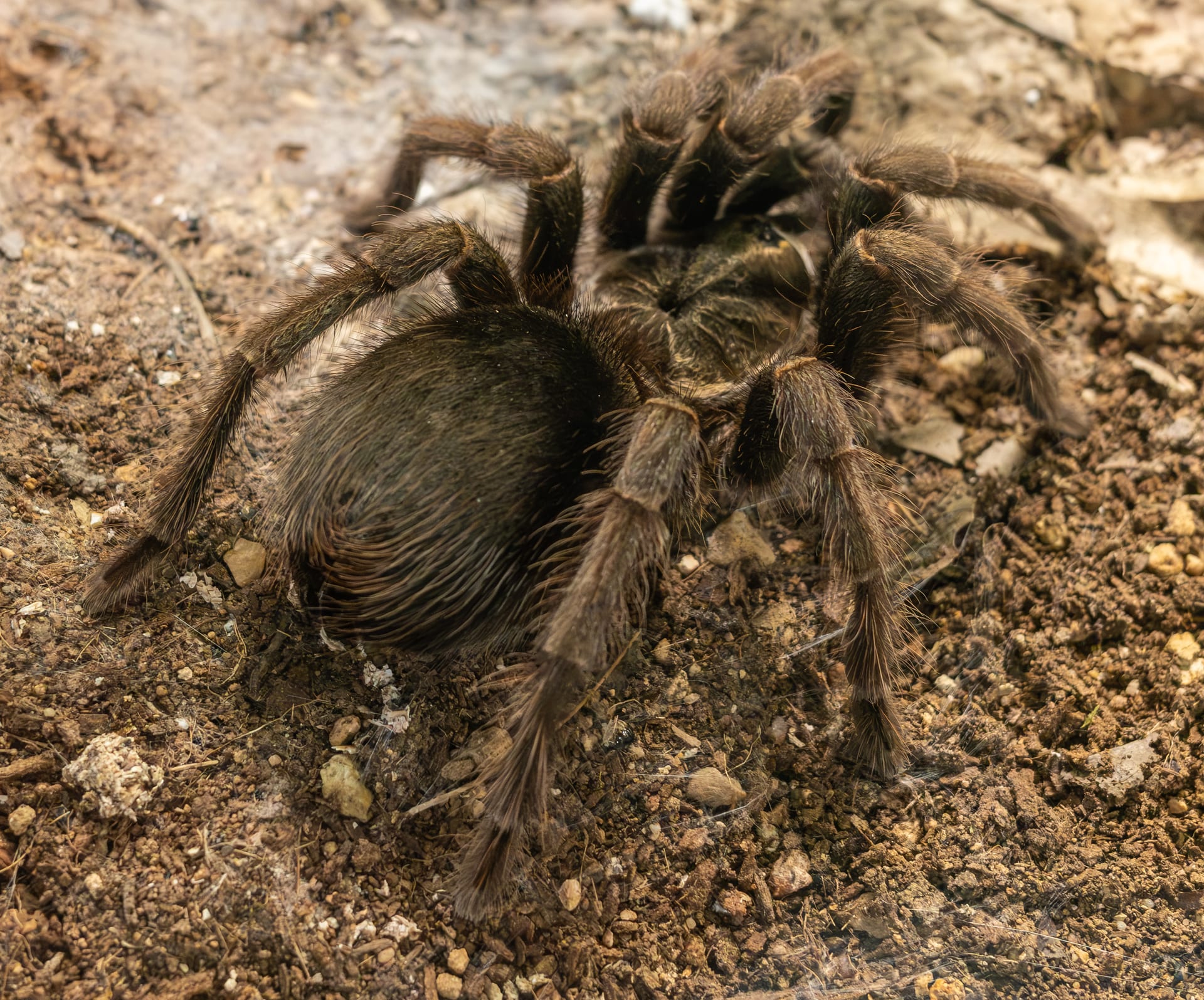
Aphonopelma bicoloratum Struchen, Brändle & Schmidt, 1996 is a terrestrial tarantula of the family Theraphosidae described in 1996; the name is Latin for 'two-coloured'. The legs are orange from the femur to the metatarsus with black tarsi and trochanters, the carapace is the same orange, and the abdomen and chelicerae are black, the abdomen covered in long slender reddish hairs. It lives in the dry forests and scrublands of south-western Mexico on the Pacific side, for example in Puebla among agave, yucca and prickly pear. As a New World species it has urticating hairs that it may kick off when threatened, but it is generally docile and slow-moving. It is often confused with Brachypelma boehmei but is typically a more intense orange. In Japan young are sold by specialist shops as a beginner species.
Source: Wikipedia (CC BY-SA 4.0)
Lifespan of the Mexican bloodleg
The Mexican bloodleg lives Females up to 25 years / males about 7 years.
Care information gives a diagonal leg span of about 12 cm, slow growth, and lifespans of up to 25 years for females and about 7 years for males.
Size of the Mexican bloodleg
The Mexican bloodleg grows to Diagonal leg span about 12 cm.
Temperature & humidity for the Mexican bloodleg
The ideal temperature for the Mexican bloodleg is 20〜24℃.
Basic Info
Origin
South-western Mexico (Pacific-side dry forest and scrub)
References & Sources
Edited & verified by: BreederDirect editorial team
The taxonomic, regulatory, and husbandry data on this page are compiled and verified against the authoritative primary sources below.
Taxonomy & Authority
Regulations & Conservation Status
Not CITES-listed
It is not a designated invasive species, an uncategorised alien species or a taxon needing an identification certificate in Japan, and it is not listed by CITES (September 2026). It is a non-native tarantula, so keep it in escape-proof housing and never release captive animals.
Sources: Ministry of the Environment: List of regulated alien species, including taxa needing an identification certificate (JA) / Species+ CITES query (not listed)
Regulations may change. Always verify the latest information with the relevant authorities.
Mexican bloodleg Listings
Loading latest listingsFind listings for this species