Source: Wikimedia Commons
Cuban bronze tarantula
IntermediatePhormictopus auratus
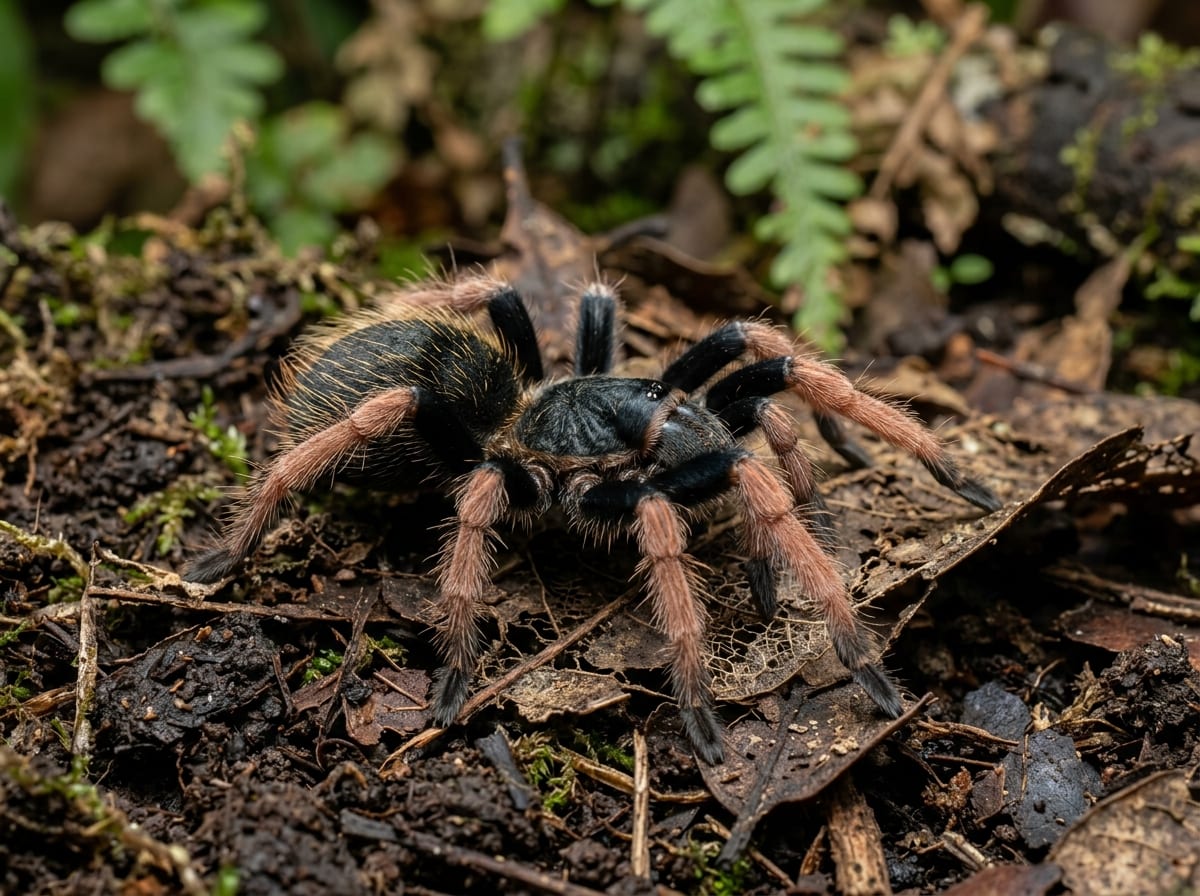
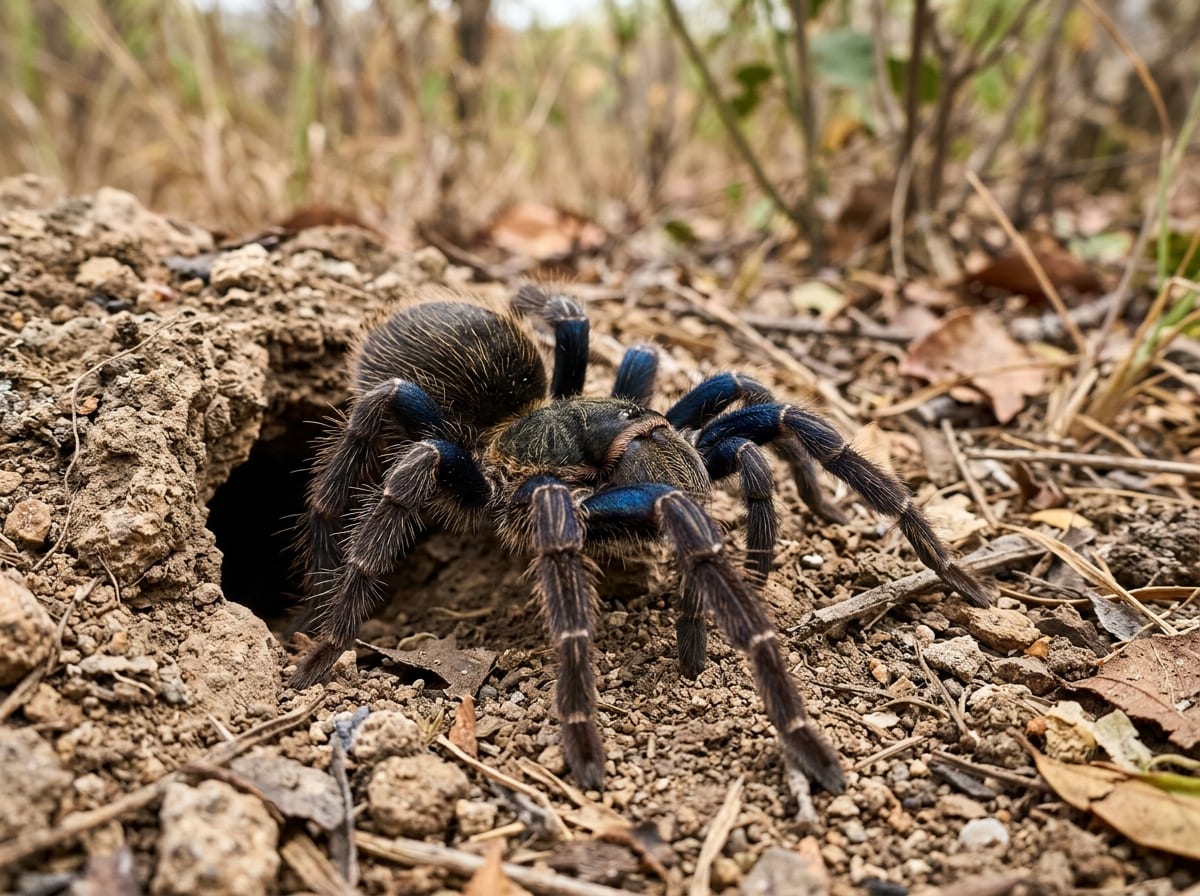
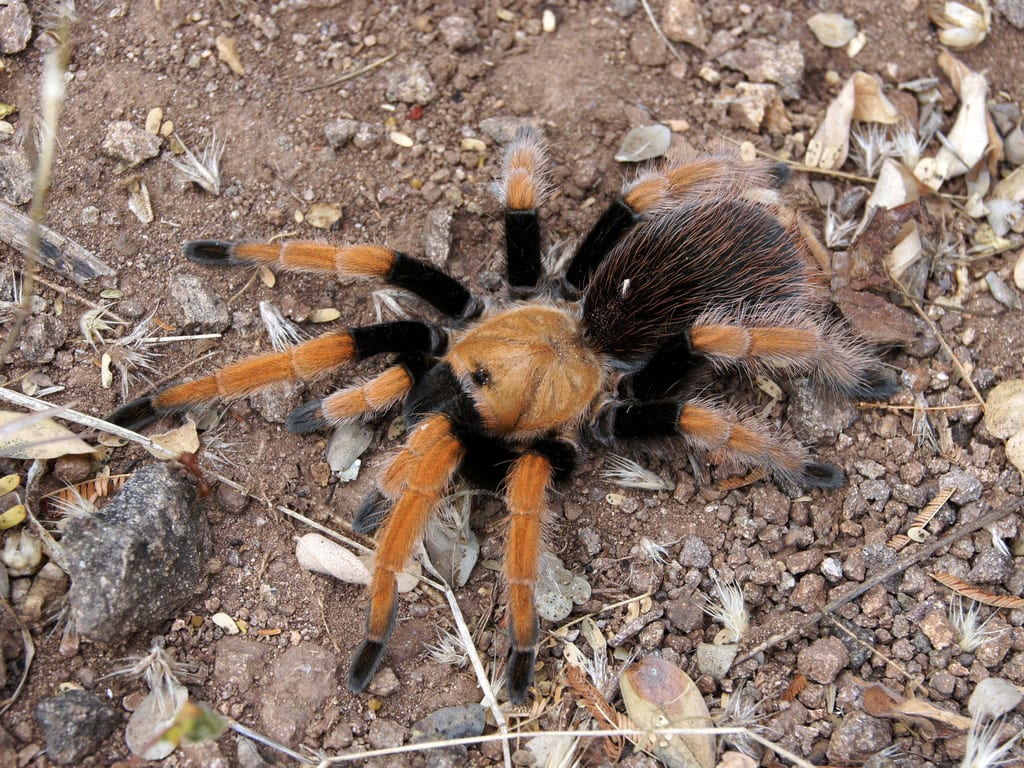
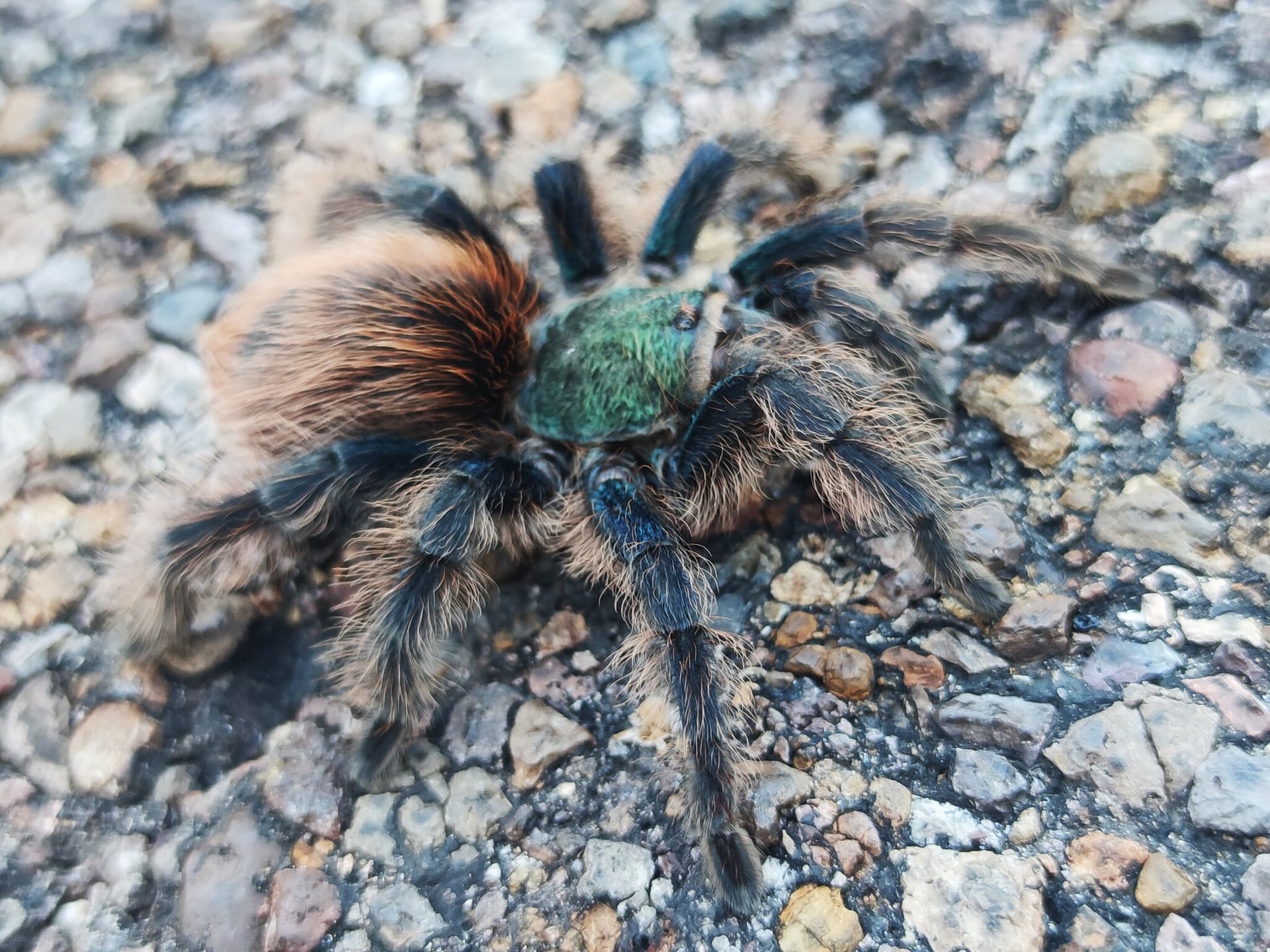
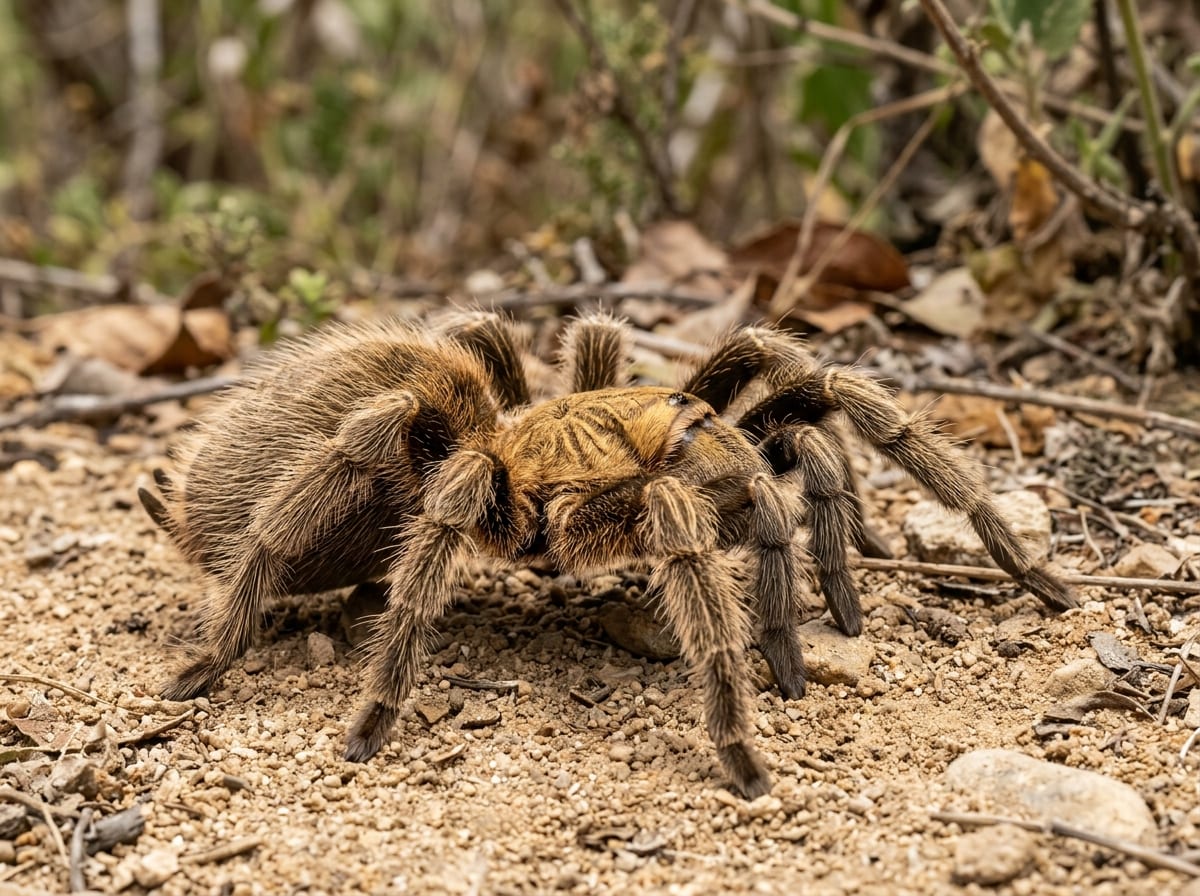
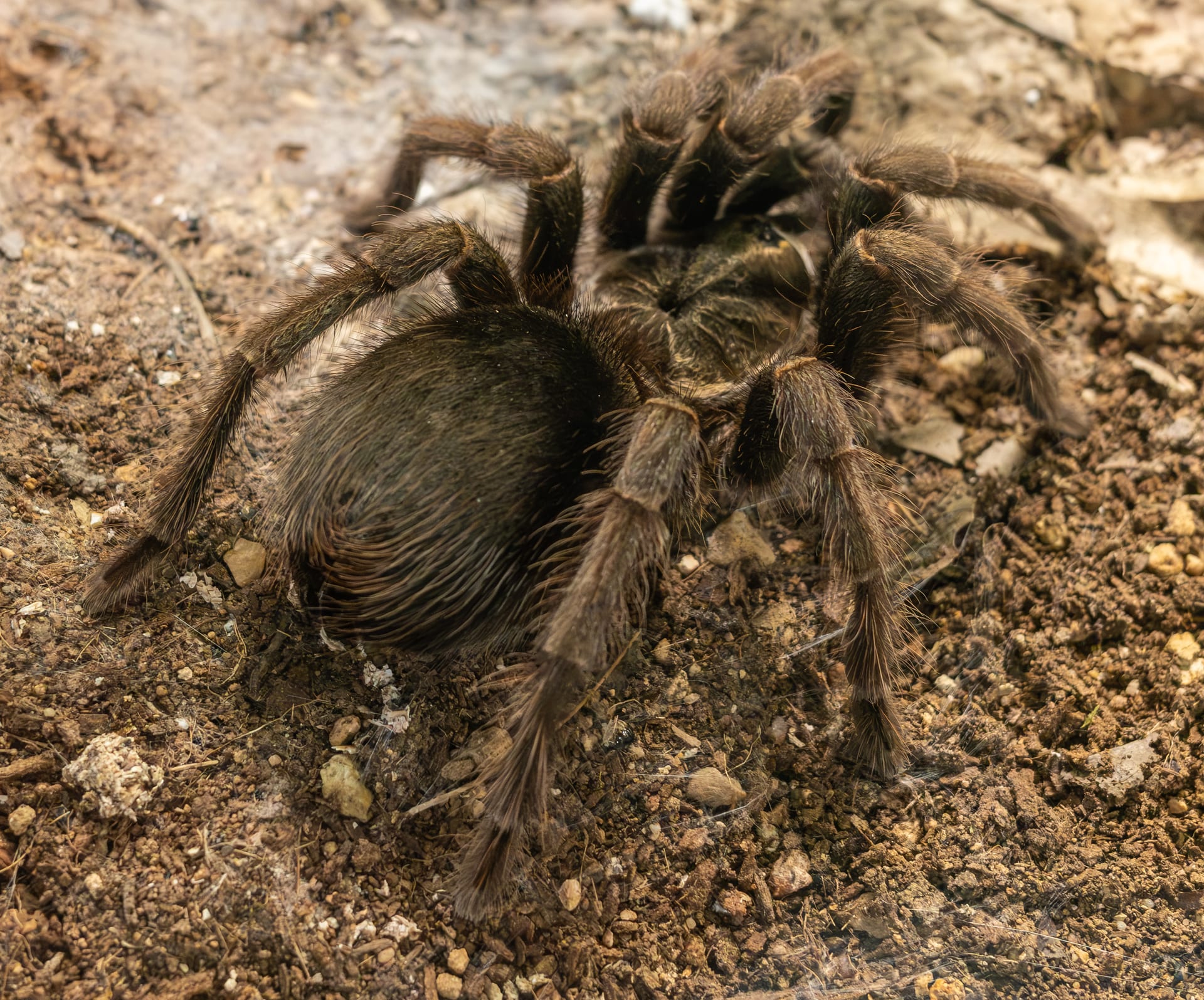
A large tarantula endemic to Cuba with a golden carapace and greyish hairs that can look blue in some light. It is terrestrial and burrows, but often wanders outside its retreat.
Difficulty
Intermediate
Temperature
20〜24℃
Lifespan
Females up to 15 years / males 4-5 years
Size
Body length about 9 cm; diagonal leg span about 18 cm (care information)
Diet
Carnivorous (live insects such as crickets and roaches)
About
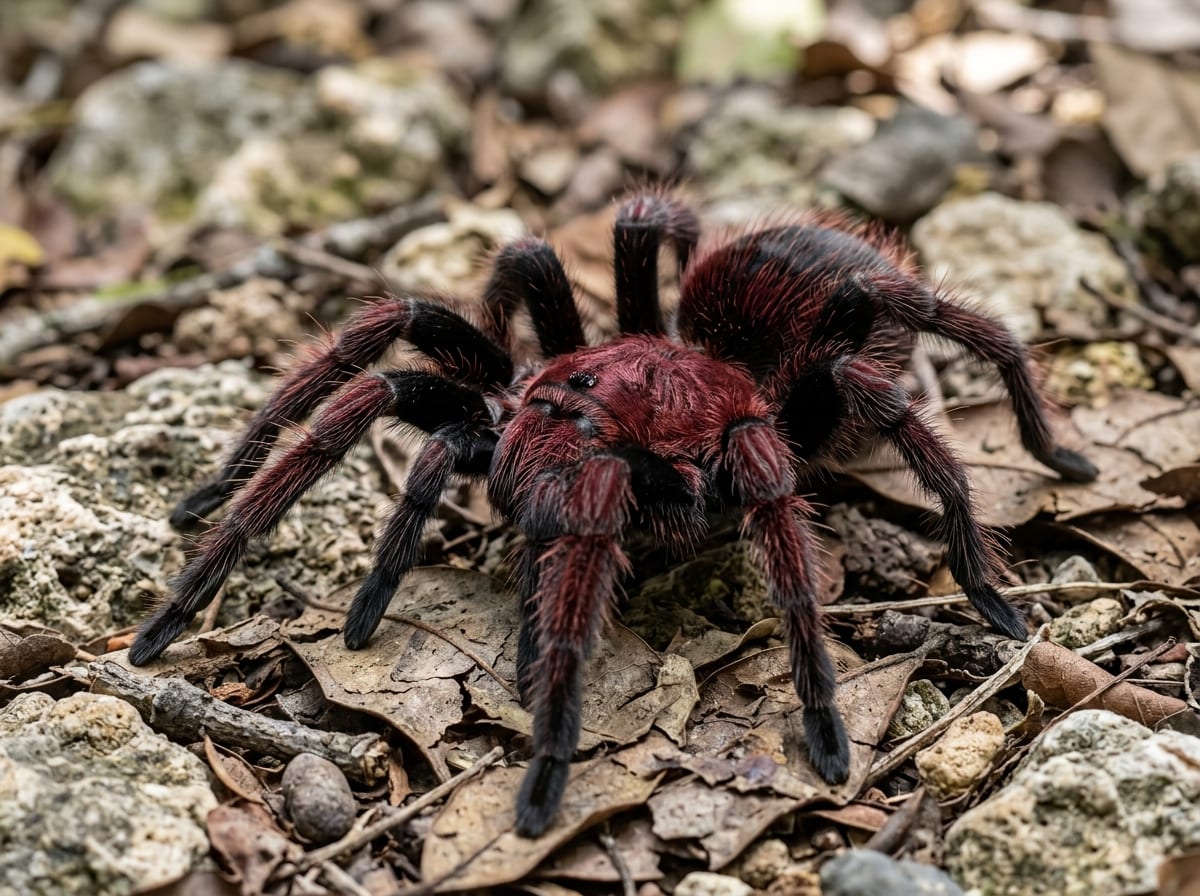
Phormictopus auratus Ortiz & Bertani, 2005 is a tarantula of the family Theraphosidae endemic to Cuba. David Ortiz and Rogério Bertani described it in 2005, naming it after its golden hairs (auratus means golden in Latin). It is found in the provinces of Camagüey, Las Tunas and Holguín. The carapace and legs are golden, with most of the legs covered in greyish hairs; the abdomen is black with grey hairs, and the hairs on the legs and abdomen can look blue in certain light. It is terrestrial and burrows a good deal, but is often out of its hide wandering about, and it is far from shy and can move quickly. As a New World tarantula it has urticating hairs but rarely kicks them; it is active, a strong feeder and sometimes feisty. Specimens have also been misidentified as other members of the genus. In Japan young are available from specialist shops.
Source: Wikipedia (CC BY-SA 4.0)
Lifespan of the Cuban bronze tarantula
The Cuban bronze tarantula lives Females up to 15 years / males 4-5 years.
Care information gives a body length of about 9 cm, a diagonal leg span of about 18 cm, a medium growth rate and lifespans of up to 15 years for females and 4-5 years for males.
Size of the Cuban bronze tarantula
The Cuban bronze tarantula grows to Body length about 9 cm; diagonal leg span about 18 cm (care information).
Temperature & humidity for the Cuban bronze tarantula
The ideal temperature for the Cuban bronze tarantula is 20〜24℃.
Basic Info
Origin
References & Sources
Edited & verified by: BreederDirect editorial team
The taxonomic, regulatory, and husbandry data on this page are compiled and verified against the authoritative primary sources below.
Taxonomy & Authority
Regulations & Conservation Status
Not CITES-listed
It is not a designated invasive species, an uncategorised alien species or a taxon needing an identification certificate in Japan, and it is not listed by CITES (September 2026). It is a non-native tarantula, so keep it in escape-proof housing and never release captive animals.
Sources: Ministry of the Environment: List of regulated alien species, including taxa needing an identification certificate (JA) / Species+ CITES query (not listed)
Regulations may change. Always verify the latest information with the relevant authorities.
Cuban bronze tarantula Listings
Loading latest listingsFind listings for this species