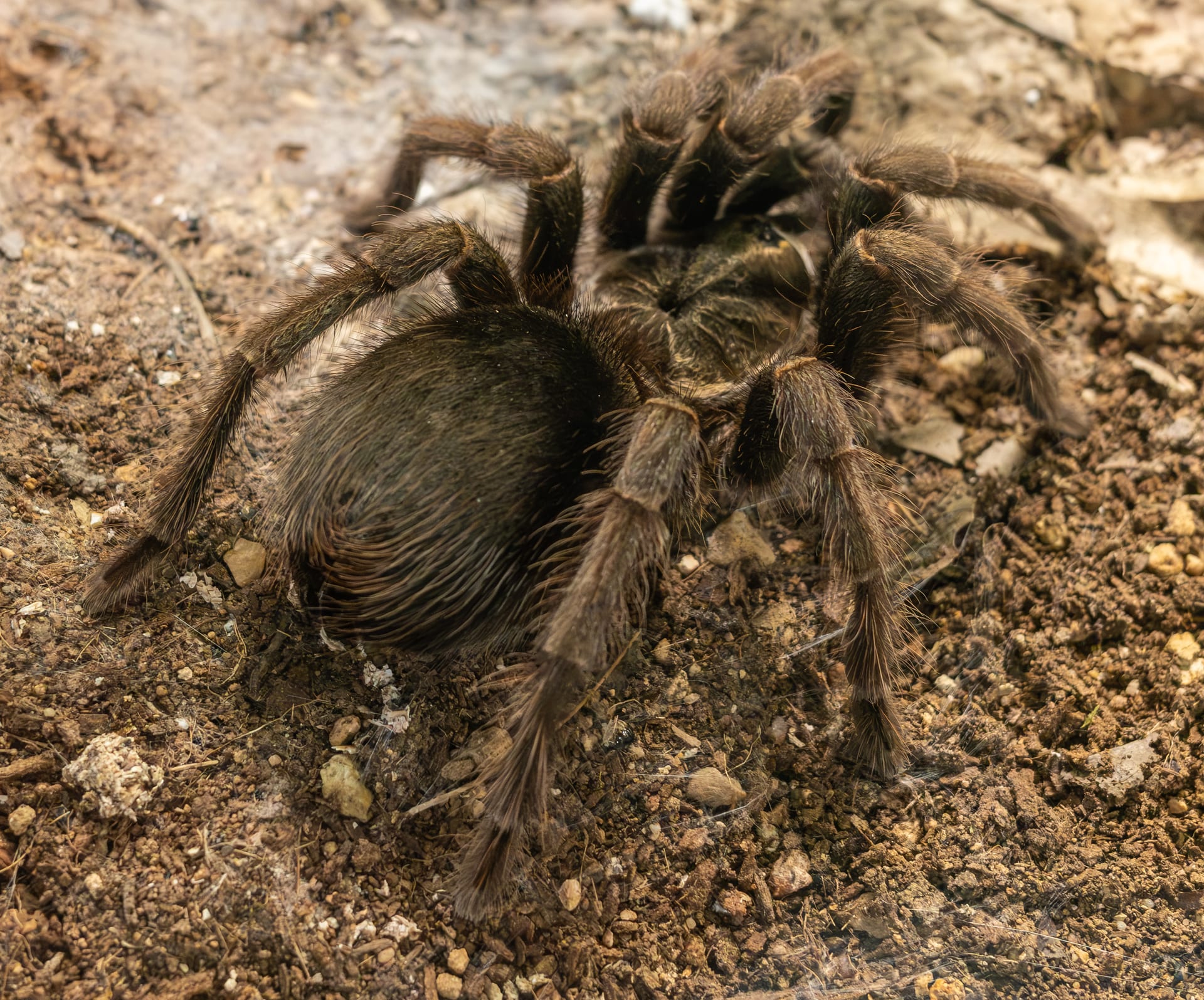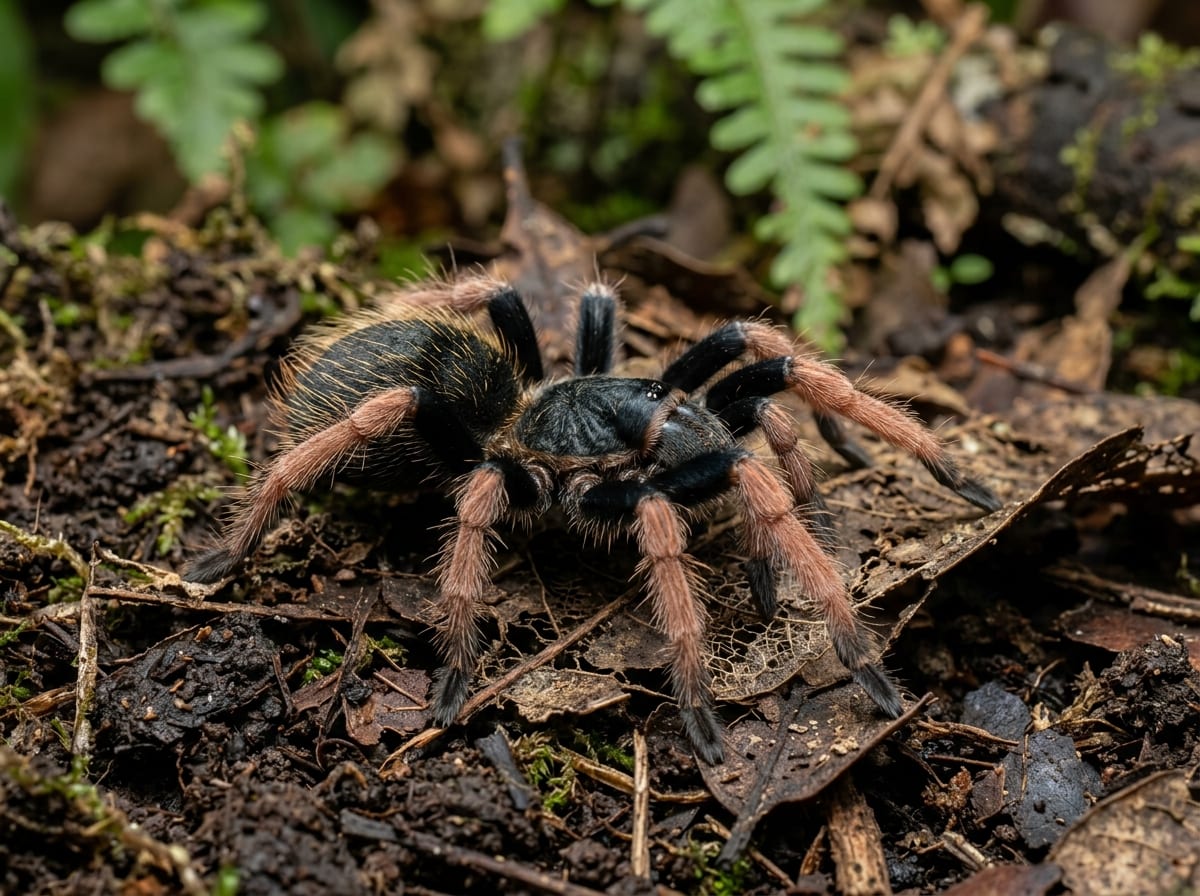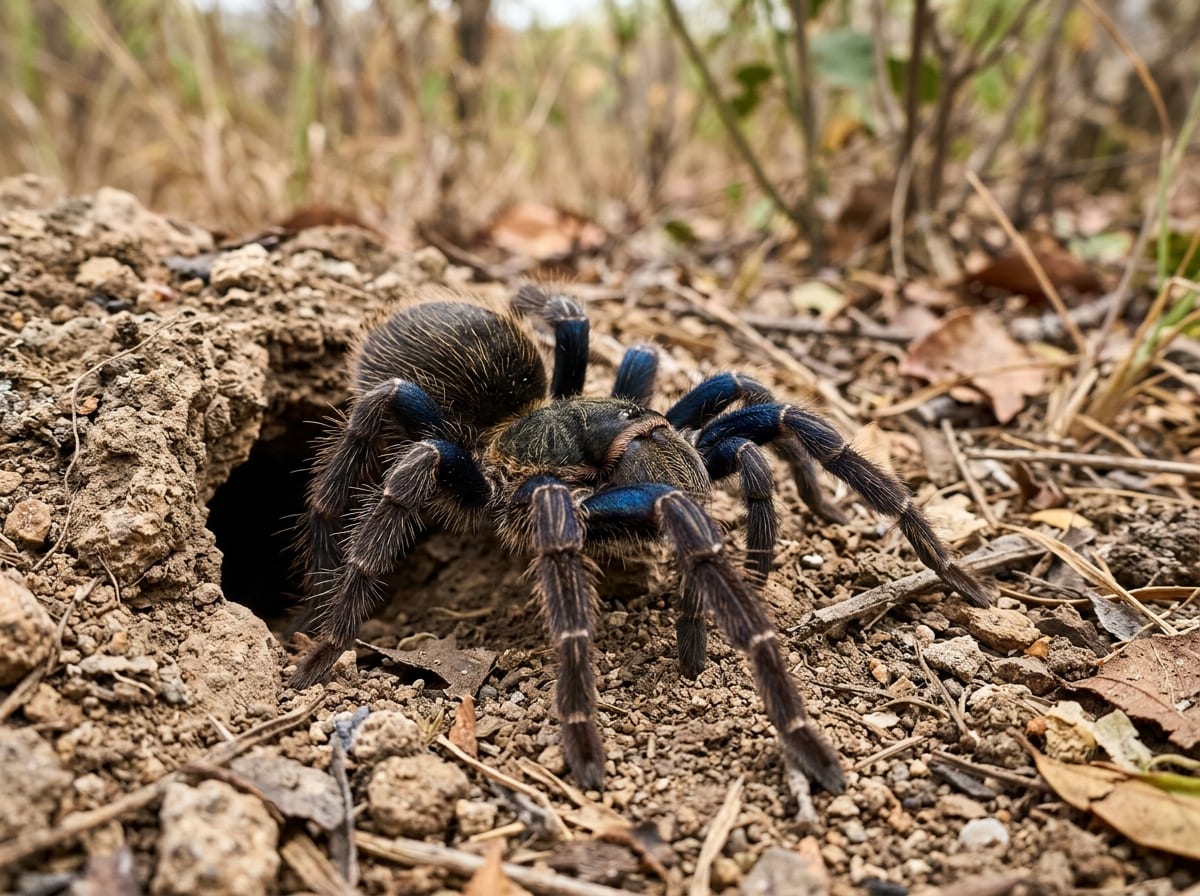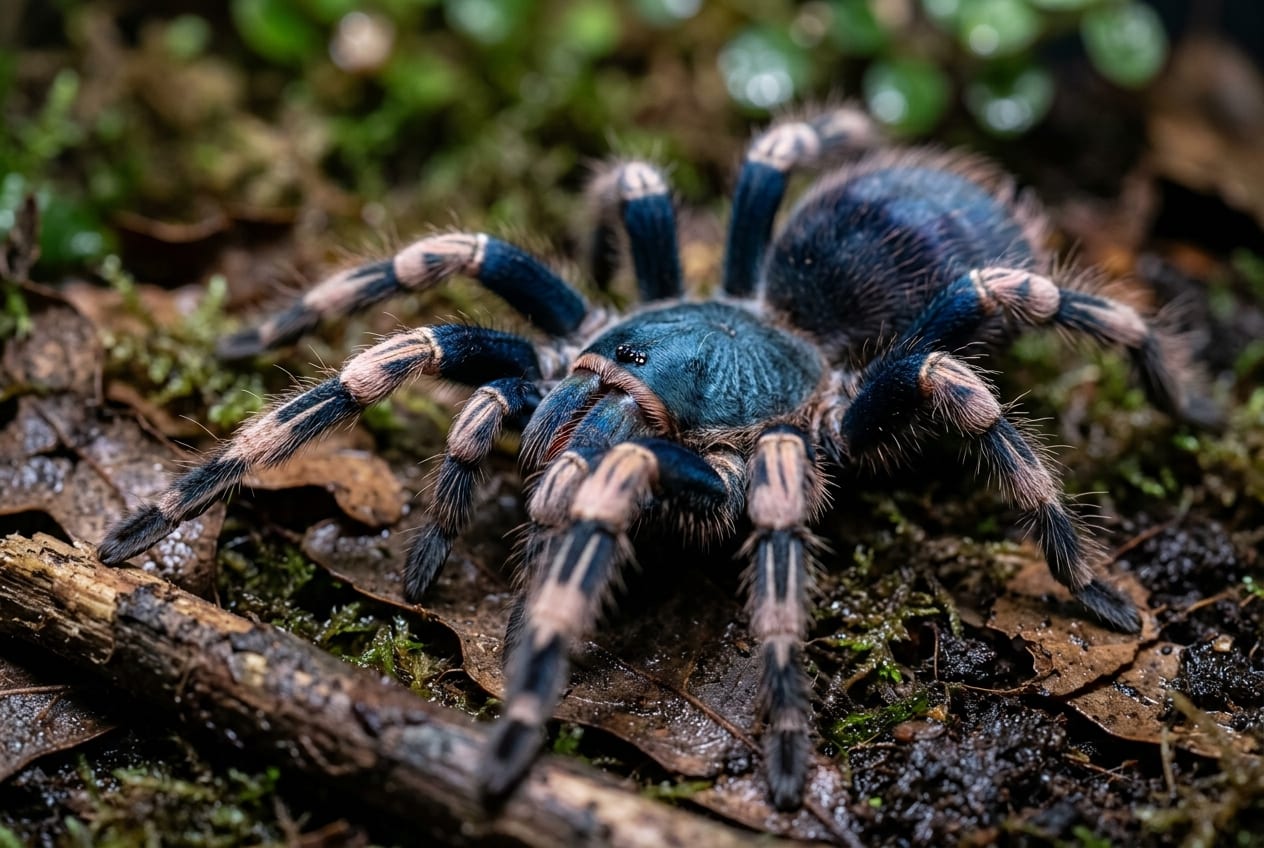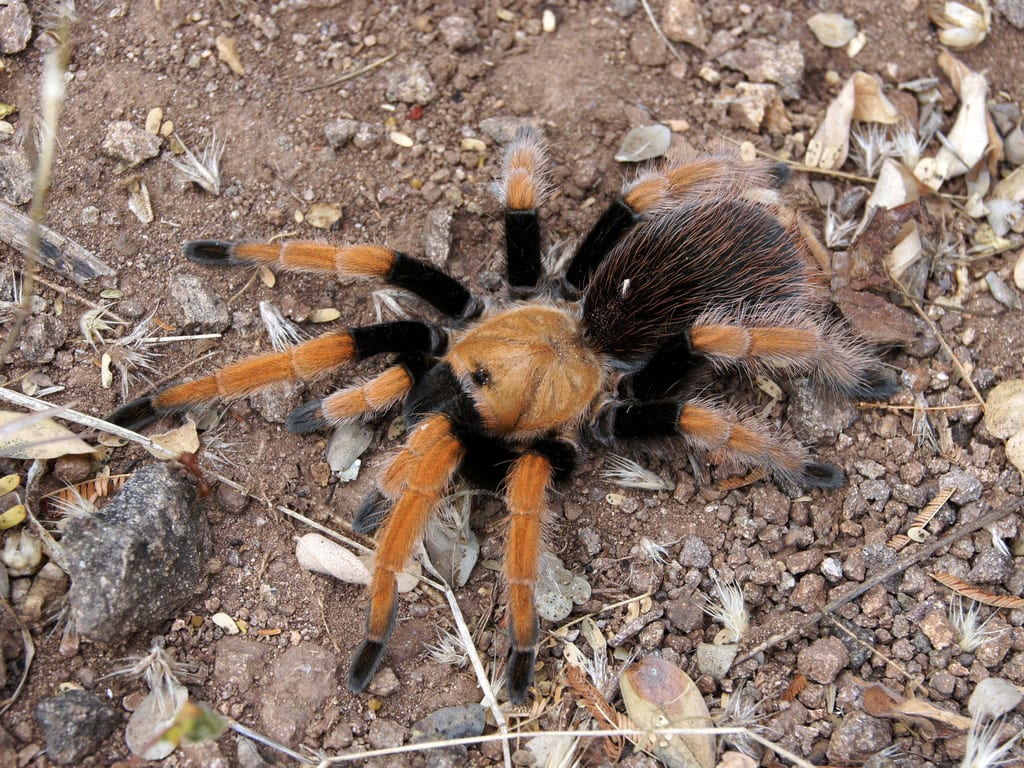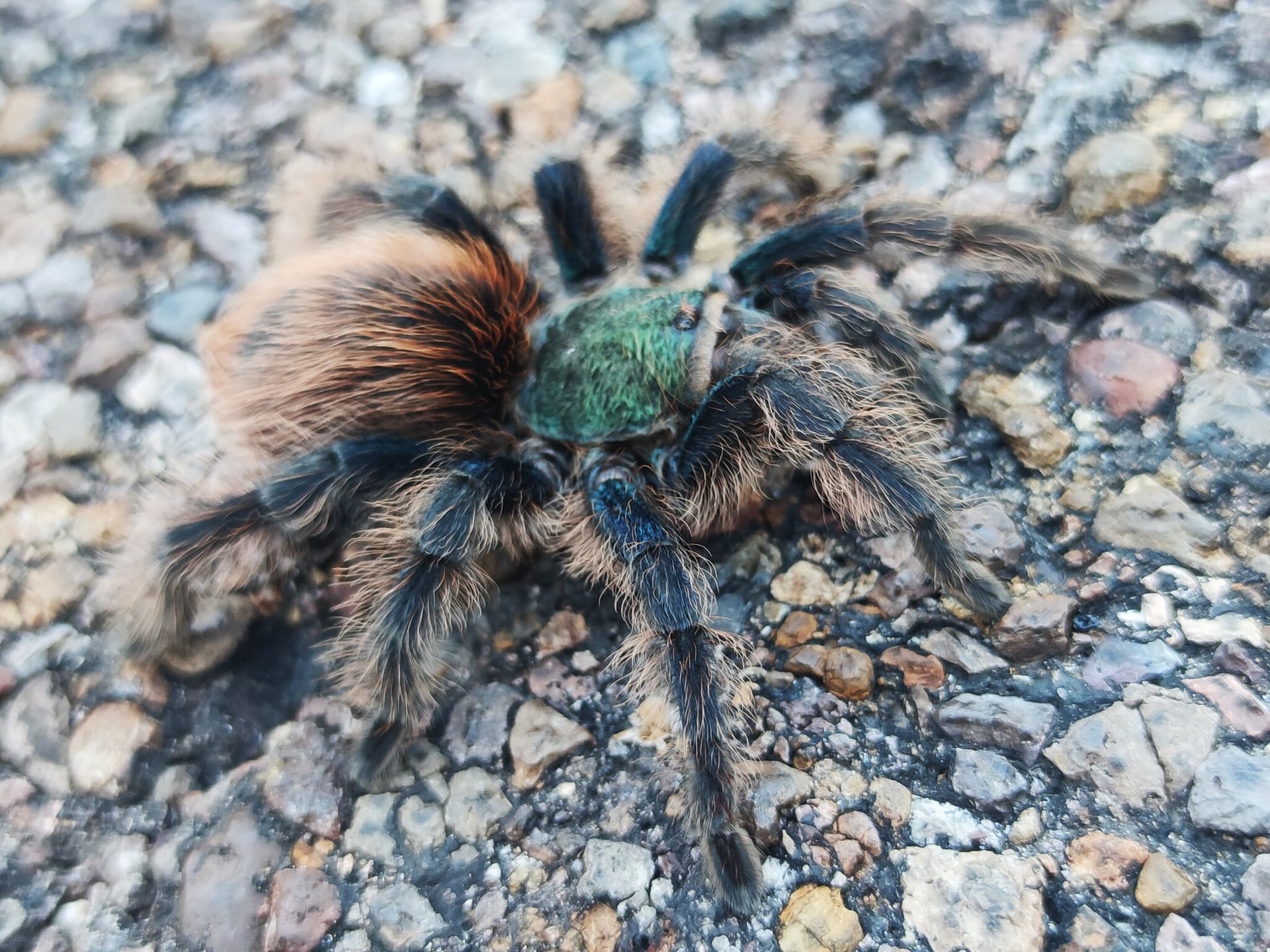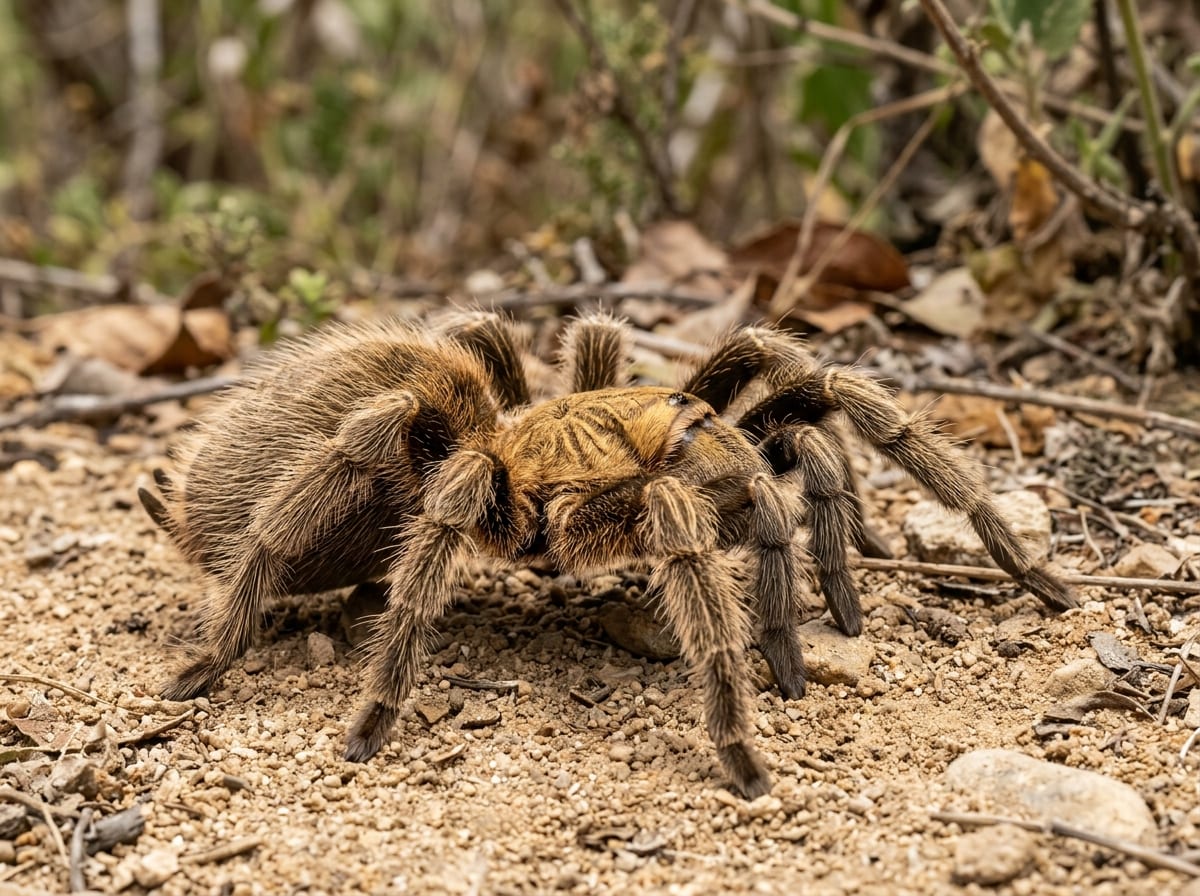
AI-generated image
Peruvian blonde tarantula
IntermediateLasiodorides polycuspulatus
A Lasiodorides tarantula from Peru, described in 1997, with L. rolinae (1999) treated as a synonym. It is rarely traded, and little has been published on its colouring or ecology.
Difficulty
Intermediate
Diet
Carnivorous (live insects such as crickets and roaches)
About
Lasiodorides polycuspulatus Schmidt & Bischoff, 1997 is a tarantula of the family Theraphosidae described in 1997. Its distribution, based on the World Spider Catalog, is Peru, and almost all records held by GBIF come from Peru. L. rolinae, described in 1999, is treated as a synonym. It is kept as a New World terrestrial tarantula, and in Japan it appears only occasionally, with its scientific name, on the lists of small specialist shops. Because information is limited, ask the seller about its origin and the temperature and humidity it has been kept at, and start from general terrestrial tarantula care while watching how it responds.
Basic Info
Origin
Peru
Diet
Carnivorous (live insects such as crickets and roaches)
Care Guide
Enclosure
Treat it as terrestrial: a wide enclosure with fairly deep substrate, a hide and a water dish. Keep singly.
Temperature & Humidity
Little temperature or humidity data exist for this species. Ask the seller how it has been kept and avoid extreme heat and dryness.
Diet & Feeding
Live prey such as crickets and roaches sized to the spider. Remove leftovers the next day.
Temperament & Venom
Little is documented about its temperament or venom. Many New World tarantulas carry urticating hairs, so wash your hands after maintenance and do not handle it.
References & Sources
Edited & verified by: BreederDirect editorial team
The taxonomic, regulatory, and husbandry data on this page are compiled and verified against the authoritative primary sources below.
Primary sources
Taxonomy & Authority
Regulations & Conservation Status
Not CITES-listed
It is not a designated invasive species, an uncategorised alien species or a taxon needing an identification certificate in Japan, and it is not listed by CITES (September 2026). It is a non-native tarantula, so keep it in escape-proof housing and never release captive animals.
Sources: Ministry of the Environment: List of regulated alien species, including taxa needing an identification certificate (JA) / Species+ CITES query (not listed)
Regulations may change. Always verify the latest information with the relevant authorities.
Peruvian blonde tarantula Listings
Loading latest listingsFind listings for this species