Lifespan of Peruvian Guinea Pigs and Tips for Longevity | Senior Care, Disease Prevention, and Nutritional Management
Explains the average and maximum lifespans of Peruvian guinea pigs, along with detailed guidance on diet, environment, and health management to promote longevity. Also introduces early detection and management strategies for diseases common in senior age (dental issues, tumors, arthritis).
Key Takeaways
Explains the average and maximum lifespans of Peruvian guinea pigs, along with detailed guidance on diet, environment, and health management to promote longevity. Also introduces early detection and management strategies for diseases common in senior age (dental issues, tumors, arthritis).
Related Species
Average Lifespan of Peruvian Guinea Pigs
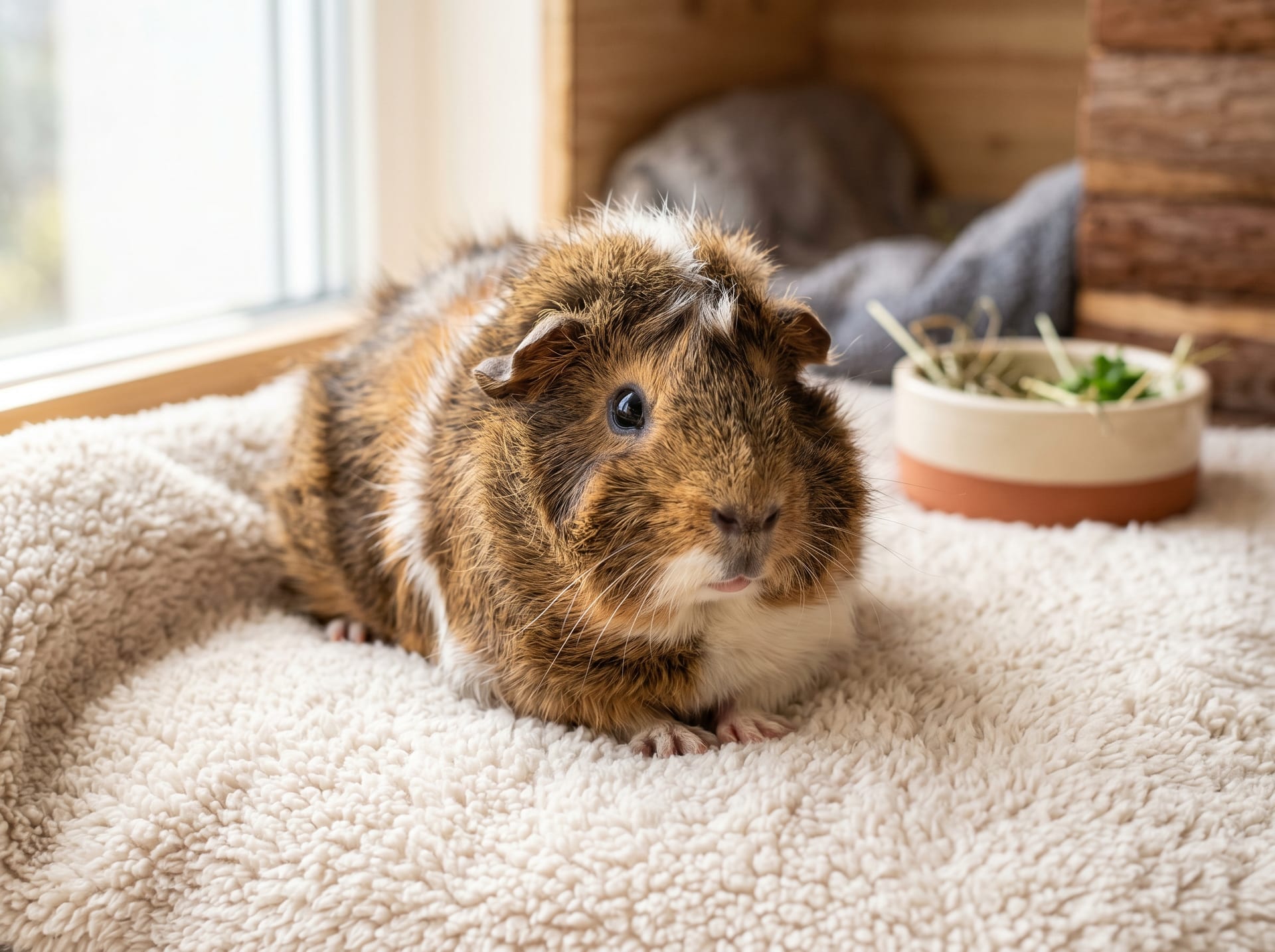
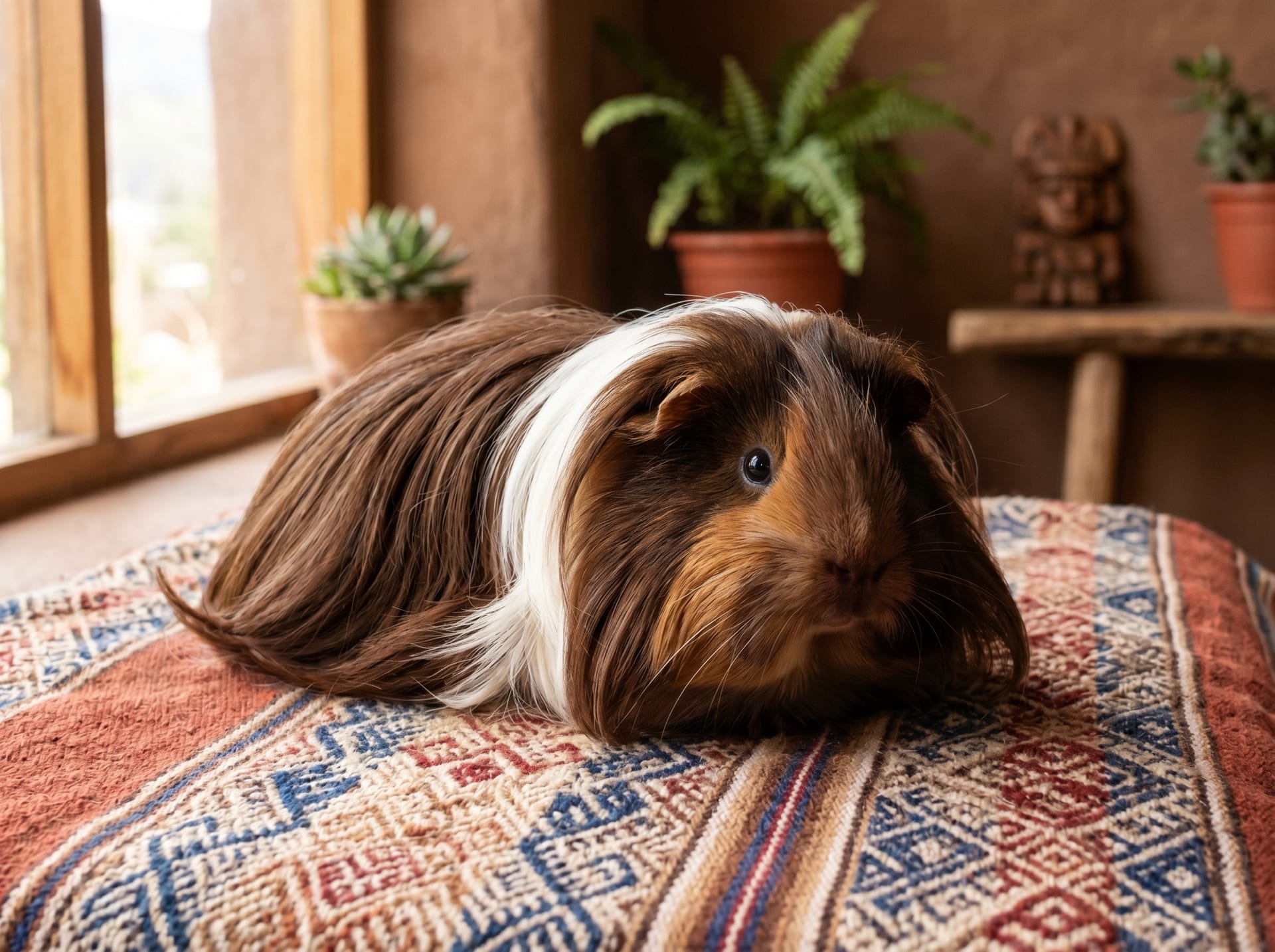
The average lifespan of Peruvian guinea pigs is 4–8 years, and with proper husbandry conditions and dietary management, it is not uncommon for individuals to live 8 years or longer. As a long-haired breed among guinea pigs, Peruvians are prone to skin problems and thermoregulation issues if their coat care is neglected, which impacts their healthspan.
The three factors that have the greatest impact on lifespan are stress, diet, and environmental temperature. Properly managing these is the first step toward longevity.
Key Factors Affecting Lifespan
- Diet: Adequate vitamin C intake, low-sugar and high-fiber diet composition
- Environment: Stable temperature of 18–24°C (64–75°F), a quiet space free from stress
- Socialization: Housing with multiple individuals of the same species (isolation is a major source of stress)
- Healthcare: Regular health checkups (1–2 times per year) and early treatment
Identifying Senior Age and Physical Changes
Guinea pigs enter "middle age" after 3 years, and those 5 years and older are generally considered to be in their "senior years." The following signs indicate that aging is progressing.
Signs of Aging
- Movements become slow; reluctance to climb steps or navigate elevation changes
- Coat becomes rough; reduced grooming behavior
- Decreased appetite and weight loss
- Eye cloudiness due to cataracts
- Loss of muscle mass (hind legs become thinner)
While aging itself is a natural change, rapid weight loss or complete loss of appetite are likely signs of illness, so consider consulting an animal veterinarian.
Common Diseases in Senior Peruvians and Prevention Strategies
Dental Problems (Malocclusion)
Guinea pig teeth grow continuously throughout their lives. Malocclusion, in which the teeth fail to align properly, is more likely to occur when hay (timothy) intake is insufficient, and signs include reduced appetite and wetness around the mouth.
Prevention: Provide hay (first-cutting timothy) available continuously. Hard vegetables (carrots, komatsuna stems) can be supplemented to aid tooth wear.
Tumors (Mammary and Skin Tumors)
This is a common disease in females 4 years and older. Regularly palpate to check for swelling in the mammary glands and lumps on the skin. Early detection allows for surgical treatment.
Prevention: Make it a habit to perform a full-body palpation once a month, and seek veterinary care early if any abnormalities are found.
Arthritis and Musculoskeletal Disease
In advanced age, arthritis develops, causing sluggish movements and reluctance to be handled. It is important to use thick bedding in the cage to cushion the impact on the joints.
Prevention: Use thick bedding (hay or fabric mats), and adjust the cage layout to minimize elevation changes.
Vitamin C Deficiency (Scurvy)
Guinea pigs cannot synthesize vitamin C in their bodies, so deficiency results in scurvy. Symptoms include subcutaneous bleeding, swollen gums, and joint pain.
Prevention: Incorporate vegetables rich in vitamin C into daily meals (bell peppers, broccoli, parsley). Since vitamin C in pellets oxidizes easily, prioritize fresh vegetables for supplementation.
Diet Management for Longevity
Recommended Diet Composition (Senior Years)
| Food | Proportion | Notes |
|---|---|---|
| Timothy hay | 70% | Available continuously. Promotes tooth wear and digestion |
| Vegetables | 15% | Komatsuna, bell peppers, broccoli, etc. Limit fruits with high sugar content |
| Senior pellets | 10% | Choose low-calorie, vitamin C-fortified formulas |
| Treats | 5% | Low-sugar options such as dandelion greens and dried herbs |
As guinea pigs age, their digestive function declines, so limit pellets to about 1–2% of body weight (daily amount) to prevent obesity from overeating. Obesity increases stress on the joints and shortens lifespan.
Stress Management and Mental Well-being
Guinea pigs are highly social animals. Solo housing causes stress from isolation and negatively impacts lifespan. Ideally, house two or more individuals of the same sex together.
Points for Maintaining Mental Health
- Regular routine: Feed, clean, and interact at roughly the same time each day
- Sound and light consideration: Avoid loud noises, direct sunlight, and extreme temperature fluctuations
- Safe hiding spots: Install shelters where they can hide when stressed
- Grooming time: Daily brushing is important communication that strengthens trust
Early Risk Detection Through Regular Health Checkups
For senior-age guinea pigs (5 years and older), two annual health checkups are recommended. Exams include weight measurement, dental assessment, abdominal palpation, and urinalysis. Weighing them weekly is especially helpful for early detection of abnormalities.
Choose a veterinary clinic that specializes in exotic animals or offers small animal and exotic care for more specialized treatment.
Summary: Five Principles for Longevity in Peruvian Guinea Pigs
- Hay-based diet to maintain vitamin C intake and dental health
- Stable environment of 18–24°C (64–75°F) to minimize stress
- Multi-animal housing to satisfy social needs
- Monthly palpation and weekly weight checks to detect abnormalities early
- Twice-yearly health checkups during senior years for early disease treatment
As a long-haired breed, Peruvian guinea pigs require coat care throughout their lives, but diet, environment, and medical care have an even greater impact on lifespan. Continuing to care for them with love is the best anti-aging care.