Extending the Lifespan of Peruvian Guinea Pigs: Age-Specific Care Guide and Longevity Secrets
This guide explains age-specific care to extend the lifespan of Peruvian guinea pigs (average 4–7 years). It covers the different dietary, environmental, and health management needs for young, adult, and senior stages, along with practical tips from breeders who have achieved longevity.
Key Takeaways
This guide explains age-specific care to extend the lifespan of Peruvian guinea pigs (average 4–7 years). It covers the different dietary, environmental, and health management needs for young, adult, and senior stages, along with practical tips from breeders who have achieved longevity.
Related Species
Average Lifespan of Peruvian Guinea Pigs and Factors Affecting Longevity
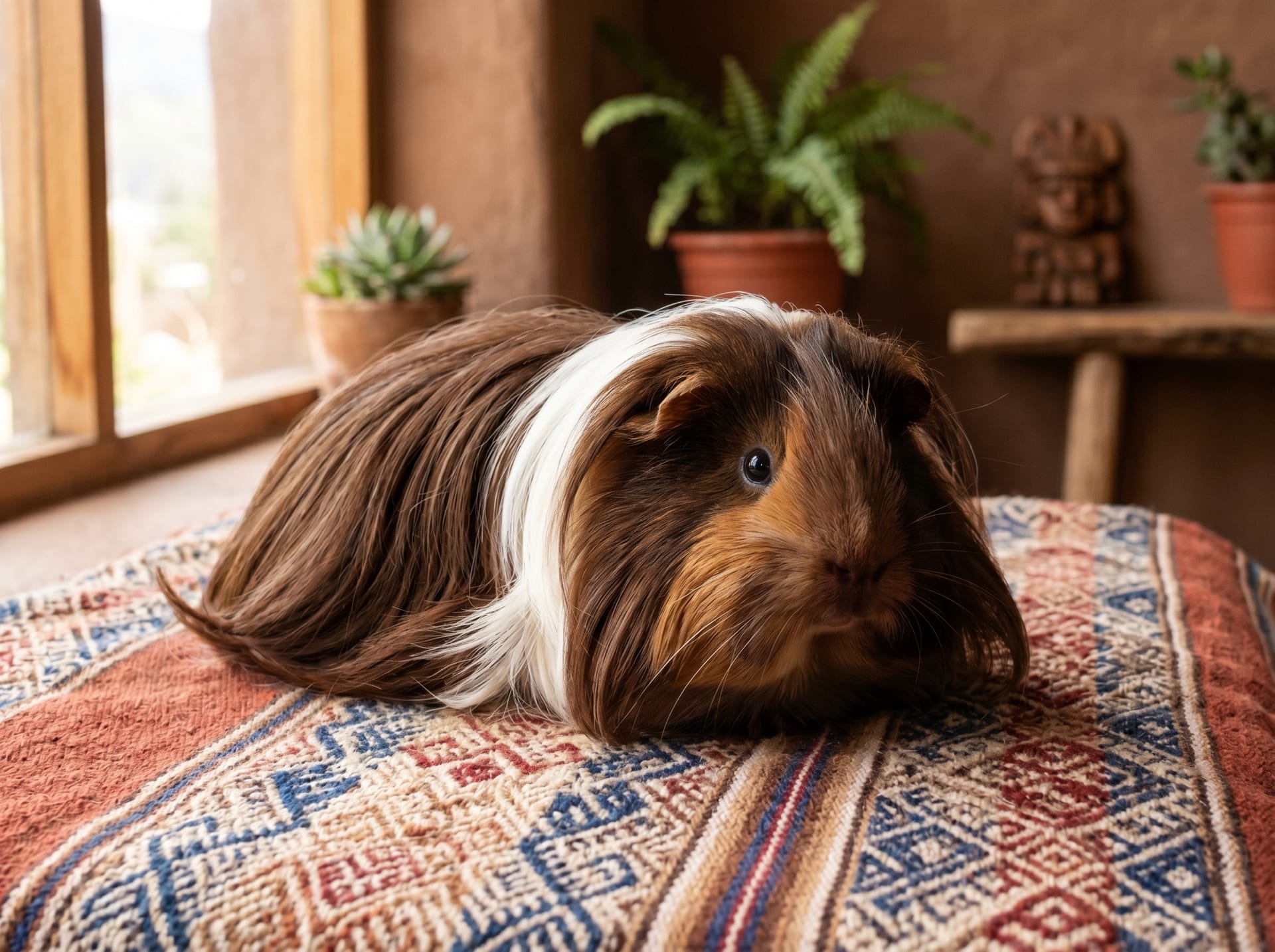
The average lifespan of Peruvian guinea pigs is 4–7 years. While this matches that of standard guinea pigs, the grooming demands and skin issues unique to long-haired breeds can affect their health span.
Reports from around the world document cases of well-cared-for individuals living 8–9 years. The main factors determining lifespan length are as follows:
| Factor | Impact on Lifespan |
|---|---|
| Diet quality (timothy hay-based) | ★★★★★ |
| Proper temperature/humidity control | ★★★★☆ |
| Grooming frequency (matting & skin issue prevention) | ★★★★☆ |
| Regular veterinary check-ups | ★★★☆☆ |
| Low-stress living environment | ★★★☆☆ |
| Genetic factors (breeder quality management) | ★★★☆☆ |
The majority of lifespan is determined by the owner's management. This article explains optimal care for each life stage.
[Young Stage: Birth–3 Months] Critical Foundation-Building Phase
Weaning Period (3–4 Weeks Old) — Important Considerations
Guinea pigs are weaned from their mother at 3–4 weeks old, and management during this period largely determines their future immune function and constitution.
Diet Management
- Introduce timothy hay from birth (essential for digestive system development)
- Introduce adult pellets in small amounts immediately after weaning
- Alfalfa hay may be mixed in to supplement nutrients similar to mother's milk (avoid in later stages due to high calcium)
- Keep fresh water available at all times
Environmental Management
- Maintain temperatures of 20–24°C (young guinea pigs have immature temperature regulation)
- Cohabitation with other young guinea pigs is ideal (single housing increases stress from loneliness)
- Provide adequate hiding spaces within the cage
Socialization Period (1–2 Months Old)
Acclimating them to human handling during this period significantly influences stress levels later.
- Establish daily handling for 10–15 minutes
- Familiarize them with touching their long hair to reduce resistance to grooming
- Avoid sudden temperature changes, loud noises, and contact with cats or dogs
[Adult Stage: 3 Months–3 Years] Most Active Period
Adult Diet Management (Most Critical for Lifespan)
The quality of diet during adulthood has the greatest impact on future health.
Recommended Diet Balance
| Food Item | Proportion | Notes |
|---|---|---|
| Timothy hay (1st cutting) | 70% | Available 24/7. Prevents tooth wear and aids digestion |
| Pellets | 15% | Approximately 5g per 100g body weight (avoid overfeeding) |
| Fresh vegetables | 10–15% | 1–2 varieties daily in small amounts |
| Treats/fruit | Minimal | Due to high sugar/water content, limit to 1–2 times weekly |
Avoid alfalfa hay from adulthood onward. Excess calcium increases the risk of uroliths (bladder stones).
Foods to Avoid
- Onions, nira, or scallions (hemolytic anemia)
- Potato sprouts or green tomatoes (solanine toxicity)
- Avocado (persin toxicity)
- Excessive spinach (oxalic acid overload)
Adult Grooming (Specific to Peruvians)
Peruvian guinea pigs require brushing 3–4 times weekly. Neglecting this causes matting (felting) that compresses the skin, leading to dermatitis, itching, and secondary infections.
Grooming Steps
- Loosen the entire coat with a coarse comb (slicker brush)
- Use a fine-tooth comb to gently untangle from the roots
- For severe matting, avoid forceful pulling; gently untangle from the tips, or trim carefully with scissors if necessary
- Pay extra attention to the area around the anus and belly, which soil easily
Trimming Decision Trimming the coat during summer (July–September) or in senior years significantly reduces the risk of heatstroke and dermatitis. Consider professional grooming at a veterinary clinic or pet salon.
Exercise and Environmental Enrichment
Adult guinea pigs are recommended to have at least 30 minutes of out-of-cage exercise (free roaming) daily.
- Set up a safe playpen to create out-of-cage exercise space
- Place multiple wooden chew toys, tunnels, and hiding spaces
- Sunbathing by windows (no more than 30 minutes direct sun; watch for overheating) aids vitamin D production
[Senior Stage: 3+ Years] Extending Lifespan Through Geriatric Care
Signs and Changes in the Senior Stage
After 3 years of age, signs of aging gradually appear. Watch for the following changes:
| Change | Normal Aging | Veterinary Attention Needed |
|---|---|---|
| Reduced activity | Slower movement | Barely moves; loss of appetite |
| Coat changes | Reduced shine; white hairs | Patchy fur loss; red skin |
| Weight changes | Gradual decline | Sudden weight loss (>100g/month) |
| Fecal changes | Slightly softer stool | No stool output; persistent diarrhea |
Diet Adjustments for Seniors
In old age, tooth wear and declining digestive function occur.
Recommended Changes
- In addition to 1st cutting timothy, softer 2nd cutting is an option
- Maintain small pellet portions but avoid overfeeding (obesity stresses joints and heart)
- Give more vegetables (mizuna, bok choy, etc.) to encourage water intake
- Weigh weekly to catch sudden weight loss early
Common Senior Conditions and Prevention
Ovarian cysts: Common in unspayed females, appearing as abdominal bloating and appetite loss. Recommend ultrasound screening every 6 months after age 3.
Dental disease/malocclusion: Overgrown teeth cause appetite decline and weight loss. Prevention is achieved by providing ample timothy, but regular oral checks are needed in seniors.
Urinary disease (bladder stones/UTIs): Often caused by excess calcium and insufficient water. Prevention is based on timothy-centered diet and constant fresh water availability.
Arthritis: Common in larger or overweight individuals, manifesting as reduced mobility. Soften bedding (hay mats) and redesign the cage without step-ups.
Veterinary Visit Schedule for Geriatrics
For seniors (age 3+), follow this visit schedule:
| Examination | Frequency |
|---|---|
| General health check (weight, teeth, auscultation) | Every 4–6 months |
| Blood work/ultrasound (early disease screening) | Once yearly |
| Dental check and treatment if needed | Every 3–6 months |
Common Habits of Breeders Who Achieved Longevity
Among guinea pig breeders worldwide, those with individuals living 7+ years share common habits:
- Weigh daily to catch weight changes early
- Keep 2 or more for mental enrichment
- Never skip twice-yearly veterinary visits
- Maintain air control: ≤24°C in summer, ≥18°C in winter
- Keep timothy hay available 24/7 and avoid pellet overfeeding
Finding a Home for Comfortable Living with Peruvians
Before bringing home a long-haired small animal like a Peruvian guinea pig, confirm your living environment. When searching for pet-friendly rentals, using services like sumuie.jp and filtering for "pet-friendly" makes it easier to find accommodating properties.
Summary
Extending the lifespan of Peruvian guinea pigs requires age-appropriate care.
- Young stage: Proper temperature control, socialization, weaning nutrition
- Adult stage: Timothy-centered diet, grooming 3–4 times weekly, exercise space
- Senior stage: Regular vet visits, diet adjustments, early disease detection
While Peruvian long-haired guinea pigs require grooming throughout their lives, diet, environment, and veterinary care are more decisive for lifespan. Continued loving care is the ultimate anti-aging regimen.