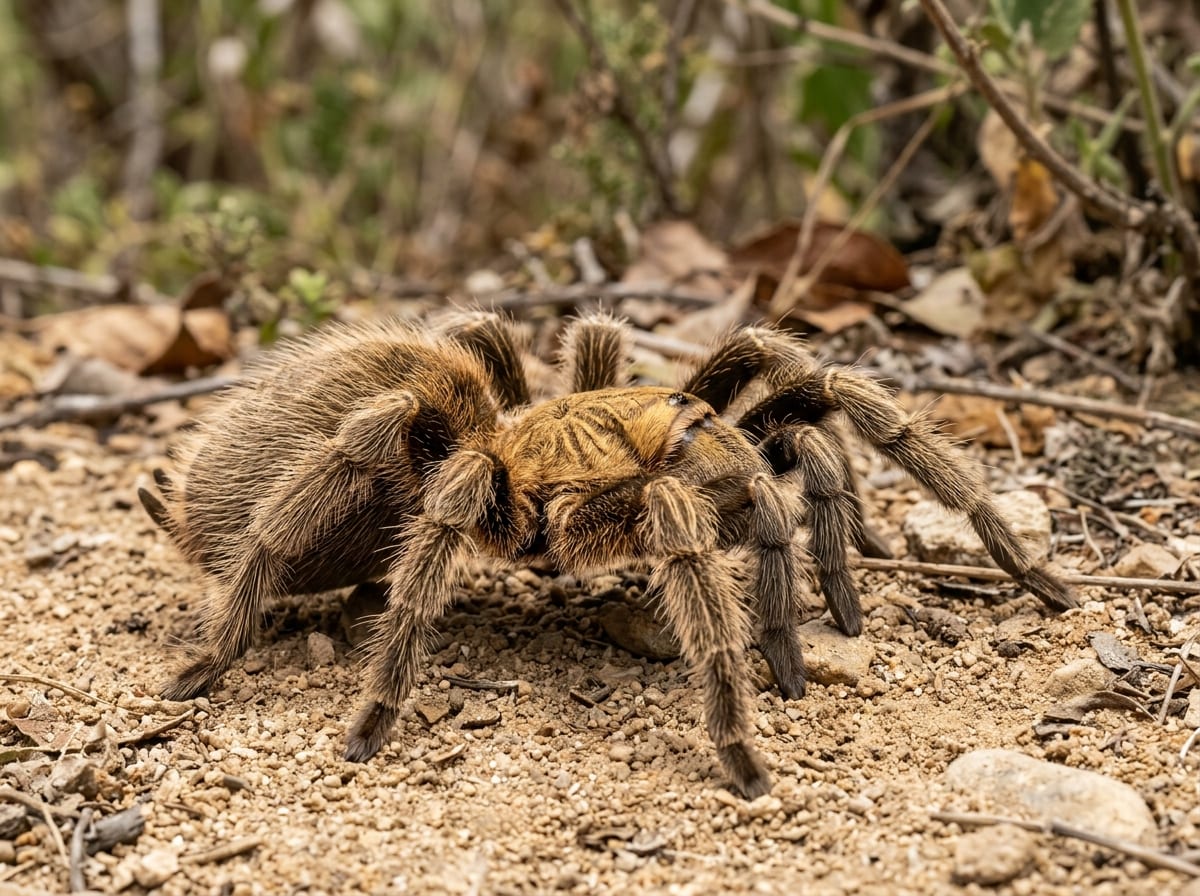
Peruvian blonde tarantula
The Peruvian blonde is a tarantula from Peru, placed in the genus Lasiodorides. The species was described in 1997, and L. rolinae, described in 1999, is treated as a synonym. It is not widely traded, and little has been published about its coloration or natural history, so keepers often gather information as they go. Its care level is rated intermediate, which suits people who already have experience with basic tarantula husbandry. Reliable figures for lifespan and adult size are scarce, so keeping notes as the spider grows is part of the appeal.
View Peruvian blonde tarantula encyclopedia →0% commission on your first sales!Register by September 30, 2026 and your first 2 sales are commission-free!
Breeder Wanted!
List on BreederDirect and sell directly to customers nationwide!
5 Transparency Standards You Can Trust
When listing Exotic Invertebrates, Breeders disclose the following. We guarantee transparency on growth stage and breeding unit.
- Real Photos
- Breeding Unit
- Generation Info
- Body Length (mm)
- Country of Origin
Browse all 286 breeds
Verified breeders wanted for Exotic Invertebrates
Breeders are signing up now ahead of launch. Subscribe to be notified when new listings go live.
Getting alerts is free with a member account. When new listings match your saved search, we'll notify you by email and in-app.
Browse other categories
Verified breeders (preview)
Are you raising exotic invertebrates?
Register as a breeder and connect with buyers directly.
Apply as a breederPeruvian blonde tarantula key facts
- Care level
- Intermediate
- Lifespan
- Little data
- Size
- Little data
- Diet
- Carnivorous (live insects such as crickets and roaches)
- Enclosure
- Treat it as terrestrial: a wide enclosure with fairly deep substrate, a hide and a water dish. Keep singly.
- Temperature & Humidity
- Little temperature or humidity data exist for this species. Ask the seller how it has been kept and avoid extreme heat and dryness.
- Diet & Feeding
- Live prey such as crickets and roaches sized to the spider. Remove leftovers the next day.
- Temperament & Venom
- Little is documented about its temperament or venom. Many New World tarantulas carry urticating hairs, so wash your hands after maintenance and do not handle it.
- Notes
- It is rarely traded and poorly documented, so confirm the scientific name and origin when buying. Secure the lid against escapes and never release captive animals.
About Peruvian blonde tarantula
Guide to the Peruvian blonde tarantula, a Lasiodorides species from Peru. Rated intermediate, with limited data on its biology. Care basics and what to check before you buy.
7 things to know before welcoming a Peruvian blonde tarantula
1A little-documented species
The reference data gives no reliable figures for lifespan or adult size, and records of coloration and behavior are limited. Rather than relying on a single care sheet, keep notes on how your own spider behaves. Asking the seller about their experience with the species can also help.
2What intermediate means
The care level is rated intermediate. It is easier to manage if you have already dealt with molts, feeding adjustments, and safe handling in other tarantulas. A species with more published care information is usually a better first spider.
3Enclosure and substrate
Since little is known about its habits, plan for a spider that burrows as well as one that stays on the surface: provide deep substrate and a hide. Add a shallow water dish and fasten the lid firmly so it cannot escape.
4Temperature and humidity
It comes from Peru, so avoid extreme cold, dryness, and stuffy, stagnant air. Specific target ranges are poorly documented, so use a thermometer and hygrometer and adjust based on the spider's activity and appetite.
5Urticating hairs
Most New World tarantulas carry urticating hairs on the abdomen for defense. Details for this species are scarce, so treat it as one that flicks hairs and do maintenance calmly. Hairs on the skin or in the eyes can cause discomfort, so consider protective gear when working in the enclosure.
6Appetite and molting
Offer insects sized to the spider and remove uneaten prey promptly. Before a molt, tarantulas may eat less and stay still, and their bodies are soft during and just after molting, so leave them alone. If refusal to eat continues, check for signs of molting and review the setup first.
7What to ask the seller
Ask about the spider's sex, molt timing, feeding records, and whether it was captive bred. Juveniles can be hard to sex, so ask how it was determined. When it arrives, let it settle in a quiet spot rather than handling it.
Frequently asked questions about Peruvian blonde tarantula
- Q.Is the Peruvian blonde suitable for beginners?
- A.It is rated intermediate. Because little has been published about the species, it is a safer choice once you are comfortable with basic tarantula care.
- Q.How long does it live?
- A.There is too little documentation to give a reliable figure. In many tarantulas females tend to outlive males, but confirmed information for this species is limited. It helps to ask the seller about their own experience.
- Q.How large does an adult get?
- A.Adult size is also poorly documented, so no reliable figure can be given. Individuals vary, so check the listing or ask the seller about the spider's current size and growth.
- Q.Does it have urticating hairs? Can I handle it?
- A.Most New World tarantulas have urticating hairs on the abdomen, so it is safest to treat this species as having them. Avoid handling it with bare hands, work calmly, and use protective gear where needed.
- Q.Can I keep several in one enclosure?
- A.Tarantulas are normally kept alone, and housing them together risks cannibalism. Keep each spider in its own enclosure.
Learn more about Peruvian blonde tarantula in the encyclopedia
View Peruvian blonde tarantula encyclopedia entry →
Care difficulty, lifespan, size and diet — all basics covered.
More in this category
Can't find the one you're looking for?
Post your wishes for free and breeders with matching animals will contact you with introductions.