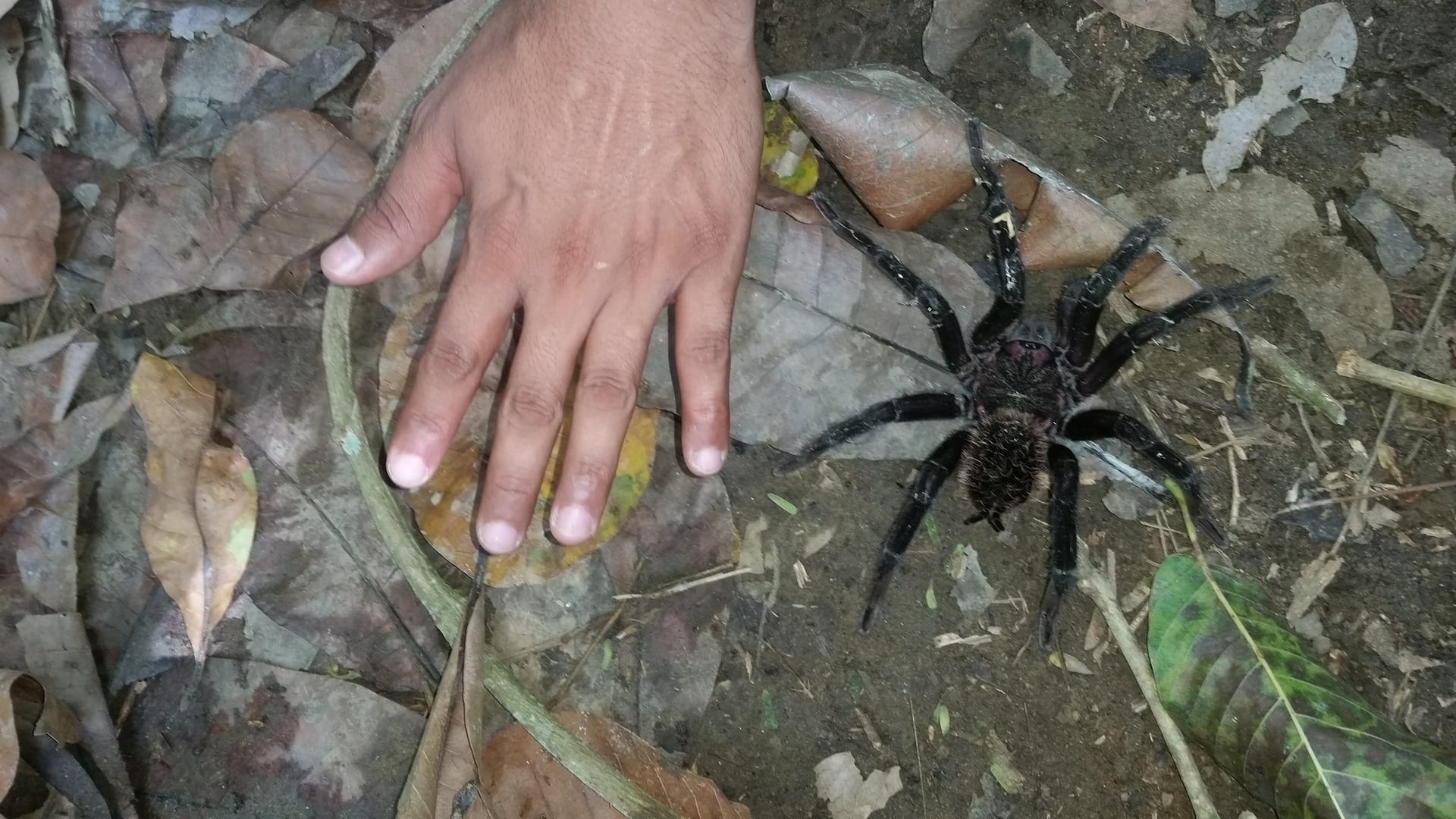
 © José Gabriel Julio Guzmán / CC BY 4.0
Colombian Lesser Black
The Colombian Lesser Black is a large, ground-dwelling tarantula with a leg span reaching 25cm, its black body offset by a reddish sheen across the carapace and a coat of pale brown hairs covering the abdomen. Its substantial size and grounded, deliberate presence give it real visual impact. It readily kicks urticating hairs when disturbed, so handling calls for experience. Captive breeding records remain limited, marking it as a species suited to keepers who already have tarantula experience.
View Colombian Lesser Black encyclopedia →0% commission on your first sales!Register by September 30, 2026 and your first 2 sales are commission-free!
Breeder Wanted!
List on BreederDirect and sell directly to customers nationwide!
5 Transparency Standards You Can Trust
When listing Exotic Invertebrates, Breeders disclose the following. We guarantee transparency on growth stage and breeding unit.
- Real Photos
- Breeding Unit
- Generation Info
- Body Length (mm)
- Country of Origin
Browse all 249 breeds
Verified breeders wanted for Exotic Invertebrates
Breeders are signing up now ahead of launch. Subscribe to be notified when new listings go live.
Getting alerts is free with a member account. When new listings match your saved search, we'll notify you by email and in-app.
Browse other categories
Verified breeders (preview)
Are you raising exotic invertebrates?
Register as a breeder and connect with buyers directly.
Apply as a breederColombian Lesser Black key facts
- Care level
- Advanced
- Lifespan
- Females 12-15 years, males 3-4 years
- Size
- Body 7-10cm, leg span 19-25cm
- Diet
- Large live insects such as crickets and roaches
- Temperature & Humidity
- Its habitat is rainforest from Central to northern South America, and conditions should approximate that.
- Enclosure
- Being large, it needs a correspondingly big enclosure. It burrows into banks in the wild, so provide deep substrate and a hide.
- Diet & Feeding
- It ambushes prey at the burrow entrance from dusk. Offer large live prey such as crickets and roaches when it becomes active.
- Temperament & Venom
- It is easily irritated and an effective hair-flicker, and if cornered it will threaten or bite, so it is not a species to handle.
- Notes
- Successful captive matings are uncommon and most traded animals are wild caught, so check provenance when buying. Two to three months after mating the female withdraws into her burrow and builds an egg sac about a month later; some 50-100 spiderlings emerge after roughly five weeks.
About Colombian Lesser Black
A large ground-dwelling tarantula with a leg span up to 25cm, known for its reddish carapace against a black body. Recommended for experienced keepers.
7 things to know before welcoming a Colombian Lesser Black
1Needs Ample Floor Space
As a ground-dwelling species with a leg span of 19-25cm, the enclosure should prioritize floor space over height. Provide a substrate layer deep enough for it to dig a burrow.
2Watch for Urticating Hairs
When it feels threatened, it kicks urticating hairs from its abdomen using its hind legs. These hairs can irritate skin or eyes on contact, so avoid bringing your face too close during enclosure maintenance.
3Naturally Defensive Temperament
Among large species, it tends to be especially defensive, and may move quickly or take a threat posture when startled. Approach this species as one to observe rather than handle regularly.
4Lifespan Differs Greatly by Sex
Females can live 12-15 years, requiring a long-term commitment, while males typically live only 3-4 years after maturing. Confirm the sex of the individual you're bringing home and plan accordingly.
5Extra Quiet Around Molting
Large tarantulas expend significant energy molting and are very delicate immediately afterward. When you notice signs of an approaching molt, such as reduced appetite or color changes, cut back on feeding and cleaning to avoid disturbing it.
6Confirm It Matches Your Experience
This species is considered suitable for experienced keepers. Consider your prior tarantula-keeping experience, including handling urticating hairs and managing a large enclosure, before bringing one home.
7Check the Growth Stage at Purchase
Adults reach a body length of 7-10cm and a leg span of 19-25cm, but enclosure size and feeding plans will vary depending on the growth stage of the individual you acquire. Check the listing details carefully before purchase.
Frequently asked questions about Colombian Lesser Black
- Q.Can beginners keep this species?
- A.The Colombian Lesser Black is considered suitable for experienced keepers. Because it readily kicks urticating hairs and shows a defensive temperament, we recommend gaining tarantula-keeping experience before bringing one home.
- Q.How large does it grow?
- A.As an adult, it reaches a body length of 7-10cm and a leg span of 19-25cm, making it a large species. You'll need to upsize the enclosure as it grows.
- Q.What is its lifespan?
- A.Females are long-lived at 12-15 years, while males typically live only about 3-4 years after maturing. The expected keeping period differs greatly depending on the sex of the individual.
- Q.Are the urticating hairs dangerous?
- A.When threatened, it kicks hairs from its abdomen, which can irritate skin or eyes on contact. Keep your face at a safe distance and work calmly during enclosure maintenance.
- Q.Are there legal restrictions on this species?
- A.The Colombian Lesser Black is not listed under CITES.
Learn more about Colombian Lesser Black in the encyclopedia
View Colombian Lesser Black encyclopedia entry →
Care difficulty, lifespan, size and diet — all basics covered.
More in this category
Can't find the one you're looking for?
Post your wishes for free and breeders with matching animals will contact you with introductions.