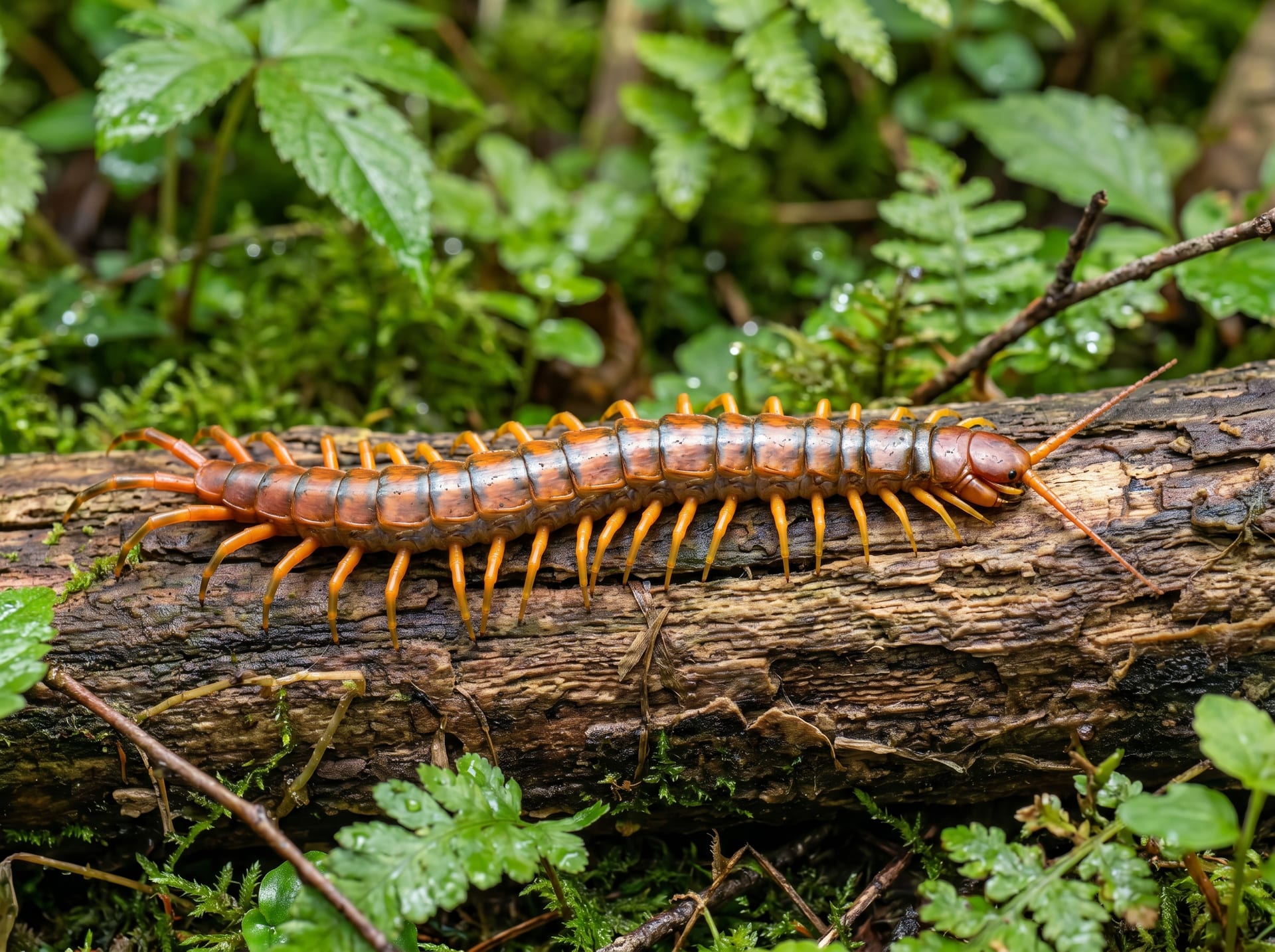
Centipede
Centipedes are fascinating arthropods prized by exotic pet enthusiasts for their numerous legs and distinctive movement. While many species possess venom requiring careful handling, experienced keepers find them highly rewarding observation pets. Some species can reach impressive sizes of several dozen centimeters, offering a truly striking display.
0% commission on your first sales!Register by September 30, 2026 and your first 2 sales are commission-free!
Breeder Wanted!
List on BreederDirect and sell directly to customers nationwide!
5 Transparency Standards You Can Trust
When listing Exotic Invertebrates, Breeders disclose the following. We guarantee transparency on growth stage and breeding unit.
- Real Photos
- Breeding Unit
- Generation Info
- Body Length (mm)
- Country of Origin
Verified breeders wanted for Exotic Invertebrates
Breeders are signing up now ahead of launch. Subscribe to be notified when new listings go live.
Getting alerts is free with a member account. When new listings match your saved search, we'll notify you by email and in-app.
Browse other categories
Verified breeders (preview)
Are you raising exotic invertebrates?
Register as a breeder and connect with buyers directly.
Apply as a breederAbout Centipede
Centipedes belong to the class Chilopoda and are among the oldest land predators, with fossil records dating back approximately 400 million years. More than 3,000 species are distributed across tropical to temperate regions worldwide, with the Asian giant centipede (Scolopendra subspinipes) being the most widely kept in the hobby. Body length ranges from around 5 cm in smaller species to over 30 cm in the largest individuals, and striking colorations of red, orange, yellow, and black make them visually arresting display animals. Each segment bears one pair of legs, typically totaling 21 to 23 pairs, producing the fluid, undulating movement that sets them apart from other invertebrates. Temperamentally they are defensive rather than aggressive, reacting quickly when threatened. The appeal of keeping centipedes lies in witnessing raw predatory behavior up close—watching a centipede subdue prey is a visceral reminder of nature's efficiency—combined with their low maintenance requirements once a proper setup is established.
7 things to know before welcoming a Centipede
1Venom and Bite Risk
Most centipedes possess venomous forcipules and bites can cause significant pain and swelling. Individuals with allergies face additional risks, including rare anaphylactic reactions. Minimize direct handling and use long tweezers or thick gloves when interaction is necessary.
2Escape-Proof Housing
Centipedes are extremely fast and can escape through surprisingly small gaps. Use reptile enclosures with locking lids or seal plastic containers securely. Escapes pose a bite risk to occupants of the home, making a secure enclosure the top priority.
3Temperature and Humidity
Requirements vary by species, but most tropical and subtropical centipedes prefer temperatures of 25–30°C and humidity around 60–80%. Maintaining a moisture gradient in the substrate helps prevent molting problems. Domestic Japanese species can be kept at room temperature, though care is needed during cold winters.
4Substrate and Hides
Centipedes naturally inhabit surface-to-underground environments and require substrate deep enough for burrowing, such as coconut fiber or leaf litter. Cork bark, flat stones, and driftwood provide essential hides, reducing stress and encouraging natural behavior. Replace substrate regularly to maintain hygiene.
5Feeding and Nutrition
Live insects such as crickets, mealworms, and dubia roaches form the staple diet, offered once or twice a week sized appropriately for the animal. Large species may also accept pinky mice. Remove uneaten prey promptly to prevent moisture buildup and bacterial growth in the enclosure.
6Recognizing Molting Signs
Centipedes molt periodically as they grow, becoming especially soft and vulnerable immediately before and after molting. Pre-molt signs include loss of appetite and increased burrowing behavior. Avoid feeding and unnecessary disturbance during this period and keep the enclosure calm and undisturbed.
7Solitary Keeping Is Essential
Centipedes are highly carnivorous and territorial; housing multiple individuals together invariably leads to cannibalism. Always keep each centipede in a separate enclosure unless intentionally breeding them. An enclosure roughly two to three times the animal's body length provides adequate space.
Frequently asked questions about Centipede
- Q.What should I do if a centipede bites me?
- A.Immediately wash the bite site with running water and soap. Seek medical attention promptly if pain or swelling is significant. If you experience symptoms of anaphylaxis such as difficulty breathing, hives, or altered consciousness, call emergency services without delay.
- Q.Can centipedes be housed together?
- A.Single-specimen housing is strongly recommended. Centipedes are highly territorial and cannibalism is a real risk when multiple individuals are kept together. Even for breeding purposes, separate the animals immediately after mating to prevent injury or predation.
- Q.How long do centipedes live?
- A.Lifespan varies by species, but commonly kept species such as the Asian giant centipede can live approximately 5 to 10 years under proper care. They grow slowly through successive molts over several years, making their longevity one of the appealing aspects of keeping them as pets.
- Q.How much space does a centipede need?
- A.A floor area roughly two to three times the centipede's body length is a practical guideline. For an Asian giant centipede measuring 20–30 cm, an enclosure around 45–60 cm in length is appropriate. Avoid enclosures that are excessively large, as tracking and removing uneaten feeder insects becomes more difficult.
- Q.Are there centipede species suitable for beginners?
- A.Centipedes are generally not considered true beginner pets due to their venom, but the Asian giant centipede and Vietnamese centipede are relatively well-documented and commonly available as starting points. Regardless of species, thorough research and consultation with a specialist shop before purchase is strongly advised.
Centipede related articles
See more Centipede articles →More in this category
Can't find the one you're looking for?
Post your wishes for free and breeders with matching animals will contact you with introductions.