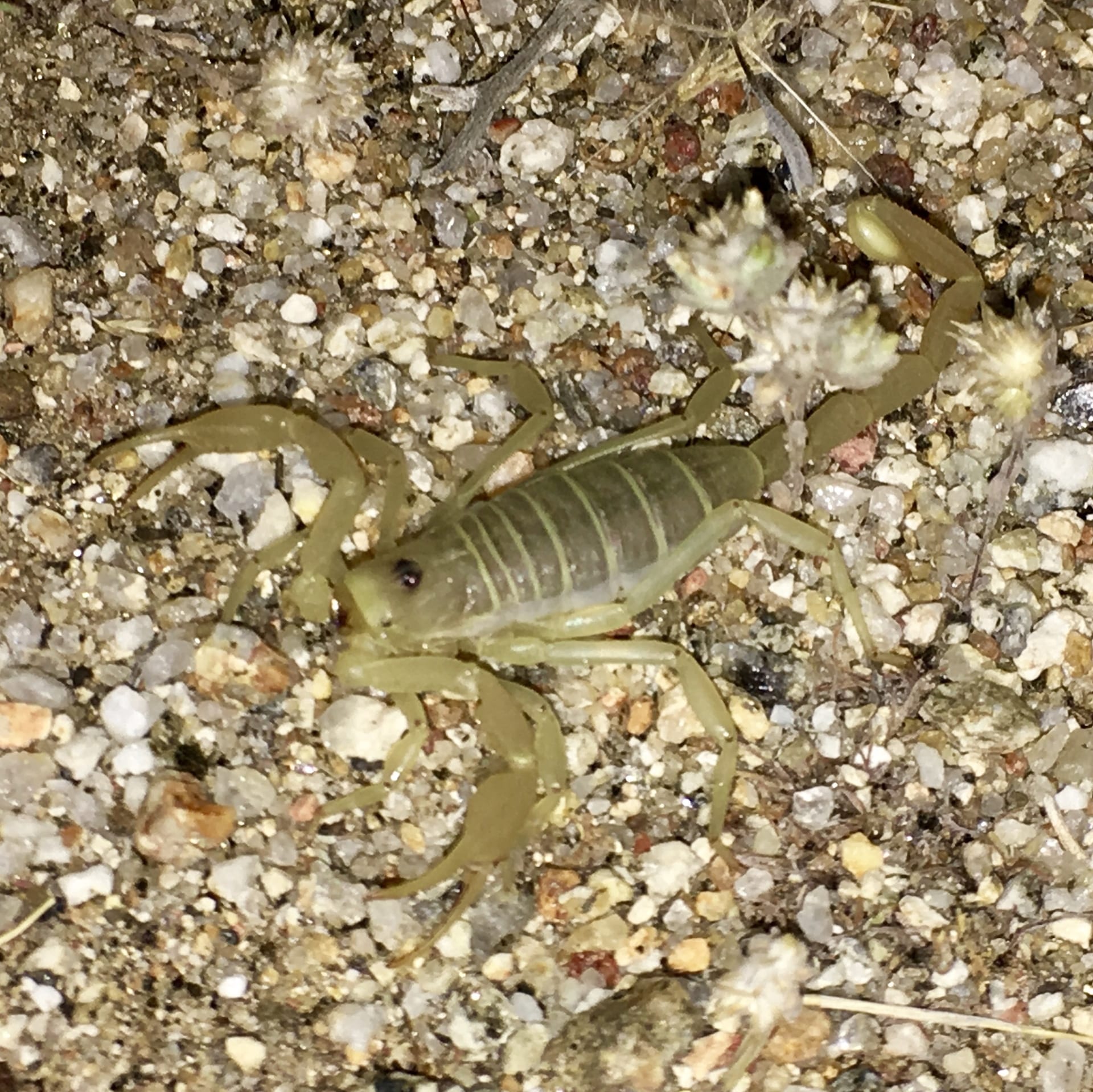
 © Chris Brown / CC BY 4.0
Dune Scorpion
The Dune Scorpion is native to the desert regions of the southwestern United States and belongs to a different lineage from the more commonly kept Buthidae scorpions. Compact at about 7 cm in length, it has a pale coloration that blends naturally into desert sand. Strongly nocturnal, its activity peaks between 9pm and 3am, so it stays hidden and quiet during the day. As a burrowing, solitary species, it makes a calm, observation-friendly pet. While considered relatively manageable among invertebrate exotics, keeping one successfully calls for intermediate-level knowledge.
View Dune Scorpion encyclopedia →0% commission on your first sales!Register by September 30, 2026 and your first 2 sales are commission-free!
Breeder Wanted!
List on BreederDirect and sell directly to customers nationwide!
5 Transparency Standards You Can Trust
When listing Exotic Invertebrates, Breeders disclose the following. We guarantee transparency on growth stage and breeding unit.
- Real Photos
- Breeding Unit
- Generation Info
- Body Length (mm)
- Country of Origin
Browse all 249 breeds
Verified breeders wanted for Exotic Invertebrates
Breeders are signing up now ahead of launch. Subscribe to be notified when new listings go live.
Getting alerts is free with a member account. When new listings match your saved search, we'll notify you by email and in-app.
Browse other categories
Verified breeders (preview)
Are you raising exotic invertebrates?
Register as a breeder and connect with buyers directly.
Apply as a breederDune Scorpion key facts
- Care level
- Intermediate
- Lifespan
- 4-6 years
- Size
- About 7.2cm in length
- Humidity
- Diet
- Live insects such as crickets
- Temperature & Humidity
- A desert species from the southwestern United States; keep the substrate dry.
- Enclosure
- Provide sandy substrate it can bury itself in during the day. The species is fossorial and solitary.
- Diet & Feeding
- Offer live insects such as crickets. Activity peaks late at night, so feeding after dark suits it.
- Temperament & Venom
- There is no established account of its temperament or venom. As with any scorpion, do not handle it bare-handed.
- Notes
- Strongly nocturnal and rarely seen by day. Young aggregate only for a short period right after dispersing from their mother.
About Dune Scorpion
A nocturnal scorpion native to the southwestern US deserts, about 7.2 cm long. Burrowing and solitary, from a different lineage than Buthidae scorpions. Intermediate difficulty.
7 things to know before welcoming a Dune Scorpion
1Understand Its Active Hours
The Dune Scorpion is strongly nocturnal, with activity concentrated between 9pm and 3am. It stays hidden for most of the day, so if you want to observe it, plan to check the enclosure in the evening.
2A Burrowing Setup Is Essential
Since this species burrows and lives alone underground, providing substrate deep enough to dig into is essential. Use a dry, desert-style substrate with enough depth for it to excavate its own burrow.
3Keep One Per Enclosure
Because it lives solitarily in the wild, housing multiple individuals together can lead to conflict. Give each scorpion its own separate enclosure.
4A Compact Size
As an adult, this species stays compact at about 7.2 cm in length, making it a practical option even for keepers without space for a large enclosure.
5A Pale, Desert-Toned Coloration
Its pale coloration echoes the sand of its native desert habitat. It's not flashy, but paired with its quiet demeanor it has an understated appeal.
6Intermediate-Level Care
Care difficulty is rated intermediate. It's best suited to keepers with some prior scorpion-keeping experience or a solid grasp of temperature and humidity management before bringing one home.
7Prepare the Enclosure First
It's important to set up the substrate, enclosure, and temperature/humidity controls before bringing your scorpion home. Preparing a burrow-friendly environment in advance makes the transition smoother for both of you.
Frequently asked questions about Dune Scorpion
- Q.How is the Dune Scorpion different from other scorpions?
- A.It belongs to a different lineage from the Buthidae scorpions commonly found in the southwestern US deserts. It's compact at about 7.2 cm long and has a pale coloration.
- Q.Is it inactive during the day?
- A.Yes, it's strongly nocturnal, with activity concentrated between 9pm and 3am. During the day it typically stays hidden underground.
- Q.Can multiple individuals be kept together?
- A.Since it's a solitary species, keeping multiple individuals in the same enclosure isn't recommended. Give each one its own separate enclosure.
- Q.Is this species suitable for beginners?
- A.Care difficulty is rated intermediate. It's better suited to keepers who already have some basic scorpion-care knowledge.
- Q.Are there any CITES restrictions on this species?
- A.The Dune Scorpion is not listed under CITES.
Learn more about Dune Scorpion in the encyclopedia
View Dune Scorpion encyclopedia entry →
Care difficulty, lifespan, size and diet — all basics covered.
More in this category
Can't find the one you're looking for?
Post your wishes for free and breeders with matching animals will contact you with introductions.