Fort Hall Baboon
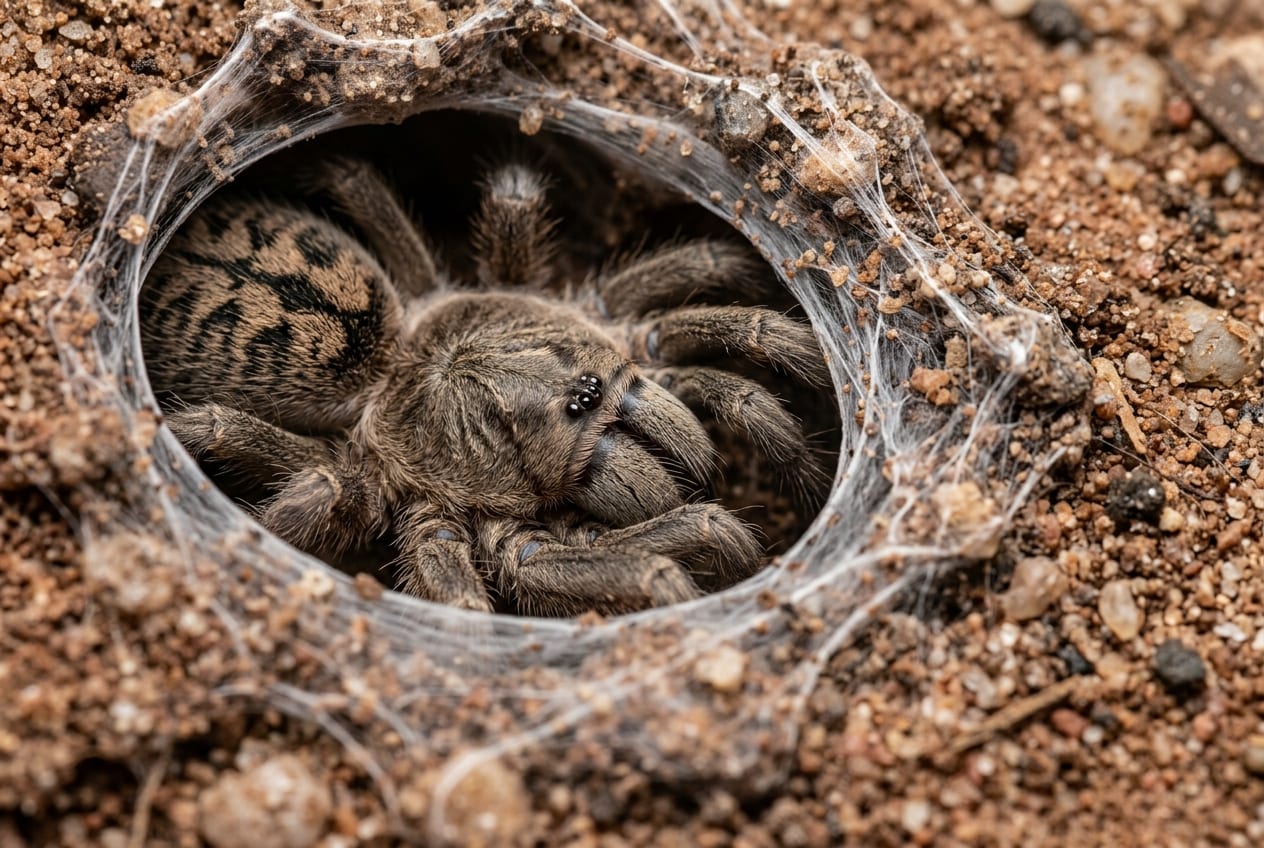
The Fort Hall Baboon is a fossorial tarantula from Africa, recognized by its grayish-brown carapace and the striking black fishbone pattern across its abdomen. Compared to other spiders in its genus, it's considered relatively calm-tempered, though it moves with remarkable speed and will vanish into its burrow in an instant when startled. Because it's a dedicated burrower, a deep substrate layer and a starter hide to anchor its burrow are essential parts of its setup. For hobbyists drawn to fast, naturalistic African terrestrials, this species offers plenty of character.
View Fort Hall Baboon encyclopedia →0% commission on your first sales!Register by September 30, 2026 and your first 2 sales are commission-free!
Breeder Wanted!
List on BreederDirect and sell directly to customers nationwide!
5 Transparency Standards You Can Trust
When listing Exotic Invertebrates, Breeders disclose the following. We guarantee transparency on growth stage and breeding unit.
- Real Photos
- Breeding Unit
- Generation Info
- Body Length (mm)
- Country of Origin
Browse all 249 breeds
Verified breeders wanted for Exotic Invertebrates
Breeders are signing up now ahead of launch. Subscribe to be notified when new listings go live.
Getting alerts is free with a member account. When new listings match your saved search, we'll notify you by email and in-app.
Browse other categories
Verified breeders (preview)
Are you raising exotic invertebrates?
Register as a breeder and connect with buyers directly.
Apply as a breederFort Hall Baboon key facts
- Care level
- Intermediate
- Lifespan
- Females about 12 years, males about 4 years
- Size
- Body 3.0-5.3cm (female), leg span about 14cm
- Temperature
- 22〜25℃
- Humidity
- 50〜60%
- Diet
- Live insects such as crickets and roaches
- Temperature & Humidity
- Aim for 22-25C and 50-60% humidity. Keep it on the dry side and supply moisture through a water dish.
- Enclosure
- Being fossorial it needs deep diggable substrate with cork bark to start a burrow. Secure the lid, as it escapes readily.
- Diet & Feeding
- Offer live crickets and roaches. It drags prey into the burrow, so remove leftovers within a day.
- Temperament & Venom
- It is regarded as less defensive than its congeners but is extremely fast and its venom is thought to be strong. Do not handle it.
- Notes
- Several common names circulate for this species, including Dodoma baboon and Tanzanian blonde baboon.
About Fort Hall Baboon
A grayish-brown, black fishbone-patterned burrowing tarantula from Africa — calm-tempered for its genus but very fast-moving, and best suited to intermediate keepers who can provide deep substrate and a burrow hide.
7 things to know before welcoming a Fort Hall Baboon
1Deep Substrate & Burrow Setup
As a fossorial species, this tarantula needs a substrate layer many times deeper than its body to dig a proper burrow. If the substrate is too shallow, it won't be able to settle in and may pace the enclosure restlessly looking for cover.
2Provide a Burrow Starter
Partially burying a piece of cork bark or an angled hide gives the spider a starting point to begin excavating. Watching it expand its own burrow over time is one of the pleasures of keeping this species.
3Fast Movement
While considered relatively calm-tempered for its genus, this species moves extremely quickly. Take care during feeding and maintenance so it doesn't dart out of the enclosure, and always check that lids and doors are secure before opening.
4Intermediate-Level Care
This species is generally recommended for keepers who already have some tarantula-keeping experience rather than as a first spider. It helps to be comfortable with basic temperature, humidity, and feeding routines before bringing one home.
5Lifespan Differs by Sex
Females can live around 12 years, while males typically live only about 4 years after maturing. Knowing the sex at the time of adoption gives you a clearer picture of how long your companionship will last.
6Adult Size
Adult females reach a body length of roughly 3.0 to 5.3 cm with a leg span of about 14 cm. Because it's a burrowing species, it rarely needs to roam a large open floor area, making a compact enclosure workable.
7Avoid Excess Disturbance
This species tends to stay hidden in its burrow for long stretches, which is normal and not a sign of poor health. Avoid digging it out or frequently jostling the enclosure — a calm, hands-off approach suits this species best.
Frequently asked questions about Fort Hall Baboon
- Q.Is this species suitable for beginners?
- A.The Fort Hall Baboon is generally considered an intermediate-level species rather than a beginner's tarantula. It's best suited to keepers who already have some experience with basic temperature, humidity, and feeding care.
- Q.Is the Fort Hall Baboon aggressive?
- A.It's considered relatively calm-tempered compared to others in its genus, but it moves extremely quickly. Because it tends to bolt for its burrow when startled, a calm and stable environment helps it settle in.
- Q.How large does it grow?
- A.Adult females reach a body length of about 3.0 to 5.3 cm, with a leg span of roughly 14 cm. Since it's a burrowing species, substrate depth matters more than floor space when setting up its enclosure.
- Q.Does lifespan differ between males and females?
- A.Yes. Females can live around 12 years, while males typically live only about 4 years after reaching maturity.
- Q.Can you handle it with bare hands?
- A.Handling with bare hands isn't recommended, since it moves very fast and may flee or display a defensive posture when startled. It's best appreciated as a display species, handled gently and only when necessary for cleaning or feeding.
Learn more about Fort Hall Baboon in the encyclopedia
View Fort Hall Baboon encyclopedia entry →
Care difficulty, lifespan, size and diet — all basics covered.
More in this category
Can't find the one you're looking for?
Post your wishes for free and breeders with matching animals will contact you with introductions.